Understanding Evil Spirits
Evil spirits are often described as malevolent entities believed to have the power to cause harm to individuals or disrupt peaceful environments. These forces are perceived differently across various cultures and spiritual practices, and understanding their characteristics can aid in identifying their influence. In many traditions, evil spirits are thought to embody negative emotions such as anger, jealousy, or vengeance, and may be believed to manifest through specific symbols or harbingers.
Different cultures recognize a diverse array of evil spirits, each with distinct characteristics and methods of engagement. For instance, in some Native American traditions, there are malevolent beings known as “Wendigo” that are said to possess individuals and induce violent madness, whereas in European folklore, the “Banshee” serves as an omen of death and destruction. Each of these spirits represents localized fears and societal values, demonstrating varied beliefs surrounding spiritual disturbances.
Furthermore, the representation of evil spirits can also be found in religious texts, literature, and oral traditions across the globe. In Christianity, demons are often portrayed as fallen angels that prey on the vulnerable and lead them away from salvation. Meanwhile, African spiritual practices may refer to ancestral spirits that, when neglected or disrespected, may turn malevolent. Such examples illustrate that the perceptions of these entities are deeply embedded within cultural narratives and moral frameworks.
Individuals who suspect they are under the influence of evil spirits might recognize signs such as unexplainable fatigue, emotional distress, or a general sense of unease in their environment. Recognizing these indicators is crucial, as it can prompt one to seek protective measures or engage in rituals intended to cleanse the space of negative influences. Therefore, understanding evil spirits and their manifestations serves as a vital first step in addressing their impact on one’s life.
Signs of Evil Spirits
Identifying the presence of evil spirits can be a complex task, often characterized by a range of signs and symptoms that manifest both physically and emotionally. Individuals experiencing disturbances related to evil spirits may find themselves in environments that seem altered by unseen forces.
One of the most prevalent signs is disturbances in sleep. Many individuals report insomnia, frequent nightmares, or an overwhelming sense of unrest while trying to sleep. This can lead to chronic fatigue and an inability to focus during waking hours, which can further complicate daily activities.
Emotional signs such as feelings of dread or anxiety often accompany the presence of these spirits. Individuals might find themselves feeling inexplicably uneasy or fearful in certain areas of their home or during specific times of the day. These emotions can escalate to overwhelming sensations of despair that seem disproportionate to the individual’s circumstances.
Unusual noises can serve as another indicator of evil spirits. These sounds may include unexplained tapping, dragging, or whispering, which often occur when one is alone or in the stillness of the night. Such auditory disturbances can heighten feelings of alarm and exacerbate the sense that a malevolent presence is near.
Moreover, changes in behavior, both in oneself and in pets, can signal paranormal interference. Individuals may experience irritability, mood swings, or social withdrawal that is out of character, while pets may exhibit signs of distress, such as growling at empty spaces or behaving erratically. These manifestations warrant further investigation as they can point to the influence of evil spirits in one’s surroundings.
Preventive Measures Against Evil Spirits
To effectively guard oneself against malevolent forces, it is vital to adopt a proactive approach that encompasses various strategies. One of the primary measures is setting clear boundaries. Establishing personal space both physically and spiritually creates a shield that discourages the intrusion of negative energies. This can involve simple actions such as defining your environment, decluttering spaces, and designating areas specifically for relaxation and meditation. By creating boundaries, individuals can foster a sense of safety and tranquility in their daily lives.
In addition to boundaries, cultivating a positive environment plays an integral role in repelling evil spirits. Surrounding oneself with uplifting and positive influences, whether through decor, music, or the company kept, can contribute to a harmonious atmosphere. Incorporating elements such as plants, crystals, and sacred symbols can also enhance the energy of a space, further fortifying it against evil spirits. Lighting candles or using essential oils known for their purifying properties can additionally help cleanse a space of any lingering negativity.
Practicing spiritual hygiene is another essential preventive measure. This involves regular rituals or activities that nurture one’s spiritual health. Engaging in meditation, prayer, or grounding exercises can reinvigorate personal energy and dispel any unwanted influences. Furthermore, maintaining a routine of cleansing one’s aura through visualization techniques or energy clearing practices, such as smudging with sage or palo santo, can protect against the accumulation of negative spirits.
Ultimately, the importance of personal beliefs and intentions cannot be overstated. Believing in one’s ability to protect oneself against evil spirits is crucial. Affirmations and setting positive intentions reinforce this belief, ensuring that the mind remains focused on protection and positivity. By adopting these preventive strategies, individuals can create a fortified barrier against malevolent spirits, fostering a peaceful and secure environment conducive to well-being.
Traditional Methods of Spirit Removal
Across diverse cultures and historical contexts, various traditional methods have emerged for the removal of evil spirits. These techniques incorporate rituals, materials, and beliefs specific to each culture, yet share a common objective: to cleanse the individual or environment of malevolent influences. One prevalent method is smudging, which involves the burning of sacred herbs, such as sage or cedar. This practice, rooted in Indigenous cultures, is believed to purify spaces and individuals by releasing negative energy trapped within. The act of wafting the smoke throughout the area is often accompanied by the recitation of prayers or mantras.
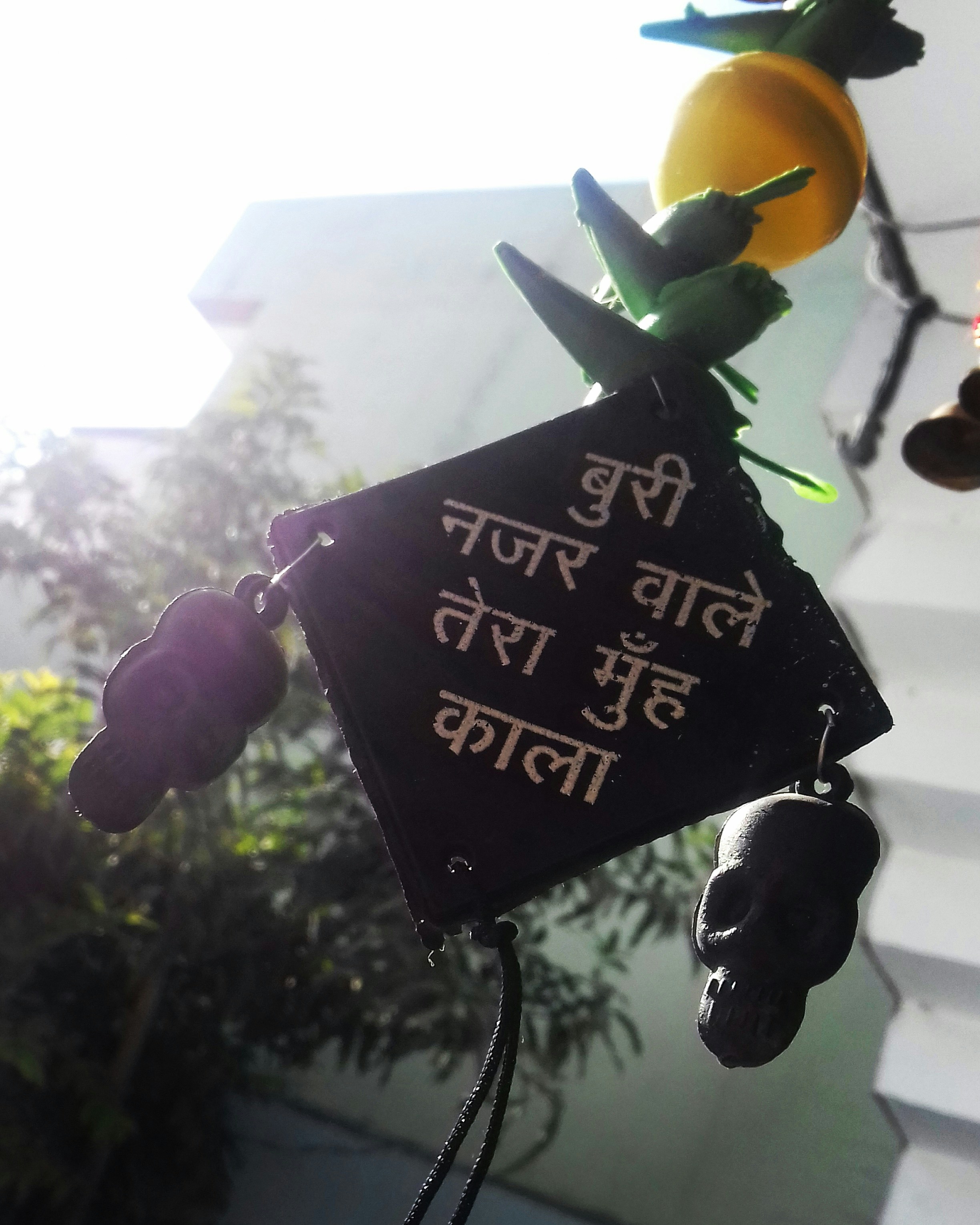
Another commonly practiced technique involves the use of protective charms or talismans. These objects are imbued with specific spiritual energies meant to shield individuals from malevolent forces. In many traditions, charms are crafted using materials deemed spiritually significant, such as crystals, metal, or wood. For instance, the use of iron in certain European cultures has long been considered a safeguard against evil spirits, while in African traditions, beads and amulets play a crucial role in providing protection.
Ritualistic prayers also feature prominently in traditional spirit removal practices. Different faiths and spiritual beliefs offer specific invocations that are recited to beseech divine intervention. For example, in Christianity, specific psalms or prayer formulas are used to ward off evil influences, while Muslim traditions may involve reciting verses from the Quran. These prayers seek to invoke protective energies and create a sacred space, enabling individuals to restore harmony and peace.
Many of these traditional methods not only reflect cultural beliefs but also serve as a means of community support, providing an opportunity for individuals to come together in times of distress. Through the application of these diverse techniques, cultures worldwide demonstrate a profound understanding of the spiritual realm, striving to maintain balance and protect against malevolent forces.
Modern Techniques and Practices
In recent years, there has been a significant shift towards modern approaches in removing evil spirits, reflecting a growing interest in holistic and energy-based practices. Many individuals are now exploring methods such as energy healing, cleansing rites, and even the progressive use of technology to address spiritual disturbances.
Energy healing practices, rooted in various traditions, focus on the belief that our energy field can attract or repel entities. Practitioners often use techniques like Reiki, acupuncture, or chakra balancing to cleanse and rejuvenate an individual’s energy, thereby creating a protective barrier against malevolent influences. These methods resonate strongly with contemporary audiences who seek personalized and non-invasive solutions to their spiritual concerns.
Cleansing rites remain a fundamental practice in many cultures, but modern interpretations often incorporate elements such as mindfulness and intention-setting. Rituals may involve the use of sage, sound bowls, or the burning of incense to purify spaces and individuals. The symbolism and purpose of these rites resonate deeply with those who value mindfulness, providing both a sense of empowerment and a way to actively engage in the process of spiritual cleansing.
Technological advancements have also impacted these contemporary practices. For example, sound healing therapy utilizes frequency and vibrations to promote healing and dispel negativity. Numerous studies have suggested that sound waves can influence our mental and emotional well-being, making them a valuable tool in the modern spiritual toolkit. Similarly, visualization techniques and guided meditations have gained popularity, offering individuals a way to create a protective mental space and manifest positive energies while warding off potential spiritual intrusions.
These modern techniques reflect an ongoing evolution in how individuals perceive and approach the concept of evil spirits. As society becomes more attuned to holistic practices, the integration of traditional and contemporary methods illustrates a diverse and increasingly inclusive attitude towards spiritual healing.
Seeking Professional Help
Dealing with evil spirits can be a profound and troubling experience. Understanding when to seek professional help is crucial in effectively addressing these challenges. Various types of practitioners specialize in dealing with malevolent energies and spirits, including shamans, mediums, and spiritual advisors, each offering unique methodologies and insights.
Shamans typically use traditional practices rooted in indigenous cultures, often employing rituals, drumming, and spiritual journeys to interact with the spirit world. Their approach focuses on healing the spirit and removing negative energies that may be affecting an individual or space. In contrast, mediums act as intermediaries, communicating with spirits and providing insights from the other side. They can help clarify messages from departed loved ones and identify lingering energies that may be causing distress.
Spiritual advisors encompass a broad range of practitioners, including clairvoyants, energy healers, and holistic counselors. They often use various techniques such as tarot readings, energy clearing, or chakra balancing to address spiritual concerns. Consulting a spiritual advisor can provide comfort and guidance, especially for those feeling lost or overwhelmed by an evil presence.
When selecting the right professional, consider factors such as their experience, techniques, and your own comfort level with their practices. Recommendations from trusted friends or online reviews may also assist in making an informed choice. Schedule an initial consultation to assess their approach and determine if it aligns with your needs.
Seeking professional help can be a significant step towards regaining peace and clarity in the presence of evil spirits. Remember, reaching out for assistance is a sign of strength and an essential part of the healing process.
Cleansing Rituals You Can Do at Home
Cleansing your home is an essential step in removing evil spirits. Fortunately, several effective rituals can be performed easily at home, allowing you to take control of your space.
One popular method is the salt cleansing ritual. Salt has been revered for its purifying properties across different cultures. To perform this ritual, you will need coarse sea salt. Start by filling a small bowl with salt and place it in each room of your house, particularly in corners where negativity may linger. Leave the salt for 24 hours, then discard it outside to disperse unwanted energies. This simple act can effectively cleanse the space.
Another effective technique is creating a protective circle. This ritual is meant to shield you and your home from malevolent forces. Begin by finding a quiet space where you can focus. Using chalk or salt, draw a circle large enough to comfortably sit within. Stand inside the circle and visualize a protective light surrounding you, preventing any negative energies from entering. This ritual can be particularly beneficial during times of heightened emotional distress or after experiencing paranormal activity.
Additionally, many practitioners find the use of herbs and crystals beneficial in cleansing their spaces. For herbs, sage is particularly powerful; burning sage creates a cleansing smoke that purifies the air and dispels negativity. To perform this ritual, light the sage bundle and walk around each room, allowing the smoke to flow. As for crystals, black tourmaline and clear quartz are popular choices for protection. Place them in strategic locations around your home to amplify the protective energies.
By incorporating these cleansing rituals into your routine, you can help create a sanctuary free from the influence of evil spirits, providing peace and tranquility in your living environment.
Aftercare: Maintaining a Spirit-Free Space
Once the process of removing evil spirits is complete, the importance of aftercare cannot be underestimated. This phase is crucial for maintaining a spirit-free space and ensuring that positive energy prevails in your environment. Regular cleansing practices are fundamental; they serve as a preventive measure against any potential resurgence of negative entities. Common methods of cleansing include the use of sage, salt, or essential oils, which can effectively purify the space on a regular basis.
In addition to cleansing, it’s essential to cultivate an atmosphere brimming with positive energy. This can be achieved through the incorporation of uplifting elements such as vibrant plants, soothing colors, and personal items that evoke joy. Engaging in activities that promote happiness, such as meditation, prayer, or joyful gatherings, can significantly enhance the positivity of your living space. When the vibrations of your environment are high, it becomes less conducive for malevolent spirits to return.
Furthermore, establishing a spiritual practice is pivotal in maintaining a sanctuary that is both safe and inviting. Whether you choose to partake in daily rituals, periodic energy work, or simply moments of quiet reflection, these practices act as continual fortifications against negativity. It is beneficial to align yourself with protective energies, whether through affirmations, protective crystals, or rituals that resonate with your beliefs.
Lastly, remember that the process of maintaining a spirit-free home is ongoing. Be vigilant in observing changes in the atmosphere and listen to your intuition. By consistently applying these aftercare strategies, you empower yourself to uphold a protective environment that fosters peace and well-being.
Personal Experiences and Testimonials
Throughout history, countless individuals have encountered the challenge of dealing with evil spirits, leading them to seek various methods for removal. Personal testimonials from those who have undergone this experience shed light on the diverse approaches people have taken to combat these malevolent forces. By hearing their stories, others may find inspiration and strategies that resonate with their own situations.
One such account comes from Emily, who describes her unsettling experience in an old family home where she began to sense an oppressive atmosphere. After seeking guidance from a spiritual advisor, she learned about the power of cleansing rituals. Emily actively participated in a ceremony that involved the burning of sage and the chanting of protective prayers. She reported a significant transformation in the energy of her home, stating, “I felt a weight lift off my shoulders. The spirit was no longer present, and I could finally breathe again.” This experience underlines the effectiveness of cultural rituals in evicting negative entities.
Another testimonial comes from Mark, who shared a more unconventional approach. After feeling an undeniable presence that escalated over several months, he decided to document his experiences through art. Mark painted his feelings and the visions he encountered in vivid colors. During this creative process, he felt the spirits were drawn to his art, transforming his fear into fascination. His testimonials include, “By channeling my energy into my art, I felt I was able to ease their presence and ultimately let them go. This journey changed my perception of fear into a tool for understanding.” This reflects how creativity plays an essential role in personal healing and can be a unique means of spirit release.
These narratives illustrate that the journey to removing evil spirits is highly individual, often incorporating various elements such as spirituality, creativity, and community support. The key takeaway from these testimonials is the importance of finding a method that resonates personally, empowering individuals to take charge of their spiritual spaces.
Leave a Reply