Introduction to Hijama and Sihr
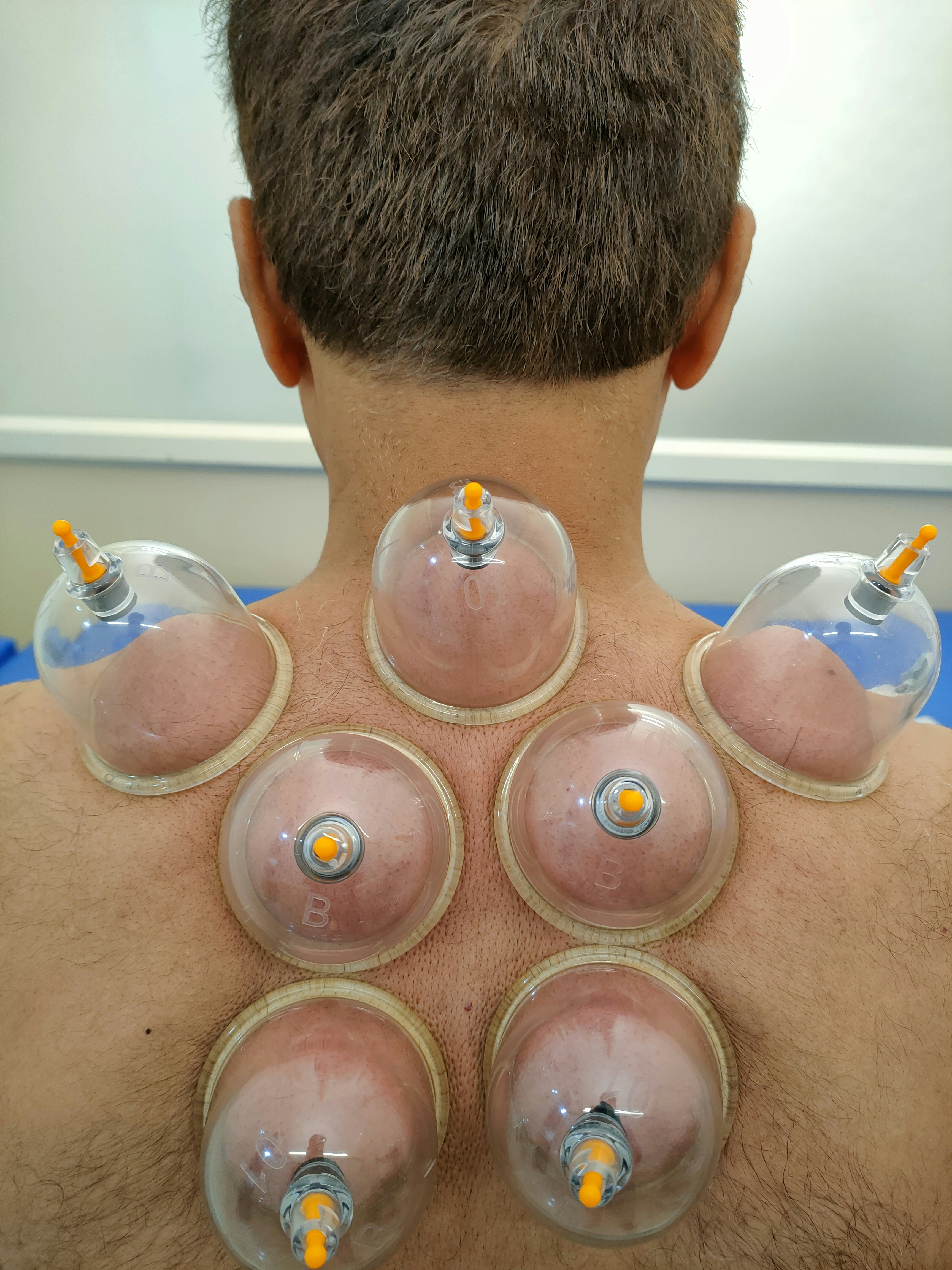
Hijama, commonly known as cupping therapy, is an ancient healing practice that has been utilized across different cultures for centuries. Primarily associated with Islamic traditions, Hijama involves the application of suction cups to the skin to promote blood circulation, relieve pain, and facilitate detoxification. This method is believed to aid in physical and emotional ailments, providing a holistic approach to wellness. In Hijama, practitioners create a vacuum inside the cups placed on specific areas of the body, leading to mild bruising as blood is drawn to the surface. Many proponents of this therapy assert its effectiveness in improving overall health and well-being, linking it to significant cultural and spiritual practices.
On the other hand, Sihr, which can be translated to mean sorcery or black magic, embodies a much darker resonance. This concept is steeped in historical and cultural significance, often viewed with a mix of fear and intrigue. Sihr has been interpreted differently across various societies and religious contexts; within Islamic teachings, for instance, it is generally regarded as a malicious practice used to harm others or disrupt lives. The belief in Sihr’s existence has led to numerous cultural narratives surrounding its effects, with manifestations that can range from physical ailments to social discord. In some traditions, Sihr is associated with a spiritual battle, where individuals often seek protection or remedies against its perceived harm.
The juxtaposition of Hijama and Sihr highlights an essential discourse within traditional healing practices, revolving around belief systems and societal impacts. While Hijama advocates for healing through natural and holistic means, Sihr represents a paradigm of harm and manipulation, leading individuals to seek various methods for protection and recuperation. Understanding both Hijama and Sihr can provide invaluable insights into cultural practices, beliefs, and the quest for balance between health and spiritual well-being.
How Hijama Works: The Science Behind It
Hijama, commonly known as cupping therapy, is an ancient practice that has gained recognition for its potential health benefits. The principle behind Hijama lies in its ability to enhance blood circulation and promote detoxification within the body. This technique involves creating a vacuum within cups that are placed on the skin, which draws the underlying tissue into the cup.
There are principally two types of Hijama: dry cupping and wet cupping. Dry cupping involves applying suction only, which helps to stimulate the flow of blood to the area, effectively rejuvenating the skin and underlying muscles. In contrast, wet cupping goes a step further by making small incisions on the skin’s surface after suction, allowing toxins and stagnant blood to be drawn out, promoting quicker healing and relief. This process is believed to not only aid in physical recovery but also supports mental wellness by reducing stress and anxiety.
The technique of cupping is believed to remove toxins from the body, which can improve both physical and mental health. This is achieved through the enhanced flow of blood and lymphatic fluid, facilitating the removal of harmful substances. Additionally, many practitioners of Hijama report a decrease in muscle tension, improved relaxation, and greater overall vitality following treatment.
Research suggests that when the body’s blood circulation is improved, it may lead to a range of positive outcomes, such as reduced pain and inflammation. By clearing the body of toxins and improving circulation, Hijama may also enhance immunity and support the body’s natural healing processes. Although more scientific studies are needed to fully validate these claims, Hijama remains a valuable practice for many seeking holistic wellness solutions.
Understanding Sihr: Effects on the Individual
Sihr, often translated as black magic or witchcraft, is believed to influence individuals through various psychological and physiological symptoms. These effects can manifest subtly and escalate into severe disturbances affecting one’s quality of life. Individuals reportedly afflicted by Sihr often describe feelings of unease, distress, and confusion. Symptoms frequently include persistent anxiety, mood swings, and an overwhelming sense of hopelessness.
Furthermore, Sihr is thought to disrupt mental clarity, leading to indecisiveness, memory lapses, and a diminished ability to concentrate. Such cognitive impairments can severely affect daily activities, from professional duties to personal relationships. The psychological burden of feeling targeted can result in social withdrawal, leaving individuals isolated and struggling with their mental well-being.
Physical symptoms associated with Sihr are also noteworthy. Many claim to experience unexplained ailments such as headaches, fatigue, gastrointestinal issues, and sleep disturbances. The stress induced by these symptoms can exacerbate these physical manifestations, creating a cycle of discomfort. These disruptions in health can cause individuals to seek medical intervention, although often, the root cause may be perceived as originating from supernatural influences.
This intertwined relationship between psychological stress and physical health can create a profound level of distress in afflicted individuals. As they face both quantifiable health issues and unquantifiable mental anguish, the holistic disruption to their lives can be significant. Individuals coping with the effects of Sihr may find themselves grappling with uncertainty, as they often rely on spiritual or alternative practices, such as Hijama, to address their afflictions.
Hijama, also known as cupping therapy, has deep roots in various cultures, especially within Islamic healing traditions. It is often seen not only as a physical treatment but also as a practice that fosters spiritual well-being. Central to many Islamic healing practices, Hijama is believed to cleanse both the body and the soul, promoting a harmonious balance essential for overall health.
The spiritual aspects of Hijama are intertwined with longstanding beliefs in the efficacy of this therapy for purifying one’s spirit. It is posited that ailments such as sihr, or black magic, can disrupt a person’s spiritual equilibrium, leading to physical and emotional distress. Advocates of Hijama argue that the therapy can help alleviate these disruptions by releasing stagnant blood and toxins, thereby allowing for a flow of positive energy. This process not only supports physical healing but also is thought to foster spiritual purification, which is essential for restoring an individual’s inner balance.
Moreover, Hijama is often accompanied by specific prayers or intentions that enhance its spiritual component. Practitioners may begin the session by reciting verses from the Quran that are believed to provide protection against harmful influences. This integration of prayer reflects a holistic approach to healing, where spiritual intentions are deemed critical to the effectiveness of the treatment. Hence, the practice is more than mere physical therapy; it is an avenue for spiritual renewal that aligns with the broader Islamic belief in the interconnectedness of mind, body, and spirit.
In essence, the relationship between spiritual healing and Hijama underscores the importance of viewing health through a multifaceted lens. By addressing both the physical and spiritual realms, Hijama is positioned as a holistic therapy that can enhance an individual’s well-being, particularly in the context of overcoming spiritual disturbances such as sihr.
Cultural Perspectives on Hijama and Sihr
Within various cultures around the globe, there exists a rich tapestry of beliefs surrounding Hijama and Sihr, both deeply embedded in traditional healing practices and spiritual systems. Hijama, or cupping therapy, is widely recognized in many cultures as a means of promoting physical health and wellness through the application of suction cups on the skin. In regions such as the Middle East, North Africa, and parts of Asia, Hijama is often considered a vital component of ancestral medicinal practices. It is esteemed not only for its physical benefits but also for its spiritual significance, as many practitioners believe that it aids in the removal of negative energies or influences.
Conversely, Sihr, often translated as sorcery or magic, holds a more enigmatic and sometimes malevolent connotation depending on the cultural context. In many societies, Sihr is feared and seen as a tool for harm, used to impose control over individuals or bring misfortune. In cultures where Islam predominates, for instance, Sihr is frequently viewed through a lens of spirituality and moral caution, with a strong emphasis on the belief that reliance on divine protection is necessary to ward off its effects.
Interestingly, in many communities, Hijama is perceived as a countermeasure to both physical ailments and the spiritual malaise attributed to Sihr. There is an acknowledgment that individuals suffering from the perceived effects of Sihr may seek out Hijama as a form of both physical and spiritual cleansing. Thus, the coexistence of these two practices underscores a complex relationship where individuals may turn to Hijama as a remedy not just for their physical discomfort but also as a way to combat the supernatural influences they believe to be at play.
This intersection of Hijama and Sihr within cultural contexts highlights the ways in which traditional medicine adapts and coexists with spiritual beliefs, emphasizing the need for a comprehensive understanding of both practices when exploring their significance in various communities worldwide.
Case Studies and Anecdotal Evidence
The practice of Hijama, also known as cupping therapy, has been utilized historically across various cultures for its purported health benefits. Within the realm of spiritual wellness, particularly in relation to Sihr, several anecdotal accounts have emerged that underscore the experiences of individuals who believe they have found relief through this treatment.
One particular case involved a woman named Fatima, who reported struggling with persistent malaise and psychological disturbances that she attributed to Sihr. After consulting a practitioner of Hijama, she underwent a series of sessions. Fatima described feeling a significant reduction in her symptoms post-treatment, indicating that the emotional relief she experienced made her believe that Hijama was effective in dislodging the negative energies she felt were impacting her life. Her story highlights a transformative journey, emphasizing the perceived connection between her ailments and the practice of Hijama.
Similarly, a man named Ahmed shared his experience of feeling constantly fatigued and unmotivated, which he connected to an underlying spiritual disruption caused by Sihr. With traditional medical approaches failing to provide answers, he sought Hijama as a complementary therapy. After several sessions, Ahmed reported an increase in his overall well-being and energy levels. He attributed this positive change to the release of toxins and energies that Hijama facilitated, showcasing the potential role of this therapy in addressing spiritual afflictions.
Such testimonials reflect a growing interest and belief in the efficacy of Hijama for those who suspect they are affected by Sihr. While scientific evidence is still limited, these personal narratives contribute to the understanding of Hijama as a holistic approach potentially bridging the gap between physical and spiritual healing. Each story, while subjective, serves to illuminate the varied experiences of individuals navigating their health and spiritual concerns through Hijama.
Scientific Evidence and Skepticism
Hijama, commonly known as cupping therapy, has garnered attention for its purported health benefits, including claims of alleviating various ailments. However, scientific evidence supporting these claims remains limited and often contentious. Various studies have explored the effects of hijama on conditions such as pain, inflammation, and muscle tension; yet, the findings have yielded mixed results. Systematic reviews and meta-analyses indicate that while some individuals report subjective improvement in symptoms, the objective clinical evidence is often insufficient to substantiate these claims robustly.
Critics of hijama emphasize the necessity for rigorous clinical trials to better understand its mechanisms and efficacy. Skepticism arises particularly concerning its association with treating sihr, or black magic, a condition often regarded as metaphysical rather than medical. A considerable portion of the medical community argues that ailments attributed to sihr may stem from psychological or psychosomatic origins, emphasizing the importance of scientifically validated treatments over spiritual or traditional remedies.
Furthermore, concerns have been raised regarding the safety of hijama practices when performed by unqualified practitioners. The risk of infections, improper techniques, and inadequate hygiene can lead to adverse health effects that outweigh any potential benefits. Consequently, individuals considering hijama, particularly for conditions linked to sihr, should approach it with caution and be wary of claims lacking empirical support.
In summary, while hijama may provide anecdotal relief for some patients, scientific scrutiny reveals a significant gap in comprehensive research validating its efficacy in treating specific medical conditions, including those attributed to sihr. Thus, it remains essential to seek evidence-based medical advice and consider the limits of traditional practices.
Combining Hijama with Other Spiritual Practices
Hijama, or cupping therapy, has long been recognized as a significant practice within various cultures for promoting physical and spiritual well-being. In the context of countering Sihr or black magic, many individuals seek to amplify the effects of Hijama by integrating it with other spiritual practices. One notable integration is the use of prayer, particularly supplications and verses from the Quran, which are believed to provide protection and healing.
The recitation of Quranic verses, specifically those that emphasize healing and protection, can enhance the efficacy of Hijama. Verses from Surah Al-Fatihah, Surah Al-Baqarah, and the last two verses of Surah Al-Baqarah are often recommended for recitation during or before the Hijama session. This combination not only aims to address physical ailments but also targets spiritual afflictions, including Sihr. In this way, individuals may find a holistic approach that nurtures both body and spirit.
Moreover, engaging in regular Islamic practices, such as daily prayers (Salah), dhikr (remembrance of Allah), and seeking forgiveness, can further augment the benefits derived from Hijama. These acts instill a sense of peace and resilience, aiding individuals in their fight against negative spiritual influences. For instance, performing nightly prayers and engaging in reflection can prepare one’s mind and spirit for treatments like Hijama, fostering stronger intentions and focus.
Furthermore, community support through group prayers or seeking guidance from knowledgeable spiritual practitioners can enhance the individual’s spiritual journey. Such collaborations reinforce the belief in collective power when combating Sihr. By creating a conducive environment of prayer and community, practitioners can empower those undergoing treatment with renewed faith and a sense of belonging.
In conclusion, the integration of Hijama with other spiritual practices provides a more comprehensive approach to healing, acknowledging the interplay between physical and spiritual health in combating Sihr effectively.
Conclusion: The Ongoing Debate
The relationship between Hijama, also known as cupping therapy, and the concept of Sihr, or sorcery, invokes a significant amount of discussion and differing viewpoints among practitioners and scholars alike. Throughout this blog post, we have explored the various dimensions of this topic, examining both traditional beliefs and contemporary interpretations. While some proponents assert that Hijama can address spiritual ailments, including those perceived to be caused by Sihr, scientific evidence supporting the effectiveness of cupping therapy in this context remains limited.
It is crucial for individuals contemplating the use of Hijama as a remedy for Sihr or any health-related concerns to approach this practice with an informed mindset. This involves recognizing the cultural and spiritual lenses through which Hijama is often viewed, as well as the importance of integrating conventional medical advice into health decisions. The ongoing debate encapsulates a broader discourse on how alternative therapies can coexist with established medical practices, leading to a more comprehensive understanding of health and wellness.
As discussions surrounding Hijama and its relevance to Sihr continue to evolve, it is essential that individuals seek out qualified practitioners and consult healthcare providers when facing serious health issues. Engaging with both traditional and modern approaches can facilitate a balanced perspective, allowing for an informed decision-making process regarding personal health and spiritual well-being. Ultimately, maintaining an open mind while rigorously evaluating available evidence will benefit anyone exploring the intersection of Hijama and Sihr.
Leave a Reply