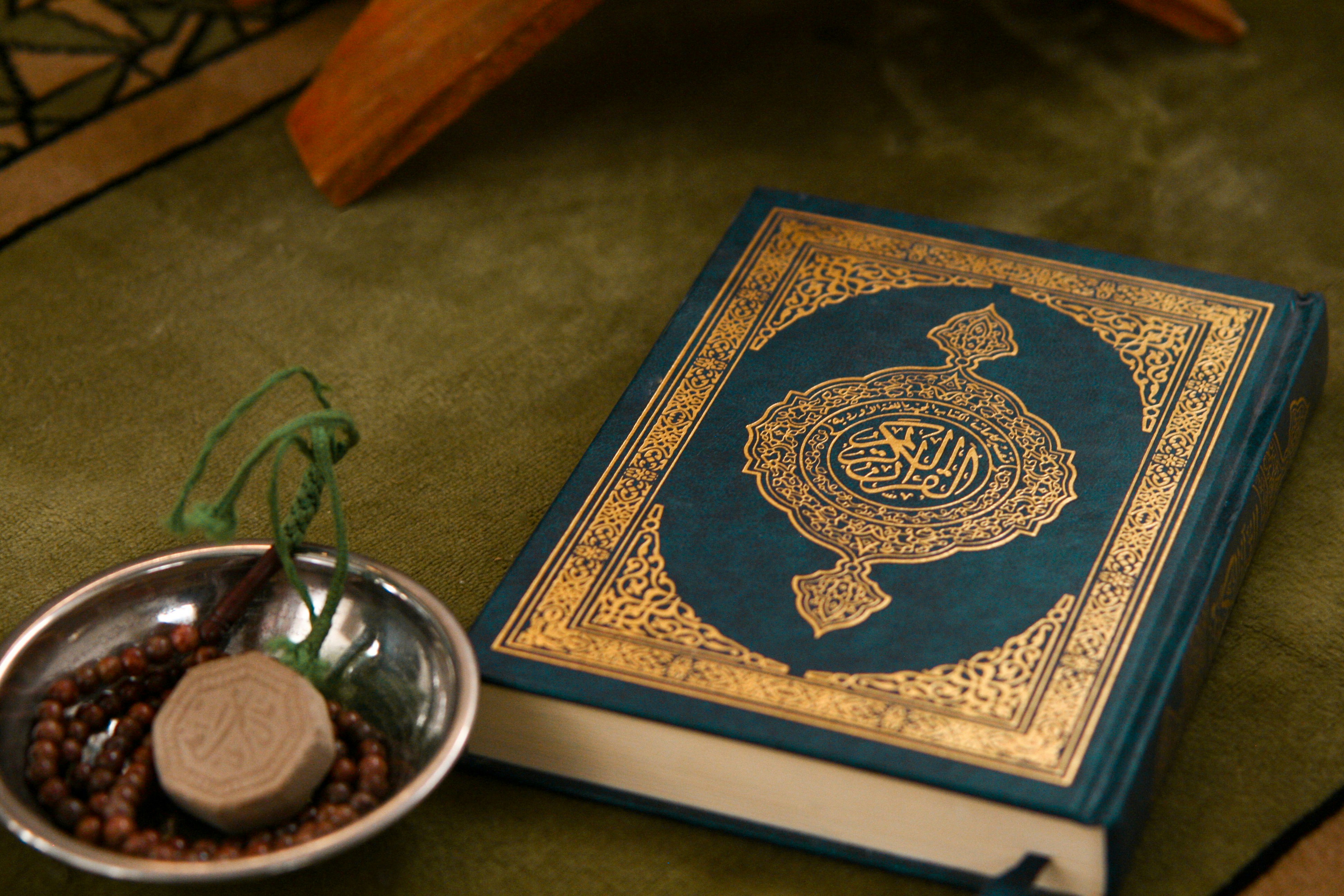
Ruqyah, rooted in Islamic tradition, refers to the practice of reciting specific verses from the Qur’an and supplications (duas) to seek divine healing and protection from various spiritual ailments. This practice underscores the belief in the influence of the unseen world on the physical realm and acknowledges the necessity of spiritual well-being alongside mental and physical health. Within the Islamic faith, Ruqyah is considered not only a means of healing but also an essential form of spiritual warfare against malevolent forces such as evil eye, black magic, and jinn possession.
The significance of Ruqyah lies in its holistic approach, addressing both the spiritual and physical dimensions of a person’s well-being. Believers often turn to Ruqyah during times of distress or unexplained illness, viewing it as a tool for seeking God’s mercy and protection. It fosters a strong connection to faith and deepens one’s reliance on Allah in times of hardship.
Ruqyah can be categorized into two primary types: Ruqyah Shariyyah and Ruqyah Jahiliyyah. Ruqyah Shariyyah, the approved and authentic method, involves recitations from the Qur’an, the use of prophetic traditions (Hadith), and prayers that align with Islamic teachings. Conversely, Ruqyah Jahiliyyah entails practices not grounded in the Qur’an or Sunnah, often incorporating superstitions and unverified rituals. It is vital for practitioners to focus on Ruqyah Shariyyah to ensure efficacy and spiritual safety.
Common ailments addressed through Ruqyah include anxiety, depression, chronic physical illnesses without clear medical causes, and various forms of emotional distress. The recitation not only aims to bring about physical healing but also promotes emotional clarity and spiritual liberation, reinforcing the importance of faith in achieving holistic health.
Common Symptoms Indicating the Need for Ruqyah
Ruqyah, which refers to the spiritual healing through the recitation of specific Quranic verses and supplications, is often sought when various symptoms manifest that may indicate spiritual distress. These symptoms can be categorized into physical, emotional, and spiritual aspects, each reflecting the individual’s overall well-being.
Physically, one might experience chronic ailments that persist despite undergoing medical evaluations and treatments. Conditions like unexplained fatigue, persistent headaches, and digestive issues without a clear diagnosis can be signs of spiritual interference. Many individuals report these symptoms with no identifiable medical explanation, prompting them to seek alternative forms of healing, such as Ruqyah.
Emotionally, noticeable changes in behavior and mood are significant indicators. Individuals may experience increased anxiety, depression, or irrational fears that disrupt their daily lives. Sudden mood swings, feelings of hopelessness, or emotional numbness can signify that a person is undergoing a spiritual trial. Additionally, changes in personality, such as becoming excessively irritable or withdrawn, can be a call for attention to one’s spiritual state.
Spiritually, individuals may find a decline in their relationship with Allah, characterized by reduced enthusiasm in practices like prayer and recitation of the Quran. A feeling of heaviness in the heart or an inability to feel joy during religious activities can also serve as a red flag. These symptoms collectively suggest that Ruqyah could be beneficial, as it aims to restore both physical and spiritual health by reconnecting individuals with their faith and addressing potential spiritual afflictions.
Signs of Jinn Possession or Black Magic
Identifying the signs of jinn possession or the influence of black magic can be complex, as the symptoms often overlap with various psychological and physical ailments. However, certain indicators can help ascertain the presence of these supernatural elements in an individual’s life. This section explores key behaviors and symptoms associated with such phenomena.
One of the most prevalent signs of jinn possession is sudden, unexplained changes in behavior. Individuals may exhibit out-of-character actions, including extreme anger, irrational fears, or abrupt mood shifts. Such drastic alterations often leave family members and friends bewildered, prompting concern for the individual’s mental health.
Another sign worthy of attention is the experiencing of physical disturbances. These may manifest as chronic fatigue, persistent headaches, or unexplained body pains. In some cases, individuals report experiencing intense sleep disturbances, including nightmares or sleep paralysis, which can further exacerbate their distress.
Furthermore, individuals under the influence of black magic may display a profound disconnection from their spiritual practices. A noticeable aversion to religious activities—such as prayer, reading the Quran, or engaging in dhikr—can serve as an alarming indicator. This spiritual regression often correlates with feelings of hopelessness or despair, reflecting the overpowering nature of these influences.
Additionally, the presence of unusual occurrences, such as strange noises, moving objects, or sudden changes in the environment, may also suggest jinn interference. Those affected might report feeling watched or having an inexplicable sense of foreboding, contributing to an overall atmosphere of anxiety.
Recognizing these signs and symptoms is crucial for seeking appropriate intervention and support. Understanding the manifestations of jinn possession or black magic can empower individuals to take action and explore potential remedies.
In many cultures, individuals have shared their experiences with Ruqyah, highlighting its profound impact on their lives. One woman, Amina, recounted her journey of feeling overwhelmed by anxiety and unexplained physical ailments. Despite numerous medical consultations yielding no results, she turned to Ruqyah after a friend suggested it. Amina described feeling an immediate sense of relief during her first session. The recitation of Qur’anic verses helped her identify the source of her distress, allowing her to undergo a transformative healing process both spiritually and emotionally.
Likewise, a young man named Malik faced persistent struggles with his mental health, often feeling shackled by negative thoughts and low energy. After participating in a Ruqyah session, he expressed how the experience opened his eyes to the possibility of spiritual influences in his life. He reported experiencing a significant shift in his emotional state and a newfound sense of clarity and purpose. Since undergoing Ruqyah, Malik has embarked on a path of self-improvement, focusing on mental wellness and spiritual growth.
Another compelling testimonial comes from Fatima, who sought Ruqyah after discovering tensions within her family that she could not explain. The process revealed underlying spiritual ailments, leading to reconciliations and healing among family members. Fatima emphasized the importance of maintaining faith during challenging times and shared how Ruqyah acted as a catalyst for positive change and unity in her home.
These personal stories illustrate the diverse ways in which individuals navigate their spiritual journeys and the powerful effects that Ruqyah can have in addressing spiritual ailments. The narratives highlight not only the struggles faced but also the transformative power of seeking spiritual support. Each account underscores the importance of recognizing the signs that may indicate the need for such healing practices, reaffirming Ruqyah’s relevance in contemporary discussions about spiritual health and well-being.
Spiritual Awareness and Intuition
Spiritual awareness plays a critical role in health and well-being. It involves recognizing the internal signals that arise when one is exposed to external spiritual influences. Developing this awareness can lead to a better understanding of oneself and could indicate the necessity for Ruqyah, a practice often utilized for spiritual healing. Being spiritually aware means tuning in to your emotions, feelings, and thoughts that may arise in response to life’s experiences.
Intuition serves as a guiding force that enables individuals to discern when they might be influenced by negative energies or spiritual disturbances. This innate ability, often described as the “gut feeling,” can manifest through various signs such as anxiety, unease in particular environments, or persistent negative thoughts that do not align with one’s true self. Listening to this internal voice is imperative, as it provides clues about the spiritual state of one’s well-being.
Moreover, recognizing the signs that necessitate Ruqyah often requires mindfulness. Engaging in practices such as meditation or reflection can enhance spiritual awareness. For instance, a sudden shift in mood, unexplained physical discomfort, or disrupted sleep patterns might signal the need for spiritual intervention. Observing these changes closely and understanding their implications can direct individuals toward seeking Ruqyah as a remedy.
In conclusion, nurturing spiritual awareness and trusting one’s intuition can significantly aid in identifying the signs that suggest the need for Ruqyah. By developing a deeper connection with oneself and recognizing subtle shifts in emotional or physical states, individuals empower themselves to seek help when necessary, alleviating potential spiritual afflictions through the practice of Ruqyah.
Consulting Experts and Scholars
When confronted with issues that may stem from spiritual afflictions, consulting with qualified experts and scholars becomes paramount. This is particularly true for individuals considering Ruqyah, an Islamic practice aimed at healing through the recitation of Qur’anic verses and supplications. These knowledgeable practitioners can help distinguish between common psychological or physical challenges and more serious spiritual concerns, ensuring that individuals receive appropriate guidance and solutions.
Islamic scholars are equipped with deep knowledge of religious texts and principles. Their background enables them to provide insights based on authentic teachings of Islam and the overall context of Ruqyah. Furthermore, their guidance can help individuals understand the significance and etiquette of performing Ruqyah, along with its appropriate contexts. By seeking the opinion of scholars, individuals gain reassurance knowing that the approach they are considering is in line with Islamic teachings.
Additionally, experienced practitioners of Ruqyah possess practical knowledge that complements scholarly advice. These practitioners often have firsthand experience dealing with various spiritual afflictions and employ different methodologies depending on individual circumstances. Their expertise allows them to identify symptoms associated with spiritual issues that may not be apparent to laypersons.
Consulting with experts is also vital in avoiding potential misunderstandings or misinterpretations of symptoms. Often, a person may incorrectly attribute their struggles to spiritual causes, leading to unnecessary anxiety or reliance on inappropriate practices. By seeking knowledgeable assistance, individuals can receive a clearer perspective on managing their issues effectively, whether through Ruqyah or other appropriate methods of support.
Self-Assessment Questions
Understanding when it may be necessary to seek Ruqyah—spiritual healing through recitation of Qur’anic verses—is vital for anyone who may be experiencing difficulties in their lives. Here are several self-assessment questions that can help you reflect on your current situation and determine if Ruqyah could be beneficial for you.
First, consider your emotional state. Have you been experiencing persistent feelings of sadness, fear, or anxiety that you cannot seem to shake? These feelings can indicate an undue spiritual burden. Secondly, assess your physical health. Are you facing unexplained ailments or chronic fatigue that traditional medicine has not alleviated? Such symptoms may warrant further investigation, including the possibility of seeking Ruqyah.
Another area to evaluate is your interpersonal relationships. Have you noticed a significant change in how you relate to family and friends? Increased conflict, feelings of isolation, or strange misunderstandings may signal a need for spiritual intervention. Additionally, reflect on your faith. Have you been struggling with your spiritual practices or feeling distanced from your religious duties? This disconnect might necessitate the need to seek Ruqyah to restore your spiritual equilibrium.
Furthermore, consider any sudden changes in your life circumstances. Have you faced an unexpected trauma or loss that has impacted your overall well-being? Such events can sometimes lead individuals to seek a deeper form of healing. It is also crucial to evaluate your thoughts and behavior. Are you experiencing intrusive thoughts or compulsive actions that seem beyond your control? These can be signs that you may benefit from Ruqyah.
Lastly, reflect on your intuition. Do you feel an unsettling presence or a general sense of unease that has no apparent cause? Listening to your inner voice is important, and taking these self-assessment questions seriously can guide you towards understanding whether Ruqyah is appropriate in your current circumstances.
How to Prepare for a Ruqyah Session
Preparing for a Ruqyah session entails a holistic approach that encompasses mental, spiritual, and physical readiness. These preparatory steps not only enhance the effectiveness of the healing process but also contribute to a more meaningful and spiritually fulfilling experience.
Firstly, mental preparation is crucial. It is advisable to adopt a positive mindset in the days leading up to the session. This can involve reflecting on one’s intentions for seeking Ruqyah, such as healing from specific ailments or spiritual distress. Engaging in mindfulness or meditation practices can promote clarity and focus, helping individuals to remain calm throughout the session. A positive outlook will often attract more beneficial energies during the Ruqyah process.
Secondly, spiritual preparation plays a vital role. Engaging in regular prayers, reading the Quran, and seeking forgiveness for past wrongdoings can cultivate a sense of spiritual purity. It is recommended to recite specific verses from the Quran known to assist in protection and healing, such as Ayat al-Kursi and Surah Al-Falaq. This spiritual engagement fosters a deep connection to the divine and fortifies the participant’s spirit, thereby enabling a more profound receptiveness during the Ruqyah session.
Finally, physical preparation should not be overlooked. Attire plays a significant role in creating an appropriate ambiance for healing. It is advisable to wear clean and modest clothing, which symbolizes respect for the process. Additionally, creating a comfortable and distraction-free environment for the session contributes to overall peace. It might also be beneficial to ensure that one is well-rested and nourished in advance of the session, thus allowing the body to fully partake in the healing experience.
Conclusion and Encouragement
In the journey of life, many individuals encounter challenges and spiritual afflictions that can disrupt their peace and well-being. The practice of Ruqyah serves as a valuable resource for those seeking relief from such disturbances. It encompasses a range of spiritual healing techniques grounded in faith, showcasing the significance of turning to divine assistance for help. Recognizing the signs that indicate a need for Ruqyah is critical, as it empowers individuals to seek support proactively rather than passively suffering through their tribulations.
Encouragingly, it is essential to understand that seeking Ruqyah is not a sign of weakness, but rather a profound expression of strength and wisdom. The act of reaching out for help reflects an individual’s commitment to their own spiritual health and emotional stability. Many cultures embrace the notion that spiritual healing is an integral part of holistic well-being, recognizing that mental and emotional struggles often possess underlying spiritual dimensions.
As individuals grapple with feelings of discomfort, anxiety, or negativity, it becomes imperative to consider the potential benefits of Ruqyah. Such practices often involve recitation from the Quran, supplications, and sincere prayers, enabling the afflicted to cultivate a stronger connection with their faith. By taking proactive steps towards addressing their spiritual needs, individuals can foster resilience and promote healing.
In conclusion, approaching Ruqyah with an open heart and mind can facilitate immense healing and transformation. It is a journey that encourages self-reflection and personal growth, and reminds readers that they are not alone in their struggles. By embracing this spiritual path, individuals will take courageous steps towards reclaiming their peace, nurturing their spirits, and ultimately enhancing their overall well-being.
Leave a Reply