What is Nazar?
The term ‘nazar’ refers to an amulet designed primarily to protect individuals from the effects of the evil eye, a malevolent glare believed to bring misfortune and harm. The concept of the nazar has its origins deeply embedded in ancient traditions and is especially prominent in cultures across the Middle East, Mediterranean, and South Asia. The term itself is derived from Arabic, where it means “to see,” highlighting its connection to the idea of a harmful gaze.
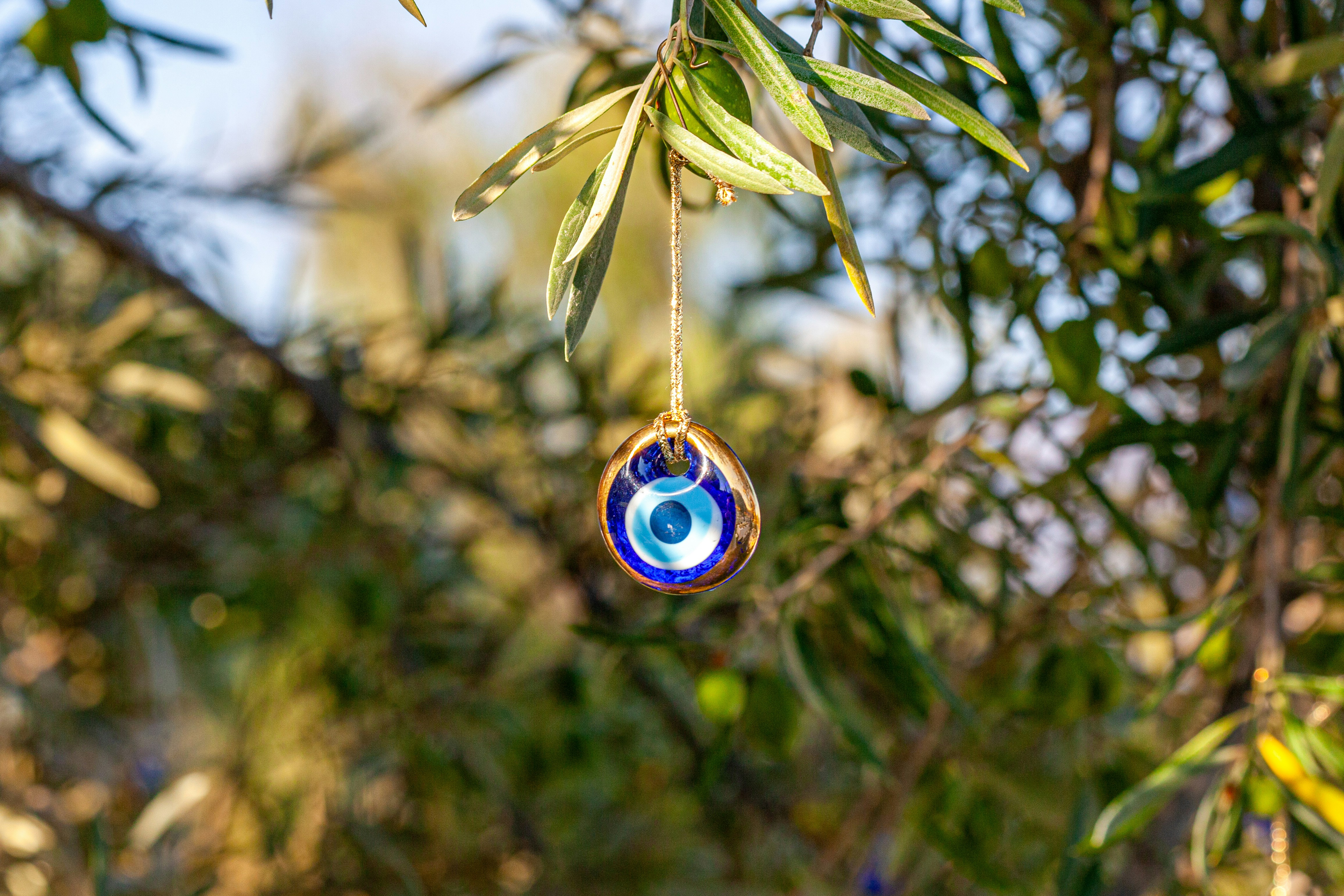
The nazar typically takes the form of a blue-and-white eye-like ornament, often crafted from glass, ceramic, or metal. This distinct design is immediately recognizable and serves a dual purpose: it acts as a protective charm while also embodying cultural artistry. Its presence can be seen in various forms, including jewelry, decorative household items, and religious edifices. The nazar is more than just a physical object; it symbolizes the enduring human desire for protection against malevolent forces.
The nazar amulet, often recognized for its distinctive design, typically features an eye motif that is central to its symbolism. This eye is predominantly rendered in vibrant shades of blue and white, which play crucial roles in the overall aesthetic and meaning of the amulet. The blue represents the sky and water, elements deeply ingrained in many cultures as sources of life and purity. Meanwhile, the white enhances the sense of clarity and peace, further accentuating the protective qualities attributed to the nazar.
In its classic form, the nazar consists of a circular shape with a concentric design, where the outer circle may contain various hues of blue, ranging from deep navy to lighter shades. The inner eye often features a stark white center, surrounded by a black pupil or an additional blue rim. This striking contrast not only captures attention but also serves as a visual deterrent against the evil eye—a malevolent glare believed to cause misfortune.
Moreover, variations of the nazar can be found across different cultures and regions. Some variations may incorporate additional colors, such as green or gold, which may signify prosperity and good fortune, thereby enriching the protection offered. The presence of these diverse elements illustrates how the nazar adapts to the beliefs and traditions of various communities while maintaining its fundamental purpose.
The combination of colors—blue and white—along with the prevalent eye design, underscores the ethereal and protective nature of the nazar. These colors not only render it visually appealing but also imbue it with the culturally assigned roles of safeguarding against negativity and malevolent forces. Thus, the physical appearance of the nazar is not merely decorative; it encapsulates profound cultural significance intertwined with the amulet’s role as a protector from harmful energies.
Symbolic Meaning Behind Nazar
The nazar, often represented as a blue eye, carries profound symbolic meaning across various cultures. Primarily recognized as a talisman for protection, it embodies the belief in safeguarding the wearer from the malevolent gaze of others. The concept of the “evil eye” suggests that envy or ill will can manifest harm or misfortune, making the nazar a critical component in counteracting these negative forces.
This iconic symbol not only signifies protection but also serves as a beacon of good luck. In many traditions, it is believed that one who wears or displays the nazar can invite auspicious energies and experiences into their life while simultaneously repelling any harmful intentions directed towards them. The blue coloration is particularly significant, as it is often associated with calming properties, representing serenity and security.
The cultural significance of the nazar extends beyond mere superstition; it is deeply rooted in rituals and customs. For instance, in countries like Turkey, Greece, and the Middle East, the nazar is extensively used in jewelry, home decor, and even architecture. It reflects the collective desire for harmony and protection in societies where the belief in the unseen influences daily life. Additionally, some cultures observe specific practices, such as the placement of a nazar in new homes or as a gift during significant life events, underscoring its role in promoting safety and well-being.
In summary, the nazar encapsulates a rich tapestry of meanings revolving around protection from envy, the invocation of good fortune, and a universal hope for safety. It serves not only as a personal safeguard but also as a cultural touchstone that resonates with the intrinsic human desire for security and positivity.
Cultural Variations of Nazar
The nazar, commonly recognized as an amulet designed to ward off the “evil eye,” features prominently in various cultures, each displaying unique interpretations and applications of this protective symbol. In Turkey, the nazar is often depicted as a blue and white eye-shaped bead. Here, it is adorned in homes, public spaces, and even incorporated into jewelry. It is a common practice for individuals to wear or display these symbols to shield themselves and their loved ones from malevolent gazes. Turkish culture places significant emphasis on its protective qualities, often accompanied by specific rituals intended to enhance its effectiveness.
Moving westward to Greece, the nazar takes on a slightly different form known as the “mati.” Similar in design, the mati often features intricate designs within the eye shape. Greek folklore attributes powerful properties to the mati, believing it not only deflects harm but also brings good luck and prosperity. It is customary for Greeks to give a mati as a gift during celebrations or moments of significant life changes, further solidifying its presence in cultural practices.
In Egypt, the nazar is embraced with distinct cultural significance, often represented in the form of the “eye of Horus,” a symbol associated with protection, healing, and restoration. Egyptians traditionally utilize this symbol within their homes and among their community to invoke divine protection. The ancient legends surrounding the eye of Horus contribute to a rich tapestry of beliefs about safeguarding against malevolent forces.
In India, similar concepts resonate through the use of the nazar as a protective talisman, often referred to as “nazar battu.” The designs vary widely, from simple red and black threads to elaborate sculptures. Indian families often hang these protective items near the entrance of their homes, as they believe it prevents negative energies from entering their spaces. Local legends about nazar battu often involve tales of individuals overcoming hardships due to the protective qualities of these charms.
The Role of Nazar in Everyday Life
The nazar, often recognized by its distinctive blue and white eye-like design, plays a significant role not only in cultural symbolism but also in the daily practices of many societies. This iconic talisman is believed to offer protection against the evil eye, a malevolent glare that is thought to bring misfortune. As such, the presence of the nazar has permeated various aspects of life, from jewelry to home decor.
In jewelry, the nazar is commonly incorporated into necklaces, bracelets, and earrings, serving both as a fashionable accessory and a protective charm. Many individuals opt to wear nazar jewelry as a personal safeguard, drawing on its reputed power to repel negative energy. Designers have embraced this traditional symbol, creating contemporary pieces that appeal to a broader audience, ensuring its relevance in modern fashion.
Moreover, the nazar can be found in artworks and decorations within homes. It is frequently featured in wall hangings or as part of ceramic designs, enhancing both aesthetic appeal and spiritual protection. Homeowners often display nazar motifs in key areas, such as entryways or living rooms, as a means to ward off ill will and invite positive energy into their spaces. This practice showcases the blending of cultural significance with the appeal of decorative art.
Additionally, nazar symbols are seen in public spaces, such as street signs and murals, representing not only a protective charm but also a cultural identity. This visibility reinforces community bonds, allowing people to connect through shared beliefs. By carrying or displaying the nazar, individuals adopt a proactive stance toward their well-being, integrating this ancient symbol into their contemporary lives.
Nazar in Modern Pop Culture
The nazar, commonly recognized as the blue eye talisman, has experienced a substantial resurgence in modern pop culture, transforming from a traditional symbol of protection against the evil eye into a prominent fashion statement. This cultural shift can be attributed to various factors, including an increased global awareness of diverse cultural symbols and their meanings, as well as an inclination towards incorporating traditional motifs into contemporary design.
In fashion, the nazar emblem has found its way into the collections of numerous designers and brands. From clothing to accessories, the nazar has been utilized to evoke both cultural heritage and a sense of style. Jewelry adorned with nazar motifs—such as necklaces, bracelets, and earrings—has become particularly fashionable. These pieces not only serve as an aesthetic complement but also embody the charm of protective symbolism. Many consumers choose to wear the nazar as a means of expressing their appreciation for its cultural significance, blending tradition with modernity.
Additionally, the rise of social media platforms has greatly facilitated the spread of nazar imagery, further embedding it into the fabric of contemporary culture. Influencers and celebrities showcase the nazar in various forms, contributing to its popularity across fashion trends. These platforms have enabled a wider audience to engage with the nazar, either as a protective amulet or simply as a trendy piece of art. Artists and designers alike have interpreted the nazar in countless ways, ensuring that this symbol continues to evolve while retaining its core significance.
However, as its popularity soars, it is crucial to recognize the balance between embracing the aesthetic appeal of the nazar and respecting its inherent cultural roots. The fusion of tradition and modern interpretation represents a unique aspect of contemporary pop culture, highlighting how ancient symbols can find new meaning in today’s society.
Rituals Associated with Nazar
The nazar, commonly recognized as a protective talisman against the evil eye, is deeply ingrained in the cultural practices of various societies. Its presence and significance can be observed in numerous rituals that span significant life events, such as weddings, childbirth, and the blessing of new homes. These rituals aim to invoke protection and bestow blessings on individuals and their families.
During weddings, the nazar plays a pivotal role in safeguarding the couple from negative energies that may arise from envy or malice. Traditionally, the bride and groom may wear or carry a nazar amulet, and family members might also display nazar symbols in the vicinity of the wedding venue. This practice is believed to ensure that the union is blessed and that the couple embarks on their marital journey free from malevolent influences.
Similarly, childbirth is another critical occasion where the nazar is prominently featured. New parents often hang a nazar in the child’s nursery or attach it to their cradle, emphasizing the necessity of shielding the newborn from any potential harm. In many cultures, it is customary for relatives and friends to offer nazar charms as gifts to ensure that the child grows up healthy and protected from misfortune.
When it comes to moving into a new home, many families perform rituals that incorporate the nazar. It is not unusual for homeowners to place nazar symbols at entry points or throughout the house to deter negativity and invite positivity into their new living space. Some may conduct a small blessing ceremony, inviting friends and family to participate while collectively affirming their hopes for prosperity and safety in their new environment.
Overall, rituals involving the nazar are indicative of a broader cultural recognition of the need for spiritual protection and the fostering of positive energies in clouded and uncertain realms of life.
Scientific Perspective: Is Evil Eye Real?
The concept of the evil eye, often symbolized by the nazar, is entrenched in numerous cultures around the globe. From a scientific standpoint, the belief in the evil eye can be interpreted through both psychological phenomena and sociological frameworks. Individuals frequently associate the nazar with misfortunes, such as accidents, illness, or failure. This leads to the question: is the evil eye a real force or merely a psychological construct?
Psychologists highlight the power of negative beliefs and their potential impact on mental well-being. When individuals subscribe to the idea that they are vulnerable to the influences of the evil eye, they may become hyper-aware of any misfortunes that befall them. This phenomenon aligns with the concept of confirmation bias, where individuals tend to notice events that validate their beliefs while ignoring occurrences that contradict them. The nazar thus becomes a focal point for anxiety and stress, leading to a vicious cycle of feeling cursed.
Sociologists offer additional insight by explaining how cultural beliefs shape social interactions and community bonding. In societies where the belief in the evil eye prevails, individuals often rely on collective rituals, such as wearing protective charms, to address misfortunes. These practices can foster a sense of belonging and social cohesion, as community members unite in their shared beliefs. Moreover, recognizing how these beliefs operate in groups assists in understanding their psychological effects.
Furthermore, the placebo effect may play a role in how people perceive the evil eye. When individuals engage in protective rituals or wear symbolic amulets, they may experience a reduction in anxiety related to perceived threats. This alleviation of stress can enhance their overall outlook on life, subsequently affecting their responses to challenges. Therefore, the evil eye, while not scientifically proven to hold any supernatural power, illustrates how cultural beliefs can profoundly impact mental health and societal dynamics.
How to Incorporate Nazar into Your Life
Incorporating the nazar symbol into your daily life can serve as a protective talisman against negative energies and bring good fortune. The nazar, traditionally displayed as a blue eye, is believed to ward off the “evil eye” and attract positive outcomes. There are several practical ways to utilize this powerful symbol effectively.
First, when selecting a nazar amulet, consider its size and style to match your personal taste or aesthetic. Nazar symbols are available in various forms, including jewelry, wall hangings, and keychains. Choose a piece that resonates with you, as personal attachment can enhance its protective qualities. Jewelry, such as bracelets or necklaces, offers a means to keep the nazar close to your body, while larger wall displays can be showcased in your home.
Placement of the nazar within your living space also plays a crucial role in maximizing its benefits. The most common practice is to hang the nazar near entry points, such as doors or windows, to prevent harmful energies from entering your home. In addition, placing the nazar in high-traffic areas or common rooms can help diffuse negativity and create a positive atmosphere. Consider positioning it at eye level for better visibility and awareness.
Additionally, integrating the nazar into your daily routine can further amplify its protective attributes. You may begin your day by touching or acknowledging your nazar amulet, setting a positive intention for the hours ahead. Incorporate affirmations or visualizations related to protection and abundance while focusing on the symbol. This practice can reinforce its significance and influence your mindset.
By thoughtfully selecting your nazar amulet, strategically placing it in your home, and integrating its symbolism into your daily activities, you can cultivate a protective environment that fosters well-being and brings good fortune.
Leave a Reply