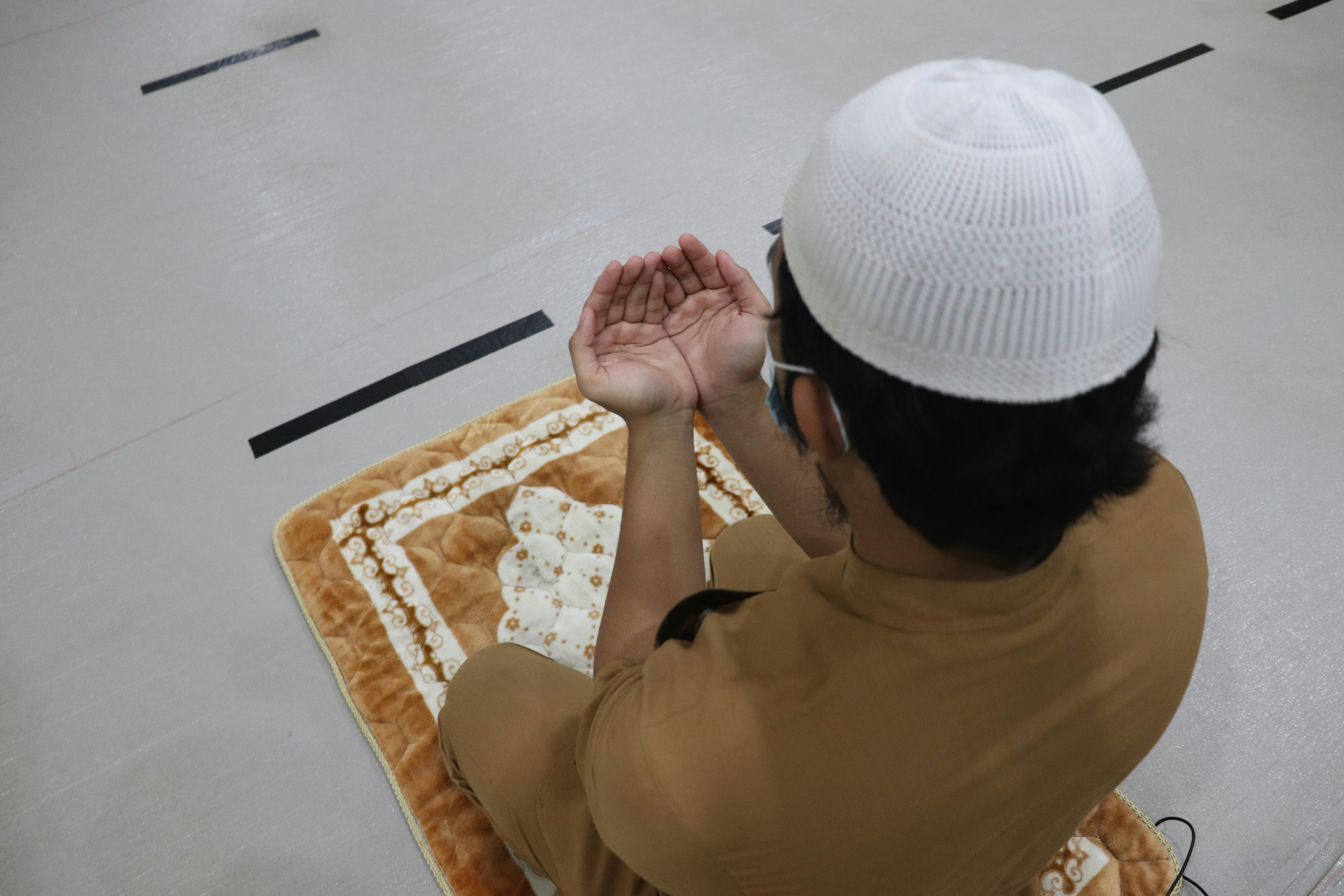
Introduction to Dua
Dua, in the context of Islamic practice, is defined as a personal supplication to Allah, representing a profound act of devotion and spiritual connection. It plays a pivotal role in the lives of Muslims worldwide, enabling them to communicate directly with their Creator. Through dua, individuals engage in a form of prayer that transcends the structured services of worship, allowing for personal expression and heartfelt requests.
The significance of dua is multifaceted; it serves as a medium for guidance, support, and mercy. Muslims believe that supplications are not merely ritualistic actions, but sincere soliloquies where they articulate their innermost feelings and thoughts. In times of distress, for example, one may turn to dua as a source of comfort and hope, seeking divine intervention or solace in challenging circumstances. This aspect emphasizes the intimate relationship between the supplicant and Allah, as dua promotes reliance on divine wisdom and benevolence.
Dua is particularly important in daily life, given its potential to enhance spiritual well-being and facilitate a deeper connection with faith. It invites believers to reflect on their desires, aspirations, and regrets, promoting a sense of self-awareness and humility. Furthermore, dua encourages individuals to express gratitude for their blessings and seek forgiveness for their shortcomings. The act of supplication thus becomes an essential tool for personal growth, fostering a sense of peace and inner strength.
In essence, the practice of dua embodies a fundamental aspect of Islamic spirituality, bridging the gap between the mundane and the sacred. It highlights the necessity of turning towards Allah in both moments of joy and adversity, reinforcing the belief that He is the ultimate provider of guidance and support in life’s journey.
The Concept of Power in Dua
The effectiveness of a dua, or supplication, within Islamic tradition can be attributed to several pivotal elements. Among these, the concept of intention, or niyyah, is paramount. The sincerity behind the supplicant’s desires directly influences the response from Allah. A dua offered with genuine intent is more likely to resonate, as it reflects the true state of the individual’s heart. Therefore, one’s focus and clarity of purpose when making a dua can significantly enhance its power.
Another crucial element is sincerity. The act of engaging in dua should emanate from a place of authenticity and faith. Sincere supplications arise when the believer acknowledges their dependence on Allah’s mercy and power. This recognition fosters a deeper connection, enhancing the dua and making it more likely to be accepted. Thus, cultivating sincerity in one’s heart is essential for effective supplication.
Moreover, the timing of a prayer can also influence its potency. Certain moments during the day and evening, such as the last third of the night, hold a special significance for supplications. Engaging in dua during these blessed intervals is believed to amplify its power, as these moments are seen as opportunities for a more profound connection with the divine.
Ultimately, the belief in Allah’s omnipotence and mercy serves as a fundamental pillar supporting the practice of dua. Recognizing that Allah possesses infinite power allows believers to approach their supplications with hope and certainty. When undertaking dua, understanding these aspects—intention, sincerity, timing, and faith—plays an integral role in its effectiveness, reinforcing the belief that all supplications are heard and have the potential to invoke divine intervention.
Examples of Powerful Duas from the Quran
The Quran is rich with powerful duas that serve as a source of guidance and strength for believers. These supplications cover a myriad of needs, from personal struggles to community concerns. One remarkable example is found in Surah Al-Baqarah (2:286), which states, “Allah does not burden a soul beyond that it can bear.” This verse reassures individuals that they are equipped to handle their challenges, encouraging them to turn to Allah in times of struggle.
Another significant dua is located in Surah Al-Fatiha (1:5), where believers proclaim, “It is You we worship, and You we ask for help.” This supplication encapsulates the essence of servitude and reliance on God. When recited in daily prayers, it reinforces faith and acts as a reminder of the importance of seeking divine assistance in all matters, leading to inner peace and resilience.
Additionally, Surah Al-Anfal (8:28) articulates a poignant dua: “And know that your properties and your children are but a trial and that Allah has more than willing reward in His presence.” This supplication encourages believers to view their worldly possessions and relationships as tests from Allah, reinforcing the idea that true prosperity lies in spiritual growth and adherence to faith. Igniting a deeper connection with these powerful duas encourages believers to reflect on their purpose and relationship with the Creator.
Lastly, Surah Ghafir (40:60) presents a profound promise: “And your Lord says, ‘Invoke Me, I will respond to you.’” This verse highlights the significance of dua and the assurance that sincere supplications will be met with divine response. Reflecting on these powerful examples allows believers to appreciate the myriad ways in which the Quran guides them through life’s challenges, enhancing their spiritual journey.
The Impact of Prophetic Duas
The duas made by the Prophet Muhammad (peace be upon him) hold a significant place in the hearts of believers. These supplications are not only revered as deeply meaningful but are also viewed as a source of guidance and inspiration for Muslims around the world. The power of these prophetic duas lies in their profound impact on both an individual’s spiritual journey and communal well-being.
Several ahadith recount the various duas made by the Prophet, which reflect his connection with Allah and his concern for the welfare of his followers. For instance, the dua for seeking protection and guidance often recited during times of hardship is a testament to his unwavering reliance on God. These supplications serve as an anchor, reinforcing the belief that God is always present and responsive to the needs of His creation.
The historical context of these duas further illustrates their significance. During the life of the Prophet Muhammad, various challenges arose, including social injustices and personal trials. In these moments, the Prophet’s supplications emphasized the importance of patience, faith, and trust in Allah’s wisdom. Each dua he made embodies the essence of faith—a sincere plea for divine assistance, mercy, and intervention.
Furthermore, the enduring relevance of these prophetic duas is evident in contemporary Islamic practices. Many Muslims continue to recite these supplications, not only seeking to emulate the behavior of the Prophet but also as a means to cultivate a deeper relationship with Allah. The elements of humility and sincerity in these prayers resonate with believers, reinforcing the notion that turning to Allah in supplication is a powerful act of worship.
The lessons drawn from the prophetic duas underscore the significance of supplication in one’s spiritual life and the collective ethos of the Muslim community. By reflecting on these powerful supplications, individuals can gain insights into fostering a closer connection with God and embrace a mindset of gratitude and hope.
Duas for Specific Situations
Dua, or supplication, plays a crucial role in a believer’s life, as it provides a means to communicate with Allah, seeking guidance, assistance, and relief in difficult times. There are numerous duas that can be recited for various specific situations, each carrying great significance and power.
When facing hardships or difficulties, one of the most effective supplications is the Dua of Prophet Yunus (Jonah) which he offered while in the belly of the whale: “La ilaha illa Anta, Subhanaka, inni kuntu minaz-zalimeen”. This translates to “There is no deity except You; exalted are You. Indeed, I have been of the wrongdoers.” This dua is a profound expression of repentance and humility, and it serves as a powerful means of seeking Allah’s mercy and guidance during trying times.
For those seeking health, the dua for healing is highly recommended. It is the supplication from the Quran, “Rabbi inni as’aluka shifa’a”, which means “O My Lord, I ask You for healing.” Reciting this dua with sincerity can invoke Allah’s help in overcoming illness and is a reminder of the importance of placing trust in divine wisdom regarding health and well-being.
When one is in need of prosperity or financial stability, the dua of Prophet Musa (Moses) is particularly powerful. This call for assistance can be encapsulated in the phrase, “Rabbi inni limaa anzalta ilayya min khayrin faqir”, which means “O my Lord, indeed I am in need of whatever good You would send down to me.” This supplication encourages reliance on Allah as the ultimate provider of sustenance and prosperity.
Lastly, for relief from distress, the dua of Prophet Ayyub (Job) is significant. His prayer, “Anni massani a-dhurru wa Anta arhamur rahimeen”, meaning “Indeed, adversity has touched me, and You are the most merciful of the merciful,” is a powerful reminder of Allah’s compassion and mercy in times of trouble. Through these specific duas, believers can find comfort and solace, fostering a deeper connection with their faith.
Enhancing Your Dua
To make your dua more powerful, it is essential to consider several factors that can significantly impact your supplications. The first of these is ensuring that you are in a state of purity, which involves performing wudu before you begin your prayers. Purity not only prepares the soul for communication with the Divine but also creates a mindful environment that encourages sincere supplication.
Timing also plays a crucial role in enhancing the effectiveness of your dua. There are specific moments throughout the day when supplications are more likely to be accepted, such as during the last third of the night, between the adhan and iqamah, or on Fridays. By being conscious of when you make your dua, you can increase the likelihood of your requests being granted.
Being specific in your requests is another fundamental aspect of a powerful dua. When you articulate your needs clearly, whether they relate to personal desires or broader aspirations, it allows for a deeper connection with God. Rather than making vague requests, focus on particularities, such as asking for guidance in a challenging situation or healing for a loved one. This specificity not only emphasizes your intentions but also fosters a greater sense of accountability.
Moreover, incorporating a sense of gratitude into your dua transforms the experience into a more meaningful exchange. Acknowledging past blessings reinforces faith and opens the heart to receiving even more. Patience is equally vital, as reliance on divine timing can be challenging. Trusting the process and maintaining a steadfast spirit will amplify your dua’s power, as it reflects your unwavering faith in the outcome.
Real-Life Stories of Dua Being Answered
The profound impact of dua, or supplication, is evident through the heartfelt stories of individuals who have witnessed the transformation it can incite in their lives. These inspiring anecdotes serve as compelling evidence of the power that sincere prayer holds, particularly when one approaches it with unwavering faith.
One notable account is that of Ayesha, a young woman who faced insurmountable obstacles during her attempts to secure a stable job in a competitive market. Frustrated by rejection, she turned to dua with renewed vigor, seeking guidance and support. Ayesha dedicated specific times each day to reflect and pray earnestly, asking for both clarity and opportunity. Miraculously, shortly after she began this practice, she received an unexpected call for a job interview at a company she had long admired. Ayesha attributes her success not only to her qualifications but also to the power of her supplication, which she believes aligned her intentions with a higher purpose.
Another compelling story comes from Malik, a man who was grappling with health issues that seemed to impede his daily life. After a long period of uncertainty and numerous consultations with healthcare professionals, he turned towards dua, seeking physical and spiritual healing. He committed to nightly prayers, calling upon Allah for relief and strength. During this period, Malik experienced a sense of peace that transcended his physical discomfort. To his astonishment, after visiting a specialist, he learned that the treatment he needed would be effective in alleviating his condition. Malik feels deeply that the connection forged through his dua played an integral role in his healing journey.
These real-life examples reflect the transformative effects of sincere supplication, highlighting how faith in dua can create ripples of change in various facets of life, whether it be employment or health. Through these narratives, it becomes evident that the practice of prayer can serve as a powerful catalyst for positive outcomes, demonstrating the deep bond between the believer and the divine.
Common Misconceptions about Dua
Dua, or supplication, holds a significant place in the hearts of believers, yet there are several misconceptions that can cloud understanding and practice. One prevalent misconception is related to the timing of dua. Many individuals believe that dua must be recited during specific times, such as during prayer or on Fridays. However, in reality, dua can be made at any moment, allowing for a continuous dialogue with Allah. The versatility of dua is one of its strengths, as it enables individuals to turn to their Creator at times of joy, sorrow, or uncertainty.
Another common misunderstanding pertains to the frequency of dua. Some may presume that making dua once is sufficient and that persistence is unnecessary. Yet, Islamic teachings emphasize the importance of consistency in supplication. The act of repeatedly seeking Allah’s assistance can cultivate patience and deepen one’s faith. It reflects a commitment to spiritual growth and reliance on divine wisdom, illustrating that patience is often part of the dua process.
People also harbor various expectations regarding the outcomes of their dua. It is a misconception to think that every supplication will lead to an immediate or specific response. Allah’s wisdom governs the timing and nature of the responses to dua, which may not always align with human expectations. Sometimes the answer might be delayed, granted in a different form, or even withheld for reasons beyond human comprehension. This highlights the necessity of trust in Allah’s plan. Understanding that dua is a means of connection, rather than merely a transactional request, enhances one’s relationship with the divine, fostering a stronger sense of peace and reliance.
Conclusion: Embracing the Power of Dua
In the fast-paced world we live in, where challenges abound and uncertainties loom, the power of dua stands as a profound source of comfort and solace. Throughout this blog post, we have explored various dimensions of dua, highlighting its significance as not merely a ritual but a deeply personal supplication to Allah. Engaging in dua allows individuals to express their innermost thoughts, hopes, and fears, bridging a connection with the Divine that is both intimate and powerful.
As we reflect on the various supplications detailed in this post, it is evident that dua serves multiple purposes. From seeking guidance in times of hardship to expressing gratitude during moments of joy, the act of supplicating holds immense potential to transform one’s spiritual journey. By regularly integrating dua into daily routines, individuals can cultivate a mindful practice that enhances their faith. This practice can lead to a more profound understanding of oneself and an enriched relationship with Allah.
Moreover, it is important to remember that the efficacy of dua is not solely determined by its utterance but by the sincerity and intention behind it. As such, embracing the power of dua involves being present in the moment, focusing our hearts and minds on our supplications, and maintaining hope in Allah’s mercy and wisdom. Through this commitment, believers can navigate life’s challenges with resilience and maintain a sense of inner peace.
In conclusion, the power of dua provides a unique opportunity to explore personal spirituality and reaffirm one’s faith. It encourages individuals to seek strength, healing, and reassurance in their everyday lives. By making dua a consistent part of our routine, we invite the blessings of Allah into our lives, fostering a spirit of gratitude and connection that uplifts the soul.
Leave a Reply