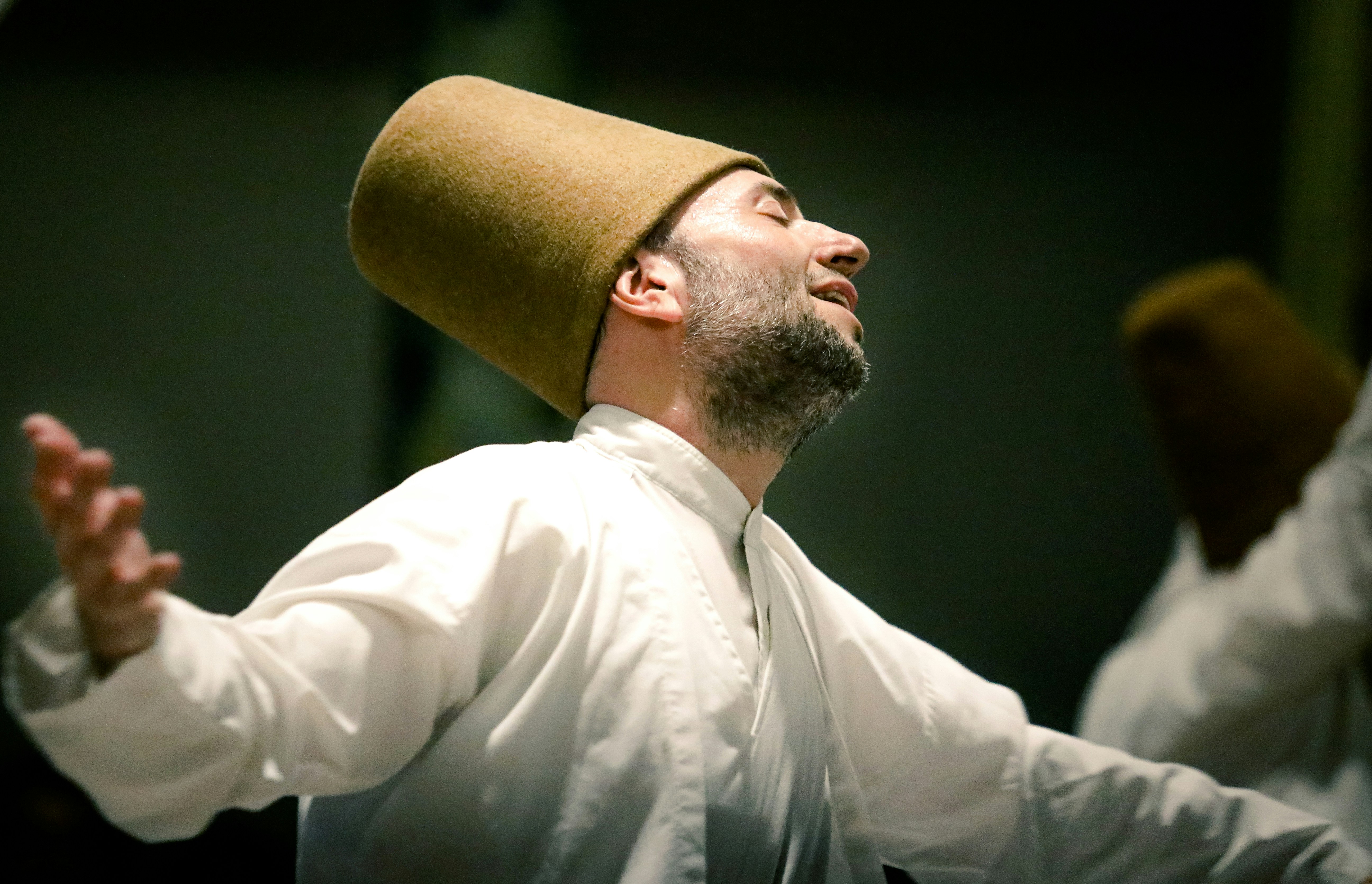
Introduction to Spiritual Healing
Spiritual healing is a holistic approach that seeks to address the mind, body, and spirit of an individual. Its primary aim is to restore harmony and balance within a person, facilitating emotional, physical, and spiritual well-being. The practice draws upon a range of techniques, often incorporating elements such as meditation, energy therapy, and guided imagery. These methods work together to promote self-awareness and healing from within.
The roots of spiritual healing can be traced back thousands of years, spanning various cultures and religious traditions. Ancient civilizations, including the Egyptians and the Indigenous peoples of North America, practiced forms of spiritual healing. They understood the significance of spirituality in health and used rituals, prayers, and natural remedies to foster healing. Over time, these practices evolved, integrating wisdom from different healing traditions, including Eastern philosophies like Ayurveda and Traditional Chinese Medicine.
In recent years, spiritual healing has gained traction as part of the larger wellness movement, particularly in Western cultures. This shift is reflective of a growing recognition of the importance of spiritual health, alongside physical and mental wellness. More individuals are seeking alternative and complementary therapies that address their personal spiritual journeys. As a result, spiritual healers have become increasingly relevant in wellness communities, providing guidance and support for those navigating their paths toward increased self-awareness and healing.
Understanding the role of a spiritual healer is essential to grasp the full impact of spiritual healing. These practitioners utilize their abilities to connect with higher consciousness or energies, fostering an environment conducive to healing and transformation. By examining the history and ongoing evolution of spiritual healing, individuals can appreciate its potential benefits and discover how it may complement their own healing journeys.
Defining a Spiritual Healer
A spiritual healer is an individual who specializes in restoring balance to the mind, body, and spirit through various holistic practices. These practitioners often possess a deep understanding of the interconnectedness of emotional, physical, and spiritual health. Their primary focus is to facilitate healing by helping individuals uncover and address deep-seated emotional or spiritual issues that may manifest in physical ailments or mental stress.
Spiritual healers often demonstrate a range of characteristics, including empathic listening, intuitive perception, and a commitment to the well-being of their clients. They cultivate a safe and sacred environment, allowing individuals to explore their inner selves freely. The skills of a spiritual healer may vary widely, with some specializing in techniques such as meditation, guided imagery, or visualization to promote healing. Others may utilize practices such as Reiki, which involves the transfer of energy through gentle touch, or shamanic healing, which connects individuals with spiritual guides for insights and resolutions.
There are several types of spiritual healers, each employing unique methodologies. For instance, Reiki practitioners harness universal life force energy to influence physical and emotional healing. Shamans often engage in rituals that involve drumming, chanting, or journeying to other realms to obtain guidance or healing on behalf of their clients. Energy workers may focus on moving and balancing energy within the body to facilitate healing. Regardless of their approach, the goal of a spiritual healer remains consistent: to aid individuals in achieving holistic well-being by addressing spiritual discord and aligning their energies.
The Purpose of Spiritual Healing
Spiritual healing serves multiple purposes, fundamentally aimed at enhancing an individual’s overall well-being. This form of healing emphasizes harmony among emotional, physical, and spiritual dimensions, recognizing the interconnectedness of these aspects in promoting a healthier lifestyle. At its core, the objective of spiritual healing is to alleviate pain, reduce anxiety, and manage stress, allowing individuals to find a sense of peace and balance in their lives.
Spiritual healers employ diverse techniques to achieve these goals, drawing on methods that may include energy work, meditation, and guided visualization. By focusing on the root causes of distress, spiritual healing fosters self-awareness, enabling individuals to confront and release negative emotions. This process often leads to significant improvements in emotional health, as individuals learn to cope more effectively with life’s challenges.
Moreover, spiritual healing can also have remarkable effects on physical health. By addressing emotional and spiritual blockages, individuals frequently report reductions in symptoms of various ailments, which highlights the significance of holistic approaches in healthcare. The healing process encourages individuals to engage actively in their healing journeys, cultivating a sense of empowerment and resilience.
Another vital aspect of spiritual healing is its impact on spiritual well-being. Spiritual healers facilitate a deeper connection to oneself and the universe, helping individuals rediscover their purpose and align with their authentic selves. This renewed sense of connection promotes inner peace and fulfillment, vital elements in the journey towards holistic health.
Common Techniques Used by Spiritual Healers
Spiritual healers employ a variety of techniques aimed at promoting physical, emotional, and spiritual well-being. Among the most widely recognized methods are meditation, energy manipulation, chakra balancing, and sound healing. Each of these practices serves a distinct purpose, tailored to meet the individual needs of the person seeking healing.
Meditation is a foundational technique in spiritual healing. It involves focusing the mind and eliminating distractions to achieve a heightened state of awareness and inner peace. Through regular practice, individuals often report lower stress levels, improved concentration, and deeper connection to their spiritual selves. Meditation can vary in style, from mindfulness and transcendental meditation to guided visualizations, each offering specific benefits.
Energy manipulation is another essential technique used by spiritual healers. It is based on the belief that all living beings possess an energy field that can be influenced for healing purposes. Practitioners often utilize tools such as crystals or their own hands to channel energy into the body, removing blockages and restoring harmony. This technique can help alleviate physical ailments and promote emotional healing by balancing the body’s energy centers.
Chakra balancing focuses on the energy centers within the body, known as chakras. Spiritual healers assess which chakras may be out of balance and employ various methods—such as breathwork, visualization, or essential oils—to restore equilibrium. By addressing imbalances within the chakras, individuals may experience increased vitality and emotional stability.
Finally, sound healing utilizes vibrations from instruments such as singing bowls, tuning forks, or even the human voice to promote healing. The vibrations created during these sessions can shift one’s energy field, fostering relaxation and emotional release. This technique often helps individuals reconnect with their inner selves while facilitating a sense of peace.
The Benefits of Spiritual Healing
Spiritual healing encompasses a broad range of practices designed to foster emotional and physical well-being by connecting individuals with their inner selves and the universe. One notable benefit of spiritual healing is enhanced emotional health. Many individuals report feelings of peace, clarity, and reduced anxiety after engaging in spiritual practices such as meditation, energy healing, and guided visualization. These techniques aim to clear emotional blockages and promote a sense of balance, contributing to improved emotional stability.
Furthermore, spiritual healing can lead to better physical health outcomes. Numerous testimonials highlight cases where individuals have experienced significant improvements in chronic conditions after undergoing spiritual healing sessions. For instance, some patients report reductions in pain and increased mobility, attributing these changes to the energetic shifts that occur during the healing process. While spiritual healing should not replace conventional medical treatments, it can serve as a complementary approach, especially for those seeking holistic health solutions.
Increased spiritual awareness is another vital benefit of engaging in spiritual healing. Practitioners often describe a deepened connection to their own spirituality, leading to greater self-awareness and insight. This enhanced awareness can manifest in more meaningful relationships and a greater sense of purpose in life. Case studies indicate that individuals who participate in regular spiritual healing practices typically experience transformative shifts in their perspective, enabling them to approach life with a renewed sense of optimism and motivation.
Overall, the benefits of spiritual healing are multifaceted, impacting emotional, physical, and spiritual dimensions of an individual’s life. Embracing these practices can lead to holistic improvements, allowing individuals to achieve a more balanced and fulfilling existence.
The Relationship Between Spiritual Healers and Their Clients
The relationship between spiritual healers and their clients is a fundamental aspect of the healing process. This dynamic is characterized by a strong foundation of trust, empathy, and effective communication. Clients seek spiritual healing often during times of distress or confusion, making it crucial for the healer to create a safe and welcoming environment. Trust allows clients to openly share their concerns, fears, and experiences, fostering an atmosphere where genuine healing can occur.
Empathy plays a significant role in the relationship. Spiritual healers must possess the ability to understand their clients’ emotional and spiritual states deeply. By demonstrating compassion, healers can connect with their clients on a personal level, making them feel valued and understood. This emotional connection not only facilitates the healing process but also encourages clients to explore their inner selves, allowing them to uncover issues that may be the source of their challenges.
Moreover, communication is vital in establishing this relationship. Healers must actively listen to their clients’ narratives to accurately assess their needs. Through dialogue, healers can gather essential insights into a client’s past experiences and current struggles. Many spiritual healers utilize various assessment techniques, such as guided questioning or intuitive insights, to determine the most appropriate approach for healing. By aligning their methods with the clients’ unique situations, healers can tailor their interventions to meet individual needs effectively.
Ultimately, the interplay between trust, empathy, and communication defines the relationship between spiritual healers and their clients. As this relationship develops, it can lead to profound transformations, allowing individuals to navigate their spiritual journeys with greater clarity and purpose. Through an understanding of their clients’ needs, spiritual healers can facilitate healing that resonates on multiple levels, empowering clients to embrace their unique paths.
Choosing the Right Spiritual Healer
Finding the right spiritual healer is a significant step towards personal growth and healing, and it requires thoughtful consideration. To start, research is crucial. Look for healers with positive reviews or testimonials from previous clients, as this can provide insight into their effectiveness and approach. Engaging with community groups or online forums can also guide you toward reputable practitioners who have established a good reputation in the field of spiritual healing.
Once you shortlist potential healers, prepare a set of questions to better understand their methods and philosophies. Inquire about their credentials and experience, as not all spiritual healers have formal training—many rely on innate gifts or experiences. Understanding the techniques they utilize, such as energy healing, chakra balancing, or meditation practices, can help determine if their methods resonate with you. Additionally, ask about their approach to confidentiality and trust. A healer should respect your privacy and create a safe space for you to share your thoughts and feelings.
Personal intuition plays a vital role in selecting a spiritual healer. After gathering information and asking the necessary questions, reflect on how you feel about each healer. This intuition often guides individuals to practitioners that align with their own spiritual needs. Pay attention to your instincts; if a particular healer resonates with you, trust that connection. Conversely, if something feels off or uncomfortable, it may be wise to continue your search.
Ultimately, selecting a spiritual healer is a personal journey that combines research, direct engagement, and intuition. Finding a healer who aligns with your values and needs can foster a profound healing experience, supporting your spiritual growth effectively.
Misconceptions About Spiritual Healing
Spiritual healing is often surrounded by various myths and misconceptions, which can lead to misunderstandings regarding its purpose and effectiveness. One of the most prevalent misconceptions is that spiritual healers possess mystical powers or abilities that can instantly cure ailments. In reality, spiritual healers facilitate a supportive environment aimed at fostering personal growth and emotional well-being, rather than providing miraculous cures.
Another common myth is that spiritual healing is solely about the mind or emotions and does not address physical health. While it is true that spiritual healing primarily focuses on the mental and emotional aspects of an individual, it can also positively impact physical well-being. Many practitioners believe that mental clarity and emotional balance can enhance overall health, showing that the mind and body are interconnected.
Additionally, some people think that spiritual healing is a one-time event that leads to permanent results. However, the healing process is often gradual and may require ongoing effort and commitment from individuals. Spiritual healing encourages self-exploration and empowers individuals to take responsibility for their own healing journey. It is essential to approach spiritual healing with realistic expectations; as it can lead to profound changes over time, the process may involve various sessions or practices.
Finally, a misconception exists that spiritual healing is a substitute for traditional medical treatments. While it can be a valuable complementary approach, it should not replace conventional medical care. Individuals experiencing health issues are encouraged to consult with healthcare professionals. Spiritual healing can be an integral part of a holistic approach, enhancing overall well-being when used in conjunction with standard medical practices.
Conclusion: Embracing Spiritual Healing
As we have explored throughout this post, spiritual healing is an intricate practice that addresses not only the physical aspects of well-being but also the emotional and spiritual dimensions of an individual. By recognizing the multifaceted nature of health, spiritual healers aim to foster a holistic approach to healing, guiding individuals toward self-discovery and personal growth. This journey toward wellness often encourages individuals to reflect on their inner selves, thus facilitating a deeper understanding of life’s challenges and opportunities.
The role of a spiritual healer is to act as a facilitator, using various techniques and tools to help individuals tap into their innate healing abilities. Whether through energy work, guided meditation, or holistic therapies, these practitioners create a supportive environment for emotional release and transformation. Embracing spiritual healing can lead to profound shifts in one’s perspective, aiding in the reduction of stress, anxiety, and other emotional burdens. This transformative process often enhances overall well-being and nurtures a healthy relationship with oneself and others.
For those contemplating the benefits of spiritual healing, it is essential to approach this path with an open mind and a willingness to explore various modalities. By doing so, individuals may discover unique methods that resonate with their personal beliefs and experiences. The positive impacts of spiritual healing are not solely limited to physical health; they extend into mental and emotional realms, fostering resilience, confidence, and a deeper sense of purpose.
In conclusion, embracing spiritual healing can be a meaningful approach for anyone seeking to improve their overall well-being. By integrating mind, body, and spirit, individuals can embark on a new journey toward a healthier and more fulfilling life.
Leave a Reply