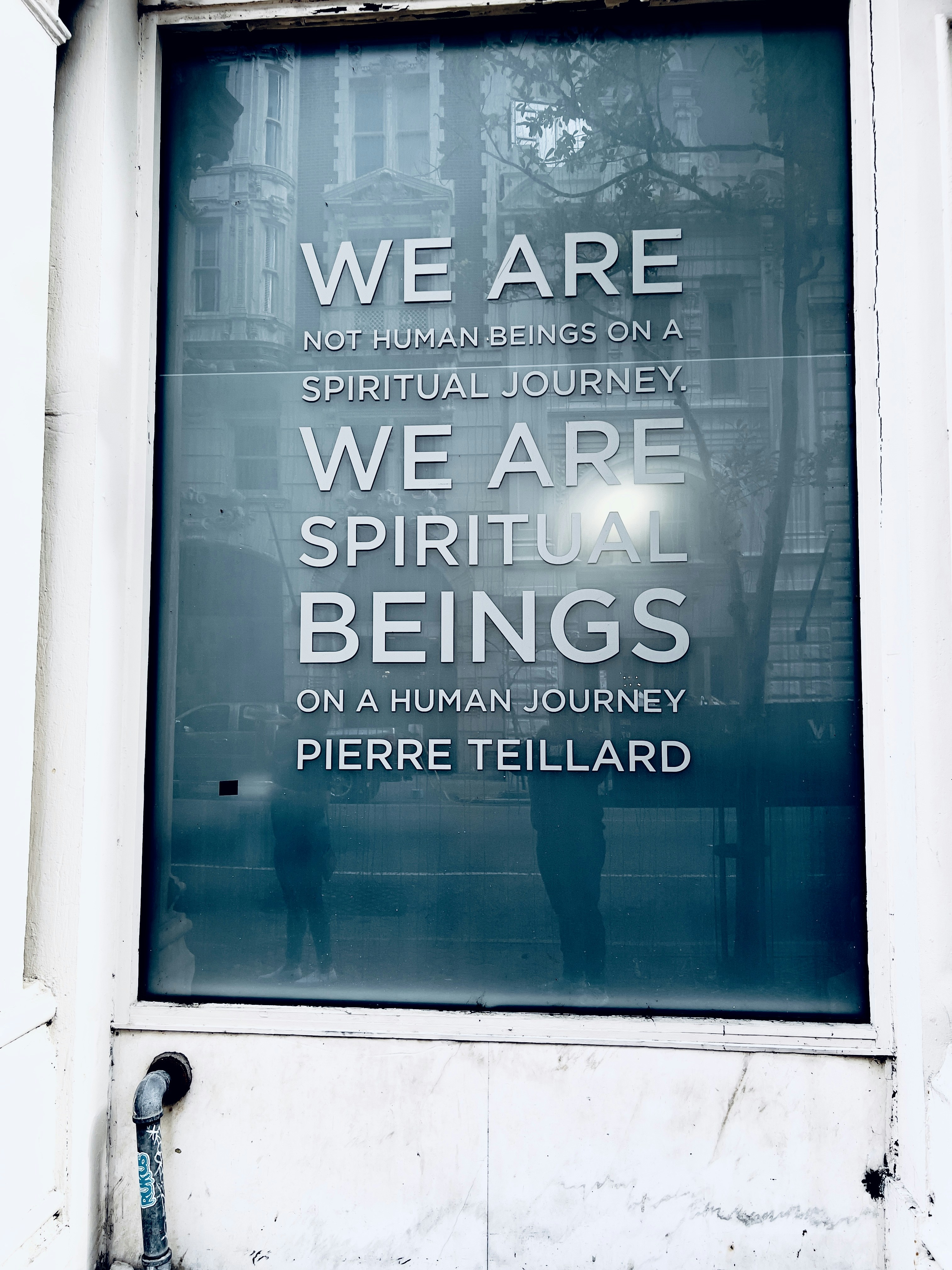
Introduction to Spiritualism
Spiritualism is a religious movement that emerged primarily in the 19th century, centering on the belief that communication with the spirits of the deceased is possible. This practice gained traction particularly in the United States and Europe due to a growing interest in the supernatural and the quest for understanding existence beyond the physical realm. The roots of Spiritualism can be traced back to the mysterious events surrounding the Fox sisters in Hydesville, New York, in 1848, which sparked a wave of interest and numerous spiritualist societies.
At its core, Spiritualism is built upon several fundamental beliefs. One of the central tenets is the notion of an afterlife where souls continue to exist and can communicate with the living. This paradigm shifts the understanding of death as merely a transition rather than an end, encouraging adherents to seek solace and guidance from those who have passed on. Spiritualists often view the universe as governed by natural laws, which includes a moral framework that individuals must navigate, thus emphasizing personal growth and self-improvement.
Practices within Spiritualism often include séances, mediumship, and trance work, where individuals purportedly connect with spirits to receive messages or insights. These gatherings can serve various purposes, from providing closure to loved ones left behind to seeking advice on personal matters. Additionally, Spiritualism promotes healing practices, which are believed to channel positive energy from the spirit world to aid in the healing of psychological, emotional, and even physical ailments.
The movement has also been associated with a broader array of social reforms, advocating for issues such as women’s rights and abolitionism, as many early Spiritualists connected their beliefs in equality and social justice to their spiritual practices. This intersection of spiritual beliefs and social consciousness has lent a unique character to Spiritualism, contributing to its rich legacy and ongoing evolution in contemporary society.
Defining God in Spiritualism
Within Spiritualism, the concept of God is multifaceted and varies significantly among practitioners. Many spiritualists perceive God not as a singular, anthropomorphic entity but rather as an all-encompassing universal spirit. This perspective suggests that God exists within all living beings and the universe itself, emphasizing a connection to the divine through nature and the cosmos. This interpretation aligns with the broader philosophical views of pantheism, where God and the universe are seen as one and the same.
Another prevalent view within Spiritualism is that of God as an abstract force, a fundamental energy that pervades the universe. This understanding of God emphasizes the interconnectedness of all existence, suggesting that individuals can tap into this divine energy through spiritual practices, meditation, and other holistic avenues. Here, God is less of a personality and more of a principle that governs the laws of nature and existence.
Conversely, some spiritualists still embrace the notion of a personal deity, akin to traditional religious beliefs. This interpretation often includes a belief in God as a guiding presence—one who is capable of individual engagement and communication with practitioners. These spiritualists may partake in prayer or rituals that invoke the presence of God, seeking guidance, support, and a personal relationship that transcends earthly challenges.
These varying interpretations of God demonstrate the diversity within Spiritualism itself. Whether viewed as an omnipresent spirit, an abstract force, or a personal deity, the understanding of God is fundamentally tied to individual beliefs and experiences. This rich tapestry of ideas allows for a broad spectrum of spiritual expression, showcasing the unique and personal nature of each practitioner’s spiritual journey.
The Role of Spiritual Communication
Spiritualists engage in the practice of communicating with spirits, which plays a significant role in shaping their beliefs about the existence of God. At the core of spiritualism is the understanding that the spirit world is populated by the souls of deceased individuals who can offer guidance and insights to the living. This belief fosters a strong connection between the physical world and a higher realm, influencing spiritualists’ perceptions of a divine presence.
Mediums serve as the primary facilitators of spiritual communication. They are individuals who have developed the ability to connect with spirits, often serving as a bridge between the living and the deceased. During séances, mediums may invoke and interact with spirits to relay messages to clients seeking comfort or answers about their departed loved ones. This process not only provides a sense of relief but also contributes to a broader understanding of life after death, reinforcing the idea of continuity and the existence of a higher power.
The messages received during these spiritual encounters often reflect themes of love, guidance, and the interconnectedness of all beings, which can profoundly influence spiritualists’ beliefs about God. For many, the communication experienced during séances is not merely a form of entertainment, but a genuine connection that emphasizes the existence of a divine force at work in the universe. This perception may lead them to view God not as a distant figure but as an integral part of their everyday lives, providing support through the wisdom of spirits.
Through their experiences with spiritual communication, spiritualists often arrive at a personally defined understanding of God that transcends traditional religious structures. This evolving faith is characterized by an appreciation for the profound mysteries of life, emphasizing personal experience and revelation as central tenets of their spirituality.
Comparison to Traditional Religious Beliefs
Spiritualism, distinct from traditional religions, constructs its worldview around the belief in the continuity of life after death and the potential for communication with the spirit world. In contrast to most conventional religions, which often center on a singular, omniscient deity and dogmatic doctrines, Spiritualist perspectives emphasize a decentralized approach to divinity. While some Spiritualists may acknowledge the existence of a supreme being, the interpretation often leans towards a more abstract concept of God, seen as an overarching source of universal intelligence rather than a personal, anthropomorphic deity.
Traditional religions such as Christianity, Judaism, and Islam typically present a defined narrative of creation, wherein God is responsible for the entire universe’s conception and functioning. In these faiths, God is often characterized as a personal entity who grants free will, intervenes in human affairs, and embarks on a relationship with humanity. Conversely, many Spiritualists regard creation as a continuous process, one that involves both physical and spiritual evolution, hence demonstrating less emphasis on a singular act of divine creation.
Additionally, the concepts of the afterlife diverge considerably between Spiritualism and traditional faith systems. While many established religions propose a structured afterlife, including varying degrees of heaven and hell based on moral conduct, Spiritualism advocates for a progressive afterlife. In this view, souls continue to evolve and learn from their experiences in various realms. Spiritualists promote the idea that spiritual communication provides valuable insight into the afterlife, as opposed to the more rigid eschatological teachings often found in conventional religious beliefs.
Personal Spiritual Experiences
Personal spiritual experiences often serve as significant markers in the formation of individual beliefs about God among spiritualists. These experiences can vary widely—from profound moments of clarity and connection to feelings of transcendence during meditation or prayer. Spiritualists often recount these encounters as pivotal in shaping their understanding of a higher power or spiritual presence. Such experiences tend to be deeply personal and subjectively interpreted, leading to a range of beliefs about the divine.
Many spiritualists describe sensations of being enveloped in a universal energy, which they interpret as evidence of God’s existence or presence. These transformative moments can lead individuals to feel a sense of belonging within the cosmos, reinforcing their belief in a greater intelligence governing the universe. For some, these encounters function as validations of their spiritual path, where the perceived communication with the divine enhances their faith in God.
Anecdotal evidence from various spiritualist communities often highlights the diversity of personal experiences. Some individuals share stories of near-death experiences, claiming to have encountered God or spiritual guides. Others talk about messages received during dreams or shamanic journeys that provide insight or guidance. These narratives underscore the personal nature of spirituality; evidence from testimonials illustrates how individual encounters significantly influence one’s beliefs about God.
Moreover, the emotional impact of these experiences cannot be overstated. Many individuals report feelings of peace, love, and acceptance during their spiritual encounters, leading them to embrace a more profound understanding of God. In conclusion, personal spiritual experiences play a vital role in shaping the beliefs of spiritualists, often acting as the foundation upon which their understanding of the divine is built.
Influence of New Age Beliefs
New Age beliefs have significantly influenced modern Spiritualism, shaping how practitioners perceive divinity and the universe. Central to the New Age movement is the concept of universal consciousness, which posits that a single, divine essence connects all beings. This idea resonates with Spiritualists, who often view God not as a distinct, anthropomorphic entity but as an all-pervasive force that encompasses everything.
Furthermore, the principle of interconnectedness, a cornerstone of New Age philosophy, emphasizes that every individual is part of a larger, unified existence. This perspective urges Spiritualists to embrace a deeper understanding of their relationship with others and the cosmos. Rather than focusing solely on personal spirituality, many Spiritualists adopt a holistic view that considers the impact of their actions on the broader community and the environment. This interconnectedness fosters an environment where compassion, empathy, and understanding are crucial components of the Spiritualist’s belief system.
New Age principles have also contributed to the acceptance of diverse spiritual practices within Spiritualism. Practices such as meditation, crystal healing, and energy work are often integrated into Spiritualist rituals, reflecting the eclectic nature of the movement. This openness encourages Spiritualists to explore various spiritual pathways that resonate with their personal experiences, further enhancing their understanding of the divine.
Additionally, the New Age emphasis on personal spirituality aligns well with the idea that individuals can access divine guidance and wisdom without intermediaries. Many Spiritualists share the belief that everyone has the potential to connect with higher consciousness, allowing for a more personalized approach to spirituality. Consequently, the influence of New Age beliefs has redefined Spiritualism, emphasizing a more inclusive, expansive understanding of God as an integral part of the universal framework.
Skepticism and Criticism
Skepticism towards Spiritualism, particularly in regard to the belief in God and the existence of spirits, has been a significant aspect of the dialogue surrounding this practice. Critics argue that Spiritualism lacks empirical evidence to support its claims, asserting that the experiences reported by spiritualists often stem from psychological phenomena rather than actual communication with spirits or a divine presence. The invisible nature of spirits makes the belief system particularly vulnerable to scrutiny, as many detractors demand tangible proof of such entities’ existence.
One major argument put forth by skeptics is that the experiences categorized as spiritual can often be explained by ordinary psychological states, such as the placebo effect or the power of suggestion. In this view, the comforting sensations that spiritualists report could simply reflect the mind’s natural coping mechanisms in the face of grief or loss. Furthermore, critics often draw parallels between Spiritualism and other belief systems that lack empirical validation, suggesting that without concrete proof, faith in spirits remains a belief founded more on hope than factual substantiation.
In response to these criticisms, the spiritualist community emphasizes the subjective nature of spirituality. Many spiritualists argue that personal experiences and individual transformations should be viewed as valid forms of evidence. They contend that just because spiritual phenomena cannot be observed under laboratory conditions does not negate their authenticity or the spiritual encounters individuals report experiencing. Furthermore, spiritualists maintain that their practices provide significant emotional healing and comfort, which cannot be measured by conventional scientific standards. In this ongoing dialogue, spiritualists often invite open discussions about their beliefs, advocating for mutual respect amid skepticism, and affirming their commitment to exploring the mysteries of existence and the divine.
Cultural Variations in Belief Systems
Spiritualism, as a belief system that explores the connection between the physical and spiritual realms, exhibits significant variations across different cultures. These cultural differences shape how adherents interpret the concept of God and the divine, often blending local traditions and spiritual practices into their beliefs.
In the Western context, particularly in countries like the United States and the United Kingdom, Spiritualism is often aligned with a belief in a personal God who exists independently of the physical world. Here, Spiritualists may hold seances and communicate with spirits to gain insights into the afterlife, viewing these interactions as a means of connecting with a greater divine presence. This Western perspective is influenced by Christian ideologies, which inform the understanding of God as a benevolent, guiding figure.
Conversely, in Eastern cultures, Spiritualism may take on a different hue. For instance, in certain parts of Asia, particularly among indigenous communities in India or various Afro-Caribbean traditions, the practice is often intertwined with animistic beliefs. In these contexts, God may not be perceived as a singular entity but rather as a vast array of spirits and deities that inhabit the natural world. Here, spiritual communication may involve rituals and offerings meant to honor these entities, indicative of a more polytheistic interpretation that reflects local customs and beliefs.
Additionally, African Spiritualism often emphasizes ancestral worship, wherein ancestors are revered and their guidance sought through communion with the spirit world. This belief system showcases a unique blend of respect for the deceased, emphasizing the continuity of life even after death, and illustrates how cultural backgrounds influence spiritual practices.
Through these varying interpretations, it becomes apparent that Spiritualism, while rooted in a quest for understanding the spiritual realm, highly reflects the cultural milieu in which it is practiced. These global perspectives contribute to a rich tapestry of beliefs about God and the divine.
Conclusion: The Individual Journey
In the realm of Spiritualism, the concept of God is indeed multifaceted, varying significantly from one individual to another. Spiritualists emphasize that their beliefs are often deeply personal and influenced by a multitude of factors including past experiences, cultural influences, and unique personal revelations. This variance highlights the notion that the journey towards understanding God is not a one-size-fits-all path.
Each practitioner of Spiritualism brings their own perceptions and interpretations based on their life experiences. Some may view God through a traditional lens, aligning more closely with established religious doctrines, while others may have a more abstract or non-theistic understanding. Such diversity illustrates the richness found within spiritual perspectives in general. It is not uncommon for individuals to conclude that their understanding of a higher power or divine essence evolves over time alongside their personal growth.
The journey to connect with the divine, as understood in Spiritualist contexts, is often regarded as an intrinsic aspect of human existence. Many individuals report feeling guided by a sense of purpose aligned with universal principles rather than adhering strictly to doctrinal beliefs. This approach allows for a more expansive understanding of spirituality, whereby God can manifest in various forms or may even be conceived as an underlying force within the universe.
Ultimately, the exploration of divinity within Spiritualism serves as a reminder that individual journeys are unique and sacred. Each person’s relationship with the concept of God is defined by their own experiences and beliefs. This underscores the idea that Spiritualism is not merely about faith in a deity but rather about the individual’s path toward personal truth and enlightenment.
Leave a Reply