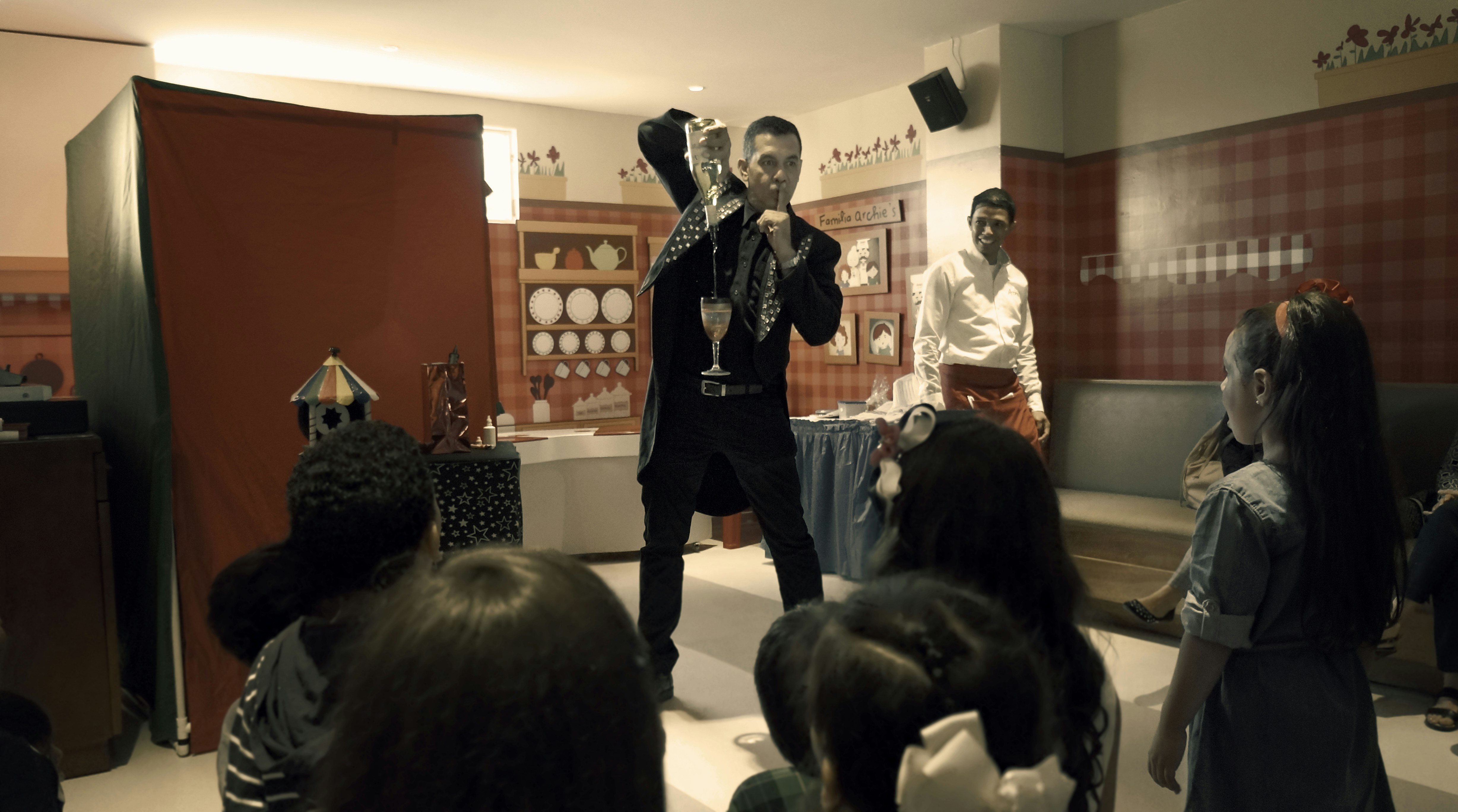
Symptoms of Magic: An Overview
Understanding the symptoms associated with magic is vital for anyone seeking to comprehend its impact on an individual. Generally, these symptoms can be categorized into three broad dimensions: physical, emotional, and psychological. Each of these manifestations can serve as indicators of a person being influenced by magical forces or practices, whether intentionally or inadvertently.
Physically, individuals may experience symptoms such as fatigue, headaches, or sudden changes in energy levels. These physical manifestations are often attributed to the body’s response to unseen forces or interactions with the mystical realm. A person might also find themselves more sensitive to environmental stimuli, suggesting a heightened state of awareness or receptivity that can be linked to magical experiences.
Emotional symptoms frequently accompany physical signs; feelings of anxiety, depression, or elation may arise without clear explanation. Such emotional responses can be seen as a reflection of the internal battle that may occur when one engages with or becomes a target of magical activities. For some, magical influences can evoke intense spiritual connections or hinder emotional stability, resulting in feelings of discontent or joy, depending on the nature of the magic involved.
On a psychological level, signs may manifest as disparate thoughts, intrusive ideas, or even altered states of consciousness. Those under the influence of magic might experience vivid dreams or heightened intuition, suggesting a closer link to the subconscious mind. Moreover, the perception of reality may shift, leading to confusion or an expanded understanding of one’s surroundings, which can be particularly unsettling.
In conclusion, recognizing the symptoms associated with magic—be they physical, emotional, or psychological—is important. Being aware of these signs can help individuals navigate their experiences and seek appropriate remedies when necessary, fostering a better understanding of the enigmatic influence of magic in their lives.
Physical Symptoms: Are You Under a Spell?
Individuals who believe they may be subject to magical influences often report a variety of physical symptoms. These manifestations can range from subtle changes in energy levels to more pronounced health issues, which may cause concern and lead one to consider the possibility of being affected by magic. It’s essential to approach this topic with an understanding that while some symptoms may have non-magical explanations, they can also indicate the presence of mystical influences.
One of the most commonly reported symptoms is an unexplainable fatigue or a sudden loss of energy. This could manifest as persistent tiredness that does not improve with rest, leading to a feeling of weakness or lethargy that may not be attributable to lifestyle factors. Additionally, some individuals may experience heightened sensitivity to their surroundings, such as an unusual response to certain environments or situations that seem to drain their energy.
Another symptom often associated with magical influences is the experience of sudden mood changes or emotional fluctuations. These can include feelings of anxiety, depression, or irritability that appear without a clear cause. Some individuals may feel an overwhelming sense of dread or fear that appears disconnected from their current circumstances. Such emotional disturbances, particularly when combined with physical symptoms, might suggest the involvement of magical practices.
Reactions to magical rituals or spells can also surface as physical ailments. For instance, if one participates in or witnesses a magical event, they might feel nausea, dizziness, or even faintness. Such reactions might seem disproportionately strong relative to the event and can leave the individual questioning their own susceptibility to these influences. It is important for those who feel they may be affected by magic to consult with healthcare professionals to rule out any underlying medical conditions that could contribute to these symptoms.
Emotional Symptoms: The Heart of the Magic
The realm of magic extends beyond mere illusion and performance, delving deeply into the emotional and psychological dimensions of human experience. When individuals engage with magic, whether as performers or spectators, they often encounter a spectrum of emotional symptoms that underscore its profound impact on sentiments and mental states. One of the most noticeable effects is the elevation of mood. The awe and wonder evoked by a well-executed magic trick can momentarily transport individuals from the mundane into a space of joy and excitement, igniting a rush of happiness and childlike curiosity.
However, magic is not solely a source of positivity. It can also provoke feelings of anxiety and discomfort, especially when it plays with the themes of uncertainty and unpredictability. For instance, a magic show that involves themes of disappearance or transformation may trigger latent fears or insecurities in some viewers. This duality highlights how magic serves as a mirror reflecting our innermost feelings, often unearthing emotions that lie dormant.
Furthermore, magic has the unique ability to heighten intuition and perception. When spectators are asked to focus on the seemingly impossible, they often develop a sharpened awareness of their surroundings and a more keenly tuned sense of observation. This heightened state can lead to a greater appreciation of the subtleties in life, fostering an enhanced emotional intelligence and deeper interpersonal connections.
Through these various emotional symptoms, magic reveals its complex nature. Whether inducing sheer joy or evoking anxiety, the psychological effects are instrumental in shaping how individuals perceive not just magic, but also their own emotions and interactions with the world around them. Thus, the art of magic becomes not just an external phenomenon, but an exploration of the internal emotional landscape.
Magical Cures: Overview of Remedy Practices
Magical cure practices have pervaded human culture across various societies, providing remedies to counteract the deleterious effects believed to stem from negative magic. Traditionally, these practices are steeped in the cultural and spiritual beliefs of their practitioners, varying significantly from one geographical area to another. In many indigenous cultures, for instance, the use of herbs and natural elements forms the foundation of these remedies. Such practices often involve the application of herbal poultices, the burning of sacred plants, or the crafting of talismans believed to ward off malevolent energy.
In contrast, contemporary magical practices have evolved, integrating modern understanding with ancient traditions. Practitioners today often employ rituals that may include meditation, invocations, or the ritualistic use of crystals believed to possess healing properties. These methods are typically aimed at cleansing one’s surroundings or personal energy, thus creating a buffer against unwanted magical influences.
Particular techniques manifest in various forms, such as the intricate use of spells or incantations, which are frequently paired with physical objects like candles, oils, and symbols. The efficacy of such magical remedies often relies on the practitioner’s intent and the energy they imbue into their actions, suggesting a deeply personal aspect of this art. Cultural beliefs dictate the choice of materials and the specificity of the ritualistic acts. For example, in some traditions, salt is viewed as a powerful purifying agent. In contrast, in others, water or specific charms take precedence in the practice of magical healing.
Overall, whether through ancient practices or modern adaptations, the fundamental purpose remains consistent—providing individuals with comfort, safeguard, and means to counteract the perceived negative impacts of magic on their lives. Thus, the art of magical cures continues to thrive, reflecting both historical heritage and contemporary adaptability.
Herbal Remedies: Nature’s Healing Power
In the realm of alternative healing, herbal remedies have long held a significant place, particularly when it comes to addressing symptoms believed to be linked to magical practices. Embracing nature’s bounty, these remedies utilize various herbs that are considered to possess both therapeutic and magical properties. Understanding their unique attributes allows individuals to effectively incorporate them into their wellness routines.
One of the most revered herbs in the context of magical healing is sage. Traditionally known for its cleansing properties, sage is often burned as incense to dispel negative energy, which can manifest as symptoms in individuals. In addition, sage tea is consumed to aid digestion and boost mental clarity. The effect of sage extends beyond the physical, as its aroma is believed to provide a calming atmosphere, conducive to emotional balance.
Another prominent herb is chamomile, recognized for its soothing effect. Often used in teas, chamomile can alleviate stress-related symptoms and promote restful sleep. When combined with its magical properties, chamomile is thought to attract good luck and ward off malevolent influences. This duality makes it a useful tool for those seeking relief from both physical and perceived magical ailments.
Additionally, rosemary holds an esteemed position in folk magic and herbalism alike. Historically, it has been associated with memory enhancement and protection. Its oil can be used in rituals or simply diffused in a room to foster an atmosphere of concentration and clarity. The therapeutic benefits of rosemary are intensified through its potent antioxidants, offering support against various ailments.
Moreover, each of these herbs can be used in combination with others to create potent remedies tailored for individual needs. However, it is crucial to approach herbal remedies with respect and mindfulness, recognizing their impact on both body and spirit. By harnessing the healing power of these herbs, one can seek to restore balance and alleviate symptoms attributed to both natural and magical influences.
Rituals and Spells for Healing
The practice of magic and the use of rituals and spells for healing have been integral to various cultures throughout history. These practices are often centered around the belief that individuals can harness cosmic energy or invoke spiritual entities to facilitate recovery from ailments, both physical and emotional. A pivotal component in these rituals is intention; the practitioner must focus their mind and spirit on the desired outcome.
One widely recognized ritual involves the use of cleansing herbs, such as sage or palo santo. To perform this healing ritual, one must first enter a quiet, sacred space. Lighting the herb, one should allow the smoke to envelop their body while visualizing any negative energy dissipating. As the aroma fills the air, it is believed that the practitioner can invite positive forces to aid in their healing journey. This ancient method is commonly upheld to cleanse one’s aura and promote overall well-being.
Another commonly practiced spell for healing involves the creation of a protective amulet. This spell often requires a small pouch filled with specific herbs, crystals, or charms believed to hold healing properties. While crafting this amulet, the individual must recite a healing incantation, focusing their desires for health and protection. Carrying this amulet serves as a constant reminder of one’s intention for healing, providing both comfort and assurance during times of distress.
In addition to herbal remedies and amulets, some practitioners advocate for the use of visualization techniques combined with meditation. This practice entails visualizing oneself enveloped in healing light while meditating on the aspects of health one wishes to enhance. By engaging in this process regularly, it is believed that the practitioner can influence their physical reality and manifest improved health outcomes.
To achieve effective results when performing these healing rituals and spells, consistency and belief in their power are paramount. The integration of these practices fosters an environment conducive to healing, allowing individuals to feel empowered in their journey toward well-being.
Seeking Professional Help: When to Consult an Expert
In the realm of magic, where emotional and psychological well-being intertwines with mystical beliefs, it becomes crucial to recognize the signs indicating a need for professional assistance. Whether the individual is dealing with feelings of being cursed, haunted, or simply overwhelmed by life’s challenges, understanding when to consult an expert can significantly impact one’s journey toward healing.
Firstly, persistent feelings of anxiety or fear that cannot be alleviated through personal methods may be a clear signal that professional intervention is necessary. When these emotions disrupt daily life, influence relationships, and hinder overall well-being, seeking help from a healer, witch, or therapist is a pragmatic step. Similarly, if one experiences recurring dreams or visions that provoke distress, a trained professional can offer insights and coping strategies that might not be apparent to someone navigating these experiences alone.
Additionally, individuals struggling with feelings of isolation, especially those who believe they are under magical attack or have experienced trauma associated with spiritual practices, may find specialized support beneficial. Therapy or healing practices provide a structured environment where individuals can explore their experiences without judgement, allowing them to regain clarity and confidence.
Moreover, if one begins to hear voices or experience dissociation, it is imperative to seek a qualified therapist. Such symptoms may indicate underlying psychological concerns that necessitate professional intervention. It is essential to differentiate between magical beliefs and possible mental health conditions, ensuring comprehensive support is pursued.
In summary, recognizing the need for professional help in the context of magic is a vital step toward empowerment and recovery. A healer or therapist can provide the necessary tools and insights, helping individuals reclaim their agency and navigate their unique experiences with confidence and understanding.
Personal Experiences: Stories of Magic and Healing
Magic, often perceived as an enigma, has been intertwined with human experience for centuries. Personal stories reveal a fascinating connection many individuals have with it, showcasing various encounters that highlight both its challenges and transformative potential. One such compelling narrative comes from a woman named Clara, who recounted her experience with what she believed to be a lingering spell that had directed negative energies toward her life. Facing unexplained anxiety and a sense of helplessness, she sought out a local healer known for working with herbs and energies.
Clara’s experience exemplifies the profound impact of personal belief in magic. By sharing her story, she illustrates the healing process as not only a physical journey but a psychological one as well. The healer, through traditional rites and rituals, emphasized the importance of intention and mental clarity, affirming that magic is not only the application of arcane knowledge but also an exploration of the self. Through her participation in ritualistic practices and the use of natural remedies, Clara reported feeling a significant release of her burdens, suggesting a positive outcome intertwined with her belief.
Another engaging testimonial comes from a man named Eli, who experienced what he considered a miraculous recovery from a chronic illness after a series of guided meditations focused on energy healing. Eli states that during these meditations, he felt a palpable shift not only in his physical health but also in his emotional wellbeing. This reflects the notion that the practice of magic, whether in the form of meditation, visualization, or herbal remedies, can facilitate an environment conducive to healing.
Each of these stories serves as a reminder that personal experiences with magic influence perceptions and can lead to healing. They encourage individuals to explore their own paths, suggesting that while the mystique of magic remains, it can also serve as a conduit for important personal transformations, inspiring others to embark on their own journeys.
Conclusion: Embracing the Mystical Journey
In examining the multifaceted relationship between individuals and the art of magic, it becomes evident that understanding the symptoms of magical experiences is as vital as recognizing their remedies. Magic, whether perceived as a set of practices, a psychological phenomenon, or a spiritual journey, invites profound reflection on how these elements shape personal realities. This exploration emphasizes the necessity for individuals to acknowledge their unique experiences and interpretations of magic, which may range from feelings of wonder to challenges that require acknowledgment and resolution.
Throughout this discussion, we have unearthed numerous symptoms associated with magical experiences, which can manifest both emotionally and physically. These symptoms serve as vital signals that guide individuals through their mystical journeys. Understanding and addressing these signs not only aids in personal growth but also enriches one’s appreciation of magic as an art form. By recognizing symptoms, individuals can take proactive steps toward utilizing remedies that align with their experiences, thereby enhancing their journey.
Moreover, a holistic approach towards navigating magical experiences can transform one’s understanding of perception and reality. Embracing different remedies—be it through education, community engagement, or personal introspection—can empower individuals to take charge of their experiences. This sense of agency allows for a deeper engagement with magic, fostering an environment where individuals can explore freely and safely. Ultimately, the art of magic is not merely about the occurrences one experiences, but about the journey itself—its lessons, challenges, and revelations.
As we conclude this exploration, we invite readers to reflect on their own interactions with the enigmatic world of magic. What symptoms resonate with your experience, and which remedies have you found effective? Your journey is valid and significant in the grand tapestry of magical existence, encouraging a continued exploration of both the mystical and the personal.
Leave a Reply