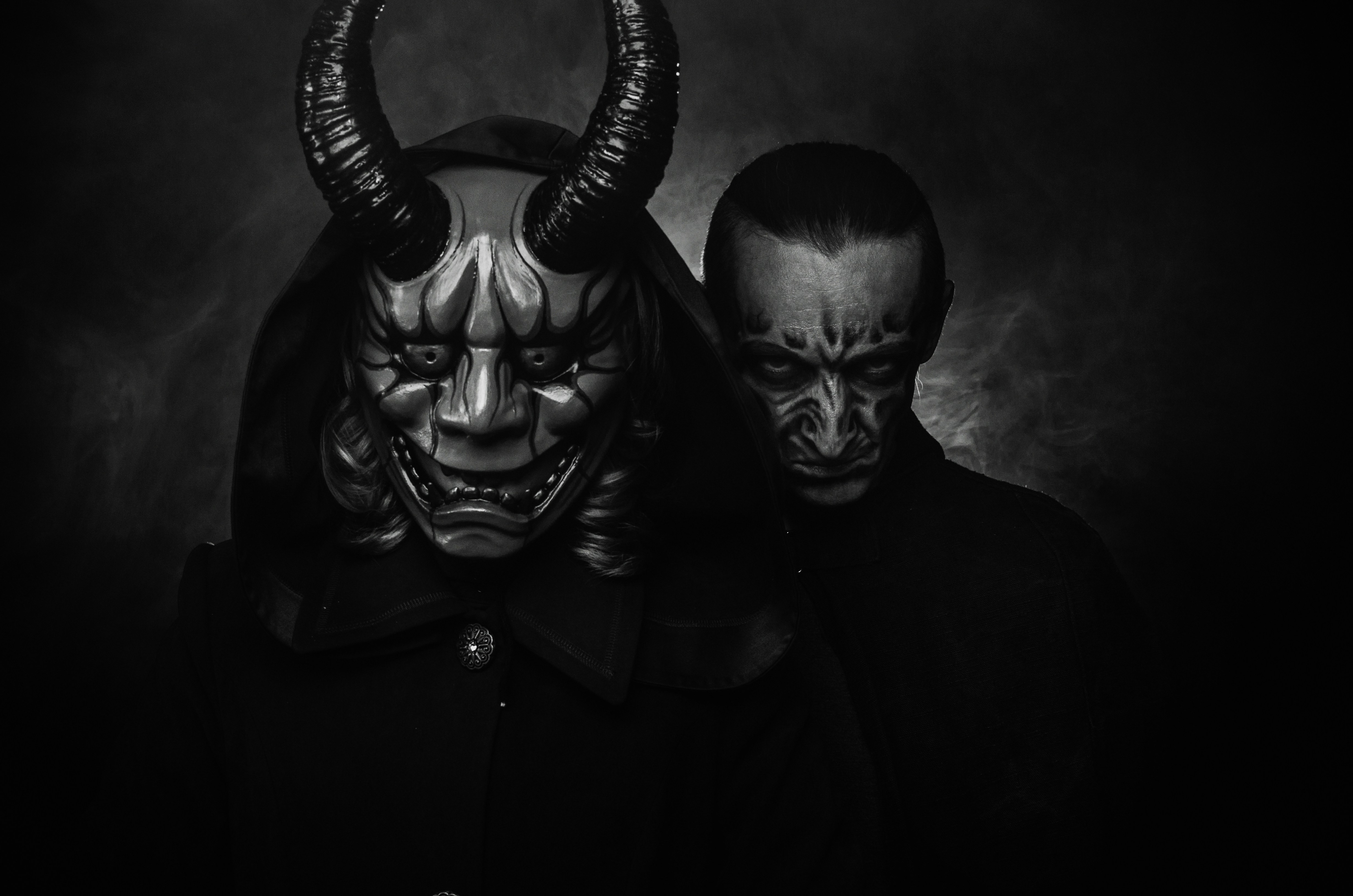
Introduction to Jinn and Demons
The existence of jinn and demons has fascinated humanity for centuries, resonating across various cultures and religions. Originating from ancient beliefs, jinn, often referred to as spirits or supernatural beings in Islamic tradition, are mentioned in the Qur’an and other historical texts. They are considered to be created from smokeless fire, possessing both free will and intellect that enables them to engage with humans in a multitude of ways. On the other hand, demons, typically associated with malign intentions, are predominantly featured in Judeo-Christian contexts, often considered fallen angels or beings that oppose divine will.
The belief in these entities is not limited by geography or culture. For instance, in Middle Eastern folklore, jinn can be both benevolent and malevolent, often interacting with humans to shape their destinies. Conversely, demons are seen as unequivocally negative forces, representing temptation and chaos. This dichotomy illustrates the complexity of supernatural beliefs, showcasing how different societies interpret the existence and influence of such beings.
Historically, evidence of jinn and demons has been woven into the narratives, legends, and religious teachings of numerous civilizations, including the Sumerians, Greeks, and Egyptians. These entities have been used to explain misfortunes, moral dilemmas, and psychological disturbances long before modern psychological understandings were developed. As a result, the mythology surrounding jinn and demons serves not only as a cultural artifact but also as a conduit for understanding the human experience of fear, morality, and the unknown.
As we delve deeper into this discussion, we will explore various dimensions of jinn and demons, examining historical accounts, cultural significance, and the evidence that has shaped our perception of these mysterious entities throughout history. Understanding their origins and the significance attributed to them in various belief systems will provide considerable insight into the ongoing fascination with jinn and demons.
Historical Accounts of Jinn and Demons
The existence of jinn and demons is a subject that has intrigued cultures and civilizations for centuries, with many historical accounts found in ancient texts and various religious scriptures. The origins of these entities can be traced back to pre-Islamic Arabian folklore, where jinn were believed to be spirits inhabiting desolate places. They were often regarded as powerful, supernatural beings capable of both benevolence and malevolence.
In Islamic tradition, the Qu’ran provides a foundational understanding of jinn, describing them as creatures made from smokeless fire. The Qu’ran elaborates on their nature, stating that they are sentient beings, possessing free will, and, like humans, can choose to do good or evil. Allah created them before humans, and they inhabit an unseen world that coexists with the human realm. The most notable mention includes Surah Al-Jinn, which narrates an encounter of a group of jinn who listen to the recitation of the Qu’ran and then embrace Islamic teachings.
Demons, on the other hand, have been described in various mythologies, with the Judeo-Christian tradition detailing entities such as the fallen angels who rebelled against God. Texts such as the Book of Enoch provide insight into these beings, portraying them as tempters who lead humanity astray. Furthermore, the Pentateuch mentions evil spirits and demonic possession, establishing a foundation for understanding demons in a historical context.
Folklore across different cultures also recounts the interactions between humans and these supernatural beings. In Medieval Europe, legends of demons were prevalent, often reflecting societal fears and moral lessons. Additionally, numerous cultures have their own interpretations of jinn and demons, identifying them with local deities and spirits, thus creating a rich tapestry of stories that underscore their integral role in belief systems worldwide.
Cultural Beliefs and Practices
The belief in jinn and demons is widespread across various cultures, each interpreting their presence through unique lenses of tradition and spirituality. In many Islamic cultures, jinn are considered beings created from smokeless fire, possessing free will akin to humans. They are believed to inhabit a parallel world, influencing human lives in both benevolent and malevolent ways. Ritual practices, such as reciting specific verses from the Quran, serve not only as protective measures against harmful jinn, but also as a means to seek their guidance.
In South Asian societies, particularly in Pakistan and India, the belief in evil spirits is prevalent. Folk remedies and rituals are commonly employed to counteract their influence, including the use of amulets, incantations, and offerings. These practices resonate deeply with cultural narratives, where tales of encounters with supernatural entities are woven into the fabric of everyday life, reinforcing the idea of their existence.
In African cultures, demons are frequently depicted as malevolent forces seeking to disrupt the harmony of community life. Many tribes perform elaborate rituals that involve music, dance, and animal sacrifices to appease these spirits. Such practices not only reflect a belief in the active role of demons but also emphasize the community’s reliance on spiritual interventions to restore balance. Here, the rituals signify a profound connection between spirituality and cultural identity, illustrating how deeply ingrained the belief in these entities is.
Cultures around the world thus exhibit a rich tapestry of beliefs and practices associated with jinn and demons. From protective rituals to storytelling traditions, these practices highlight a shared human experience in confronting the unknown. Furthermore, they illustrate the various ways in which different societies navigate their fears and aspirations related to the supernatural, reflecting the enduring influence of these entities on human lives throughout history.
Personal Experiences and Anecdotes
The realm of jinn and demons has intrigued humanity for centuries, often manifesting through personal stories and testimonials that continue to evoke both curiosity and trepidation. Numerous individuals across various cultures have recounted chilling encounters with these entities, often illustrating the profound emotional impact such experiences can have on their lives. These narratives serve not only as anecdotal evidence but also highlight the enduring belief in the existence of supernatural beings.
One particularly compelling account comes from a young woman who describes an unsettling experience during her childhood. She recalls being awoken in the middle of the night by an indiscernible whispering emanating from the corner of her bedroom. As she nervously scanned the darkened room, she claimed to have glimpsed a fleeting shadow that seemed to swirl and vanish, leaving her both terrified and questioning her perception of reality. Years later, she attributes this episode to an encounter with a jinn, an explanation that has provided her with a sense of closure while reinforcing her belief in the unseen forces around us.
Similarly, a man in his forties shared a life-altering encounter during a camping trip in a dense forest. He reported feeling an overwhelming sense of dread and hearing unexplainable sounds echoing through the trees. When he finally noticed a dark figure lurking just beyond the firelight, he described an instinctive urge to flee, convinced he had faced a demonic presence. This incident not only left him with lasting anxiety but also ignited his fascination with the spiritual world, prompting him to seek deeper understanding.
These personal experiences offer glimpses into the complex interplay between belief and fear when it comes to jinn and demons. Each anecdote brings to light the deep-rooted significance these encounters hold for those who experience them, reinforcing the notion that such entities may exist beyond the realms of our understanding.
Scientific Perspectives on Jinn and Demons
The existence of jinn and demons has long been a subject of fascination and speculation, bridging the gap between folklore and reality. The scientific community, however, approaches this topic with caution, often favoring empirical evidence over anecdotal accounts. In examining experiences attributed to jinn and demons, various disciplines within science provide insights that may explain these phenomena.
Psychological phenomena play a significant role in understanding reports of encounters with these entities. Many psychologists argue that experiences often ascribed to jinn or demons could be manifestations of mental health issues, such as sleep paralysis, hallucinations, or stress-induced episodes. Sleep paralysis, for example, is a condition where individuals experience an inability to move while falling asleep or waking up, often accompanied by the sensation of an ominous presence in the room. Such experiences can be misinterpreted as paranormal encounters, leading to the belief in supernatural beings.
Cultural anthropology also offers valuable perspectives on the belief in jinn and demons. This field examines the rituals, narratives, and social functions of such beliefs within societies. In many cultures, jinn are seen as representations of moral lessons or cautionary tales, serving to explain the unknown or reinforce social norms. The prevalence of such folklore across different cultures raises questions about the psychological and sociological functions of these narratives rather than their literal existence.
Parapsychology, an area of study that investigates paranormal phenomena, contributes to the discourse by exploring experiences that remain unexplained by traditional scientific methods. Researchers in this field seek to gather empirical data on purported supernatural occurrences, although results often remain inconclusive. While the scientific approach may not validate the existence of jinn and demons as tangible entities, it nonetheless encourages a deeper examination of human experience and the origin of these beliefs.
Comparative Analysis of Similar Entities
The exploration of jinn and demons leads to a fascinating comparative analysis with various entities across global mythologies and spiritual beliefs. Jinn, predominantly known through Islamic tradition, resemble other mythical beings such as fairies, ghosts, and spirits found in numerous cultures. Each of these entities serves specific roles in their respective lore, thereby offering insights into the broader context of supernatural beliefs.
Starting with fairies, which are prominent in Western folklore, these beings are often considered to be mischievous or benevolent, capable of influencing human lives in unexpected ways. Similarities can be drawn between fairies and jinn in their form—both can be seen as shape-shifters who intertwine with the human realm. However, unlike the jinn, fairies are typically more aligned with nature, inhabiting woodland or magical realms, whereas jinn are thought to dwell in desolate places and the unseen dimensions.
Ghosts are another significant entity with which jinn share attributes. Often perceived as the spirits of deceased beings, ghosts can sometimes exhibit benevolent or malevolent tendencies similar to jinn. The complex relationship between ghosts and living beings raises questions about life, death, and the afterlife, which parallels the jinn’s capacity to engage with human affairs. Spirited manifestations across cultures often involve interactions that reflect human emotions, fears, and beliefs, akin to jinn’s involvement in human experiences.
Furthermore, spirits, which encompass a wide range of supernatural entities in various cultures, resemble jinn through their ethereal nature and their ability to act as intermediaries between the material and spiritual worlds. Understanding these entities as a group helps to delineate the variances and similarities that exist within supernatural beliefs, reinforcing the notion that jinn and demons, while distinct, are part of a larger tapestry of entities that shape our comprehension of the unseen forces around us.
Modern Media Representation
The portrayal of jinn and demons in modern media spans various forms of expression, including literature, films, and video games. These representations significantly impact contemporary beliefs and perceptions, shaping how audiences understand these supernatural entities. In literature, authors often explore the psychological and cultural implications of jinn, presenting them as either malevolent or benevolent beings, thereby influencing readers’ perspectives. Works such as “The Demon King” by Cinda Williams Chima illustrate the complexities surrounding these beings, inviting readers to reflect on the outlined themes of fear and morality.
In film, jinn and demons often serve as central figures that embody societal fears and moral dilemmas. For instance, movies like “Wish Upon” and “The Possession” have successfully captured audience attention while providing a modern interpretation of these entities. Such films often capitalize on the ambiguity surrounding the existence of jinn and demons, merging folklore with elements of horror, leading to a heightened sense of intrigue. This fusion not only entertains but also sparks discussions about the cultural significance of these beings, thereby reinforcing or challenging existing beliefs.
Video games have also become a dynamic platform for the exploration of jinn and demons. Titles such as “Dark Souls” and “Demon’s Souls” engage players in immersive experiences that frequently incorporate themes of evil and otherworldly intervention. Through interactive storytelling, these games compel players to confront their understanding of jinn and demons and their place in various mythologies. As players navigate through these fictional worlds, they are invited to explore moral choices and the consequences of their actions, reflecting the ongoing societal dialogue regarding the existence and role of supernatural beings.
Overall, modern media representations of jinn and demons contribute to both the fascination and the skepticism surrounding their existence. By intertwining these entities into contemporary narratives, creators foster a space for reflection that influences audience beliefs while simultaneously engaging them in the cultural folklore surrounding these enigmatic beings.
The Role of Faith and Spirituality
Faith and spirituality significantly influence beliefs regarding jinn and demons across various cultures and religions. These entities are often depicted as supernatural beings that possess the ability to interact with the human realm, and this interaction is interpreted through spiritual lenses. In many religious contexts, faith serves as a means of understanding the otherwise unfathomable elements of existence, including the presence of unseen beings such as jinn and demons.
In Islam, for instance, jinn are recognized as sentient creatures created from smokeless fire, mentioned explicitly in the Quran. Believers view them through the perspective of faith, recognizing that they possess free will akin to humans, contributing to both their good and evil capabilities. The belief in jinn underscores a broader principle in Islamic spirituality: that the universe is populated by beings beyond human comprehension and sight. This belief reinforces the importance of faith, as believers rely on spiritual guidance to navigate interactions with such entities.
Similarly, in Christianity and Judaism, demons are often perceived as malevolent forces that tempt humans away from divine paths. Faith here is pivotal, as it provides adherents with the tools to resist temptation and the assurance of divine protection. The emphasis on spiritual resilience highlights the idea that one’s connection to the divine can mitigate the potential harm posed by these entities.
Other religions, such as Hinduism and various indigenous belief systems, provide distinct frameworks for understanding spirits and deities that might resemble jinn and demons. In these contexts, rituals and spiritual practices are directed towards appeasing or warding off these beings, demonstrating the pervasive influence of spirituality on how humanity interacts with perceived supernatural entities. Ultimately, the interplay between faith and the belief in jinn and demons underscores the importance of spirituality in shaping cultural narratives and individual experiences related to the unseen world.
Conclusion and Reflection
Throughout this exploration of jinn and demons, we have examined the intricate tapestry of beliefs, anecdotes, and historical accounts that suggest the existence of these entities. From ancient texts mentioning jinn in various cultures to modern-day sightings and experiences, our understanding of jinn and demons has been shaped by both folklore and personal testimonies. The prevalence of narratives surrounding these entities across different societies indicates a common thread in human experience, one that transcends cultural boundaries.
The evidence presented, although largely anecdotal, provides a compelling case for the continued discussion of jinn and demons in contemporary society. Historical references gleaned from religious texts, mythological stories, and even psychological interpretations allow us to appreciate the complexities surrounding these supernatural beings. The reported encounters, despite their subjective nature, contribute to a broader understanding of fear, belief, and the unknown.
As readers, it is essential to reflect on our own beliefs regarding the existence of supernatural beings. This includes considering the implications of accepting or rejecting the existence of jinn and demons in our lives. The experiences shared by many invite us to contemplate the impact these entities may have on our understanding of the spiritual world and the unseen forces that may exist alongside our daily lives. By acknowledging the evidence, both anecdotal and historical, we can engage in a deeper dialogue about the essence of belief and the reality of our perceptions. In the end, whether one views jinn and demons as real entities or mere constructs of cultural imagination, the ongoing interest in their existence prompts an exploration of the unknown and untold mysteries of our world.
Leave a Reply