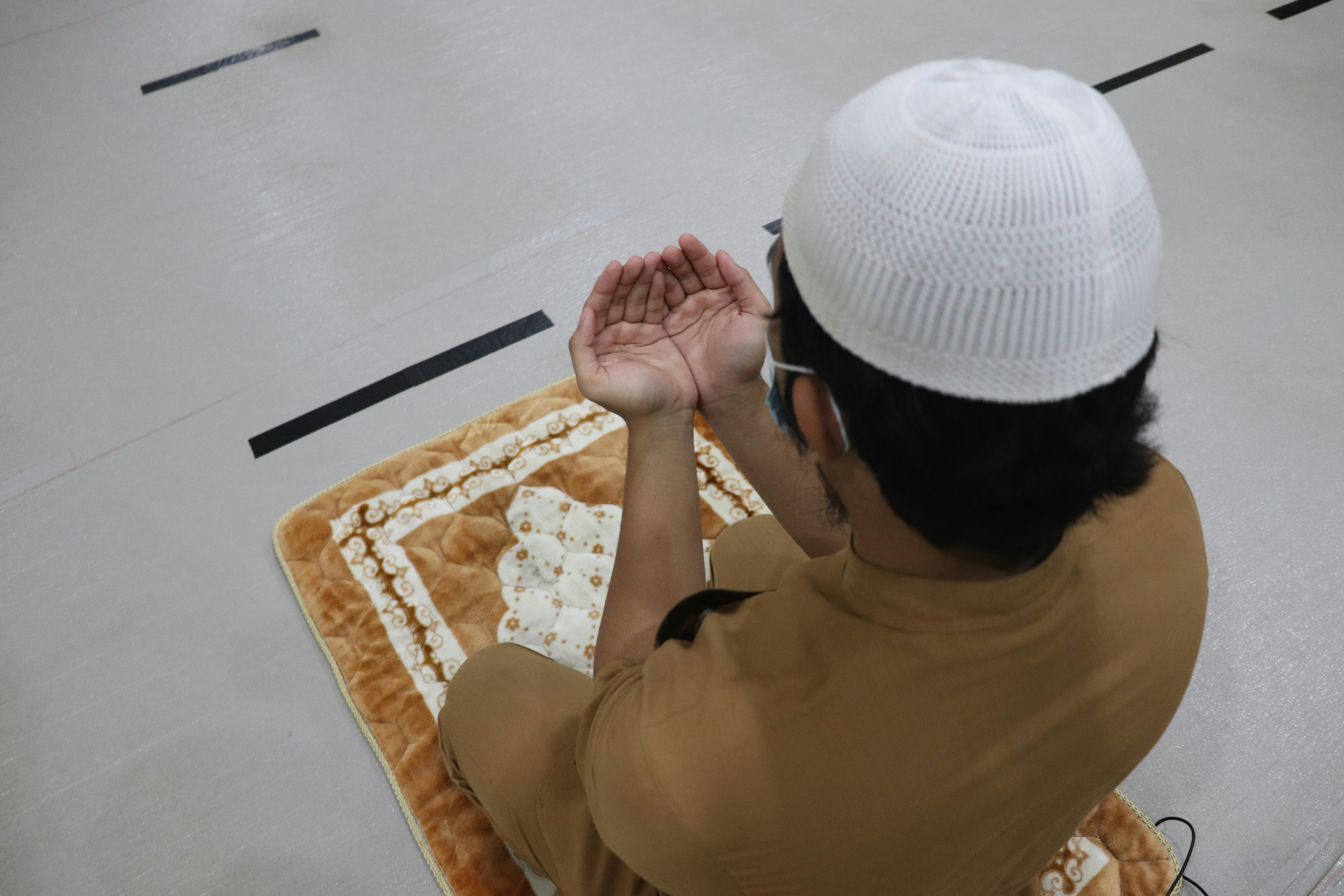
Introduction to Dua
Dua, derived from the Arabic word “دعاء,” is a significant practice within Islam, embodying the essence of supplication and direct communication with Allah. This noble act allows a believer to express their innermost thoughts, seek guidance, and request assistance during challenging times. Dua serves as a bridge between the individual and the Divine, reinforcing the relationship with Allah through sincere and heartfelt prayers.
In times of distress, individuals often turn to dua for solace and comfort. The beauty of this practice lies in its simplicity; anyone can invoke it regardless of their situation or location. There are no set conditions for making dua, allowing Muslims to express their needs, hopes, and desires in their own words, which fosters a sense of personal connection with Allah. This open line of communication encourages believers to place their trust in the One who has ultimate control over all matters.
Moreover, dua plays a crucial role in the spiritual journey of a Muslim. It is an opportunity to seek forgiveness for sins, show gratitude for blessings received, and ask for strength in adversity. Through the act of supplication, individuals can reflect on their circumstances, gain clarity, and experience spiritual growth. The power of dua is such that it can bring inner peace, helping individuals to feel grounded despite life’s uncertainties.
Ultimately, dua is not just a means to solve specific problems but rather a comprehensive act of worship that enriches one’s life. As believers engage in this profound practice, they discover that dua can be a source of hope, guidance, and unwavering faith, allowing them to navigate the complexities of existence with confidence and resilience.
Understanding the Importance of Dua in Daily Life
Dua, which translates to supplication or invocation, holds great significance in the lives of Muslims as a means of connecting with Allah (God). It serves not only as a form of prayer but also as a vital aspect of daily life that fosters spiritual awareness and mental well-being. By engaging in dua, believers express their deepest needs and desires, seeking guidance, assistance, and mercy from their Creator.
The spiritual benefits of engaging in dua are profound. It acts as a reminder of one’s dependence on Allah, providing an avenue for individuals to communicate their needs and worries openly. This act of submission can foster a sense of humility and gratitude, which are essential qualities in Islamic teachings. Additionally, witnessing the power of dua as it materializes encourages faith and reinforces the belief in divine intervention. For instance, before undertaking significant life events such as starting a new job, embarking on a journey, or facing a personal crisis, many Muslims turn to dua for clarity and comfort.
On a psychological level, dua can serve as a source of solace during stressful times. In moments of anxiety, fear, or sadness, reciting duas can help soothe the heart and mind, transforming distress into peace. Specific supplications might be invoked during challenging situations, such as illness, financial hardship, or family disputes, creating a sense of relief and hope. For example, after losing a loved one or facing adversity, individuals often recite dua as a way to cope with their grief and seek healing.
Incorporating dua into everyday practices not only nurtures a stronger spiritual connection but also enhances overall well-being. Thus, mindfulness in making dua can provide vital support throughout life’s ups and downs.
The Most Powerful Duas for Problem-Solving
In the realm of Islamic practices, duas hold a significant place, especially when it comes to seeking assistance in times of difficulty. Many scholars and traditional references discuss powerful duas that are recognized for their efficacy in problem-solving. Among these, certain duas have become widely revered within the Muslim community, often cited for their profound impact when recited sincerely.
One of the most recommended duas comes from the Quran itself, specifically Surah Al-Baqarah (2:286) which states: “Allah does not burden a soul beyond that it can bear.” This verse reinforces the idea that reciting it during times of distress can bring about clarity and strength when facing challenges. Alongside this, invoking God’s names, particularly “Ya Hafiz” (O Preserver) and “Ya Fattah” (O Opener), is particularly advised during tough situations, as these names embody the attributes of protection and new beginnings.
Furthermore, a well-known hadith emphasizes the importance of prayer for relief. The Prophet Muhammad (peace be upon him) is reported to have taught a dua for alleviating worries: “Allahumma inni a’udhu bika min ghammi wa hazani wa a’udhu bika min ‘ajzi wa kasali wa a’udhu bika min jubni wa bukhli wa a’udhu bika min ghalabatid-dain wa qahrir-rijal.” This dua, invoking the protection from sorrow, incapacitation, and oppression, exemplifies a powerful supplication seeking divine assistance.
Additional duas include those drawn from various Islamic traditions, like the dua of Yunus (Jonah) in the belly of the whale, “La ilaha illa anta, subhanaka, inni kuntu min al-zalimin” which translates to “There is no deity except You; exalted are You. Indeed, I have been of the wrongdoers.” This deeply spiritual invocation emphasizes turning to Allah in moments of despair, demonstrating sincere repentance and reliance on his mercy.
Conditions for Accepting Dua
For a dua to be accepted by Allah, several fundamental conditions must be met, ensuring that the supplicant approaches their prayers with the utmost sincerity and faith. A primary condition is sincerity; when making a dua, one must do so with a genuine intention, directed solely towards seeking help from Allah without associating partners with Him. This purity of purpose encourages a deeper connection and demonstrates reliance on divine assistance.
Faith also plays an essential role in the acceptance of dua. The believer must have unwavering faith in Allah’s power and ability to respond to prayers. This conviction fosters a mindset that maintains hope, trusting that Allah knows what is best at any given moment. Such belief not only enhances the spiritual experience but also encourages the individual to engage in dua with a positive and renewed perspective, irrespective of the outcome.
Furthermore, having a pure heart is pivotal when making supplications. This means that the individual must cleanse their heart of malice, resentment, and negativity towards others. Purity of heart involves embodying compassion, kindness, and empathy, creating a conducive environment for prayers to be answered. A du’a made with such purity reflects a holistic approach to one’s relationship with Allah and fellow beings.
Additionally, it is beneficial to engage in acts of obedience and fulfill religious obligations regularly. Striving to live righteously and adhering to the tenets of Islam not only purifies the soul but also strengthens the supplicant’s resolve. Consistent performance of good deeds signals a commitment to faith which, in turn, enhances the prospect of duas being fulfilled. Hence, by sincerely invoking Allah with a pure heart and steadfast faith, the likelihood of one’s duas gaining acceptance becomes significantly higher.
Personal Experiences and Testimonies
Numerous individuals have shared their powerful experiences regarding the efficacy of dua in overcoming various life challenges. These personal testimonies serve as a testament to the belief that sincere supplication can lead to transformative changes. One individual recounted a time when he faced significant financial difficulties. Struggling to make ends meet, he felt increasingly hopeless. In a moment of desperation, he turned to dua, pleading for guidance and support. Remarkably, within weeks, he received unexpected job offers, which helped stabilize his financial situation. This experience reinforced his faith in the power of dua.
Another testimony comes from a woman who faced a health crisis. Diagnosed with a chronic illness, she found herself overwhelmed by despair and uncertainty. In search of comfort, she began engaging in regular dua, seeking healing and strength. Her journey to recovery was far from instantaneous, but she attributes her newfound resilience to her consistent supplications. Over time, her health improved dramatically, leading her to believe that her efforts in prayer made a significant impact on her recovery.
Additionally, there are countless stories of people overcoming personal and relational conflicts through the power of dua. An individual shared how he struggled with interpersonal conflicts within his family. Feeling isolated and misunderstood, he dedicated time to dua, asking for peace and compassion among family members. Over time, he witnessed gradual improvement in relationships, highlighting how the blessings of sincere supplication can lead to reconciliations and healing.
These narratives illustrate that regardless of the challenges faced—be it financial struggles, health issues, or interpersonal conflicts—the journey of dua can lead to profound transformations and renewed hope. Each personal account reinforces the notion that turning to supplications can provide not just relief, but also a sense of purpose and direction in times of need.
Incorporating Dua into Your Daily Routine
Incorporating the practice of making dua into your daily life is both a spiritual and practical endeavor. Dua, which means supplication, holds great significance in Islam as it is a direct form of communication with Allah. By effectively integrating dua into your routine, you can foster a deeper connection with your faith and seek guidance during challenging times.
One of the best times to engage in dua is during the early hours of the morning, particularly before the Fajr prayer. This time is often described as a peaceful period where spiritual intentions can be set for the day ahead. Additionally, after obligatory prayers is a key moment. During these times, you can reflect on your specific needs and express your desires humbly to Allah.
Another important aspect is making dua during moments of personal difficulty or stress. Whether you find yourself facing challenges at work, in your relationships, or in your health, taking a few dedicated moments to perform dua can be incredibly beneficial. When you make dua in such circumstances, remain earnest and maintain a heart full of hope and belief that your supplication will be answered.
Moreover, consistency plays a crucial role in the practice of making dua. Establishing a habit of regular dua, whether it’s at set intervals throughout the day or as part of your morning and evening routines, can enhance your spirituality. Consider jotting down your duas in a journal to document your requests and to reflect on the moments when these prayers are answered. Doing so can significantly increase your faith and conviction that Allah listens and responds to your needs.
Ultimately, the practice of dua is not only about making requests but also about nurturing your relationship with the Divine, reinforcing your faith, and seeking solace in times of eternal change.
Common Mistakes When Making Dua
When it comes to making dua, many individuals inadvertently commit mistakes that can hinder the efficacy of their supplications. One prevalent mistake is the misconception surrounding the timing and context of dua. Often, people believe that they should only make dua during specific occasions or in dire situations, neglecting the importance of making dua regularly as a means of connecting with Allah. To enhance the power of your dua, it is crucial to incorporate it into daily routines, treating it as an essential practice rather than a last resort.
Another common error entails a lack of patience in awaiting a response. Many individuals expect immediate results and may abandon their dua if their requests are not fulfilled promptly. This impatience can lead to disappointment and discourage continued supplication. It is essential to understand that Allah’s timing is perfect, and sometimes, the response to a dua may come in forms we do not expect or at times we do not anticipate. Cultivating patience and firm belief in Allah’s wisdom is vital when engaging in the practice of dua.
Moreover, improper etiquette during dua can also affect its effectiveness. This includes neglecting to begin with praises of Allah and sending blessings upon the Prophet Muhammad (peace be upon him) before making specific requests. Following the Sunnah and adhering to recommended methods will enhance the proper atmosphere for supplication. Other habits, such as making dua insincerely, can diminish its potency. Being sincere, humble, and focused during the process aids in establishing a genuine connection with the Creator, resulting in a much deeper and impactful dua.
By recognizing these common pitfalls—misconceptions surrounding timing, a lack of patience, and failure to observe proper etiquette—individuals can improve their dua-making practices, ultimately leading to a more profound and effective spiritual experience.
Dua, the act of supplication or prayer in Islam, serves as a powerful tool for personal transformation and spiritual connection. Engaging in dua can significantly impact our emotional and psychological well-being, offering solace during challenging times. When faced with difficulties, turning to Allah through heartfelt dua not only provides comfort but also reaffirms our faith and trust in His wisdom and mercy.
The transformative power of dua lies in its ability to strengthen our relationship with Allah. Each moment spent in sincere supplication helps us to remember and acknowledge His presence in our lives. This practice fosters a deeper understanding of our dependence on Allah, encouraging resilience and hope. Moreover, dua serves as a reminder that we are never alone in our struggles; instead, we are encouraged to reach out and seek guidance from the Creator.
Furthermore, engaging earnestly in dua can lead to a profound sense of peace and clarity amidst confusion. The act of vocalizing our struggles and desires allows us to articulate our innermost thoughts and feelings. This expression cultivates self-reflection and a deeper appreciation for the blessings we already possess. It instills in us the motivation to remain steadfast, reminding us that Allah is always listening and responsive to our pleas.
Incorporating dua into our daily lives, especially during moments of despair or uncertainty, can serve as a source of inspiration. It not only channels our hopes and fears but also aligns our hearts with the divine purpose. As we experience the impact of entering into this spiritual dialogue, we may find ourselves more motivated to face life’s challenges with courage and optimism. Ultimately, embracing the practice of dua can significantly enrich our spiritual journey, enabling us to overcome obstacles and achieve a state of tranquility.
Conclusion: The Enduring Power of Dua
The practice of making dua, or supplication, holds significant importance in the spiritual lives of Muslims. It is a profound expression of one’s reliance on Allah and a demonstration of faith in His mercy and power. The essence of dua transcends mere words; it serves as a powerful tool for personal transformation and problem resolution, providing a holistic approach that addresses not only the challenges one faces but also the heart’s yearning for connection with the Divine.
From a spiritual perspective, dua fosters a deeper relationship with Allah. It is an opportunity to communicate one’s hopes, fears, and frustrations, allowing for a cathartic release of emotions. This spiritual engagement cultivates a sense of peace and reassurance, reinforcing the belief that Allah is the ultimate caretaker of our affairs. Engaging in dua encourages individuals to remain hopeful and steadfast, regardless of life’s uncertainties.
Emotionally, making dua can be deeply therapeutic. It empowers individuals to articulate their concerns and seek guidance during times of distress. The act of supplication alleviates feelings of isolation, as believers recognize that they are never alone in their tribulations. The emotional upliftment derived from sincere dua instills resilience and fosters a positive outlook, even in challenging circumstances.
Practically, dua serves as a beacon of hope, urging individuals to take action alongside their spiritual efforts. It inspires proactive steps towards solving problems, encouraging believers to seek solutions while remaining anchored in their faith. This synergy between spiritual devotion and practical actions enriches the overall problem-solving process, paving the way for favorable outcomes.
In essence, the practice of dua is integral to navigating life’s obstacles. It embodies a multifaceted approach to seeking help, offering spiritual solace, emotional relief, and practical guidance. Embracing the enduring power of dua allows individuals to cultivate a constant reliance on Allah, fostering hope and resilience in the face of adversity.
Leave a Reply