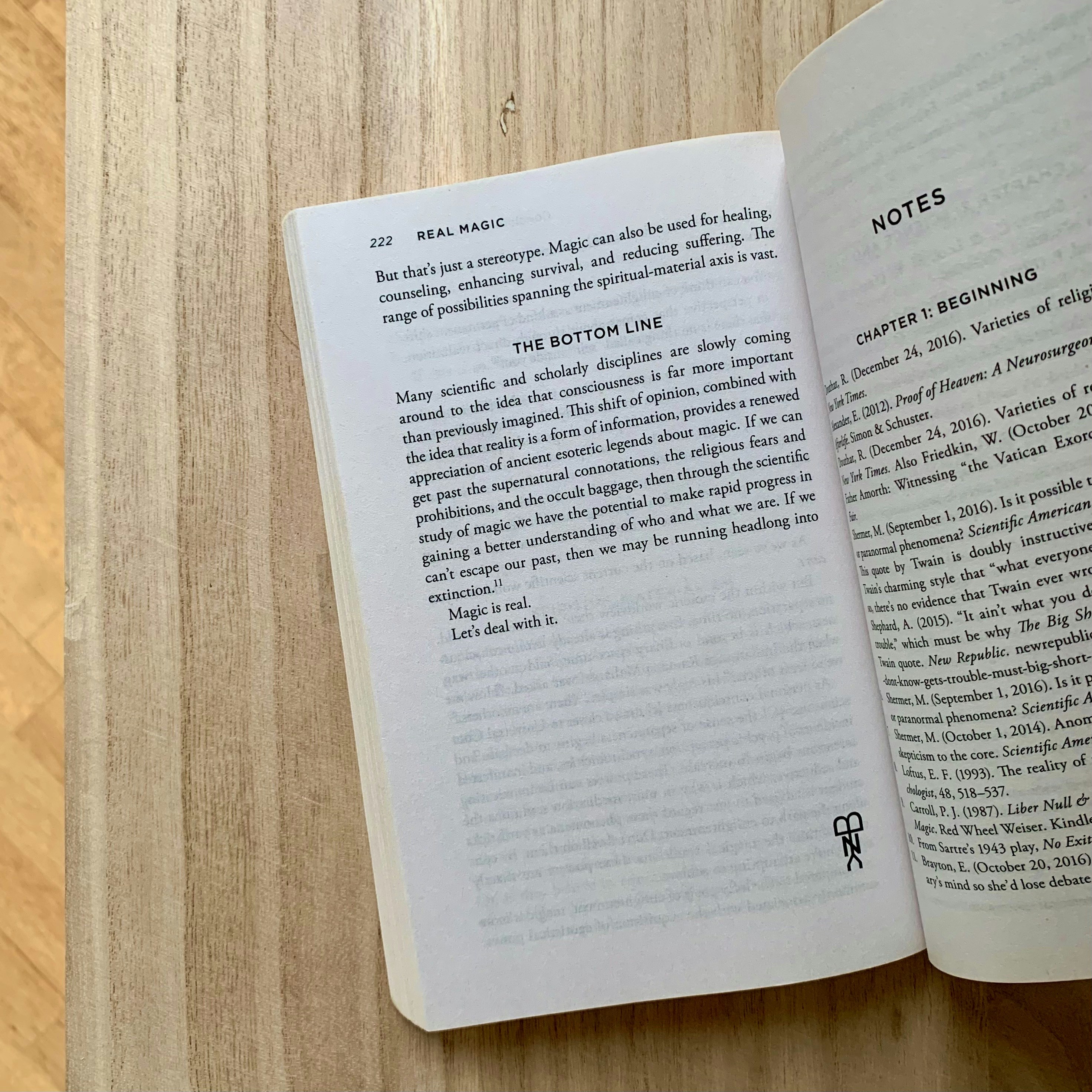
Introduction to Sihr
Sihr, often referred to as magic or sorcery, is a multifaceted concept that has captured the imaginations and beliefs of various cultures throughout history. In many traditions, sihr denotes the practice of harnessing supernatural forces to influence events, deceive individuals, or alter the natural order. While the specifics of what constitutes sihr can vary greatly across societies, the underlying principles often remain similar, rooted in the human desire to seek control over their reality.
The historical context of sihr is rich and diverse, spanning ancient civilizations such as Mesopotamia, Egypt, and Greece, where instances of sorcery are documented. In these cultures, practitioners of sihr often held significant influence, regarded either as wise individuals or malevolent figures, depending on the circumstances surrounding their practices. Notably, sihr can be seen as a response to the human need for understanding the unknown, and it often operates alongside religious and philosophical beliefs that seek to explain life’s mysteries.
Significantly, sihr carries different meanings within varied cultural narratives. For some, it presents a means of empowerment, allowing individuals to tap into hidden knowledge and capabilities. Conversely, others may view sihr as a source of fear, associating it with malevolence and harm. In contemporary discussions, the implications of sihr can provoke debates about morality, ethics, and the boundaries of human manipulation. Furthermore, perceptions of sihr raise questions about the ethical implications of using supernatural powers, the consequences of engaging in such practices, and the societal reactions to individuals who are suspected of practicing it.
This multifaceted concept of sihr, therefore, reflects not only a spectrum of beliefs but also underscores its significance in understanding human psychology, culture, and history.
The Different Categories of Sihr
Sihr, commonly understood as the practice of magic or sorcery, can be divided into several distinct categories. Each category of sihr possesses unique characteristics and serves different purposes within its cultural and historical context. Understanding these categories is essential for comprehending the broader framework of sihr as it functions in various societies.
One of the primary categories of sihr is Sihr al-Muhabbah, which translates to “the magic of love.” This form of sorcery is often employed to create feelings of love or affection between individuals, influencing their emotions and decisions. Practitioners may use various methods, including charms or potions, to invoke these sentiments. While widely practiced, it raises ethical concerns regarding consent and manipulation.
Another significant category is Sihr al-Mudarrah, or “the magic of harm.” This form of sihr is intended to bring misfortune, illness, or even death to the target. It can involve curses or hexes that are believed to negatively affect the individual’s life. This type of magic is among the most feared and is often condemned in many cultures due to its destructive intent.
Additionally, there exists Sihr al-Ihtilal, which refers to divination or fortune-telling practices. This category encompasses activities such as reading tarot cards, palmistry, or astrology, where practitioners attempt to reveal hidden truths or predict future events. While it does not necessarily aim to manipulate reality directly, it still engages with supernatural beliefs and is relevant in the context of sihr.
These three categories—Sihr al-Muhabbah, Sihr al-Mudarrah, and Sihr al-Ihtilal—represent a spectrum of practices associated with sihr, each with its own implications and societal perceptions. A deeper understanding of these classifications sets the stage for examining the complex mechanisms and rituals involved in the practice of sihr.
Black Sihr: The Dark Arts
Black sihr, often referred to as dark magic, represents a category of sihr characterized by its intent to cause harm or manipulate individuals for nefarious purposes. This form of sihr is imbued with negative energy, often seeking to create discord, misfortune, or distress in the lives of others. Practitioners of black sihr, sometimes known as sorcerers or witches, engage in rituals that may include the invocation of malevolent spirits or the use of specific materials believed to enhance the efficacy of their spells.
The primary objective of black sihr is to exert control over others, whether through psychological manipulation, physical harm, or spiritual disturbances. Believers in these practices may employ various tools ranging from amulets to incantations, all designed to inflict pain or misfortune upon their targets. The belief systems surrounding black sihr often hinge on a dichotomy of good versus evil, where the practitioner intentionally aligns themselves with dark forces in pursuit of their goals.
Culturally, the engagement with black sihr is viewed with significant apprehension and stigma. In many societies, there are strict taboos against the practice of dark magic, as it is seen as a violation of moral and ethical standards. Religious texts and teachings often warn against engaging with black sihr, citing the potential spiritual risks involved. Communities may react harshly to accusations of black sihr, leading to social ostracism or even legal consequences for those suspected of practicing it. This societal perspective reinforces the notion that black sihr is not merely a personal choice but an act that can have far-reaching impacts on community cohesion and individual well-being.
White Sihr: The Healing Arts
White sihr, often viewed in a contrasting light to its darker counterpart, is perceived as a benevolent form of magical practice. Its primary focus is on healing, protection, and the enhancement of personal well-being. Practitioners of white sihr harness positive energies and intentions to facilitate healing processes, whether physical, emotional, or spiritual.
Central to the practice of white sihr is the belief that intention plays a crucial role in the outcome of any ritual or spell. Healers often invoke divine guidance or benevolent spirits to assist in their efforts, ensuring that the energy directed towards individuals is positive and constructive. This approach not only supports the recipient but also reinforces the ethical dimension of white sihr, which is often absent in black sihr practices.
Several traditional methods are considered part of white sihr. For example, herbal remedies, which have been used for centuries in various cultures, are a common practice. Herbs such as sage and rosemary are often burned to cleanse spaces and individuals from negative energies. Additionally, rituals involving crystals are popular, with practitioners utilizing their unique vibrations to promote healing and balance.
Another example is the practice of prayer and invocation, where practitioners seek assistance from spiritual entities for protection or healing purposes. This not only reflects the positive intentions behind white sihr but also highlights its community-oriented nature, where the well-being of others is prioritized. Similarly, energy healing techniques such as Reiki are often categorized under white sihr, utilizing the practitioner’s energy to facilitate healing in others.
In conclusion, white sihr embodies a philosophy centered around healing and protection, emphasizing the importance of positive intention. By utilizing various methods that align with these principles, practitioners aim to create a supportive atmosphere for both individuals and their broader communities.
Red Sihr: Love and Desire
Red sihr, often referred to as magical practices associated with love and attraction, is a significant category within the broader context of sihr. This practice is primarily focused on invoking feelings of affection, desire, and passion among individuals. Proponents of red sihr believe that through specific rituals and spells, it is possible to influence the emotions of others, potentially altering the dynamics of existing relationships or igniting new ones.
The methodologies employed in red sihr often involve the use of symbolic items, such as candles, herbs, or personal belongings of the target individual. Rituals may also include the recitation of particular incantations or the drawing of specific symbols. These techniques aim to create an ethereal connection that enhances attraction and desire. Though many practitioners claim success in achieving desired outcomes, it is crucial to recognize the diverse perspectives surrounding the effectiveness of these practices. Skeptics argue that emotional connections should be based on genuine feelings rather than manipulation.
When considering engagement with red sihr, ethical implications must be taken into account. Manipulating someone’s feelings raises questions about consent and autonomy, which are foundational concerns in any relationship. The potential repercussions of implementing such practices can lead to emotional distress and unintended consequences, not only for the individual being influenced but also for the practitioner. Consequently, it is essential to approach red sihr with caution and thorough understanding, weighing the merits against the ethical dilemmas it may present.
In this complex landscape of love and desire, red sihr reflects the intricate interplay between human emotion and spiritual belief, warranting careful consideration before attempting to employ such powerful techniques.
Cultural Perspectives on Sihr
Sihr, often synonymous with magic or sorcery, is a concept that varies significantly across cultures. In many societies, sihr is enveloped in folklore, associated with both fear and reverence, reflecting various interpretations and beliefs. The perception of sihr can often be a double-edged sword, serving as a tool for both malevolent and benevolent purposes.
In parts of the Middle East, sihr is commonly viewed with suspicion and fear. Traditional communities hold strong beliefs regarding the harmful effects of sorcery, often linking it to envy or malevolence. These beliefs have been rooted in historical texts and oral traditions that emphasize the dangers posed by those who practice sihr for ill intent, often resulting in social ostracism for practitioners. Furthermore, local folklore is rich with stories of individuals believed to have suffered from the effects of sihr, serving as cautionary tales passed down through generations.
Conversely, there are cultures where sihr is associated with wisdom and respect. In certain African traditions, for instance, wise individuals known as healers may practice sihr, employing it as a means to connect with spiritual forces for the benefit of their community. These practitioners are respected figures, often called upon during times of need, and their practices are seen as integral to cultural heritage. This dual interpretation of sihr highlights the complexity of the term and the practices associated with it.
Alongside these narratives, literary interpretations often showcase sihr in a fantastical light, presenting it as a powerful force that can alter realities. Stories from various cultures illustrate the versatility of sihr, showing it as a tool for transformation, healing, or, at times, destruction. Consequently, sihr’s place in culture acts as a reflection of human experience, embodying both the awe of the mysterious and the apprehensions that accompany the unknown.
Sihr in Religious Contexts
Sihr, often translated as witchcraft or sorcery, holds significant variations in interpretation across different religious traditions. In Islamic theology, sihr is explicitly condemned, characterized as an act of disbelief and rebellion against God. It is perceived as a means by which individuals can attempt to manipulate the natural order for personal gain, thus infringing upon divine authority. The Quran includes verses that warn against the practice of sihr, highlighting its association with malevolent intentions.
In Christianity, views on sihr and related practices vary widely, influenced by denominational beliefs and cultural contexts. Traditional interpretations tend to align witchcraft with evil and moral corruption, often citing biblical texts that disapprove of sorcery. However, there are modern movements within Christianity that seek to reinterpret such practices, arguing for a more symbolic understanding of sihr as a manifestation of human psychological experiences rather than outright malevolence.
Judaism similarly grapples with the concept of sihr, often referencing historical texts that warn against such practices. The Talmud discusses various forms of magic and their implications, generally condemning them while emphasizing the importance of maintaining a relationship with God as the primary source of power and protection. This perspective reinforces the idea that reliance on supernatural practices detracts from faith and the moral order.
In indigenous and folk religions, sihr can be perceived more ambiguously, sometimes viewed as a beneficial practice. Practitioners may utilize sihr for healing, protection, or community well-being, embedded within rich cultural narratives. Such differences underscore the influence of cultural contexts on the interpretation of sihr, emphasizing its complex role within the spiritual framework of various traditions.
Impact of Sihr on Society
Sihr, often translated as sorcery, has played a significant role in shaping social dynamics across various cultures. The influence of sihr can notably be observed in personal relationships, community interactions, and societal norms. Individual beliefs regarding sihr can lead to strained relationships among family members and friends, to the extent that accusations of practicing sihr may result in social divisions.
Communities frequently react strongly to allegations of sihr, which can manifest in social ostracism or even violence against the accused. This societal response often stems from deeply ingrained beliefs about the malevolent powers attributed to sihr practitioners. The fear and superstition surrounding sihr can create an environment of mistrust, contributing to the fragmentation of communities. In documented cases, entire neighborhoods have experienced turmoil following rumors of sihr, leading to public outcry and, in some situations, vigilante justice.
Furthermore, societal norms can be heavily influenced by a community’s understanding of sihr. In cultures where sihr is commonly accepted as a legitimate threat, precautionary measures might be put in place to guard against its supposed effects. Rituals and practices aimed at countering sihr often emerge in such societies, affecting everything from traditional medicine to conflict resolution strategies. These practices may provide comfort to those who believe they are susceptible to sihr but can also entrench superstitions that impact rational discourse within the community.
Overall, the sociocultural ramifications of sihr extend beyond individuals to encompass wider community implications. While some views on sihr can foster social cohesion through shared beliefs, they can equally drive wedges between individuals and groups, ultimately shaping the social fabric of society.
Conclusion and Final Thoughts
In reflecting on the exploration of sihr, or witchcraft, it becomes evident that this concept encompasses a wide array of interpretations and classifications, each deeply rooted in cultural and historical contexts. The different categories of sihr reveal not only the intricate beliefs and practices associated with it but also how cultural narratives shape our understanding of both the mystical and the mundane. From the more benign forms of sihr that are viewed as protective or beneficial, to the more malevolent forms that invoke fear and suspicion, the spectrum is vast.
This examination underscores the complexity surrounding sihr, illustrating that it is not merely a topic of folklore or superstition but a significant aspect of many societies’ heritages. By delving into the psychological, societal, and spiritual dimensions of sihr, one can better appreciate its relevance, especially in contemporary discussions regarding morality, ethics, and human behavior. Sihr, in various forms, challenges individuals to reconsider their perceptions of power, belief, and the unseen forces that might influence daily life.
As readers digest the intricate layers of this subject, it is worthwhile to reflect on how perceptions of sihr have evolved. Asking oneself questions about the implications of belief in sihr in today’s context may yield insights into not only personal beliefs but also societal norms. Understanding sihr invites a broader discussion on how ancient practices still hold a place in modern society, potentially influencing aspects such as mental health, interpersonal relationships, and community dynamics. Ultimately, the study of sihr and its categories compels us to engage with the enigmas of belief, thereby enriching our understanding of human experience.
Leave a Reply