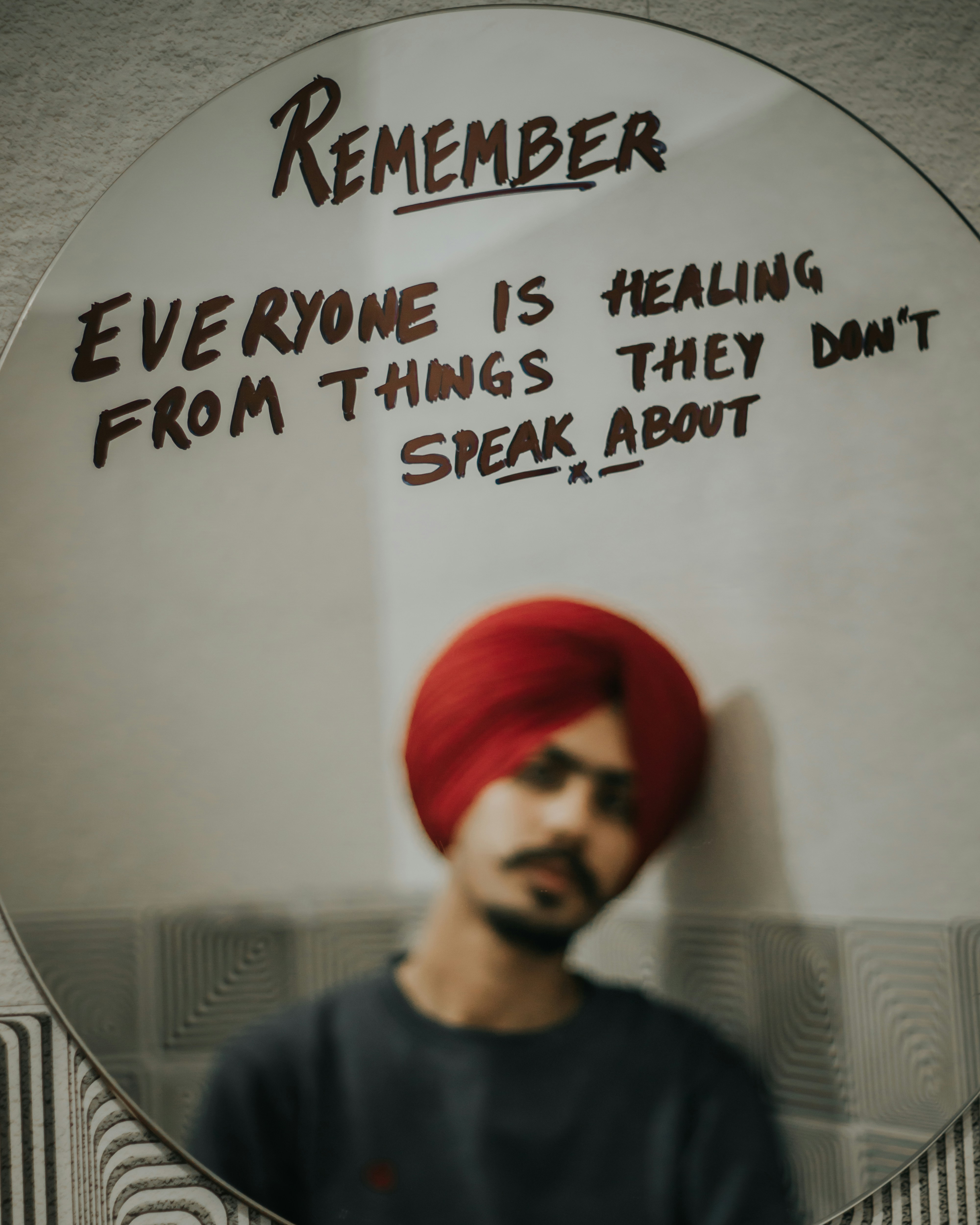
Understanding Dua: The Divine Conversation
Dua, in the context of Islam, represents a profound form of communication between a believer and Allah. It embodies prayer and supplication, providing individuals the opportunity to express their deepest needs and desires. This act of invocation is fundamental in one’s spiritual life, serving not only as a means of seeking assistance and guidance but also as a pathway for healing both emotional and physical ailments.
The significance of dua transcends mere words; it is viewed as an essential part of a Muslim’s faith and spirituality. By engaging in dua, believers acknowledge their dependence on Allah’s mercy and wisdom. This reliance fosters a deeper connection with the Divine, especially during times of distress, illness, or hardship. Thus, dua is not only a request for help, but also an affirmation of faith, reinforcing the idea that Allah is the ultimate source of healing and support.
Dua can take various forms and intentions, each tailored to the supplicant’s circumstances. These may include personal supplications for health, forgiveness, guidance, and protection. Some duas are derived from the Quran and Hadith, while others are spontaneous, reflecting the individual’s thoughts and feelings. Most importantly, the sincerity behind the dua holds great significance, as it is the intent and humility of the supplicant that evoke a response from Allah.
In essence, dua encapsulates a myriad of emotions and aspirations, resonating with the heart of a believer. It embodies a two-way conversation wherein believers are encouraged to express both their praises and petitions. Through this divine interaction, individuals cultivate a spirit of perseverance and hope, continuously seeking solace in their faith and the promise of divine intervention in overcoming their challenges.
The Importance of Prayer in Healing
Prayer, particularly in the form of dua, serves as a profound spiritual practice that transcends mere words, profoundly impacting both physical and mental health. The act of prayer involves a deep, personal connection with a higher power, creating a psychological sense of support and comfort that can be essential during times of illness. Various studies have sought to explore the intricate relationship between spirituality and well-being, often revealing that individuals who engage in regular prayer experience lower levels of anxiety, greater resilience, and enhanced coping mechanisms during health challenges.
The spiritual aspect of healing is not universally understood but is rooted in many traditions around the world. For instance, research has illustrated that individuals who pray regularly report higher levels of hope and optimism, which are crucial for maintaining mental health. Belief in a higher power can foster a sense of purpose and belonging, attributes that are significantly linked to emotional well-being. The therapeutic effects of prayer, including dua, become evident as they instill a sense of control, reduce stress levels, and promote holistic healing.
Furthermore, some studies suggest that prayer may invoke physiological responses that contribute to improved health outcomes. For example, individuals who pray often present lower blood pressure levels and enhanced immune function. These findings suggest that the practice of prayer can assist not only in emotional healing but also in physical recovery. The collective power of prayer within communities is noteworthy; group prayers can amplify feelings of support and connection, further fostering a healing environment. Thus, the importance of prayer in healing cannot be understated, as it encapsulates the profound interplay between spirituality and well-being, emphasizing the inherent strength that faith can provide in times of need.
Dua for Removing Diseases: What to Recite
Within the tradition of spiritual healing, the recitation of specific prayers, known as dua, plays a pivotal role in invoking divine assistance for the alleviation of diseases. One particular dua that is often recommended for those seeking relief from ailments is known as “Surah Al-Fatiha”. This chapter holds profound significance in Islam and comprises a prayer that beseeches God for guidance, mercy, and healing.
The Arabic text of this dua is as follows:
بِسْمِ اللَّهِ الرَّحْمَـٰنِ الرَّحِيمِ
الْحَمْدُ لِلَّهِ رَبِّ الْعَالَمِينَ
الرَّحْمَـٰنِ الرَّحِيمِ
مَالِكِ يَوْمِ الدِّينِ
إِيَّاكَ نَعْبُدُ وَإِيَّاكَ نَسْتَعِينُ
اهْدِنَا الصِّرَاطَ الْمُسْتَقِيمَ
صِرَاطَ الَّذِينَ أَنْعَمْتَ عَلَيْهِمْ
غَيْرِ الْمَغْضُوبِ عَلَيْهِمْ وَلَا الضَّالِّينَ
Phonetically, this can be transliterated as:
Bismillah-ir-Rahman-ir-Rahim
Alhamdu lillahi Rabb-il-‘Alamin
Ar-Rahman-ir-Rahim
Maliki Yawm-id-Din
Iyya kana’budu wa iyya kanasta’een
Ihdinas-Siratal-Mustaqim
Siratal-ladhina an’amta ‘alayhim
Ghayril-Maghdubi ‘alayhim walad-Dallin
The meaning of this dua translates to: “In the name of Allah, the Most Gracious, the Most Merciful. Praise be to Allah, the Lord of all the worlds. The Most Gracious, the Most Merciful. Master of the Day of Judgment. You alone we worship, and You alone we ask for help. Guide us on the Straight Path, the path of those who have received Your grace; not the path of those who have brought down wrath upon themselves, nor of those who have gone astray.” Through this invocation, one can hope to draw upon divine support in overcoming physical and emotional challenges.
In addition to Surah Al-Fatiha, another notable dua is the “Ayat Al-Shifa” (Verses of Healing). This dua emphasizes reliance on God’s healing power, expressing faith in His ability to cure all ailments. The recitation of these prayers with sincerity and devotion is believed to invoke blessings and serve as a source of comfort for those in need of healing.
How to Properly Perform Dua for Healing
Engaging in dua, or supplication, is a profound practice for those seeking healing and solace. For effective dua, it is crucial to adopt the appropriate mindset and follow certain etiquettes that enhance the spiritual experience. First and foremost, one should approach the act of making dua with a heart full of sincerity and humility. This involves acknowledging one’s needs and desires openly before the Creator, which can deepen the connection between the individual and the divine.
Timing can also play a significant role in the efficacy of dua. Scholars suggest that certain moments are more auspicious for invoking prayers. These include the last third of the night, during the breaking of fast, after obligatory prayers, and on Fridays when the hour of acceptance is believed to fall. Being mindful of these times can add strength to the supplication and allow for a more focused intent on healing.
Focusing one’s heart and intentions during dua is equally essential. To achieve this, one should find a quiet space, devoid of distractions, and take a moment to reflect on the purpose of the invocation. It is important to clearly articulate the requests being made, whether for physical healing, emotional support, or spiritual guidance. Visualizing the desired outcome can significantly motivate the heart, further reinforcing the intention behind the dua.
Sincerity in faith is another cornerstone of performing dua effectively. Belief in the power of Allah to respond to prayers is vital. One should not merely recite words but rather engage with them, embodying the trust that healing will manifest in its own time and manner. This faith must be coupled with patience and gratitude, acknowledging that the answer may not always come in the format expected.
In conclusion, properly performing dua for healing requires a balanced approach combining sincerity, timely invocation, committed focus, and unwavering faith. Embracing these principles can facilitate a profound spiritual experience and potentially invite healing into one’s life.
Islamic Teachings on Health and Disease
In Islam, health and wellness are regarded as pivotal aspects of an individual’s life. The teachings of the Quran and Hadith highlight the importance of maintaining physical health while underscoring the significance of spiritual practices, including dua (supplication). Allah has placed great value on the well-being of individuals, and as believers, Muslims are encouraged to seek medical treatment alongside their spiritual endeavors.
A notable Hadith from the Prophet Muhammad (peace be upon him) emphasizes this dual approach: “There is no disease that Allah has created, except that He also has created its treatment.” This statement illustrates that seeking medical assistance is not only permissible but is also a form of honoring one’s body, which is seen as a trust from Allah. Therefore, believers are encouraged to seek knowledgeable practitioners and embrace various healing methods. Similarly, the teaching underscores that one’s faith and dependence on Allah through dua can notably enhance the effectiveness of medical interventions.
The Quran supports this holistic view of health. Verses that refer to the preservation of life and the prohibition of self-harm contribute to a comprehensive understanding of illness as both a physical and spiritual challenge. The dua serves as a spiritual remedy, seeking Allah’s help in times of distress. Seeking healing through dua is encouraged; believers are reminded to maintain faith and to invoke Allah with sincerity and devotion while also striving to find suitable medical treatments.
Furthermore, the balance between physical effort and spiritual reliance fosters a comprehensive wellness approach. By adhering to these teachings, Muslims recognize the importance of taking proactive steps to safeguard their health while remaining spiritually conscious. This integration of dua and medical care illustrates a profound understanding of health as a multifaceted endeavor, rooted in faith and practical action.
Personal Testimonials: Healing through Dua
The power of dua, or prayer, in healing is illustrated through countless personal experiences shared by individuals who have faced health challenges. Many have found solace and recovery in their spiritual invocations, demonstrating the profound impact of faith during trying times. For instance, a middle-aged woman experiencing chronic migraines turned to dua as a last resort after trying numerous medical treatments that yielded no results. On the brink of despair, she dedicated her nights to prayer, seeking divine intervention. After several weeks, she reported a significant reduction in her symptoms, attributing her healing to her steadfast faith and consistent dua practice.
Similarly, a young man diagnosed with a life-changing illness recounts how turning his focus toward dua transformed his mental and emotional well-being. Initially overwhelmed by fear and anxiety, he began committing regular time each day for prayer, seeking not only physical healing but also peace of mind. He noticed changes not just in his health, but also in his outlook on life, emphasizing the holistic benefits of integrating spiritual practice into healthcare.
These testimonials extend to families who have turned to collective dua for their loved ones. A mother whose child suffered from severe asthma recognized the limitations of conventional treatments and turned to prayer with her family. Their joint efforts in invoking powerful duas reportedly created a more positive atmosphere in their home, and over time, her child experienced fewer asthma attacks. This case illustrates how the combined energy of belief and community prayer can uplift spirits and foster healing.
Such narratives emphasize that while medical science plays a crucial role in health recovery, the integration of spirituality through dua enhances the healing journey. These personal accounts reflect an increasing recognition of the strength found in faith and prayer as a source of support when facing health adversity.
The Role of Community and Collective Dua
The power of dua extends beyond personal supplication; it flourishes within the framework of community support and collective invocation. Gatherings for collective dua play a significant role in not only addressing individual health issues but also in fostering a sense of unity among participants. When individuals join in prayer, they harness a collective energy that can amplify their intentions and desires, creating an environment that is conducive to healing.
Collective dua gatherings, whether formal or informal, emphasize the importance of coming together to seek divine assistance. These assemblies serve as sanctuaries where individuals can share their struggles and triumphs, enhancing emotional support and nurturing relationships within the community. The act of praying together establishes a bond that often transcends individual experiences, reinforcing spiritual and emotional connections.
Moreover, the collective act of praying can strengthen the faith of participants. Witnessing others’ sincerity and devotion can inspire individuals to deepen their own spiritual practices. In times of illness or distress, being part of a community that actively engages in dua can foster hope and resilience. The shared experiences during these gatherings often provide comfort, reminding individuals that they are not alone in their struggles, but are supported by a network of fellow believers.
Furthermore, organizing regular prayer groups or dua sessions can instill discipline and continuity in spiritual practices. Consistent participation not only enriches individual faith journeys but also builds a supportive atmosphere where members encourage one another. The ripple effect of this support is profound, as it not only uplifts individual spirits but also contributes to the health and well-being of the entire community. In this way, collective dua does not merely seek the alleviation of ailments but cultivates a spiritually vibrant environment that nurtures holistic health.
Combining Dua with Other Healing Practices
The practice of dua holds a significant place in spiritual healing, particularly within various religious traditions that endorse prayer as a means to attain peace and well-being. However, to maximize the benefits of dua, it can be synergistically combined with other health-promoting practices such as meditation, prayer, and healthy lifestyle choices. This holistic approach emphasizes that spiritual and physical well-being are interconnected, and addressing both can lead to improved health outcomes.
Integrating meditation with dua can amplify the healing experience. Meditation allows individuals to achieve a state of mindfulness, fostering an environment that is conducive to spiritual reflection. When one engages in dua, implementing a meditative state—where the focus drifts entirely on the supplication and its meanings—can create a profound connection to the divine. This mindfulness practice not only assists in alleviating stress but also channels positive energy towards the process of healing.
Incorporating physical activities is also essential for a well-rounded approach. Engaging in regular exercise and maintaining a balanced diet are critical aspects of health that should not be overlooked. When a person takes care of their body, they create a robust platform for spiritual practices like dua to thrive. Following a healthy lifestyle enhances overall well-being, thus making the practice of dua more effective in addressing health concerns.
Moreover, prayer in other forms—whether formal or informal—offers another layer of support. Regularly invoking divine guidance through various prayer rituals alongside dua can facilitate a deeper sense of trust and surrender to the healing process. Embracing a comprehensive approach that includes dua, meditation, and healthy living fosters not only spiritual rejuvenation but also physical wellness, ultimately promoting holistic well-being.
Conclusion: Embracing Faith for Healing
In acknowledging the profound role that dua, or spiritual invocation, plays in the healing process, one finds a remarkable intersection between faith and wellness. Throughout this discussion, we have explored how the practice of dua not only serves as a means of seeking divine assistance but also fosters a sense of inner peace and clarity amidst life’s challenges. The very act of invoking names, attributes, and supplications through dua can translate into a tangible source of strength, aiding individuals in their battle against ailments.
Moreover, integrating faith into the healing journey encourages a holistic approach to wellness. When individuals turn to dua, they often experience a shift in perspective; their focus shifts from despair to hope, and from illness to recovery. This powerful spiritual tool not only bolsters one’s resolve in times of hardship but also enhances overall resilience, allowing individuals to confront their conditions with a renewed sense of determination.
It is essential to highlight that while medical interventions are crucial in treating disease, complementing them with spiritual practices such as dua can significantly empower individuals. Many find solace in the belief that they are not alone in their struggles, as their faith offers both comfort and community. Through prayer, individuals can cultivate a supportive network, drawing strength from shared beliefs and experiences.
Ultimately, embracing the power of dua is an invitation to harmonize spiritual and physical healing. It reinforces the understanding that illness can be approached not only through conventional medicine but also through nurturing the spirit. As readers reflect on this powerful aspect of their faith, they are encouraged to adopt dua as a central element in their journey toward wellness and recovery.
Leave a Reply