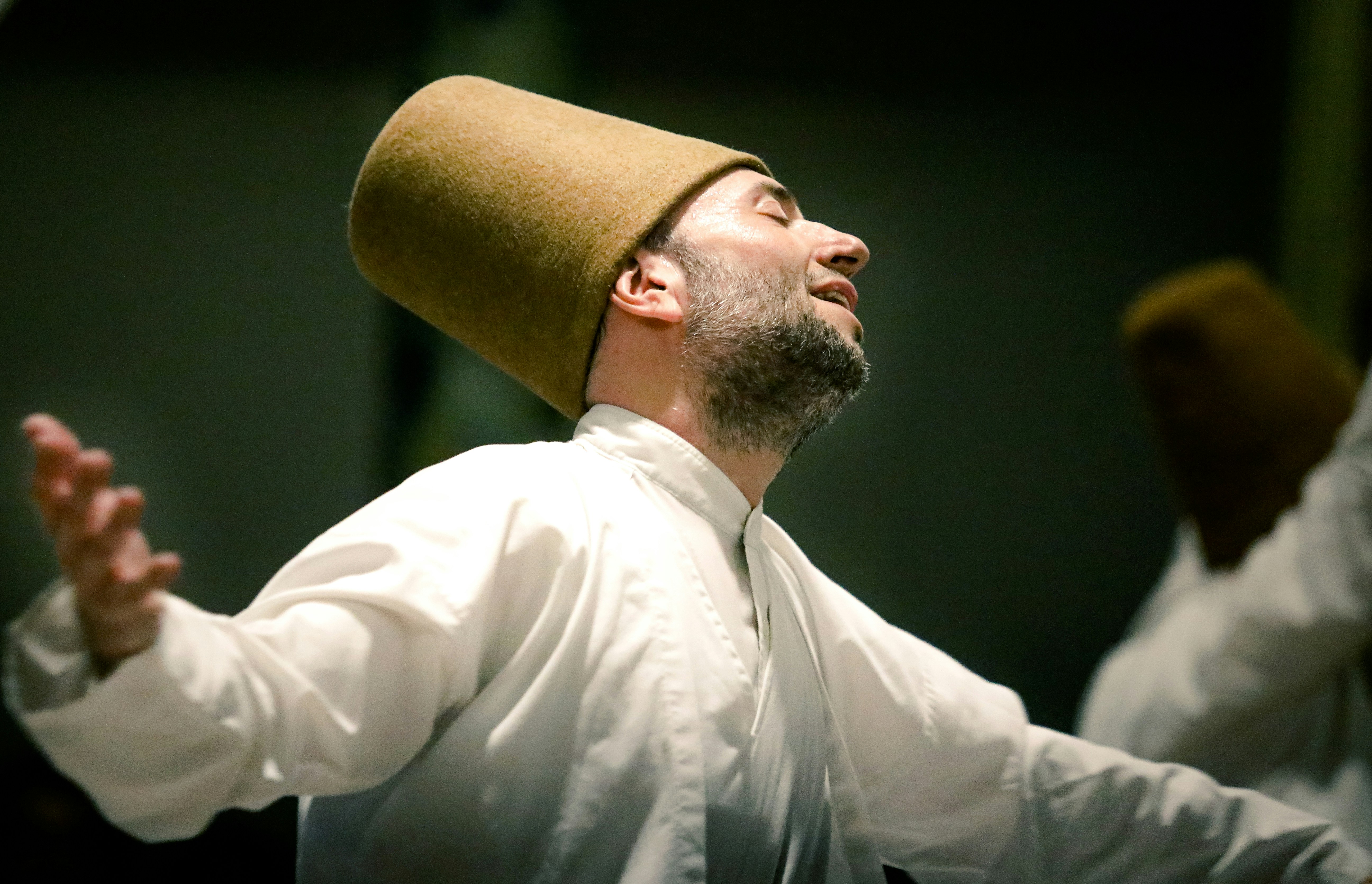
What is Spiritual Healing?
Spiritual healing is a practice that encompasses a variety of techniques and traditions aimed at restoring balance and harmony to an individual’s spiritual well-being. It operates on the premise that the mind, body, and spirit are interconnected, and that disturbances in one area can affect the others. By addressing these imbalances, spiritual healing seeks to foster inner peace and promote holistic wellness.
Unlike conventional medicine, which primarily focuses on physical symptoms and treatment of ailments through pharmacological or surgical means, spiritual healing engages with the emotional and spiritual aspects of well-being. Many cultures and spiritual traditions recognize that true healing transcends mere physical restoration, as it incorporates emotional clarity and spiritual nurturing. Through the context of various practices, including meditation, energy work, and shamanism, spiritual healers utilize their intuitive skills to facilitate emotional and spiritual growth.
The significance of spiritual healing varies across cultures. In some Indigenous cultures, it is often regarded as a necessary component in sickness recovery, while in Eastern philosophies, practices such as Reiki, acupuncture, and yoga draw from a deep understanding of energy flow within the body. These methodologies illustrate that spiritual healing not only aids in personal healing journeys but also serves to reclaim cultural heritage and promote community resilience.
In summary, spiritual healing is a broad approach to wellness that emphasizes the connection between spiritual, emotional, and physical health. By offering an alternative path to healing, it invites individuals to explore and cultivate their spirituality, ultimately contributing to a more integrated understanding of well-being.
The Principles of Spiritual Healing
Spiritual healing is grounded in several key principles that govern how energy flows within and around us. At its core, spiritual healing recognizes that everything in existence is composed of energy. This energy manifests in various forms, influencing our physical, emotional, and spiritual well-being. By understanding the vibrational nature of existence, practitioners can tap into these energies to facilitate healing.
One of the foundational concepts in spiritual healing is the chakra system, which identifies seven primary energy centers within the body. Each chakra is associated with specific physical, emotional, and spiritual functions. For instance, the root chakra relates to our survival instincts, while the heart chakra is tied to love and compassion. When these energy centers are blocked or unbalanced, it can lead to physical ailments or emotional distress. By employing techniques such as meditation, visualization, and energy manipulation, spiritual healers aim to restore balance and flow within these chakras.
Another significant aspect is the connection between mind, body, and spirit. This holistic approach posits that a disturbance in one area can adversely affect the others. Spiritual healers work with clients to promote an understanding of this interconnectedness, encouraging individuals to reflect on their thoughts, emotions, and spiritual practices. The healing process is profoundly personal and requires a willingness to engage with one’s own inner landscape.
The role of intention and intuition in spiritual healing cannot be overstated. Healers often set clear intentions for their work, as intentions can direct energy and focus healing efforts. Additionally, intuition serves as a guiding force, helping practitioners perceive the unique needs of their clients. By integrating these elements, spiritual healers aim to provide tailored healing experiences that promote overall wellness and spiritual growth.
Different Methods of Spiritual Healing
Spiritual healing encompasses an array of practices aimed at restoring balance and harmony within the individual. Each method employs distinct techniques and philosophies, yet all share a common goal: to promote well-being and spiritual growth.
One prevalent method is Reiki, a Japanese technique that focuses on channeling energy to heal. Practitioners use their hands to transfer universal life force energy, which can help alleviate stress, reduce pain, and promote relaxation. Reiki sessions often take place in a serene environment, allowing individuals to disconnect from daily pressures and facilitate healing.
Crystal healing is another popular approach, harnessing the natural energies of crystals and gemstones. Each crystal is believed to vibrate at specific frequencies, which can influence the human energy field. By placing crystals on or around the body, practitioners aim to clear blockages and restore energetic balance, thus enhancing mental clarity and emotional stability.
Meditation is an integral part of many spiritual healing practices. This technique encourages mindfulness and self-awareness, allowing individuals to connect with their inner selves. Many forms of meditation focus on breath control, visualization, or mantra repetition, leading to enhanced concentration and a calm mind. Regular practice can result in reduced anxiety and improved emotional health.
Sound therapy, utilizing instruments such as singing bowls or gongs, leverages the power of sound frequencies to facilitate healing. The vibrations produced can induce deep relaxation and help to release tension within the body. This method is often used to enhance meditative states and promote overall well-being.
Each of these methods offers unique benefits and can be tailored to an individual’s specific needs, making spiritual healing a versatile approach to achieving holistic wellness.
The Role of a Spiritual Healer
A spiritual healer plays a crucial role in facilitating the healing process for individuals seeking emotional, mental, or spiritual rejuvenation. Their responsibilities often encompass a range of practices aimed at promoting holistic well-being. A fundamental aspect of this role involves listening attentively to clients, understanding their unique experiences, and addressing their specific concerns. By cultivating a compassionate and empathetic environment, spiritual healers enable clients to feel safe and supported throughout their healing journey.
In terms of methodology, spiritual healers utilize various tools and techniques tailored to the needs of each individual. Common approaches include energy healing, meditation, and intuitive guidance. Energy healing techniques, such as Reiki or crystal therapy, aim to balance the individual’s energy fields, facilitating emotional release and physical healing. Meditation practices may serve as a means of profoundly aligning the mind and body, allowing clients to access deeper states of awareness. Intuitive guidance often involves a spiritual healer drawing upon their own experiences, insights, and intuitive abilities to support clients in navigating their struggles.
Furthermore, the importance of creating a safe and supportive environment cannot be overstated. A spiritual healer must establish trust and confidentiality, enabling clients to explore sensitive issues without fear of judgment. This secure setting fosters open communication and helps clients engage more fully in the healing process. Ultimately, the role of a spiritual healer interlinks numerous responsibilities, including active listening, employing diverse healing techniques, and ensuring a nurturing atmosphere, all critical elements in empowering individuals on their path to self-discovery and healing.
Benefits of Spiritual Healing
Spiritual healing offers a multitude of benefits that can profoundly impact one’s emotional and mental state, contributing to an overall sense of well-being. One of the primary advantages of spiritual healing is its ability to facilitate emotional healing. Many individuals experience unresolved emotional traumas or distress stemming from past experiences. Through spiritual healing practices, these individuals can achieve a sense of inner peace, allowing the release of pent-up emotions in a safe and nurturing environment.
Another significant benefit is stress reduction. In today’s fast-paced world, stress can take an enormous toll on both mental and physical health. Spiritual healing techniques, such as meditation, energy healing, and guided visualization, provide tools that help individuals manage stress effectively. Studies have shown that engaging in regular spiritual practices can lead to lower cortisol levels and a more balanced emotional state, promoting a calm and centered existence.
Additionally, spiritual healing fosters increased self-awareness. Many healing practices encourage individuals to delve deeper into their thoughts, emotions, and spiritual beliefs, cultivating a greater understanding of self. This enhanced self-awareness often leads to positive life changes, encouraging individuals to align their actions and decisions with their values and beliefs.
The promotion of overall well-being is perhaps the most encompassing benefit of spiritual healing. Participants often report improvements in their relationships, as healing fosters forgiveness and compassion. Real-life testimonials highlight how individuals have transformed their lives, overcoming obstacles and achieving a newfound clarity that enhances their personal and professional relationships.
In summary, the benefits of spiritual healing are extensive, making it a valuable practice for those seeking emotional healing, stress relief, increased self-awareness, and an overall enhancement of well-being.
Finding a Spiritual Healer
When seeking a reputable spiritual healer, the journey often begins with research and personal reflection. Start by asking for recommendations from trusted friends or family members who may have experience with spiritual healing. Additionally, online reviews and testimonials can provide insight into the healer’s effectiveness and approach. Make sure to verify any credentials or qualifications to ensure that they are recognized within the spiritual community.
During the initial consultation, it is essential to ask pertinent questions that will help gauge the healer’s suitability for your needs. Inquire about their background, training, and experience. Understanding their methods and philosophies can give you a sense of whether their approach aligns with your personal beliefs and values. Questions regarding their experience with situations similar to yours can also illustrate their competence, helping you feel more confident in your choice.
Trusting your intuition is a crucial component of this process. After interacting with a potential healer, take note of how you feel about the connection established. A positive intuition or feeling of comfort can signal that this individual may be the right fit for you. Conversely, feelings of unease or skepticism can indicate a need to continue searching. Remember that spiritual healing is a deeply personal journey, and the relationship with a healer can significantly impact your overall experience.
Finally, consider whether the healer practices in a manner that respects your autonomy. A good spiritual healer will empower you by encouraging self-discovery while providing assistance. By focusing on these aspects, you can enhance your chances of finding a spiritual healer who meets your needs and aids you on your path of healing.
The Challenges and Misconceptions of Spiritual Healing
Spiritual healing, a practice often viewed with skepticism, faces numerous challenges and misconceptions that can obscure its benefits and effectiveness. One major challenge is the skepticism prevalent in modern society, where empirical evidence is often favored over holistic approaches. This skepticism is fueled by a lack of scientific studies supporting some spiritual practices, leading many to dismiss spiritual healing as pseudoscience. However, it is essential to recognize that spiritual healing encompasses a wide range of practices that may not always fit neatly into empirical frameworks yet can still provide significant benefits to individuals.</p>
Cultural differences also play a significant role in the perception of spiritual healing. In many cultures, spiritual practices are deeply woven into the fabric of daily life, seen as vital processes for mental, emotional, and physical well-being. Conversely, in Western cultures, alternative healing practices often face misinterpretation and marginalization. This cultural disconnect can create barriers for individuals seeking spiritual healing, as they may struggle to reconcile traditional beliefs with modern medical practices. The challenge lies in bridging these cultural gaps and fostering a respectful dialogue around the value of spiritual healing.</p>
Moreover, the potential for misuse or misunderstanding of spiritual healing practices can pose significant challenges. Some individuals may exploit the vulnerability of others, promoting fraudulent healing practices that do not yield genuine benefits. This exploitation can deter genuine seekers of healing and contribute to the negative perception of spiritual healing as a whole. Education and awareness are crucial in combatting these misconceptions, ensuring that individuals approach spiritual healing with an open and informed mindset, recognizing its varied dimensions and respecting its potential.</p>
Integrating Spiritual Healing into Daily Life
Incorporating spiritual healing practices into daily living can significantly enhance an individual’s overall well-being. Such practices often include meditation, mindfulness, and energy work, all of which are accessible for individuals seeking to establish a deeper connection with themselves and their surroundings.
Meditation is a foundational practice in spiritual healing, allowing individuals to cultivate inner peace and clarity. To integrate meditation into one’s routine, begin by setting aside a specific time each day—preferably in the morning or before sleep. This practice can range from a few minutes of deep breathing to more structured guided meditations, which can be found in various apps or online. Regular mediation not only fosters relaxation but also enhances one’s ability to manage stress and anxiety.
Mindfulness, the act of being fully present in the moment, is another essential aspect of spiritual healing. Simple mindfulness exercises can be woven into daily activities such as eating, walking, or even working. For instance, when consuming a meal, focus on the flavors, textures, and aromas, rather than multitasking or being distracted. This presence allows for a deeper appreciation of life’s simple moments and contributes to emotional healing.
Energy work, including practices such as Reiki or breathing exercises, can be practiced at home to promote healing and balance. One could start by learning basic techniques, like chakra alignment or grounding exercises, that can be done independently. Incorporating practices such as these into one’s daily routine not only serves to enhance personal wellness but also enables individuals to create a harmonious environment that fosters spiritual growth.
Establishing a dedicated space for these practices—whether it be a quiet corner of a room or an outdoor setting—can also enhance the positive effects of spiritual healing. With consistent practice and intentionality, individuals can integrate spiritual healing into their daily lives, leading to a profound transformation of their overall health and well-being.
Conclusion: Embracing a Holistic Approach
As we reflect on the multifaceted role of a spiritual healer, it becomes evident that holistic healing offers a significant complement to traditional medical practices. Spiritual healing encompasses an array of methods designed to address not only the physical body but also the emotional and spiritual aspects of an individual’s being. This integrative approach fosters a deeper understanding of health, where the interplay between these dimensions contributes to overall well-being.
Throughout this discussion, we have highlighted how spiritual healers facilitate personal transformation and emotional healing, often using techniques such as energy healing, meditation, and intuitive guidance. These practices empower individuals to reconnect with their inner selves, enabling them to release negative patterns and embrace positive change. This level of engagement is vital in promoting mental clarity, emotional stability, and spiritual awareness.
Furthermore, the collaborative relationship between spiritual healers and their clients serves to enhance the healing process. By providing a safe and supportive environment, healers can guide individuals on their journey towards achieving balance and harmony in their lives. This synergistic relationship often results in self-discovery and personal growth, reinforcing the idea that healing is not merely a destination but a journey.
In conclusion, incorporating spiritual healing as part of a comprehensive health strategy can be beneficial for those seeking to enhance their overall quality of life. Recognizing the value of this approach allows individuals to experience a more profound connection to themselves, others, and the greater universe. The integration of holistic practices with conventional treatments can lead to improved health outcomes, emphasizing the importance of a balanced approach to well-being.
Leave a Reply