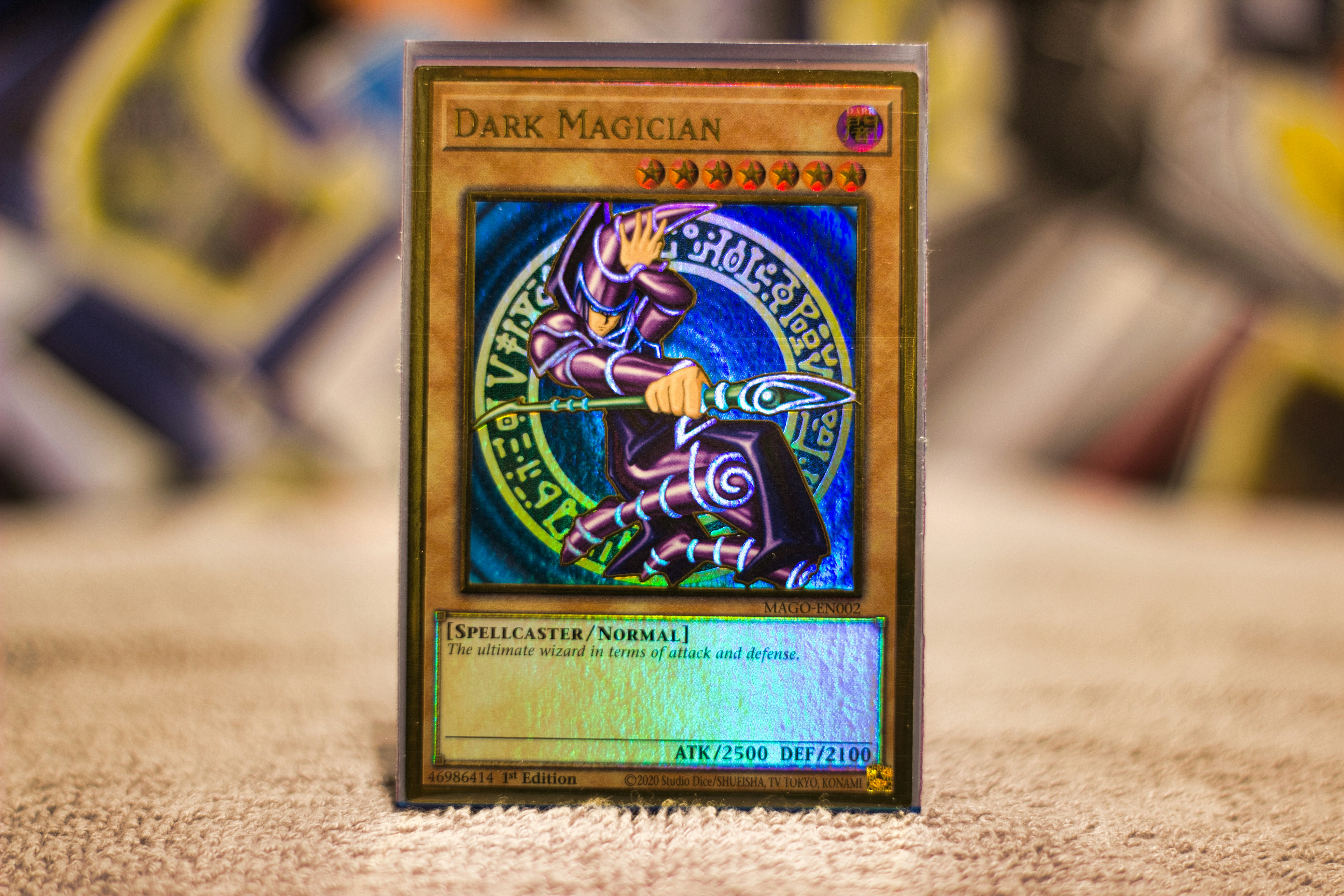
Understanding Black Magic
Black magic, often regarded as the darker counterpart of magic practices, involves the use of supernatural powers or abilities to influence events, usually for personal gain or harm. Unlike white magic, which is typically associated with benevolence and healing, black magic is often seen as malevolent and manipulative, aiming to bring about negative consequences or to control individuals against their will.
The historical context of black magic dates back to ancient civilizations, where it was often intertwined with religious practices and folklore. Cultures throughout history have employed various forms of magic, from necromancy to curses, that today fall under the umbrella of black magic. In many societies, practitioners were feared and marginalized, as their rituals often challenged societal norms or religious doctrines. In some instances, black magic was associated with witchcraft, leading to witch hunts and persecution during different historical eras.
While the perception of black magic can vary significantly across cultures, it often symbolizes a breach of moral boundaries. For some societies, black magic is a legitimate form of strategy, a tool for revenge or protection against perceived wrongs. In contrast, others view it as an abomination, a practice that should be condemned. This dichotomy highlights the cultural interpretations that shape how black magic is perceived, ranging from a feared threat to an accepted means of achieving one’s desires.
Moreover, the distinction between black and white magic often lies in the intent behind the magic performed. White magic focuses on the welfare of others and often involves healing or protective spells, while black magic is employed for selfish motives. This variance in intent underscores the ethical considerations surrounding magic practices, emphasizing the societal views that label certain practices as harmful and others as healing.
Legal Status Around the World
The legal status of black magic varies significantly across different countries and cultures, reflecting a wide spectrum of beliefs and legislative approaches. In some regions, practices associated with black magic are fully legal, while in others, they may be completely prohibited or subject to stringent regulations.
For instance, in countries like the United States and Canada, the practice of black magic, often viewed as a component of witchcraft or folk practices, is not specifically legislated against. However, if such practices lead to harm or exploitative outcomes, they may fall under laws addressing fraud or assault. Various states have distinct laws and regulations, making the legal framework somewhat complex.
Conversely, in parts of Africa, particularly nations like Ghana and Uganda, traditional medicine and spiritual practices, which may include elements of black magic, are often legally recognized. However, practices that involve harm or coercion, such as human sacrifice or witch hunts, are strictly outlawed. Noteworthy cases involving witchcraft accusations have led to legal reforms aimed at protecting individuals from persecution.
In European countries such as Germany and Italy, the legal stance on black magic can be quite restrictive, especially if it leads to the potential for public harm. For example, many European countries have laws against the use of magic for fraudulent purposes or causing distress to individuals. The enforcement of these laws, however, tends to vary significantly.
In Asia, nations like India embrace a variety of spiritual practices, including some forms of black magic, but there are ongoing debates surrounding the ethical implications and human rights of such practices. The Indian Penal Code addresses certain practices deemed harmful, such as superstitious beliefs and rituals that encourage abuse.
The Cultural Significance of Black Magic
Black magic has historically been intertwined with the cultural and religious beliefs of various societies. In many cultures, the practice of black magic is perceived differently, ranging from curiosity to outright condemnation. This divergence in perception can significantly influence the legal frameworks governing its practice. For instance, in some Indigenous cultures, black magic may be regarded as a traditional practice with deep-rooted cultural significance, serving purposes such as healing or protection. Here, it may be protected under legal frameworks that respect cultural heritage and practices.
Conversely, in more mainstream religious contexts, black magic is often viewed as an aberration or a threat to moral values. In Christianity, for instance, it is frequently associated with sin, demonic influence, and moral decay. This negative connotation can lead to stringent legal repercussions for those accused of practicing black magic, reflecting broader socio-religious attitudes toward such activities. In countries where religious laws influence national law, these interpretations can result in credible legal consequences for traditional practitioners.
Additionally, the cultural significance of black magic also shapes attitudes around legal exemptions. For instance, in places like Jamaica, the Rastafarian community embraces certain practices deemed mystical, which can include elements of black magic. Local laws may afford certain protections to this community, recognizing its cultural heritage, thus allowing the practice to persist without legal interference. Such cultural legal exemptions highlight the complexities of integrating traditional practices within broader legal and societal frameworks.
Overall, understanding the cultural significance of black magic offers vital insights into its diverse perceptions across different societies and underscores how these views impact the legal treatment of such practices. As societies evolve, the legal standing of black magic continues to be influenced by ongoing cultural dialogues, reflecting an intricate balance between tradition, belief, and legal norms.
Famous Cases Involving Black Magic Legalities
The intersection of legal systems and practices associated with black magic has led to significant cases from various regions. One of the most renowned historical cases regarding black magic’s legal implications occurred in 1692 in Salem, Massachusetts. The Salem Witch Trials represent a dark chapter in American history, where accusations of witchcraft resulted in numerous arrests, trials, and the execution of twenty individuals, predominantly women. This event was propelled by societal fears and a lack of understanding of natural phenomena, raising questions about the legality of using spectral evidence—testimony of visions—during trials.
In more contemporary times, the case of People v. Lacey in the early 2000s highlighted legal disputes pertaining to alleged black magic. A group of individuals in California was charged with practicing unauthorized magic, affecting the well-being of local residents through purported curses. This case presented a unique challenge for the judiciary, grappling with the definitions of legal practices versus cultural beliefs and the essence of freedom of religion under the First Amendment. Ultimately, the court dismissed the charges, underscoring that while black magic might be considered controversial or unethical by some, it does not necessarily equate to legal action unless accompanied by tangible harm or fraud.
Another notable example is found in Tanzania, where accusations of witchcraft have tragically resulted in violence against women, often leading to murder. In 2008, over 60 women were killed due to witchcraft allegations, prompting international condemnation. The government’s legal responses aimed to combat violence against those accused while acknowledging the deeply ingrained cultural beliefs that complicate the enforcement of laws against such practices. These cases illustrate how societal perceptions of black magic influence legal outcomes and underscore the challenges authorities face when addressing cultural beliefs and practices.
Black Magic and Freedom of Religion
The relationship between black magic and freedom of religion raises complex legal and ethical issues, particularly in jurisdictions where religious practices are constitutionally protected. Freedom of religion is a fundamental human right, recognized by numerous international conventions, including the Universal Declaration of Human Rights. This protection extends to the belief in and practice of various spiritual and religious traditions, including those that may involve elements perceived as black magic.
In several countries, legal systems must confront the intersection of black magic practices with established laws governing unethical or harmful behavior. For instance, individuals who practice forms of black magic, whether as part of a recognized religion or as separate spiritual endeavors, often encounter opposition, sometimes leading to legal conflicts. In nations with strong secular frameworks, practitioners may find themselves in legal trouble if their activities are interpreted as harmful or dangerous, despite claiming religious freedom.
Different countries handle these dilemmas in various ways. In the United States, for example, the First Amendment offers broad protections for religious practices, yet courts have occasionally drawn the line at practices deemed harmful, such as those involving self-harm or coercion. Conversely, in certain African and Asian countries, traditional practices, including various forms of black magic, are routinely integrated into societal norms and are often legally permissible.
Furthermore, it is essential to consider the cultural context when evaluating how black magic is treated legally. In societies where superstitious beliefs are entrenched, black magic might be accepted and incorporated into cultural identity. However, practices deemed harmful or exploitative often face scrutiny and potential legal ramifications.
This tension between freedom of religion and the legal restrictions on black magic practices reflects broader societal values, raising important questions about cultural tolerance, individual rights, and the role of the law in governing personal beliefs.
Ethical Considerations of Black Magic
The realm of black magic brings forth numerous ethical dilemmas that challenge our moral compass. Primarily, the practice invokes questions about the intent behind the rituals. Black magic is often associated with the desire to manipulate others, gain power, or inflict harm, raising concerns about personal accountability and the broader implications of such actions. Practitioners who engage in these activities may argue that their intentions are justified, yet such claims often lead to a myriad of philosophical debates regarding right and wrong.
One pivotal argument in this discourse centers around the potential repercussions of black magic on others. For instance, the practice can breach individual autonomy, violating ethical norms that typically govern interpersonal relationships. Critics contend that any form of sorcery aimed at controlling or altering someone else’s fate undermines free will and personal agency. This poses a significant concern, as it invites a range of consequences that could affect not only the targeted individual but also the practitioner and the surrounding community.
Moreover, the legality of black magic practices intersects with ethical considerations, as societies establish laws that reflect collective moral standards. While certain actions deemed as black magic may not be explicitly legislated against, the ethical implications often drive conversations around regulation and potential legal restrictions. People may find themselves divided on whether black magic should be accepted as a legitimate form of spiritual expression or if it warrants scrutiny and caution due to its potential for harm.
In light of these discussions, advocates and skeptics alike must grapple with the complex ethical landscape surrounding black magic. The moral acceptability of its practice remains subjective, largely shaped by individual beliefs and societal norms. As such, the intersection of ethics and law continues to inform the ongoing debate regarding the legitimacy of black magic in contemporary culture.
Psychological Perspectives on Black Magic Beliefs
Beliefs in black magic can be understood through various psychological frameworks that explore the motivations and societal contexts underpinning these phenomena. One foundational psychological perspective is rooted in the human need for control and understanding in the face of uncertainty. Individuals may resort to the belief in black magic as a coping mechanism when confronted with life’s unpredictability, seeking explanations for personal misfortunes or societal issues beyond rational comprehension.
Moreover, social learning theory suggests that beliefs in black magic often proliferate through cultural transmission. Children learn about these beliefs from their parents and community, thus perpetuating a cycle of superstition. This cultural endorsement fosters an environment where accusations of black magic can arise, leading to social stigmatization and sometimes even violent retaliation. In societies where black magic convictions are prevalent, such manifestations can escalate into consequences like vigilantism, as groups seek to ‘rectify’ perceived wrongs attributable to these beliefs.
The manifestation of these beliefs can also be linked to cognitive biases, such as the confirmation bias, where individuals seek out information that validates their existing beliefs while dismissing counter-evidence. This can create an illusion of causality where unrelated events are interpreted as being linked through magical reasoning. Furthermore, high levels of anxiety, fear, and social tension often exacerbate the inclination to attribute misfortunes to malevolent forces, including black magic.
Consequently, the psychological landscape surrounding black magic beliefs is complex, characterized by individual, cultural, and social dynamics that can lead to profound legal implications. In certain contexts, allegations of black magic may result in severe legal consequences, reflecting how psychological beliefs can influence societal behavior and legal systems. Understanding these perspectives sheds light on why certain communities may be quick to believe and accuse, often with tragic outcomes.
Future of Black Magic Legislation
The legal status of black magic, often controversial and complex, reflects broader societal attitudes towards spirituality, superstition, and personal freedom. As cultures evolve and societies shift, the future of black magic legislation may witness significant changes influenced by various emerging trends.
In recent years, there has been a notable rise in interest in alternative belief systems and practices, including witchcraft and spirituality. This resurgence, especially prevalent among younger generations, may lead to a reevaluation of existing laws surrounding black magic. Societal acceptance of diverse spiritual practices is likely to influence lawmakers to reconsider outdated legal frameworks that may unfairly discriminate against individuals who partake in such practices.
Moreover, the increasing awareness of mental health and well-being promotes the understanding that personal belief systems can play a healing role. This evolution may encourage the adoption of more inclusive legislation that respects individual rights to practice spiritual beliefs, including those associated with black magic. Furthermore, as discussions around freedom of religion gain prominence in many societies, it is plausible that black magic could garner more acceptance under the umbrella of personal expression and spiritual autonomy.
Conversely, emerging concerns related to the potential misuse of black magic for harmful intentions could lead to stricter regulations. Lawmakers may respond to societal apprehensions by implementing measures aimed at protecting individuals from fraud or harm, ensuring that black magic practices do not infringe on the rights and safety of others. Such potential legislation could focus on clearly delineating boundaries where the practice is deemed harmful.
As societies continue to grapple with these diverse perspectives, the future of black magic legislation will likely be shaped by a combination of cultural trends, social changes, and legal considerations striving for balance between personal liberties and societal welfare.
Conclusion: The Ongoing Debate
The question of whether black magic is legal has prompted significant discussion among legal scholars, ethicists, and practitioners of various spiritual beliefs. As a complex and often contentious topic, it raises various critical points regarding the intersection of law, morality, and personal freedom. In many jurisdictions, black magic, while considered taboo or frowned upon, does not explicitly fall under criminal activities. However, the practice sometimes attracts legal scrutiny due to accusations of fraud, manipulation, or even harm against individuals. This aspect of legality adds to the ongoing debate about how societies regulate spiritual practices, particularly those that elicit fear or superstition.
Further complicating the matter is the diverse cultural backdrop against which these practices are viewed. For instance, in some cultures, black magic is deeply rooted in tradition and often seen as a legitimate form of healing or spiritual guidance. The legality of black magic essentially reflects the broader societal values and fears regarding the unknown. As societies evolve, so too do their viewpoints on such mystical practices, leading to a reevaluation of laws in the context of personal beliefs and freedoms.
As we reflect on this dialogue, it becomes increasingly important for individuals to explore their beliefs surrounding black magic and its implications for their lives. The legal restrictions on spiritual practices, including black magic, raise uncomfortable questions about the right to practice one’s beliefs and the ethical ramifications of such practices. Whether one views black magic as a form of legitimate spiritual expression or as a practice fraught with potential harm, the debate is emblematic of larger societal conflicts concerning autonomy, belief, and morality.
Leave a Reply