Understanding Jinn and Their Hierarchical Structure
The concept of jinn has a rich history both within Islamic tradition and various mythological frameworks. Jinn, or djinn, are considered supernatural beings fashioned from smokeless fire, as mentioned in the Quran. They possess free will, much like humans, which allows them to engage in good or evil deeds, thereby influencing their portrayal across different cultures. Jinn are typically invisible to the naked eye, yet they inhabit parallel realms that coexist with our own, enabling them to interact with humans in various ways.
Within the Quranic narrative, jinn are noted for their diverse characteristics. They can assume various forms, including that of animal or human, and they are often depicted with distinct personalities and temperaments. For example, some jinn are benevolent and serve humans, while others, often referred to as “shayatin” or demons, seek to mislead and harm them. This duality contributes to their complexity, as jinn navigate between different realms and interact with multiple cultures, altering perceptions of their nature and role.
Central to the understanding of jinn is the concept of leadership among their kind, which is often manifested through a supreme entity or a leader, sometimes referred to as Iblis in Islamic contexts. This figure is believed to have a significant influence on how jinn conduct themselves and interact with the human world. By understanding the dynamics of jinn leadership and the characteristics of their leader, one can better comprehend the cultural nuances and implications tied to these entities. Their role in folklore and popular culture often reflects societal values and fears, emphasizing the importance of leadership and morality within their mythos.
The Role of the Leader of Jinn
The leader of the jinn, often referred to as the “Supreme Entity,” bears significant responsibilities and powers within jinn society. This position is not merely ceremonial; rather, it encompasses a central role in governing the numerous clans and tribes of jinn, each with its unique characteristics and customs. In traditional texts, such as those derived from Islamic teachings, the leader is charged with maintaining order among the jinn, ensuring that they adhere to the laws of their realm, which are believed to ripple into the human world.
Historically, this leader has been depicted as possessing superior abilities that allow them to communicate with otherworldly beings as well as humans. Such interactions may include guidance or warnings that can influence human decisions and behavior. The power of this leader extends to enforcing rules that prevent any chaos or mischief caused by rogue jinn. The supreme authority within the jinn community serves as a mediator, resolving disputes and fostering a sense of harmony among the various factions.
Furthermore, the leader is believed to have the capacity to grant favors to humans or even provide them with insights, particularly those who demonstrate respect and reverence towards the jinn. This interaction forms a complex relationship, wherein humans may seek aid from the jinn while being cautious of their unpredictable nature. Moreover, contemporary beliefs continue to reflect reverence towards the leader of the jinn, with many attributing significant events or occurrences in daily life to their influence. Historical accounts and popular narratives illustrate the leader’s role as both protector and enforcer, ultimately shaping the dynamic between the jinn and humanity.
Different Descriptions Across Cultures
The concept of a leader of the jinn varies widely across different cultures and religions, contributing to a rich tapestry of folklore and mythology. In Islamic tradition, the leader of the jinn is often referred to as Iblis, a figure who embodies rebellion against divine authority. Iblis is described as a being made of smokeless fire, distinct from humans, who are created from clay. This unique origin grants Iblis abilities beyond the reach of mortals, allowing him to influence the world in subtle yet significant ways.
In addition to Islamic texts, various cultures depict similar entities with differing attributes and narratives. For instance, Persian folklore introduces the concept of Angra Mainyu, known as the evil spirit opposing the benevolent Ahura Mazda. This duality reflects a battle between good and evil that is also prominent in stories about jinn, where the leader acts as a chief orchestrator of chaos and temptation. In regions influenced by ancient Mesopotamian beliefs, the jinn often take on characteristics reminiscent of Sumerian and Babylonian deities, focusing on their dual nature as playful tricksters or ominous harbingers.
Further, African and Arabian folklore often features the tales of the jinn’s leader within the context of personal encounters. These narratives frequently emphasize the jinn’s ability to manipulate the elements or possess human beings, attributing these abilities to their leader’s influence. For instance, stories from North Africa discuss how the leader of the jinn engages directly with humans, providing them with guidance or challenging them to moral and ethical dilemmas.
As cultures evolve, the descriptions of this supreme entity also adapt, integrating newer interpretations and beliefs. Across various regions, the leader of the jinn remains a compelling figure, embodying the complex interplay between humanity and the supernatural. Understanding these different portrayals aids in grasping the broader implications of jinn in cultural narratives and their continued relevance in contemporary discussions.
The Most Commonly Recognized Leader: Iblis/Satan
Iblis, commonly known as Satan in Islamic theology, is recognized as the chief of the jinn, a being of fire created by Allah. His narrative is predominantly captured in the Qur’an, where he is portrayed as a complex figure whose pride and disobedience led to his downfall. According to Islamic belief, Iblis was among the most devout of Allah’s creatures and served in the company of angels. However, upon the creation of Adam, Iblis refused to bow down, believing his own creation from fire endowed him with superiority. This act of defiance marked his transformation from a revered entity to the epitome of rebellion against divine will.
The consequences of Iblis’s refusal to submit to Adam not only resulted in his expulsion from the grace of Allah but also established him as the adversary of mankind. Iblis’s designation as the leader of jinn has implications for both jinn and humans. He embodies the archetype of temptation and deceit, constantly seeking to lead humans astray from the path of righteousness. His leadership is characterized by a distinct cynical moral agency, promoting engendering doubt and encouraging sinful behaviors. In this regard, Iblis serves as a reminder of the complexities of free will and the perpetual struggle between good and evil.
The jinn, as entities capable of influence and persuasion, are said to act on Iblis’s behalf, disseminating his agenda among humans. The Qur’an cautions against the whispers of Iblis, emphasizing the importance of faith and community in resisting his temptations. Iblis’s story emphasizes a significant lesson about the nature of pride and the necessity for humility before the divine order. Understanding Iblis’s role in Islamic cosmology not only elucidates the relationship between jinn and humanity but also invites a profound reflection on the moral choices individuals face.
Variations of Jinn Leadership in Folklore
Jinn, enigmatic entities in Islamic mythology, exhibit a variety of leadership figures across different cultural folklore. While Iblis is often recognized as the primary leader among jinn, other significant figures have emerged in various narratives, each portraying unique characteristics and attributes that influence their respective tales.
One noteworthy example is the figure of Azazil, who is sometimes equated with Iblis but provides a different perspective. Azazil was once considered a pious jinn, revered for his worship and knowledge. However, his refusal to prostrate before Adam led to his fall from grace and subsequent role as the embodiment of rebellion against divine command. This narrative highlights themes of pride and disobedience, mirroring similar motifs seen in Iblis’s tale while also emphasizing the complexities of jinn leadership.
Another interesting entity is Shaytan, often depicted as a trickster or adversary in the folklore of various cultures throughout the Middle East and North Africa. Unlike Iblis, who embodies defiance and open opposition to divine will, Shaytan’s approach is often more subversive, employing seduction and deceit to lead humans astray. This distinction presents a varied interpretation of jinn leadership, where power can manifest both openly and covertly.
Folklore from different regions also introduces figures such as Marid, often recognized for their strength and fierce independence. While they may lack the cunning attributes of Iblis, Marids symbolize a different form of authority among jinn, linking to themes of elemental and chaotic power. These contrasting portrayals of jinn leadership not only reflect cultural variations but also contribute to the complex understanding of morality and ethics within these narratives.
Symbolism and Representation of the Leader of Jinn
The leader of the jinn serves as a potent symbol within diverse forms of literature, art, and film, embodying complex constructs of human emotion and societal concerns. Jinn, often portrayed as supernatural entities in various cultures, reflect both our deepest fears and greatest aspirations. The representation of their leader frequently echoes a juxtaposition of authority and chaos, a duality that resonates with the inherent struggles found in human existence.
In literary contexts, this enigmatic figure often represents a conduit between the earthly realm and the intangible universe, signifying the human quest for understanding beyond perceived boundaries. The leader of jinn might embody wisdom and power, glimpsing into the subconscious desires and fears that reside within humanity. As characters, they frequently find themselves entangled in the struggles of mortals, symbolizing the constant battle between order and chaos, fate and free will.
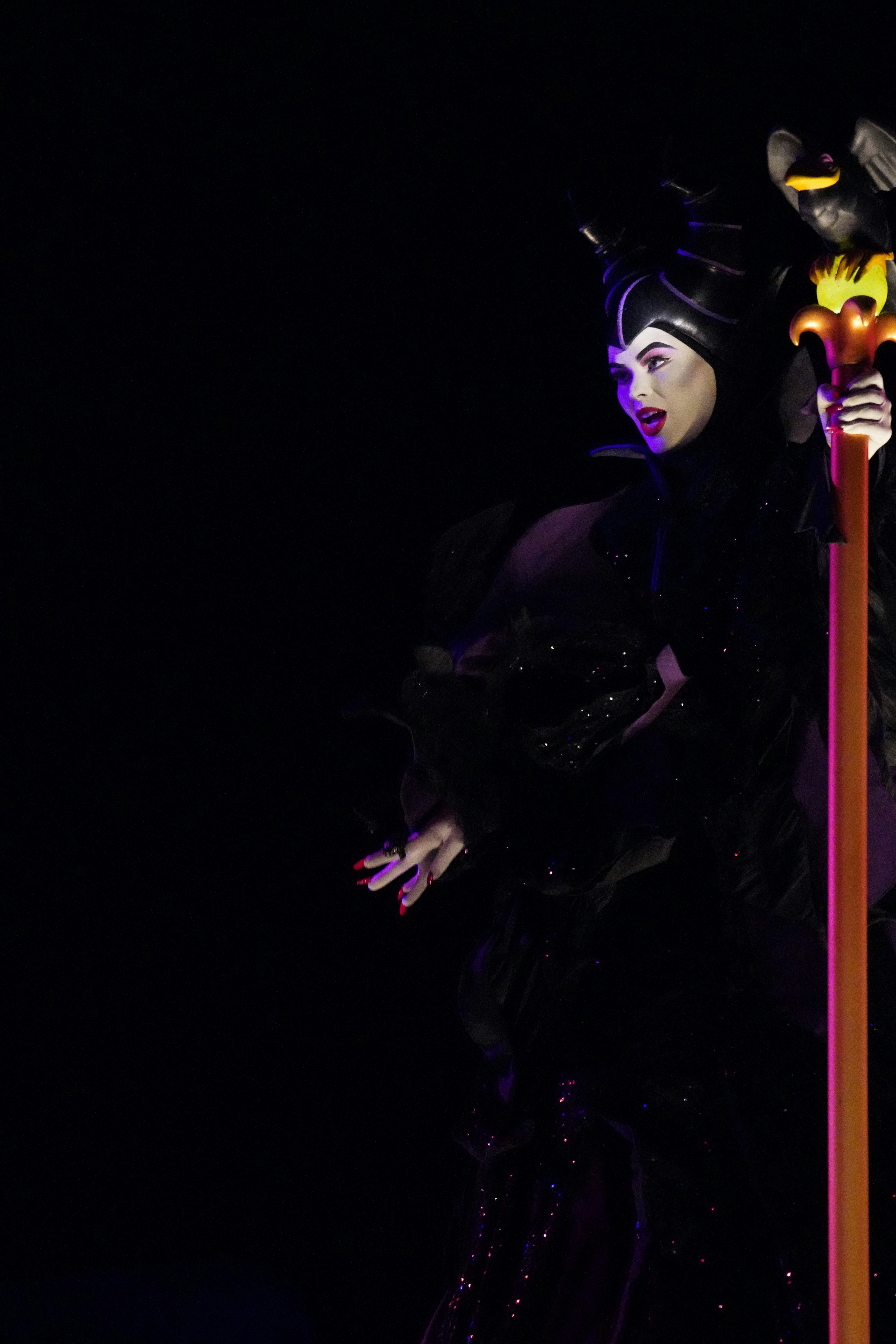
Moreover, in visual arts and film, these representations often mirror societal constructs, reflecting collective anxiety towards the unknown. For instance, when the leader of jinn is depicted as a dark, formidable figure, it can symbolize the fear of losing control or the unforeseen consequences of human actions. Conversely, more benevolent portrayals may represent hope, guidance, and the potential for liberation from restrictive societal norms. Through these varied representations, the leader of the jinn also illustrates a broader commentary on the nature of power: its potential for benevolence or malevolence serves as a reflection of human society’s dilemmas.
Ultimately, the symbolism surrounding the leader of jinn remains complex and multifaceted, revealing the intricate layers of human psychology and culture. As a manifestation of our insecurities and desires, this figure continues to captivate and challenge, prompting deeper exploration into the facets of existence that shape our understanding of the world.
The Influence of the Leader of Jinn on Modern Culture
The leader of jinn, an enigmatic figure in various cultural depictions, significantly influences contemporary society across multiple forms of media. In movies, books, and television shows, the portrayal of this supreme entity not only captivates audiences but also shapes their understanding of jinn and their attributes. Filmmakers and writers draw upon centuries of folklore to craft narratives that resonate with both traditional beliefs and modern sensibilities. For instance, numerous animated films and live-action adaptations have depicted jinn in diverse roles, ranging from benevolent beings granting wishes to malevolent forces challenging human protagonists.
Television series, too, have played a pivotal role in shaping popular perceptions of the leader of jinn. Shows that explore themes of magic and mythology invite viewers to examine the complexities of these supernatural beings. Through character development and engaging plot lines, these narratives often challenge stereotypical representations and encourage deeper exploration of jinn mythology. In many instances, the leader of jinn is shown as a nuanced, multifaceted entity, reflecting both wisdom and danger, which instills a sense of intrigue among viewers.
Literature, particularly fantasy genres, often utilizes the figure of the leader of jinn to explore existential themes and human desires. Authors creatively reinterpret jinn folklore, placing them in contemporary contexts where they interact with human characters, thus bridging cultural gaps and enhancing understanding. Such representations underscore the enduring relevance of jinn mythology while inviting dialogue about moral and ethical dilemmas. Overall, the ongoing influence of the leader of jinn in modern culture serves not only as entertainment but also as a critical lens through which society examines its beliefs and values regarding the supernatural.
Debate on the Existence of Jinn and Their Leader
The existence of jinn, mystical beings referenced in various religious texts, elicits varied opinions across different scholarly and theological disciplines. From an anthropological standpoint, jinn are often viewed as cultural constructs that arise within specific societies, reflecting local beliefs and customs. Anthropologists argue that these entities serve as tools for explaining the unexplainable, functioning as a mechanism to navigate the complexities of life and the supernatural.
In the field of psychology, the belief in jinn can be interpreted through the lens of cognitive science, focusing on how such beliefs contribute to an individual’s understanding of their environment. Some psychologists suggest that faith in jinn might arise from a need to rationalize otherwise inexplicable phenomena, contributing to psychological coping mechanisms. The belief in a jinn leader, often regarded as a tyrannical figure among believers, further emphasizes the psychological implication of externalizing fears and moral dilemmas.
Conversely, theological perspectives largely affirm the existence of jinn as real entities, referencing various religious texts such as the Quran, which discusses their creation from smokeless fire and their coexistence with humans. Islamic scholars emphasize the importance of recognizing jinn as part of the spiritual realm, positing that they possess free will similar to humans, which allows them to choose to do good or evil. Within this context, the concept of a supreme leader of the jinn emerges, believed to exercise dominance over these entities.
Believers argue that personal experiences and testimonies further substantiate the existence of jinn, claiming to have encountered them or experienced their influence in daily life. Skeptics, however, could argue that such experiences are psychological constructs or consequences of suggestibility. As the debate continues, it remains clear that the discourse surrounding the existence of jinn, especially their leader, bridges theology, psychology, and anthropology, creating a rich tapestry of perspectives.
Conclusion: The Legacy of Jinn Leadership
Throughout this exploration of the enigmatic figure of the jinn leader, we have examined the multifaceted roles that these supreme entities play in both ancient lore and modern interpretations. The jinn leader archetype transcends simple categorization, embodying aspects of wisdom, power, and mystery that have intrigued cultures for centuries. Their depiction varies significantly across different cultures, with some venerating them as benevolent guardians, while others regard them with suspicion and fear.
In the ancient context, jinn leaders were often seen as pivotal figures capable of influencing the natural and supernatural realms. Their narratives were deeply intertwined with moral lessons, serving as both guidance and cautionary tales for their followers. As societies evolved, the perception of these leaders shifted, often reflecting contemporary societal values and beliefs. In today’s world, the legacy of jinn leadership continues to resonate, as they appear in literature, film, and folklore, representing the complexities of authority and the dual nature of good and evil.
This enduring fascination invites readers to ponder their own beliefs about leadership and authority. The jinn leader, in all their intricacies, prompts us to consider how figures of influence shape our perceptions and values. Are we drawn to their wisdom, or do we remain wary of their power? As we delve deeper into the myths surrounding jinn, we uncover not only the characteristics of these legendary figures but also insights into human nature itself.
In conclusion, the legacy of jinn leadership is a compelling reminder of the timeless allure and complexity of supreme entities. We encourage our readers to reflect on their own explorations of this intriguing figure, and consider how these ancient tales may still hold relevance in our contemporary society.
Leave a Reply