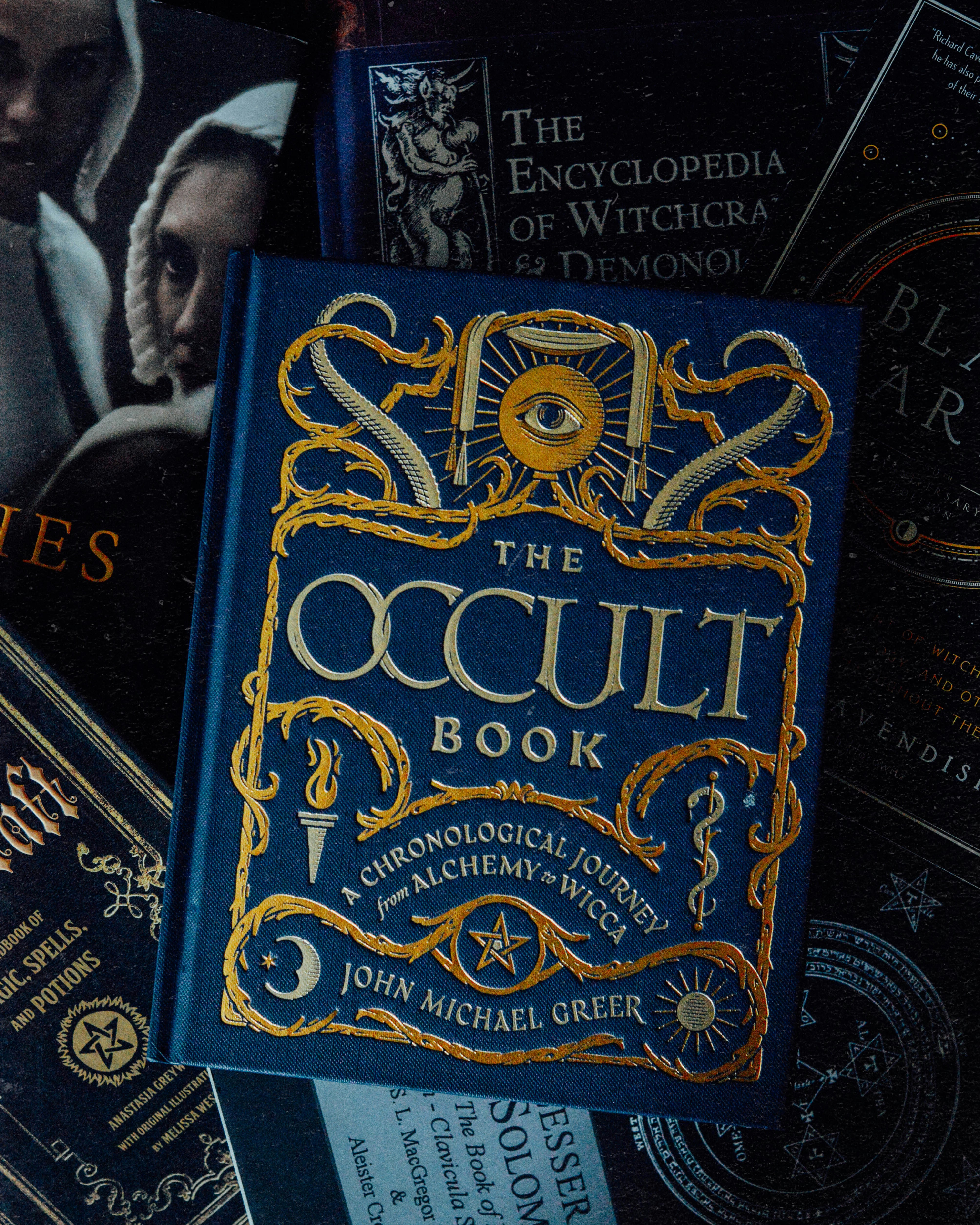
Introduction to Witchcraft in Various Cultures
Witchcraft is a complex and multifaceted concept that has evolved uniquely across different cultures and historical periods. It often encompasses a wide range of practices related to magic, sorcery, and the manipulation of supernatural forces. Within various cultural contexts, the definition of witchcraft can shift dramatically, shaped by societal values, religious beliefs, and historical experiences.
In many Indigenous cultures, witchcraft is sometimes viewed as a means of connection between the natural and spiritual worlds. Practitioners may be seen as healers or wise individuals providing valuable guidance and assistance to their communities. This perception illustrates the positive connotations associated with witchcraft, highlighting its role in promoting cultural heritage and continuity.
Conversely, in Western contexts, particularly during historical periods such as the European witch hunts from the 15th to the 18th centuries, witchcraft was often perceived as malevolent and harmful. Individuals accused of witchcraft were frequently subjected to persecution, reflecting deep-seated fears rooted in religious and societal norms. In this setting, witchcraft became synonymous with evil, resulting in a predominantly negative portrayal.
The duality of witchcraft’s symbolism—believing it can serve as a tool for both healing and harm—is prevalent worldwide. For instance, in African traditions, witchcraft may be utilized for protective purposes, while in some Western narratives, it often invokes fear of the unknown. This complexity illustrates that witchcraft cannot be homogenously defined but rather exists as a rich tapestry of interpretations that vary widely depending on cultural and contextual influences.
Understanding Haram in Islamic Context
In Islamic terminology, the term haram signifies actions or practices that are deemed forbidden or prohibited based on divine laws as outlined in the Quran and Sunnah. It serves as a critical guideline for Muslims in determining the moral permissibility of various behaviors and choices. The concept of haram encompasses a wide range of aspects, including dietary regulations, ethical conduct, and spiritual beliefs.
According to Islamic teachings, haram practices can include, but are not limited to, consuming alcohol, engaging in usury (riba), and participating in deceitful practices. These actions are believed to distance individuals from Allah and compromise both spiritual and moral integrity. For instance, consuming pork is explicitly mentioned in the Quran as being haram, underlining the importance of adhering to these laws for one’s spiritual health.
Furthermore, beliefs and actions surrounding witchcraft and sorcery are typically categorized as haram due to their association with shirk, or polytheism, which encompasses a violation of the oneness of God. This is primarily due to their reliance on supernatural powers apart from Allah, which fundamentally contradicts the core tenets of Islamic theology. Other examples of practices considered haram may include engaging in superstitious rituals or attempting to manipulate outcomes through illicit means.
In summary, understanding what is classified as haram is essential for Muslims, as it directly influences their lifestyle choices. An awareness of these prohibitions fosters a deeper connection to faith, guiding individuals toward actions that align with the principles of Islam. This foundational understanding is crucial when exploring questions surrounding specific practices, such as witchcraft, within the Islamic framework.
Islamic Teachings on Magic and Sorcery
Within Islamic tradition, magic and sorcery are comprehensively addressed through the teachings found in the Quran and Hadith. The Quran explicitly prohibits magical practices, designating them as acts of disbelief that diverge from the core tenets of Islam. One notable reference is found in Surah Al-Baqarah (2:102), which describes how certain individuals engaged in a covenant with the devil to learn magic, leading to corruption and harm. This verse underscores the spiritual dangers and moral implications underlying magical practices.
Additionally, in Surah Al-Falaq (113) and Surah An-Nas (114), Muslims are advised to seek refuge from the evil of sorcery and the malevolent spirit, indicating a clear disapproval of witchcraft. The Hadith literature also reinforces this stance, with the Prophet Muhammad (peace be upon him) explicitly stating that engaging in any form of magic is tantamount to committing disbelief, thereby placing those practicing it outside of the fold of Islam. According to a Hadith narrated in Sahih Muslim, the Prophet stated, “The Pen is lifted for three: the madman until he becomes sane, the sleeper until he wakes, and the child until he reaches the age of puberty; and there are three people for whom the Pen has not been lifted: the man who engages in sorcery, the man who kills someone unjustly, and the man who disbelieves in Allah and His Messenger.” This statement clearly communicates the gravity with which magic is viewed.
Historically, Islamic scholars have unanimously deemed magic as a harmful act, considering it a practice that disrupts the natural order established by Allah. The relationship between such practices and various forms of oppression is also emphasized, as magic is often utilized to control or harm others. Thus, engaging in or promoting magic and sorcery is considered a grave sin in Islam, with significant repercussions for both the individual and the community. From an Islamic legal perspective, individuals are encouraged to refrain from any involvement in such practices to maintain their faith and spiritual well-being.
The Historical Perspective on Witchcraft in Islamic Societies
Witchcraft has been a subject of intrigue and concern in Islamic societies throughout history. The perception of witchcraft has evolved significantly, showcasing the complexities of belief, cultural practices, and theological interpretations. In the early Islamic period, there was a clear distinction between legitimate religious practices and those deemed as sorcery or witchcraft. The Quran explicitly condemns practices associated with witchcraft, associating them with disbelief and moral decay. This condemnation set the stage for various responses to practitioners of witchcraft.
During the medieval period, the Islamic world experienced witch hunts similar to those in Europe, where accusations led to extensive trials and punishment of supposed witches. These events were often fueled by social anxieties, leading to an intensified scrutiny of individuals, especially women, who were believed to possess supernatural abilities. Various scholars of the time, including prominent theologians, engaged in debates regarding the nature of witchcraft and its implications on social and religious norms. This scholarly discourse shaped public sentiment often leading to persecution or isolation of accused witches.
In different eras, responses varied from outright condemnation to more nuanced understandings of witchcraft. Some Islamic scholars sought to reconcile certain practices with Islamic teachings, suggesting that belief in the supernatural was not inherently wrong but rather the misuse of it that should be addressed. For instance, in some societies, healers incorporating local traditions were viewed with a mixture of skepticism and respect, highlighting the cultural adaptations of Islamic beliefs. Thus, while the general outlook on witchcraft tended to lean towards negativity, there were instances of complexity that portrayed a broader understanding of spiritual practices within Islamic contexts.
Differences Between Folk Magic and Witchcraft
The terminology surrounding practices like folk magic and witchcraft can often lead to confusion, particularly in the context of religious beliefs such as Islam. Folk magic typically refers to a collection of traditions and beliefs that are passed down through generations within a particular culture. These practices, often regarded as superstitions, usually involve simple rituals intended to provide protection, bless a home, or improve agricultural yields. Importantly, folk magic does not involve the invocation of deities or spirits as a structured practice, which sets it apart from organized witchcraft.
Witchcraft, on the other hand, is often characterized by a more formalized structure. It frequently involves the worship of specific deities, the use of spells, and the incorporation of ritualistic practices that are aimed at manipulating supernatural forces to fulfill specific intentions. Organized witchcraft movements often have their own written doctrines, formal memberships, and a set of ethical guidelines, distinguishing them from more localized folk practices.
The implications of these distinctions are critical when considering what may be deemed haram, or forbidden, within Islamic teachings. While folk magic may be viewed as harmless cultural practices and superstitions, witchcraft is more likely to attract scrutiny due to its organized nature and potential association with the invocation of jinn or other entities, which is expressly prohibited in many interpretations of Islam.
In various cultures, local practices such as the use of protective amulets or the recitation of blessings before significant events can be seen as mere superstitions. However, these practices are often not categorized under witchcraft. Instead, they illustrate the fine line between folk traditions and more defined witchcraft practices, showcasing how local customs can differ significantly while retaining their cultural significance.
Contemporary Views on Witchcraft Among Muslim Communities
In the current sociocultural landscape, the perception of witchcraft varies significantly across Muslim communities, influenced by a myriad of factors including cultural beliefs, educational background, and religious interpretations. Conservative Muslims often regard witchcraft as entirely haram (forbidden) based on traditional teachings, which label practices associated with witchcraft as incompatible with Islamic tenets. This perspective is frequently reinforced through various religious discourses, community leaders’ teachings, and adherence to strict interpretations of religious scriptures.
On the other hand, more liberal Muslim groups tend to adopt a more nuanced understanding of witchcraft. While they may not endorse witchcraft as a practice, they often view it in the context of cultural rituals and historical significance. For some, witchcraft encompasses a connection to their cultural heritage, separate from religious beliefs. These liberal viewpoints are reflected in sociological studies that highlight a divide where beliefs about witchcraft can coexist with Islamic faith without directly engaging in the practice itself.
Furthermore, cultural practices across different regions play a vital role in shaping attitudes towards witchcraft. In some communities, rituals infused with folk beliefs are commonplace, yet they do not always align with Islamic jurisprudence. This interplay suggests that cultural identity and tradition can overshadow strict religious interpretations, leading to varying responses to witchcraft. Moreover, the rise of global communication has enabled the interchange of ideas, further contributing to evolving perceptions within diverse Muslim communities.
Thus, contemporary views on witchcraft among Muslims are not monolithic. Factors such as educational exposure, religious interpretation, and cultural context cumulatively influence how individuals and communities approach the concept of witchcraft, creating a rich tapestry of beliefs that reflect both tradition and modernity.
Interfaith Perspectives on Witchcraft
Throughout history, witchcraft has elicited a range of interpretations and reactions across various faiths. Examining the perspectives of major religions, such as Christianity and Judaism, alongside indigenous belief systems, reveals both convergences and divergences in how witchcraft and magical practices are viewed.
In Christianity, witchcraft is predominantly viewed in a negative light. The Bible expresses condemnation of witchcraft, with passages in both the Old and New Testaments warning against sorcery and divination. The infamous Salem Witch Trials illustrate a profound societal fear of witchcraft, which was perceived as a direct affront to the Christian doctrine and a source of moral decay. Consequently, many denominations emphasize a strict adherence to scriptural teachings, categorizing witchcraft as sinful and contrary to God’s will.
Judaism also takes a cautious stance towards witchcraft. The Torah includes laws that prohibit practices associated with magic and sorcery, characterizing them as offerings to foreign deities. However, there exists a nuanced perspective within Jewish mysticism, particularly in Kabbalistic traditions, where certain esoteric teachings may incorporate elements that could be classified as magical or mystical. Such practices, though, tend to remain distinct from outright witchcraft, focusing more on spiritual enlightenment and connection.
In contrast, many indigenous and folk religions often embrace practices that may include elements of witchcraft, viewing them as integral components of their cultural and spiritual lives. These religions may utilize rituals for healing, protection, and community well-being, in which the practitioner is regarded as a bridge between the material and spiritual realms. This perspective fosters a sense of reverence for nature and the supernatural, opposing the often demonized representations in Abrahamic faiths.
Overall, the attitudes toward witchcraft vary significantly among faiths, with the dichotomy between denouncement and acceptance highlighting the complex interplay of spirituality and culture across different belief systems.
Legal Consequences of Witchcraft Accusations in Muslim Majority Countries
In Muslim-majority countries, accusations of witchcraft can lead to severe legal repercussions. The perception of witchcraft often intertwines with cultural beliefs and religious doctrines, leading to a complex legal landscape. In regions such as Afghanistan, Saudi Arabia, and Sudan, laws regarding witchcraft are enforced rigorously, and charges may result in criminal proceedings. For instance, in Saudi Arabia, allegations of sorcery can lead to capital punishment, reflecting a stringent interpretation of Islamic law.
Religious courts play a prominent role in adjudicating cases of witchcraft, where judges, often well-versed in Islamic jurisprudence, assess the credibility of the accusations. These courts operate within a framework that not only addresses legal transgressions but also considers societal perceptions and cultural values surrounding witchcraft. In many cases, the evidence presented is largely subjective, relying heavily on personal testimonies rather than empirical investigations.
Notable cases highlight the dire consequences of witchcraft accusations. In Sudan, a woman named Meriam Yahia Ibrahim Ishag was charged with apostasy and witchcraft after claims surfaced regarding her conversion to Christianity. The case attracted international attention, as it underscored the potential for misuse of legal structures to settle personal or societal grievances. Moreover, rural areas often witness extrajudicial actions against individuals accused of witchcraft, where community members may impose their own form of justice, reflecting deep-seated beliefs.</p>
The intersection of cultural practices and legal frameworks in matters related to witchcraft illustrates a broader issue within these societies. While some communities might question the validity of witchcraft accusations, the fear stemming from potential legal consequences keeps many individuals silent. Such dynamics not only affect the accused individuals but also inhibit open discussions about cultural beliefs concerning witchcraft, creating a climate of fear and repression.
Conclusion
In summary, the question of whether witchcraft is haram elicits a wide array of opinions within the Islamic community. It is essential to recognize that interpretations of religious doctrine can vary significantly among different scholars and cultures. Some may view witchcraft through a lens of absolute prohibition, citing textually based arguments that align with Islamic teachings. Others, however, may approach the topic with a more nuanced perspective, considering the cultural and historical contexts that shape the practices and beliefs related to witchcraft.
The diversity of perspectives on this subject highlights the importance of open dialogue and engaging discussions within the community. Such conversations not only foster understanding but also allow individuals to reconcile their personal beliefs with their faith. Scholars and practitioners alike can benefit from examining witchcraft’s implications through various cultural prisms, which may reveal underlying meanings that are often overlooked.
As individuals navigate the intricacies of their faith and the societal influences surrounding them, it is crucial to handle sensitive topics like witchcraft with care. Individuals are encouraged to explore their beliefs while also respecting the views of others. By doing so, they contribute positively to the communal discourse and pave the way for a more inclusive understanding of faith practices. Ultimately, the journey towards understanding witchcraft in relation to Islamic principles requires a balance of respect for tradition and an appreciation for individual perspectives.
Leave a Reply