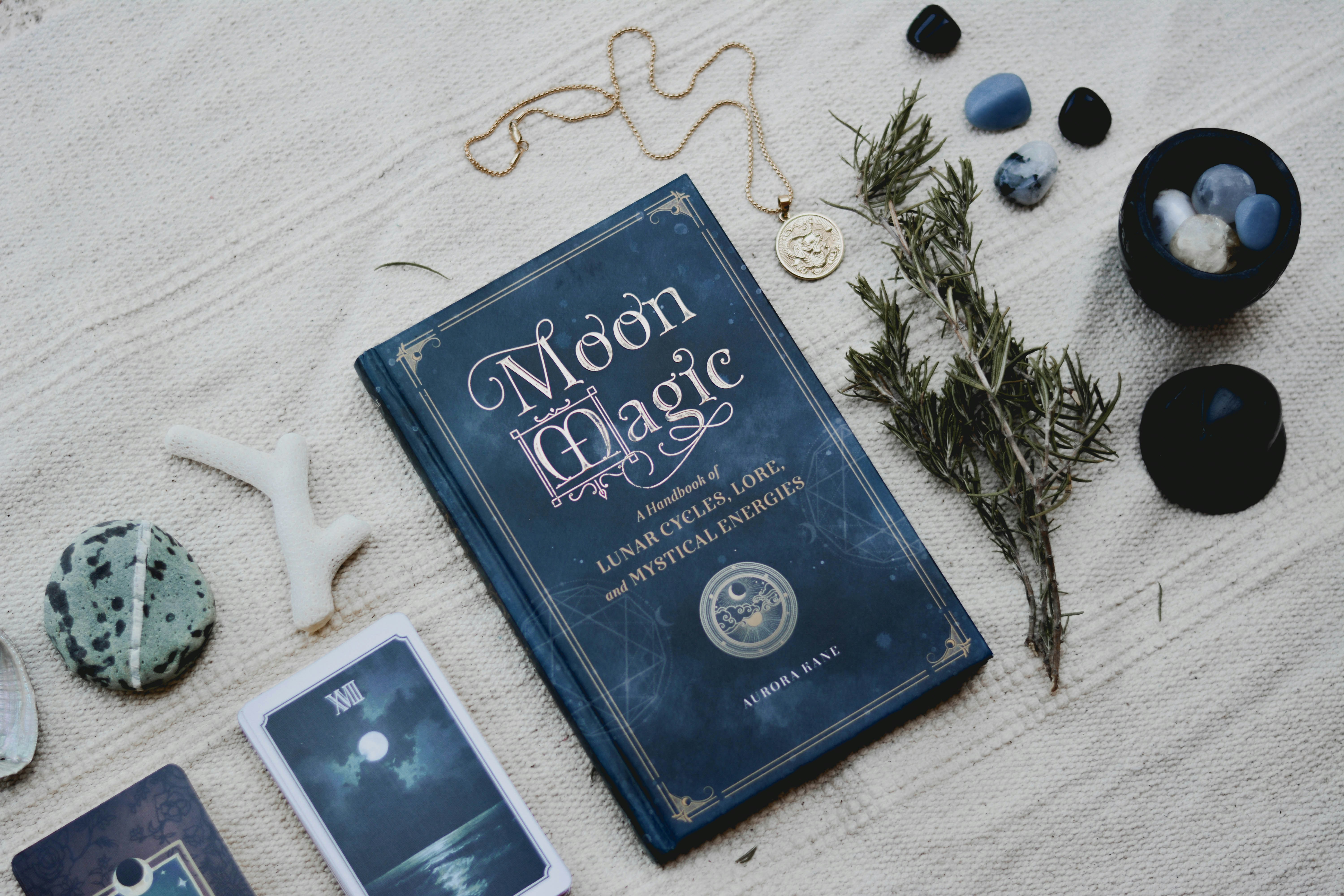
Introduction to Black Magic
Black magic, often a subject of intrigue and fear, is defined as the practice of using supernatural powers for selfish, malevolent purposes. This form of sorcery stands in stark contrast to white magic, which is generally associated with benevolent intentions and healing practices. While white magic is often embraced in contemporary spiritual communities, black magic has been historically viewed with suspicion and condemnation.
The perception of black magic varies widely across cultures, often fueled by longstanding sociocultural narratives that associate it with evil and chaos. Throughout history, practices labeled as black magic have been linked to witchcraft, curses, and rituals intended to manipulate others. These depictions, however, are frequently oversimplified, ignoring the complexities and varied motivations behind such practices.
Common misconceptions regarding black magic often stem from its representation in literature, films, and folklore. Frequently, these portrayals depict black magic practitioners as malevolent figures wielding dark powers that threaten societal order. This perspective includes notions that all practitioners of black magic engage in harmful acts. In reality, motivations for practicing black magic can include a desire for vengeance, protection, or even a misunderstanding of one’s own abilities.
Moreover, societal perceptions of black magic can vary significantly, depending on the cultural context. In some societies, it may be seen as a legitimate form of spiritual expression, while in others, it may be met with severe backlash, including persecution. Understanding black magic within its historical and cultural framework is thus essential for a nuanced perspective, moving beyond myths and stereotypes to consider the myriad reasons behind its practice.
The Origins of Black Magic
Black magic, often viewed in a negative light, has its roots entrenched in numerous ancient civilizations, revealing a complex tapestry of beliefs and practices. One of the earliest records of such practices can be traced back to ancient Egypt, where the lines between magic and religion were intricately woven. The Egyptians practiced a form of magic that included spells and rituals intended to invoke the favor of their gods or to harm their enemies. Texts like the Book of the Dead serve as testament to their diverse magical practices aimed at influencing outcomes in both this life and the afterlife.
Similarly, in ancient Mesopotamia, magic was a crucial aspect of society, with practitioners known as priests and sorcerers who utilized spells and charms to manipulate the natural order. The infamous Epic of Gilgamesh, which dates back to around 2000 BCE, incorporates instances of magical intervention that exemplify early belief in supernatural forces that govern human destiny. Unlike the positive connotations of healing practices, the concept of black magic emerged from the darker applications of these forces, ultimately leading to the belief in malevolent witchcraft.
In ancient Greece, magic took on a new dimension through the introduction of philosophers and practitioners, such as the famous figure of Hesiod, who recounted the ways individuals could summon supernatural powers for personal gain or revenge. The Greeks delineated between various forms of magic, categorizing them as pharmakeia (sorcery) and mageia (priestly magic), with black magic often associated with spells intended to control or harm others. This differentiation laid the groundwork for modern interpretations of black magic, allowing it to evolve into a notion synonymous with malice and sinister intent, as opposed to its originally more neutral occurrences.
Historical Figures and Practices in Black Magic
Throughout history, numerous individuals have emerged as pivotal figures associated with black magic, each contributing to the intricate tapestry of beliefs and practices that define this enigmatic realm. Among these figures, Aleister Crowley stands out as a prominent and controversial figure. Known as the “Great Beast 666,” Crowley engaged in various occult practices, including the mystical system of Thelema, which emphasized the pursuit of one’s true will through magical rites and rituals. His writings, such as “The Book of the Law,” have significantly shaped contemporary perceptions of black magic, promoting the idea of individual empowerment and the exploration of one’s inner self.
An equally compelling figure is Grigori Rasputin, a Russian mystic whose influence over the last Romanov family exemplifies the intertwining of politics and the occult. Rasputin’s reputed ability to heal and prophesy garnered a mixed reception; while some viewed him as a genuine holy man, others depicted him as a sinister sorcerer. His involvement in the royal court not only shifted public perceptions of magic but also sparked widespread rumors that contributed to the discrediting of the monarchy, ultimately leading to the collapse of imperial Russia.
Additionally, figures such as Papa Legba in Vodou and various witches throughout the European witch trials have also played significant roles in shaping the narrative of black magic. These individuals were often characterized by their use of spells, potions, and rituals to influence the natural world, invoking the supernatural to gain power or protection. Over the centuries, cultural interpretations of black magic have evolved, reflecting societal fears, religious beliefs, and the search for understanding in a world shrouded in mystery. Through their practices and legacies, these historical figures continue to impact the perception of black magic today.
Black Magic in Folklore and Mythology
Throughout history, black magic has been a prominent theme in folklore and mythology, reflecting society’s fears and fascination with the supernatural. Diverse cultures around the globe have woven tales of witches, curses, and malevolent spirits into their narratives, signifying the pervasive influence of black magic on human life.
In European folklore, witches are often depicted as practitioners of black magic, wielding their powers to harm others or to invoke curses. The infamous witch hunts of the 16th and 17th centuries were fueled by these myths, where women were accused of consorting with the Devil or using dark arts to inflict harm. Stories of witches brewing potions, casting spells, and communing with evil entities proliferated, intertwining fear and superstition with societal norms.
In contrast, African and Caribbean folklore provides a different perspective, often intertwining the concept of black magic with healing practices and ancestral spirits. The figure of the witch is not solely depicted as malevolent but can also represent protectors of the community who utilize their powers for both good and ill. Practices such as hoodoo often illustrate the duality of black magic, where practitioners harness energies believed to influence love, luck, and protection.
Asian mythologies also contribute significantly to the understanding of magic in folklore. For instance, Hindu texts describe various forms of darker magic referred to as ‘Aghora,’ which is used for manipulation and control, while Chinese mythology is replete with tales of spirits and magical beings that can either assist or thwart human endeavors. The omnipresence of black magic in these narratives emphasizes the moral complexities associated with its practice.
Ultimately, black magic serves as a powerful symbol in folklore and mythology, encapsulating humanity’s ongoing struggle with the unknown and the moral boundaries between good and evil. This multifaceted representation continues to influence contemporary perceptions of magic, showcasing its enduring legacy within global cultures.
The Relationship Between Religion and Black Magic
The relationship between organized religion and black magic is fraught with tension and complexity. Historically, various religious institutions have regarded black magic, or sorcery, as a threat to spiritual orthodoxy. This stems from the core belief in many religions that there exists a divine plan governed by a higher power, and any human attempt to manipulate these divine forces through black magic constitutes rebellion against that order.
In many cases, organized religions have responded to the practice of black magic with persecution. For instance, during the Middle Ages, the Catholic Church conducted witch hunts, viewing practitioners of black magic as heretics. These individuals were often accused of consorting with evil spirits or the Devil, leading to severe punishments that included excommunication or execution. As a result, fear and mistrust surrounding black magic grew in various religious contexts.
On the other hand, some belief systems, particularly Indigenous or folk religions, incorporated practices that might be classified as black magic into their spiritual framework. This illustrates a divergent view where these practices can serve a role in healing, protection, or community rituals. However, when confronted by dominant religions, such beliefs are frequently marginalized or demonized as superstitions.
Moreover, in contemporary society, the dichotomy between religion and black magic remains. Mainstream religions often warn adherents against the allure of black magic, warning that such paths can lead to spiritual corruption. However, in various subcultures, black magic is sometimes embraced as a form of personal empowerment or self-expression against the constraints of organized religion.
Thus, the interwoven history of religion and black magic continues to evolve, marked by conflict, acceptance, and adaptation in different cultural landscapes.
The Role of Black Magic in Culture and Society
Throughout history, black magic has cast a profound influence on various facets of culture and society. Often depicted as a sinister force, black magic encompasses a wide array of practices and beliefs, leading to its representation in literature, folklore, and the arts. These portrayals often reflect contemporary fears and societal issues, framing black magic as a metaphor for the darker aspects of human nature.
In literature, black magic serves as a potent narrative device, enriching plots with themes of power, temptation, and moral ambiguity. Classic works such as “Macbeth” by William Shakespeare delve into the psychological ramifications of engaging with dark forces, illustrating how ambition and guilt intertwine with supernatural elements. Similarly, modern literature continues to explore black magic, frequently presenting it as a symbol of rebellion against oppressive systems, allowing authors to critique societal norms.
The depiction of black magic is also prevalent in film and television, where it is often sensationalized for entertainment value. Movies like “The Craft” and series such as “American Horror Story” illustrate the allure and danger associated with the practice, appealing to audience emotions and instilling a sense of fear while promoting themes of empowerment. This representation has influenced public perception, often perpetuating stereotypes while simultaneously sparking curiosity and fascination.
Moreover, black magic’s impact extends beyond entertainment, manifesting in art and popular culture. Artists use the theme as a commentary on social issues, reflecting collective anxieties about power dynamics and moral choices. The visual arts serve as a platform for exploring the intricate interplay between good and evil, providing a commentary on the human condition.
On a broader scale, black magic interacts with cultural beliefs and practices, leading to stigmatization of certain communities and shaping legal frameworks throughout history. Understanding the role of black magic in culture is essential for comprehending its lasting impact on societal beliefs and practices.
Modern Black Magic Practices
Modern black magic encompasses a diverse array of practices and beliefs, practiced by various communities around the globe. This form of magic often intertwines with personal belief systems, regional folklore, and even contemporary societal issues. While traditional associations with black magic may include malevolent intentions, contemporary practitioners frequently redefine these associations, blending elements from various traditions to create individualistic paths.
One notable trend is the rise of online communities that foster the exchange of knowledge and practices related to black magic. These platforms are a hub for practitioners to share rituals, spellwork, and personal experiences, creating a sense of belonging among individuals who identify with these esoteric practices. In many cases, the emphasis is placed on empowerment and self-exploration, rather than solely on harm or manipulation.
The motivations behind engaging in black magic today are multifaceted. For some, it serves as a means of reclaiming personal power in situations where they feel powerless. Others may be drawn to its allure as a form of rebellion against conventional religious norms or traditional societal structures. Additionally, individuals seeking to harness energies for specific outcomes—be it love, financial gain, or revenge—often turn to black magic practices, believing they can influence the outcome of their particular circumstances.
Rituals performed within modern black magic can vary widely, from the lighting of candles and the recitation of incantations to more elaborate ceremonies that may involve talismans, herbs, or ancestral rituals. Many practitioners place significant importance on the ethical implications of their actions, which can lead to diverging methodologies within the community. As black magic continues to evolve, it remains a fascinating study of the intersection between tradition and modernity.
The Psychology of Belief in Black Magic
The belief in black magic is a multifaceted phenomenon that intertwines with cultural, historical, and psychological dimensions. One of the primary psychological factors contributing to the belief in such practices is fear. Individuals often resort to the concept of black magic when confronted with uncertainties or adverse life situations. In times of distress, attributing misfortune to supernatural forces can offer an explanation that externalizes personal struggles, making them seemingly manageable by invoking the power of magic.
Another significant aspect is the desire for power and control. Many individuals who believe in black magic view it as a tool that allows them to assert influence over others or their circumstances. This notion of empowerment can be particularly appealing in societies where individuals experience feelings of helplessness or disenfranchisement. Black magic thus transforms perceived weakness into strength, as it suggests the possibility of altering reality through ritualistic practices.
The unknown also plays a pivotal role in fostering belief in black magic. Human beings naturally have a tendency to fear what they cannot understand. This apprehension can lead to a propensity to ascribe malevolent intentions to unexplained occurrences, which further fuels the allure of black magic. Cultures often develop intricate narratives surrounding black magic, providing frameworks through which the inexplicable can be interpreted. These cultural narratives serve to reinforce belief systems, making them resilient over time.
Furthermore, social reinforcement cannot be overlooked. Belief in black magic often exists within communities and is passed down through generations. When individuals observe their peers engaging in or endorsing such beliefs, they may feel social pressure to conform, thus perpetuating the cycle of belief. In this light, psychological factors entwined with cultural narratives shape an environment conducive to the acceptance and proliferation of black magic beliefs.
Conclusion and Reflections on Black Magic
Throughout this exploration of black magic, we have examined its historical origins, cultural significance, and the transformative impact it has had on societies across different eras. Black magic, often viewed through a lens of fear and superstition, serves as a reflection of humanity’s yearning to understand the unknown and exert control over unpredictable forces in life.
The fascination with black magic persists into the modern era, revealing a complex relationship between individuals and the mysterious art of spellcraft. This continued interest raises pertinent questions about the relevance of black magic today. Is it merely an artifact of our past, or does it still hold a place in contemporary spiritual practices? With the advent of technology and science, many are inclined to dismiss the validity of black magic; however, its undercurrents can still be felt in various forms, such as the rise of neo-paganism and modern witchcraft.
Moreover, the implications of black magic in the future are worthy of consideration. As society evolves, interpretations of magic—both black and white—may transform, reflecting our evolving understanding of morality, ethics, and the human condition. The duality of black magic, embodying both fear and fascination, might compel future generations to grapple with their perceptions of power and its consequences.
Ultimately, the study of black magic invites us to reflect on our beliefs and fears, driving us to question what we deem possible. As we continue to navigate a complex world filled with uncertainties, those ancient practices remind us of our humanity, our struggles, and the innate desire to connect with the mysteries of existence.
Leave a Reply