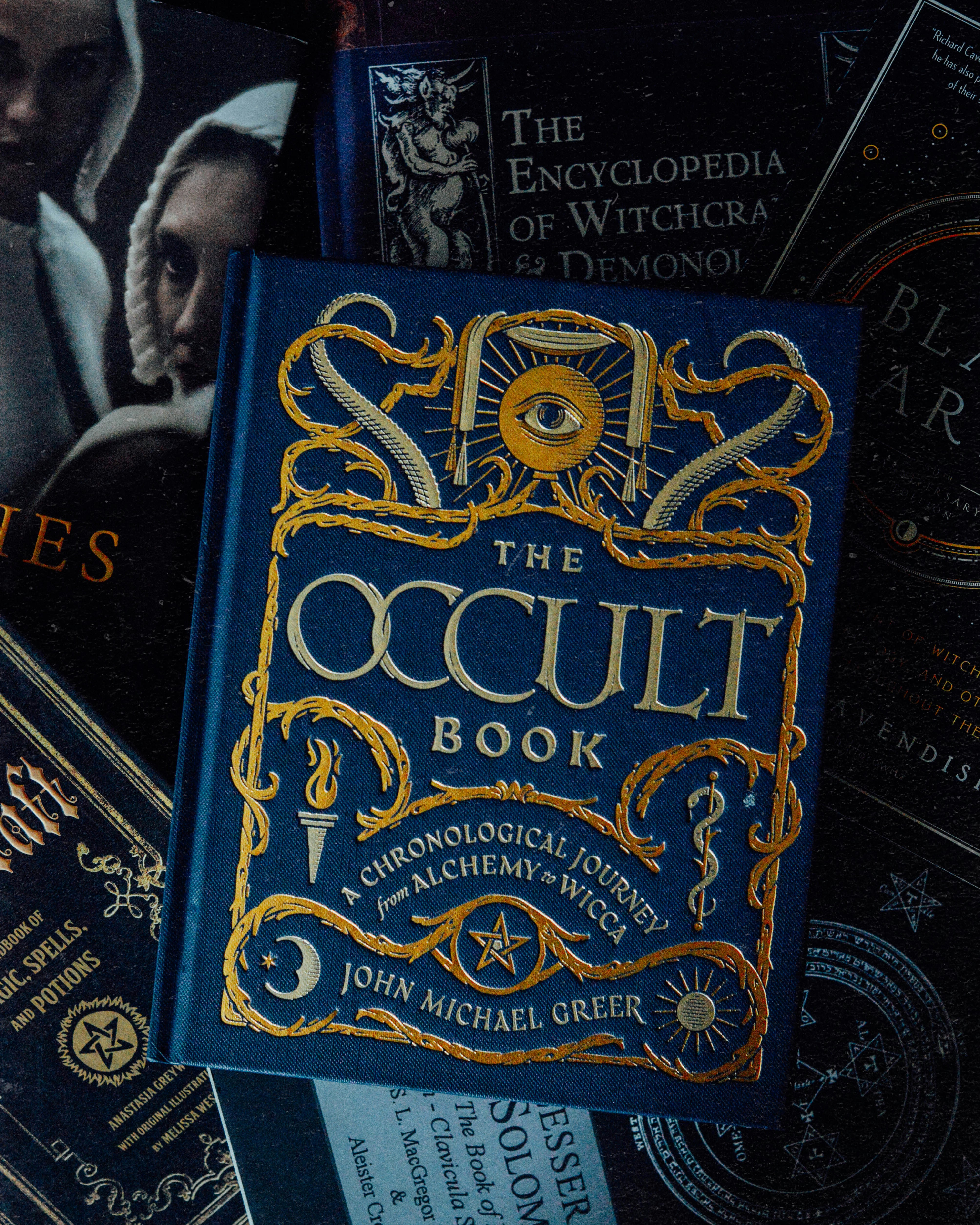
Introduction to Black Magic
Black magic, often shrouded in mystery and fear, refers to the use of supernatural powers or magic for malevolent purposes. It is typically contrasted with white magic, which is seen as benevolent or helpful. The definitions surrounding black magic have evolved over centuries and vary significantly across cultures and historical contexts. While the term can be applied broadly, it often denotes practices that seek to manipulate forces for selfish or destructive ends.
The origins of black magic can be traced back to ancient civilizations where magic was intertwined with religion and spiritual practices. For instance, in ancient Egypt, magic was a revered practice that involved invoking deities and utilizing spells for protection, healing, and blessings. However, with the emergence of more structured belief systems, certain magic practices became categorized as dark or nefarious, particularly when they were thought to endanger societal norms or moral codes.
Throughout history, black magic has been associated with witchcraft, necromancy, and other practices that evoke fear or suspicion. During the Middle Ages, the witch hunts in Europe exemplified the societal anxieties surrounding black magic, wherein individuals (often marginalized or elderly women) were accused of witchcraft and subjected to persecution. This historical perspective highlights the intersection of power, fear, and societal standards in determining what constitutes black magic.
Despite its negative connotations, black magic is often viewed as a means of personal empowerment for practitioners. It may involve rituals, spells, and the invocation of spirits or demonic entities, which is believed to alter the natural order to achieve specific desired outcomes. Understanding black magic not only involves comprehending its historical lineage but also its contemporary interpretations in various cultures.
Historical Context of Black Magic
Black magic, often perceived as malevolent sorcery, has roots embedded in the history of numerous civilizations. From ancient Mesopotamia to medieval Europe, various cultures embraced practices that would fall under the umbrella of black magic, reflecting a complex interplay between the sacred and the profane. In ancient Egypt, practitioners utilized magical spells and rituals to influence both the physical and spiritual realms, often invoking deities to curse enemies or protect loved ones. This duality of intention highlights how such practices were integral to their society, weaving into the fabric of daily life.
In Greece and Rome, the concept of magic evolved, intertwining with philosophical and religious thought. The Greeks recognized the distinction between white and black magic, the former being benevolent and the latter malevolent. Notable figures like Circe and Medea exemplified the notorious side of magic, using their powers for both personal gain and vengeance. Similarly, Romans utilized magic in various aspects of life, including rites for love, fertility, and even maledictions against adversaries.
The rise of Christianity in Europe led to significant shifts in societal beliefs regarding black magic. With the demonization of pagan practices, the ecclesiastical authorities often equated magic with heresy, leading to witch hunts and the persecution of those accused of practicing black magic. During the Middle Ages, this association would deeply influence societal norms, framing black magic as a threat to moral order and societal stability.
In contrast, non-Western cultures often held differing views on magic. For example, many indigenous tribes in Africa and the Americas practiced forms of black magic, which were typically intertwined with healing and community rituals, designed to protect and empower their people. Such practices were viewed through a communal lens, showcasing how societal needs shaped the acceptance and perception of black magic across various epochs.
As we explore these diverse historical contexts, it is evident that black magic, though often viewed negatively, reflects a complex cultural tapestry. Understanding this historical backdrop provides deeper insights into how societies have interpreted the supernatural and the moral implications of their beliefs regarding magic.
Key Figures in the History of Black Magic
Throughout history, various figures have significantly contributed to the understanding and practice of black magic, often shaping its perception in cultural and historical contexts. One of the most notable is William Shakespeare, whose works often reflected the complex interplay between humanity and the supernatural. His play “Macbeth” delves into themes of witchcraft and ambition, illustrating how power can corrupt and lead to dire consequences. The witches in the play embody the mystique and fear surrounding black magic during the Renaissance, making Shakespeare a pivotal figure in popularizing these ideas.
Alister Crowley, an early 20th-century occultist, was another key figure whose influence is still felt today. Crowley founded the religious philosophy of Thelema, which embraced the exploration of human consciousness and the use of magic as a form of personal empowerment. His extensive writings and practices contributed to the modern understanding of black magic and its associations with self-discovery. Although controversial, Crowley’s legacy has led many practitioners to perceive black magic through a more psychological lens, moving away from traditional notions of malevolence.
Similarly, Anton LaVey, the founder of the Church of Satan in 1966, is often associated with the modern interpretation of black magic. LaVey’s “Satanic Bible” outlines a philosophy that glorifies individualism, indulgence, and self-deification, thereby reshaping black magic’s image from that of dark arts to a tool for personal liberation. His contributions to black magic focus on ritual and symbolism rather than conventional religious dogma, influencing countless individuals and groups that seek to express their identities and beliefs through occult practices.
These figures, among others, have left indelible marks on the practice of black magic, illustrating its evolution from historical tradition to contemporary interpretations and practices.
The Myth of the Founder
The concept of a singular “founder” of black magic is steeped in myth and speculation, often obscuring the complex historical and cultural evolution of magic practices. Numerous figures have been proposed as the originators of black magic, each accompanied by a rich tapestry of folklore and anecdotal evidence that varies dramatically across different cultures and eras.
One prominent name associated with the origins of black magic is that of the medieval sorcerer Merlin, who is often depicted in Arthurian legends as a powerful wizard wielding dark knowledge. However, the reality is that these legends are layers of myth rather than solid historical fact. Another figure frequently mentioned is Aradia, the mythical Italian witch whose narratives suggest a systemic practice of witchcraft and sorcery. Her association with black magic contributes to the notion that the practice was rooted in ancient rites and rituals.
Further complicating the narrative are claims surrounding figures like Hecate and Lilith, who feature prominently in various mythologies as embodiments of dark femininity. These legends paint them as powerful, autonomous beings who defy societal norms, raising questions about whether they could be viewed as founders within a metaphorical context rather than a literal one. Other theories posit that black magic arose organically within different cultures, influenced by indigenous practices, rather than being attributed to any singular source.
Ultimately, the search for a definitive founder of black magic leads one deep into historical ambiguities and regional variances. While it is tempting to attribute the inception of the practice to a notable figure or moment in time, the reality is that black magic has likely emerged through a confluence of beliefs and practices shaped by various cultures, thereby resisting the confines of a singular narrative.
Cultural Depictions of Black Magic
Throughout history, black magic has been a prominent subject in various forms of cultural expression including literature, film, and art. These representations have not only provided insight into societal attitudes towards the concept of black magic but also shaped public perception and understanding of its implications.
In literature, black magic is often depicted as a dark and sinister force. From Shakespeare’s ‘Macbeth‘ to modern novels, authors have utilized themes of witchcraft and sorcery to explore moral dilemmas and the consequences of engaging with malevolent powers. For instance, many literary works present black magic practitioners as figures of fear or cautionary tales, echoing societal anxieties surrounding the unknown. These characters are often portrayed as isolated, driven by their desire for power or revenge, which reflects the prevailing fears of society regarding individuals who defy moral and ethical boundaries.
Similarly, in film, black magic has been featured as a pivotal element in horror and fantasy genres. Movies like ‘The Witch‘ and ‘Hereditary‘ draw on historical fears and myths surrounding witchcraft, influencing audiences’ beliefs and perceptions about black magic practices. These films contribute to a narrative that often demonizes practitioners and creates an atmosphere of dread and intrigue that captivates viewers. Such representations evoke emotional responses that can both fascinate and terrify, reinforcing stereotypes of black magic as fundamentally evil.
Visual arts have also played a significant role in shaping interpretations of black magic. Artists often use symbolism to embody the dual nature of black magic: its allure and its danger. Through paintings, sculptures, and other artistic forms, the depiction of magical rites and occult symbols contributes to a broader conversation about power, control, and the human condition. As such, cultural depictions of black magic can serve as a reflection of societal norms and fears, illustrating how these themes persist across time and mediums.
Beliefs and Practices Associated with Black Magic
Black magic, often encapsulated in the broader category of witchcraft, is characterized by its intention to invoke supernatural powers for malevolent purposes. Common beliefs surrounding black magic include the idea that practitioners can harness supernatural forces to manipulate outcomes or cause harm to others. This concept often stems from a fear of the unknown, as well as the desire to exert control over circumstances unmanageable by natural means.
Rituals associated with black magic play a crucial role in its practice. These rituals typically involve specific incantations, the use of ceremonial tools, and sometimes, offerings or sacrifices intended to appease spirits or deities believed to yield power. Commonly used tools include candles, to symbolize energy and focus; crystals, that are thought to channel spiritual energy; and various herbs, believed to have specific magical properties. Each of these elements is often used within a circumscribed framework that adheres to established traditions of black magic.
The methodologies employed in black magic can vary greatly by cultural and regional context. Practitioners may utilize spellcasting, which involves the verbal articulation of intentions; casting hexes or curses to bring harm; or engaging in binding spells, which aim to restrain someone’s actions. Additionally, divination practices, such as tarot reading or scrying, may be integrated to foresee or influence future events. It is essential to understand that perceptions of black magic and its practices can often be sensationalized or misrepresented, leading to stigma against those who practice it.
Black Magic vs. White Magic
Black magic and white magic are terms that reflect opposing moral and ethical connotations within the realm of magical practices. Black magic typically refers to the use of supernatural powers or magic for malevolent purposes, often aimed at causing harm, manipulating individuals, or invoking curses. In contrast, white magic is perceived as benevolent, focusing on healing, protection, and the overall betterment of individuals and communities. This fundamental distinction underlines the varying cultural interpretations of magical practices and the ethical implications attached to them.
The cultural perceptions of black and white magic have evolved over centuries, shaped by religious and societal norms. For instance, in many cultures, white magic is celebrated in folk healing traditions and rituals, wherein practitioners harness positive energy to aid others. Conversely, black magic is often demonized, associated with witchcraft, and viewed with suspicion, reflecting deeper societal fears regarding control, manipulation, and the unknown. This dichotomy is especially prevalent in Western cultures, where historical narratives often depict practitioners of black magic as destructive forces that threaten social order.
Regardless of these classifications, the lines between black and white magic are not always clear-cut. In some instances, practices deemed as white may carry darker undertones, depending on the intention behind the magical act or the outcome sought by the practitioner. Additionally, cultural contexts can influence these interpretations, as what is considered white magic in one culture may be viewed as black magic in another. This complexity suggests that ethical considerations within magical practices are deeply intertwined with cultural beliefs, historical context, and individual intentions, ultimately challenging the simplistic binary view of magic as strictly good or evil.
Modern Interpretations of Black Magic
In recent decades, the understanding of black magic has evolved significantly. Historically viewed with fear and suspicion, contemporary interpretations are reshaping the narrative surrounding its practices. Today, rather than solely being associated with malevolent intentions, many individuals see black magic through a lens of personal empowerment and a quest for spiritual authenticity.
Modern spirituality has greatly influenced how black magic is perceived and practiced. Many contemporary practitioners derive inspiration from various ancient traditions, combining elements of witchcraft, shamanism, and ceremonial magic. This eclectic approach allows for a personalized practice tailored to individual beliefs and experiences, leading to a resurgence of interest in ancient rituals and techniques. Specifically, this fusion often emphasizes the use of intention and energy work, where practitioners assert that their will can manifest change in their lives.
Furthermore, the accessibility of information through the internet has contributed to a renaissance in the exploration of black magic. Online communities and social media platforms have fostered environments where practitioners share their experiences, rituals, and insights. Such democratization of knowledge encourages individuals to challenge stereotypes and engage with the practice in diverse ways, from healing and protection spells to shadow work and psychological exploration.
However, the modern approach is not without controversy. While many practitioners advocate for ethical considerations in their work, criticisms remain regarding the potential misuse of black magic for negative outcomes. As discussions surrounding consent and the implications of one’s actions grow, practitioners are increasingly encouraged to reflect on the moral dimensions of their work. Overall, the contemporary interpretation of black magic is a dynamic interplay between personal empowerment, ancient wisdom, and ethical considerations, marking a significant evolution in its understanding and practice.
Conclusion: The Enigma of the Founder
The exploration of black magic’s origins reveals a complex tapestry woven through history, culture, and belief systems. While many notable figures have been associated with the practices of black magic, the identity of a singular ‘founder’ remains elusive. Instead of pinpointing one individual, the journey through time shows that black magic has evolved through various traditions and societies, making it difficult to attribute its inception to any one person.
Throughout our examination, we have seen how different cultures contributed to what we now understand as black magic. From ancient civilizations that engaged in rituals aimed at harnessing supernatural powers to contemporary practitioners who interpret black magic in varied forms, the influences are diverse. This multifaceted nature complicates the narrative regarding its founder, as it is shaped by the amalgamation of beliefs and practices over centuries.
Furthermore, the notion of a ‘founder’ raises questions about authority and authenticity in the realm of black magic. In modern contexts, where practices are often adapted for personal empowerment or spiritual exploration, the emphasis shifts away from historical origins. Instead of focusing solely on the quest for a singular founding figure, it may be more enriching to appreciate the multifarious paths that contribute to an individual’s understanding of black magic today. In reflecting on these ideas, the significance of community knowledge and traditions becomes apparent, reinforcing that the practice is as much about the shared experience as it is about its historical roots. Ultimately, the enigma surrounding the founder of black magic encourages ongoing dialogue and exploration, inviting both practitioners and scholars alike to engage with its rich heritage.
Leave a Reply