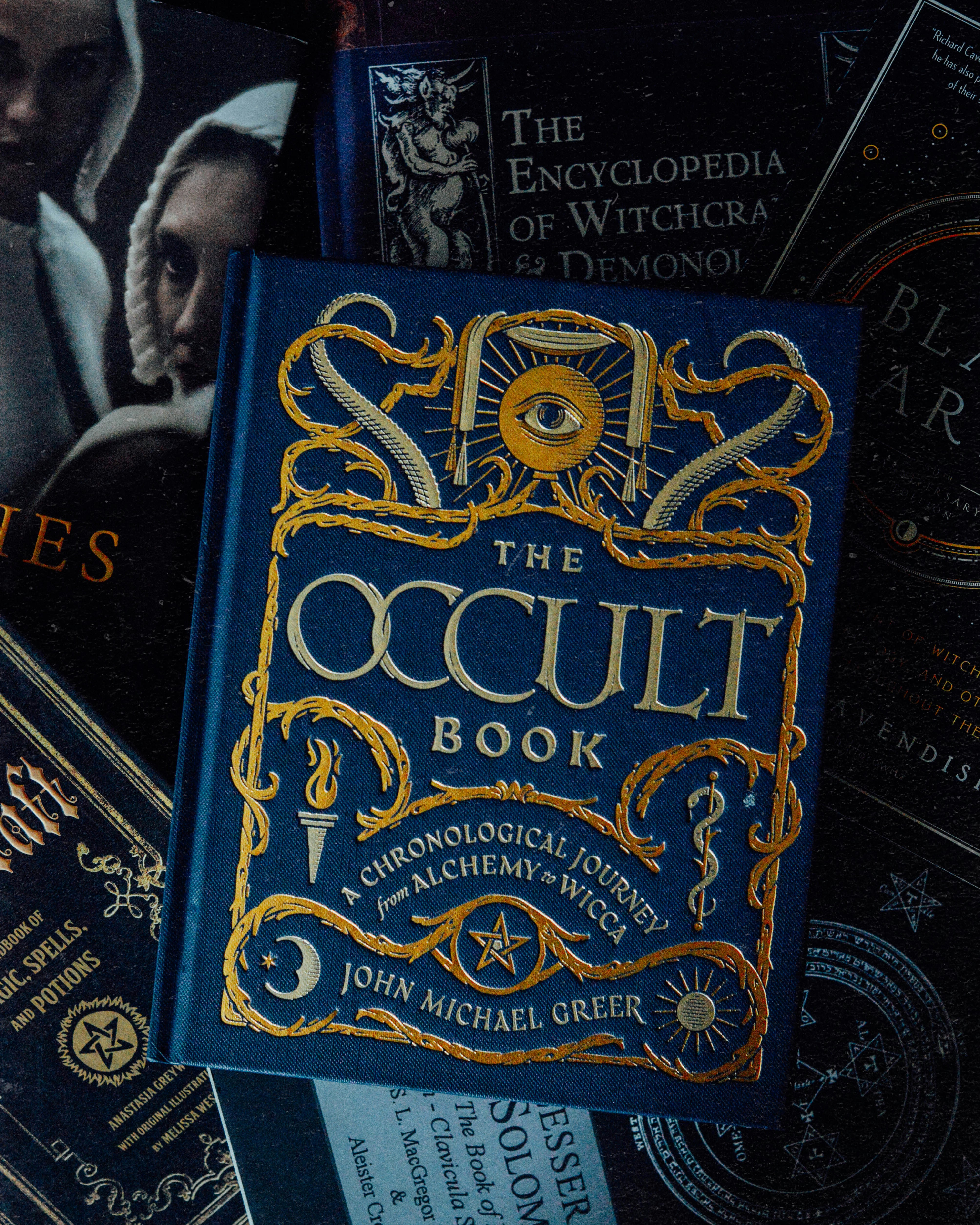
Introduction to Black Magic
Black magic, often associated with the darker aspects of the supernatural, is a form of practice that is primarily focused on harnessing powers for malevolent purposes. Unlike white magic, which is typically aimed at promoting good, healing, or protection, black magic seeks to manipulate and control energies for personal gain, revenge, or harm to others. The distinction between these two forms of magic is crucial, as it encompasses the intent behind the practices.
Historically, black magic has been intertwined with various cultures worldwide, with its origins often steeped in folklore and tradition. Ancient civilizations, such as the Egyptians and Mesopotamians, utilized charms, potions, and incantations that are now categorized under black magic. These practices were regarded as a means for individuals to exert influence over their circumstances and invoke supernatural aid to achieve their desires.
The terminology surrounding black magic varies among different cultures, reflecting diverse beliefs and practices. For instance, in certain African traditions, elements of black magic may be merged with ancestral worship, while in European contexts, practices may align more closely with witchcraft during the witch hunts of the late medieval period. This historical backdrop highlights the complex relationship societies have had with black magicians and their perceived role within a community.
As we enter a more modern framework, black magic often finds itself at the intersection of mysticism and psychological manipulation, frequently depicted in literature and media. Despite its ominous reputation, the ongoing fascination with black magic underscores its enduring presence in human culture. Whether viewed as a practice of empowerment or a dangerous venture into the forbidden, black magic continues to intrigue those who seek to explore its depths.
Types of Black Magic
Black magic constitutes a diverse array of practices intending to harness supernatural forces for malevolent ends, focusing particularly on causing harm, misfortune, or suffering to others. This section delineates the primary types of black magic, offering definitions and examples to illustrate their unique characteristics.
One common form of black magic is the use of curses. A curse is a spoken word or incantation directed at an individual, often intended to invoke bad luck or misfortune. These can range from simple jinxes to more complex hexes that are believed to sabotage the target’s well-being over time. A historical example includes the famous “curse of the pharaohs,” which purportedly brought misfortune to those who disturbed ancient tombs.
Another prevalent type involves hexes or spells aimed specifically at harming an individual. Hexes often employ rituals or symbolic objects, such as a doll that represents the target. Practitioners believe that by manipulating the doll, they can exert control over the person’s actions or cause them physical distress. This form of black magic underscores the personal and focused nature of hexes, which distinguishes them from broader curses.
Furthermore, spellwork intended for malevolent purposes can encompass a variety of rituals designed to achieve harmful outcomes. Unlike curses and hexes, spellwork can integrate the use of ingredients, talismans, or specific planetary alignments to enhance its effectiveness. For instance, the use of toxic herbs or the alignment of the moon in a particular phase might be employed to amplify the spell’s potency. Each practice showcases the complexity and intent behind black magic, revealing a spectrum from simple malicious acts to intricate rituals.
Thus, understanding these distinct types of black magic is essential for comprehending their implications within various cultures and belief systems, as well as the motivations behind their practitioners.
Famous Historical Examples of Black Magic
Throughout history, black magic has captivated the imagination of many, leading to a multitude of notorious figures and events woven into the fabric of society. One of the most well-known practitioners of black magic is the infamous witch, La Voisin, who operated in 17th century France. She was deeply involved in the notorious Affair of the Poisons, where many were accused of using malevolent sorcery to harm their enemies and achieve personal gains. La Voisin’s alleged dabbling in black magic revealed how society often associated misfortune with mystical forces, reflecting deep-seated fears and beliefs about witchcraft.
Similarly, the Salem Witch Trials of 1692 in colonial America highlight the hysteria and paranoia related to suspected black magic. More than 200 individuals were accused of practicing witchcraft, resulting in executions and imprisonments. The central figures, such as Tituba and Elizabeth Proctor, were believed to have engaged in dark magical practices, illustrating a community’s struggle to understand and explain unexplainable phenomena through the lens of black magic.
Additionally, in ancient Egypt, practitioners of black magic were often seen as powerful sorcerers capable of influencing the gods and the outcomes of human affairs. Texts from this period contain references to spells and rituals intended to harm rivals or elevate one’s status through nefarious means. This highlights a longstanding tradition where black magic was closely tied to social and political motives.
These examples underscore the various ways in which black magic has been perceived in distinct historical contexts. From fear and persecution in Europe to the use of sorcery in ancient civilizations, these instances reflect society’s complex relationship with the concept of black magic, revealing cultural attitudes toward power, jealousy, and the unknown.
Black Magic in Modern Pop Culture
In contemporary society, black magic has permeated various facets of pop culture, emerging as a central theme in numerous films, literature, and television shows. This portrayal often evokes fascination and fear, reflecting humanity’s complex relationship with the supernatural. Numerous characters symbolize the allure and danger of engaging with dark forces, providing an engaging way to explore moral and ethical dilemmas.
Films such as “The Witch” and “Hereditary” have successfully depicted black magic as an ominous presence, influencing characters and narratives profoundly. In these movies, black magic is not simply a tool for evil; it embodies the characters’ inner struggles, making it a compelling plot device. The chilling atmosphere created in such films builds a narrative where black magic serves to amplify the characters’ emotional arcs, drawing the audience into a world teeming with both dread and intrinsic appeal.
Literature, too, has not shied away from delving into the complexities of black magic. The works of authors like Neil Gaiman and H.P. Lovecraft often incorporate themes of mystical power and the consequences of dabbling with dark arts. In these narratives, black magic becomes a force of chaos, illuminating the darker corners of the human psyche. Through richly woven stories, literature reinforces the notion that black magic can be as potent as it is dangerous.
Television series such as “American Horror Story” have taken black magic into the mainstream, with dramatized representations that both entertain and provoke thought. The exploration of covens, rituals, and the moral implications of using dark arts presents a vivid portrayal of black magic that resonates with audiences. This evolving narrative showcases how black magic remains a relevant topic, serving as a metaphor for power, temptation, and the human condition.
Cultural Variations of Black Magic
Black magic, often associated with malevolent intentions and actions, manifests differently across various cultures worldwide. Each culture has developed its own understanding, frameworks, and practices related to black magic, reflecting its unique socio-historical context. In Africa, for example, black magic is often intertwined with ancestor worship and community beliefs. Practitioners, sometimes referred to as witches, might employ spells or rituals that target individuals viewed as threats or rivals. Some communities hold deep-seated beliefs that these practitioners can manipulate spiritual forces for harm, leading to societal impacts and fear.
In Asia, particularly within South Asian contexts, black magic may be termed “Kala Jadu” which translates directly to black magic. Here, it can encompass a variety of practices including the use of amulets, curses, and soothsaying. Some practitioners might operate as healers, while simultaneously tapping into darker forces. The duality in perception often leads to differing interpretations of morality and health within these practices.
European interpretations of black magic have roots in the medieval period, where witch hunts primarily targeted women accused of employing malicious spells. The infamous trials and societal campaigns against witches became hallmarks of black magic in Europe, shaping public perceptions of its practitioners as evil or dangerous. This historical context has produced a spectrum of modern neo-pagan movements that claim to reclaim the term and redefine black magic as a form of empowerment rather than solely malign influence.
Indigenous cultures also possess their practices related to black magic, often referred to as sorcery or witchcraft. For instance, some Native American tribes believe in the power of spiritual curses as a means of exerting control or punishment. These practices, while termed black magic in Western contexts, do not align with the overarching motivations of control or dominance but instead exist within their own cultural understandings and frameworks of healing and retribution. The diversities and shared elements in these traditions illustrate the complex landscape of black magic, shaping cultural narratives and societal norms globally.
Misconceptions About Black Magic
Black magic is often surrounded by a dense fog of myths and misconceptions that can distort its perceived nature and applications. One of the most prominent misunderstandings is the belief that black magic is synonymous with evil actions or malicious intent. While it is true that black magic is often associated with malevolent purposes, not all practices under this distinction are necessarily harmful. Some practitioners may use black magic for personal empowerment or to protect against negativity, showcasing the complexity of its use.
Another common misconception lies in the binary view of magic, categorizing it strictly as black or white. However, many experts argue that magic exists on a spectrum, and the distinction is not always so clear-cut. White magic is typically associated with healing and positive intentions, while black magic is often linked to intent-driven actions aimed at causing harm or manipulation. This oversimplification fails to recognize that a practitioner can extract qualities from both sides depending on their motivations and ethical beliefs.
Moreover, the ethical implications surrounding black magic evoke heated debates among practitioners and scholars alike. Detractors often argue that engaging in black magic invites negative energy and repercussions. Yet, supporters suggest that intention governs the outcome; if the intention is positive, the practice can yield beneficial results, regardless of its classification. Thus, ethical considerations in black magic practices emphasize the importance of one’s mindset and approach rather than strictly adhering to societal labels.
In conclusion, dismantling these misconceptions is crucial for a nuanced understanding of black magic. By recognizing the diversity of interpretations, practitioners can navigate the complexities of magical practices with greater awareness and insight, ultimately leading to more informed choices in their spiritual or personal pursuits.
Real Life Reports and Encounters with Black Magic
Black magic has been a topic of fascination and fear for centuries, often surrounded by mystery and a sense of the supernatural. Numerous reports exist from individuals who claim to have encountered black magic in various forms, providing a glimpse into the emotional and psychological impacts of these experiences. These firsthand accounts illustrate how deeply intertwined black magic can be with cultural beliefs and personal narratives.
One vivid example comes from a woman named Sofia, who recounts her experience with a supposed curse placed on her by a disgruntled former friend. After an altercation, Sofia began to notice a series of unfortunate events in her life, culminating in the loss of her job and strained relationships. Distressed and desperate for answers, she sought the help of a local spiritual advisor, who confirmed her suspicions and advised her on how to lift the curse. This encounter left Sofia feeling both fearful and empowered as she navigated a world where black magic held tangible power over her life.
Another account is provided by Michael, who describes an unsettling experience with an unknown assailant practicing black magic rituals near his home. He reported seeing strange symbols drawn in the dirt and lights flickering inexplicably in the night. These occurrences, coupled with an overwhelming sense of dread, fueled Michael’s belief that he was being targeted. He took precautions, including blessings and protective charms, to shield himself from what he perceived as dark energy. This testimony highlights how the concept of black magic not only affects individual lives but also ripples through communities, fostering fear and caution.
These real-life encounters with black magic serve as poignant reminders of how personal beliefs and cultural narratives can shape individuals’ experiences. Whether one views black magic as a genuine force or an psychological manifestation of fear, the emotional weight of these stories cannot be dismissed. They highlight the need for a deeper understanding of how black magic persists in our collective consciousness, often influencing lives in profound ways.
Legal and Ethical Considerations
The practice of black magic is steeped in a complex web of legal and ethical considerations. In many contemporary societies, laws regarding witchcraft vary significantly, reflecting a spectrum of beliefs, cultural contexts, and historical legacies. In some jurisdictions, specific practices associated with black magic may be explicitly prohibited, especially those that are perceived as harmful or malicious toward others. For instance, laws against harassment, coercion, or manipulation can indirectly target certain black magic practices, particularly those that infringe upon the rights or well-being of individuals.
Additionally, the ethical implications of practicing black magic are subjects of heated debate. The morality of intent plays a crucial role in this discussion; practitioners often assert that the ethicality of their actions depends on the motivations behind them. Many argue that the intention behind a magical act can significantly influence its outcomes, suggesting that black magic could be wielded for either beneficial or detrimental purposes. This raises profound questions about accountability and the potential repercussions of one’s actions in both a mystical and a societal context.
Moreover, the broader societal acknowledgment of black magic often hinges on cultural beliefs and historical narratives that shape the perception of such practices. For instance, in some cultures, black magic is associated with protection or community wellbeing, while in others, it is viewed strictly as a malevolent force. As discussions on ethics evolve, practitioners of black magic are increasingly urged to consider the implications of their actions, particularly in terms of the consequences they may impose on others.
In light of these complex legal frameworks and ethical debates, it is vital for anyone contemplating the practice of black magic to remain aware of their societal context. Understanding both the laws that govern such practices and their potential moral ramifications is essential in navigating this controversial realm responsibly.
Conclusion and Reflection on Black Magic
In examining the multifaceted nature of black magic, it is essential to recognize its significance not only in historical contexts but also in contemporary society. Throughout history, black magic has represented a diverse array of practices, beliefs, and cultural interpretations, ranging from the fearsome to the fascinating. The rituals and spells associated with black magic often reflect the prevailing social norms and moral frameworks of the cultures from which they arise, illustrating a deep interplay between society and the supernatural.
As discussed, black magic can be seen as a means for individuals to exert power over others or influence events in their favor. This concept of control, whether intended for personal gain or as a form of retaliation, reveals the darker aspects of human nature and the lengths to which people may go to attain their desires. The historical examples provided earlier demonstrate that black magic is not merely a relic of the past but remains a relevant theme in various cultures worldwide today.
The implications of engaging with black magic can be profound, leading to questions about morality, ethics, and the potential consequences of tampering with forces perceived as beyond human understanding. By reflecting on the historical and modern usage of black magic, we are encouraged to consider how individuals navigate the complexities of power dynamics and belief systems in their lives.
Ultimately, the exploration of black magic opens avenues for deeper discussions surrounding the intersection of folklore, spirituality, and psychology. This examination allows us to better appreciate the ongoing allure and significance of such practices in contemporary culture. It invites us to reflect on our beliefs, fears, and the universal quests for control, safety, and understanding in a world often perceived as chaotic.
Leave a Reply