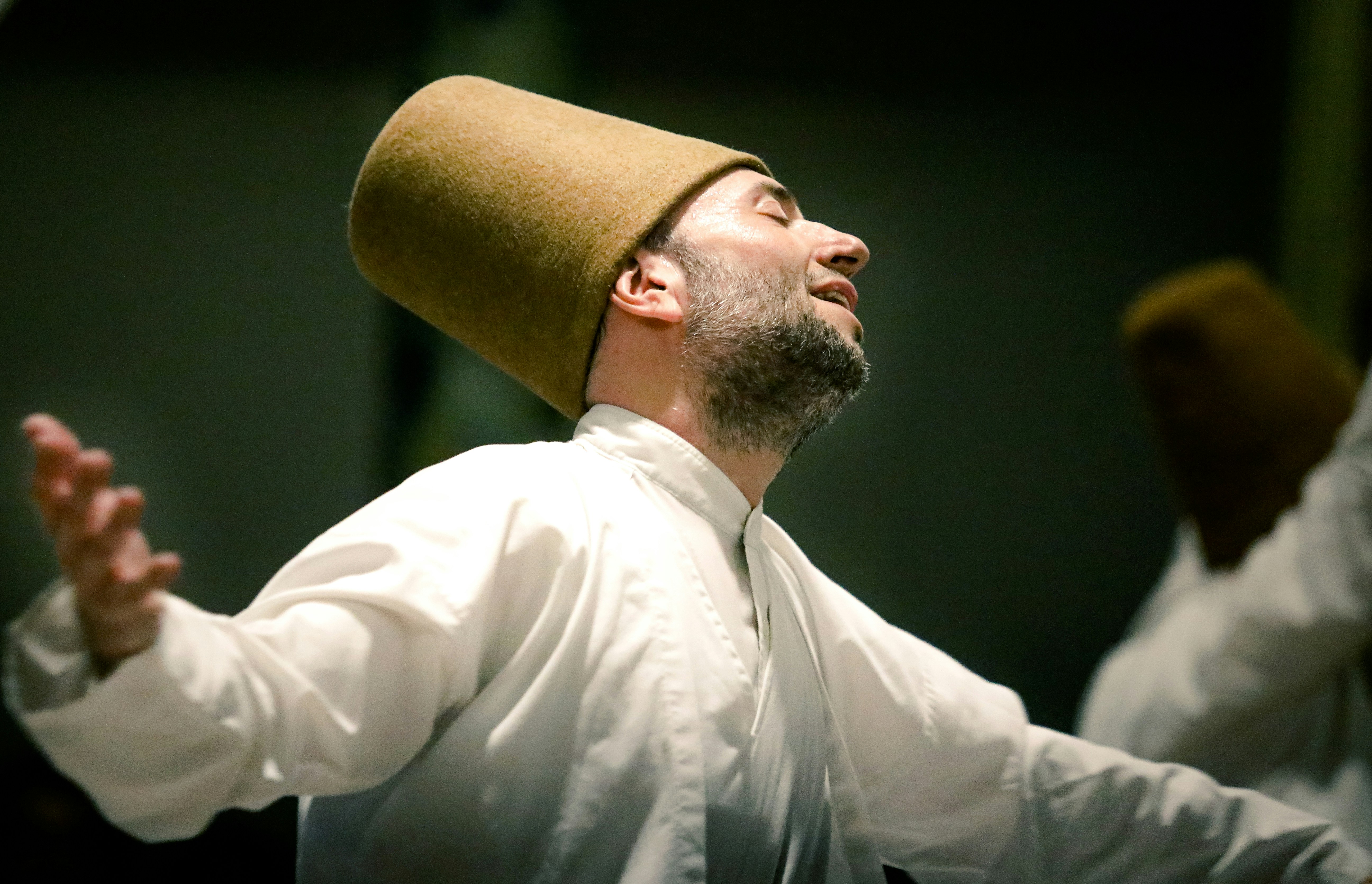
Introduction: Understanding Spiritual Healing
Spiritual healing is a holistic practice that focuses on the well-being of the entire person, encompassing mental, emotional, and physical dimensions. It is often described as a process that seeks to restore balance and harmony within the individual, helping them to achieve a sense of peace and contentment. At its core, spiritual healing is about bridging the gap between the physical world and the spiritual realm, utilizing various techniques and approaches to facilitate healing. Common methods include energy work, meditation, prayer, and various forms of alternative therapies.
Key terms such as “vibrational energy,” “aura,” and “chakras” are frequently associated with the practice of spiritual healing. Practitioners believe that imbalances in these areas may contribute to physical or emotional distress, and by addressing these imbalances, individuals can achieve improved health and well-being. Spiritual healers claim to channel positive energy, guiding clients toward self-discovery, personal growth, and overall healing.
The purpose of this blog is to provide a critical analysis of spiritual healing, exploring various perspectives regarding the effectiveness of spiritual healers and their practices. While many individuals report positive experiences and benefits from consulting spiritual healers, skepticism remains prevalent. Critics often point to the lack of scientific evidence supporting the existence of spiritual healing effects, questioning the efficacy of these methods. This exploration will include an examination of personal testimonials, scientific studies, and professional opinions in an effort to understand the intersection of belief, experience, and evidence in the realm of spiritual healing.
The Historical Context of Spiritual Healing
Spiritual healing has a rich and varied history that spans numerous cultures and traditions, dating back thousands of years. The early roots of this practice can be traced to ancient civilizations where shamans, medicine men, and women played crucial roles in their communities. These practitioners often held deep spiritual beliefs, considering illness to be a manifestation of imbalance between the physical and spiritual realms. In these societies, healing rituals were performed not only to alleviate physical symptoms but also to restore spiritual harmony.
In many indigenous cultures, such as those in North America and Siberia, shamanism serves as one of the earliest forms of spiritual healing. Shamans would enter altered states of consciousness to connect with spirit guides, seeking insight into the diagnosis and treatment of ailments. This connection with the spiritual world underlined the belief that health is not merely the absence of disease, but a state of overall balance. The power of spiritual healing is evident in its ability to address emotional and mental health, an understanding that has gained traction in contemporary practices.
As societies evolved, so too did their approaches to healing. In traditional Eastern medicine, such as Traditional Chinese Medicine (TCM) and Ayurveda, a holistic approach is embraced, incorporating physical, mental, and spiritual health. These systems emphasize the concept of energy flow—Qi in TCM and Prana in Ayurveda—where blockages can lead to illness. The integration of meditation, yoga, and other spiritual practices further highlights the importance of connecting the physical body with the spiritual self.
In modern times, spiritual healing has experienced a resurgence, with practices such as Reiki and crystal healing gaining popularity. These contemporary methods draw upon ancient techniques but adapt to current societal needs, focusing on personal empowerment and self-discovery. Thus, the historical context of spiritual healing reveals a continuum of belief and practice, underlining its persistent relevance in addressing the complexities of human health and wellbeing.
Different Types of Spiritual Healers
Spiritual healing is an umbrella term that encompasses a wide array of practices designed to facilitate emotional, physical, or spiritual well-being. Various types of spiritual healers have emerged, each with its unique methods, beliefs, and frameworks. Understanding these different forms can offer insights into their practices and the experiences of those seeking their assistance.
One prominent category of spiritual healers is shamans. Typically found in indigenous cultures, shamans are often regarded as intermediaries between the spiritual and physical worlds. They employ rituals, chants, and even drumming to enter altered states of consciousness, where they navigate other realms to seek guidance or healing for their clients.
Energy healers represent another faction, focusing on manipulating and channeling energy within and around the human body. This practice is based on the belief that energy fields can become imbalanced, leading to emotional and physical ailments. Techniques used by energy healers can include acupuncture, chakra balancing, and the use of crystals.
Reiki practitioners, a specific subset of energy healers, utilize a method developed in Japan that involves gentle touch and energy transfer. Practitioners aim to promote relaxation and emotional healing by tapping into universal life force energy. Sessions often leave clients feeling deeply relaxed and rejuvenated.
Additionally, meditation guides assist individuals in exploring mindfulness and relaxation techniques. By imparting skills that enhance self-awareness, these practitioners promote mental clarity and emotional stability. They often utilize various forms of meditation, including guided imagery, breath control, and mindfulness practices.
In summary, the landscape of spiritual healing is diverse, with shamans, energy healers, Reiki practitioners, and meditation guides each contributing unique methodologies. Their collective aim is to foster healing and personal growth, adapting traditional philosophies to modern contexts.
Personal Experiences: Testimonials and Anecdotes
Numerous individuals have sought the assistance of spiritual healers, often reporting profound and life-changing experiences. These personal testimonies suggest that the impacts of spiritual healing extend beyond mere physical health improvements, delving into emotional and psychological realms as well. For instance, one individual described how a session with a healer alleviated long-standing anxiety, enabling them to lead a more fulfilling life. They attributed this transformation to the healer’s unique ability to tap into their emotional well-being, facilitating a release of pent-up negativity.
Another account highlights a person dealing with chronic pain, who turned to spiritual healing after conventional medicine provided limited relief. After several sessions with a spiritual healer, this individual reported a significant reduction in pain levels, along with enhanced clarity and mental peace. Stories like these emphasize the subjective nature of the healing experience, which can be as impactful as clinical treatments, and provoke questions about the mechanisms that contribute to such outcomes.
However, it’s important to consider the phenomenon known as the placebo effect, which can play a critical role in the perceived success of spiritual healing. When individuals believe strongly in the efficacy of a treatment, whether conventional or alternative, they might experience actual improvement in their condition. Research indicates that psychological factors can significantly influence physical health, further complicating the assessment of spiritual healing’s effectiveness.
While personal experiences can offer valuable insights into the world of spiritual healing, they remain anecdotal and subjective. Each individual’s journey is unique, and as such, one should approach these narratives with both curiosity and caution. Overall, they serve to highlight the complex intersection of belief, perception, and healing.
Scientific Perspective: Research on Spiritual Healing
The exploration of spiritual healing through a scientific lens has garnered attention in recent years, with numerous studies investigating its efficacy across various domains, including psychology, medicine, and holistic health. Spiritual healing often encompasses practices such as energy healing, guided visualization, and meditation, meriting a comprehensive evaluation of their scientifically established benefits.
A significant area of investigation has been the psychological effects of spiritual healing. Research indicates that spiritual practices can lead to enhanced mental well-being. For instance, studies have shown that individuals engaging in mindfulness meditation experience reductions in stress and anxiety, which may be attributed to improved emotional regulation. Other research highlights the role of spirituality in fostering resilience, suggesting that spiritual practices can positively influence psychological health by providing meaning and purpose in challenging situations.
In the medical realm, some studies have examined the impact of spiritual healing on physical ailments. A notable example includes randomized controlled trials that evaluate the effects of prayer or distant healing on patients with chronic diseases. While some studies report positive outcomes, including reduced pain and improved recovery rates, results often remain inconclusive, prompting skepticism from the scientific community regarding the placebo effect and other confounding variables.
Furthermore, the field of holistic health has begun to incorporate frameworks that bridge spiritual and conventional healing methods. This integration aims to provide a more comprehensive approach to patient care. However, despite anecdotal successes, criticism remains prevalent. Skeptics emphasize the necessity for rigorous, reproducible experimentation, arguing that anecdotal testimonials can lead to confirmation bias in evaluating spiritual healing’s effectiveness.
Overall, while certain studies offer support for the benefits of spiritual healing, ongoing research is essential to delineate its potential role within conventional medical frameworks more clearly. This necessitates a balanced approach that respects personal beliefs while demanding empirical validation.
The Role of Intention and Belief in Healing
The concepts of intention and belief play a crucial role in the realm of spiritual healing. In many healing practices, the mindset of both the healer and the individual seeking healing is believed to influence the efficacy of the healing process. When a person approaches a spiritual healing session with a positive mindset and clear intention, they may be more receptive to the experience and its potential benefits. This intrinsic motivation can lead to profound psychological and emotional shifts, enhancing the overall healing journey.
Research indicates that belief systems can significantly impact an individual’s perception of health and wellness. For example, the placebo effect demonstrates how an individual’s belief in treatment—whether it be medical or spiritual—can generate tangible physiological responses. Those who believe in the power of spiritual healers often report enhanced well-being, suggesting that belief itself is a healing agent. The mere act of believing that one will heal can activate mental and emotional resources that promote recovery.
Moreover, the healer’s intention can create a powerful atmosphere conducive to healing. Healers often focus their energy and intentions towards promoting wellness, and this directed effort can resonate with individuals seeking assistance. The energy exchange that occurs during spiritual healing can foster a sense of trust and connection, allowing individuals to relax and open themselves up to healing experiences.
In conclusion, intention and belief are pivotal elements in the framework of spiritual healing. While the methods employed by spiritual healers vary greatly, the psychological dimensions of intention and belief consistently emerge as significant factors influencing healing outcomes. This underscores the importance of understanding the mind-body connection and its implications in spiritual and holistic healing practices.
Criticisms and Skepticism Around Spiritual Healers
The concept of spiritual healing has drawn significant skepticism and criticism from various sectors, particularly the medical community. Skeptics often argue that spiritual healing lacks empirical evidence and scientific validation, therefore positioning it outside the realm of what is considered credible healthcare. Critics emphasize that spiritual healers may not possess the rigorous medical training necessary to address physical health issues, potentially leading to harmful outcomes for individuals who rely solely on these practitioners for treatment.
One notable concern is the danger of individuals exclusively seeking spiritual healing instead of pursuing conventional medical solutions for serious health conditions. The reluctance to engage with evidence-based treatments can have dire consequences. For instance, patients with life-threatening illnesses may forgo proven medical interventions, resulting in the deterioration of their health. This reliance on spiritual practices can be particularly problematic in emergencies, where timely and effective medical care is crucial. Additionally, critics have raised alarms over cases where spiritual healers may promote an anti-medical narrative, which can contribute to a general mistrust of healthcare professionals.
Moreover, ethical considerations come into play regarding spiritual healers, particularly when it comes to informed consent. Unlike licensed medical practitioners, spiritual healers often operate in a less regulated environment, raising questions about their accountability. The potential for exploitation exists, especially among vulnerable populations seeking relief from suffering. Critics argue that spiritual healers should not only practice ethically but also ensure that their clients are made fully aware of the limitations and lack of scientific support for their methods. All these criticisms highlight a complex landscape where spiritual healing interacts with traditional medicine, warranting careful evaluation and ongoing discourse.
Case Studies: Successes and Failures
To evaluate the efficacy of spiritual healing practices, it is essential to examine specific case studies that illustrate both successful outcomes and notable failures. One remarkable success story involves a woman diagnosed with chronic pain and anxiety disorders. After exploring various traditional medical treatments with minimal relief, she turned to a spiritual healer specializing in energy work. This healer utilized techniques such as Reiki and guided meditation over a series of sessions. Remarkably, after a few months, the patient reported significant reductions in pain and anxiety levels. This case underscores the potential of spiritual healing as a complementary approach, particularly for conditions where conventional treatments may fall short.
Conversely, there are instances where spiritual healing has proven ineffective or even detrimental. A prominent case involved a terminally ill patient who opted for a well-known spiritual healer instead of pursuing conventional treatments such as chemotherapy. While the healer promoted holistic methods focused on energy balance and positive affirmations, the patient’s condition worsened, leading to a tragic outcome. This case highlights the risks associated with relying solely on spiritual healing, especially in critical medical situations. It emphasizes the need for patients to integrate spiritual practices alongside evidence-based medical interventions to ensure comprehensive care.
Another case worth mentioning involved a group of individuals participating in a community-based spiritual retreat aimed at addressing mental health issues. While some attendees reported feelings of renewal and improved outlooks post-retreat, others experienced a deepening of their symptoms. This scenario illustrates the subjective nature of spiritual healing and the varying responses individuals may have based on their unique backgrounds and beliefs. It prompts important questions about the ways spiritual healing should be approached and shares insight into the need for scrutiny and careful consideration in its application.
Conclusion: Finding a Personal Truth
In navigating the complex landscape of spiritual healing, it becomes apparent that personal truths play a significant role in shaping individual beliefs. The investigation into the efficacy and reality of spiritual healers reveals a diverse array of experiences and perspectives. Some individuals report profound transformations and benefits attributed to spiritual healing practices, leading them to endorse the validity of such modalities. Others maintain skepticism, often citing the lack of empirical evidence as a barrier to acceptance.
This variance in viewpoint highlights the subjective nature of spiritual experiences. For many, the decision to engage with spiritual healers stems from personal needs, life circumstances, or a longing for connection to something greater than oneself. The emotional and psychological dimensions of these interactions are often cited as valuable, regardless of the scientific scrutiny they may encounter.
There is no universal answer to whether spiritual healers are “real”; instead, it pivots on individual interpretation and belief systems. Empirical research may provide insights, yet personal experiences often carry their own weight. As this blog has outlined, the dialogue surrounding spiritual healing invites each of us to explore our beliefs, discern our values, and reflect on our experiences.
Ultimately, the exploration of spiritual healing may serve more as a journey than a destination. Encouraging open-mindedness and fostering critical thinking, readers are urged to recognize the importance of their inner voice amidst a spectrum of opinions. It is through this lens of personal truth that a more profound understanding of spiritual healing can emerge, allowing individuals to navigate their spiritual paths with clarity and insight.
Leave a Reply