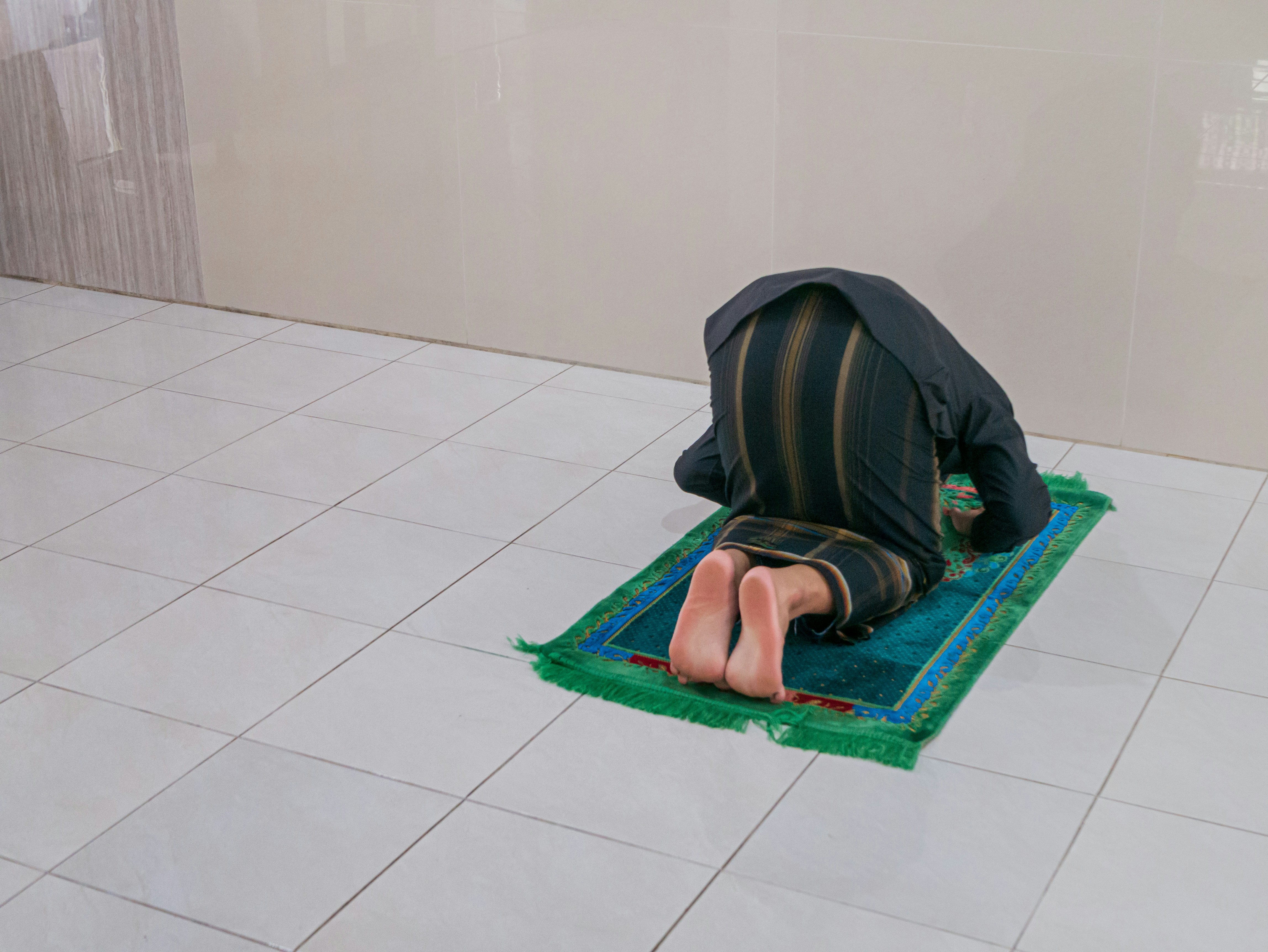
Introduction: The Intersection of Faith and Healing
The concepts of healing and health hold significant places within Islamic belief systems. The Muslim community encompasses a diverse array of perspectives shaped by cultural, traditional, and theological influences. Over time, these views have led to a complex relationship between faith and the practices of healing, ranging from spiritual approaches to modern medical interventions.
At the heart of Islamic belief is the understanding that ultimate healing and wellness originate from Allah (God). This theological framework informs various practices, aligning spiritual health with physical well-being. Additionally, traditional healing methods, which often involve herbs, prayer, and other culturally rooted practices, coexist alongside modern medical paradigms. This intersection of faith and health encourages Muslims to seek healing through both spiritual and physical means, allowing individuals to choose approaches that resonate with their personal beliefs and circumstances.
The role of healers in Islam encompasses various interpretations and practices. On one hand, Islamic teachings promote the pursuit of knowledge and encourage seeking solutions through scientific means, such as consulting medical professionals. On the other hand, there exists a rich tradition of folk healers and spiritual practitioners who are believed to possess the ability to cure ailments through divine assistance or ancestral knowledge. This dichotomy raises questions regarding the legitimacy and efficacy of those who claim to heal, reflecting the broader discourse within the community about faith, trust, and the acceptance of alternative therapies.
This blog post will explore these diverse perspectives on healing in Islam and the intersectionality of faith and modernity in the practices of healers. By delving into stories and testimonies from various community members, we will gain insights into how healing is perceived and practiced within different contexts in the Muslim world.
The Concept of Healing in Islam
In Islam, the concept of healing extends far beyond mere physical restoration; it encompasses spiritual, mental, and emotional well-being. Central to this understanding are the teachings derived from the Quran and the Hadith, which provide guidance on how Muslims should approach health in their daily lives. The holistic view of health acknowledges that the body, mind, and spirit are interconnected, implying that any ailment may have multiple dimensions requiring attention.
From a spiritual perspective, healing is often linked to faith in Allah and adherence to Islamic teachings. Many Muslims believe that prayers, supplications, and reading from religious texts can provide not only comfort but also healing. The Quran speaks about the importance of faith and its impact on health, illustrating that turning towards God can lead to inner peace and restoration. Moreover, the Hadith contains numerous instances where the Prophet Muhammad emphasized the significance of seeking medical help while also relying on divine assistance.
Physically, Islam advocates for a balanced lifestyle that encompasses proper nutrition, regular exercise, and avoidance of harmful substances, thereby promoting overall well-being. The concept of halal, which refers to what is permissible, extends to dietary practices that are essential for maintaining physical health. Additionally, Islamic teachings encourage preventive measures as a form of healing, asserting that maintaining health is as crucial as seeking treatment when illness occurs.
Mental wellness is also a vital aspect of healing in Islam. Muslims are encouraged to engage in activities that promote psychological stability and emotional resilience, such as community involvement and charitable acts. The practice of dhikr, or the remembrance of Allah, is often highlighted as a method to soothe the mind and provide mental clarity.
Thus, the Islamic perspective on healing integrates a rich tapestry of spiritual, physical, and mental elements, underscoring the importance of a holistic approach to health and wellness.
Types of Healers in Muslim Communities
Muslim communities around the world exhibit a rich tapestry of healing practices that reflect their cultural backgrounds and religious beliefs. Within these communities, healers can broadly be categorized into three main types: traditional herbalists, spiritual healers, and modern medical professionals.
Traditional herbalists play a significant role, particularly in rural areas where access to modern healthcare may be limited. These practitioners utilize a variety of plants and natural remedies, often based on knowledge passed down through generations. Their methods emphasize holistic health, aiming to treat not just the physical symptoms but also the emotional and spiritual aspects of illness. In Islamic tradition, many herbal medicines are believed to be created by God, reinforcing their significance in healing.
Spiritual healers, such as Raqis, utilize Quranic verses and Islamic prayers as part of their healing process. This approach is rooted in the belief that spiritual ailments can affect physical health. Raqis often perform rituals that involve reciting specific verses from the Quran, seeking protection and healing for the afflicted. This practice reflects the Islamic understanding of health as a balance between the body, mind, and spiritual well-being. The combination of faith and healing creates a sense of community support, as individuals may seek these healers not only for physical issues but also for reassurance and hope.
Modern medical professionals, including doctors and therapists, are also integral to the healing landscape in Muslim countries. Many Muslims turn to these professionals for their expertise in diagnosing and treating illnesses with scientifically validated methods. In urban settings, the coexistence of traditional and modern medicine is common. Many individuals may first consult a traditional healer for non-critical issues before seeking medical advice. This relationship can be seen as complementary, where different healing methods are acknowledged and respected.
The Role of Spiritual Healing in Islam
In various Muslim traditions, spiritual healing plays a significant role in the overall well-being of individuals. One prominent practice is Ruqyah, which involves the recitation of specific verses from the Quran and supplications. Muslims believe that these sacred texts hold divine power and can aid in alleviating both physical and spiritual ailments. The practice of Ruqyah is not merely about addressing health issues; it also serves to strengthen the faith of individuals, offering them comfort and hope in their times of distress.
Moreover, prayer, or Dua, is considered a powerful tool in seeking healing and support. Muslims engage in prayer not only as a ritual obligation but also as a means of connecting with their Creator. Through heartfelt supplications, believers express their vulnerabilities and seek divine assistance, fostering a sense of peace and reassurance. This aspect of prayer emphasizes the psychological benefits of spiritual healing, which can lead to enhanced emotional stability and resilience.
The interplay between faith and healing is a crucial dimension in the lives of many Muslims, as they navigate through challenges and hardships. Engaging in Ruqyah and Dua has been shown to have a positive impact on the psychological state of individuals facing illness or emotional distress. This holistic approach to healing acknowledges the intertwined nature of physical, mental, and spiritual health.
Furthermore, the community aspect of these spiritual practices cannot be overlooked. When individuals participate in group prayers or recitations of Ruqyah, they experience a sense of belonging and support. The shared belief in the power of prayer fosters social connections, which are essential for psychological well-being. Thus, spiritual healing within the context of Islam not only addresses individual needs but also reinforces communal bonds, contributing to the overall resilience of the community.
Skepticism and Controversies Surrounding Healers
The practice of healing within Muslim communities has sparked considerable skepticism and debate, particularly concerning the authenticity and ethics of certain healing methods. While many Muslims hold a strong belief in the spiritual dimensions of health—often turning to healers for both physical and psychological ailments—there are significant concerns articulated by Islamic scholars and religious authorities regarding dubious practices. These scholars typically advocate for a clear demarcation between authentic healing rooted in Islamic principles and exploitative practices that may take advantage of vulnerable individuals.
One of the prominent issues surrounding healing practices is the potential for exploitation. Healers, especially those who claim to have supernatural or divinely inspired powers, may charge exorbitant fees for services that promise miraculous cures. The reliance on such healers can lead patients to forgo conventional medical treatment, potentially jeopardizing their health. As a result, scholars often emphasize the importance of ensuring that healing practices are ethical and grounded in sound Islamic doctrine, advising followers to remain cautious about whom they seek help from.
Furthermore, there are notable concerns about the impact of traditional healing methods on public health. In the increasingly complex medical landscape, where evidence-based medicine is widely available, a strictly traditional approach can create conflicts. Critics argue that a steadfast belief in supernatural healing can hinder individuals from seeking timely medical intervention, which may be essential for recovery. Such situations cast doubts on the wisdom of prioritizing spiritual health over physical realities, prompting ongoing debates within communities.
Ultimately, while the integration of faith in healing can provide comfort and support, a balanced perspective that respects both spiritual beliefs and medical science is essential to safeguard individual health and well-being.
Cultural Influences on Healing Practices
Healing practices within Muslim-majority countries exhibit significant variations, largely shaped by local cultural traditions and beliefs. These practices not only infuse Islamic perspectives on health and healing but also reflect the historical and social contexts of the regions. As a result, the acceptance of healers and alternative therapies can differ widely from one community to another, influenced by longstanding customs and modern adaptations.
In many parts of the Middle East and North Africa, traditional healers, often referred to as hakeems or shuyukh, occupy a prominent role in healthcare. Local customs regarding healing may incorporate herbal remedies, recitations from the Quran, and rituals grounded in cultural heritage. For example, in Egypt, Cupping (Hijama) is a well-accepted traditional practice, believed to detoxify the body and provide relief from various ailments. This practice, rooted in both Quranic references and ancient Egyptian traditions, demonstrates an integrative approach to health.
Conversely, in countries like Turkey, the influence of modernization and Western medicine has led to a growing skepticism toward traditional healers. Nonetheless, many still seek healing through both conventional and alternative methods, leading to a synthesis of practices that blend cultural beliefs with scientific understanding. In rural areas, where access to medical professionals may be limited, individuals often turn to local healers who are respected within their communities.
The dynamic interplay between cultural identity and healing methodologies raises important questions about the legitimacy and efficacy of traditional healing practices. In some regions, embracing these practices is seen not only as a matter of health but also as a way to maintain cultural heritage. Thus, the landscape of healing in Islam is as diverse and complex as the cultures that influence it, showcasing a multifaceted approach that transcends mere religious doctrine.
Modern Medicine and the Muslim Perspective
In contemporary Muslim communities, the interaction between modern medicine and traditional healing practices is both complex and nuanced. Many Muslims increasingly embrace modern medical advancements, recognizing their efficacy in treating various health conditions and illnesses. This acceptance reflects a broader trend where modernity and tradition coexist, allowing individuals to navigate health care in diverse ways.
While seeking professional medical assistance has gained traction among Muslims, traditional healing practices remain integral to many cultures within the faith. Herbal remedies, spiritual healing, and the practice of Ruqyah (spiritual healing through Qur’anic verses) continue to hold significance for some believers. These traditional methods often complement modern medical treatments rather than serve as substitutes. This dual approach is indicative of a broader belief system that harmonizes faith with scientific understanding. Several scholars and community leaders advocate for this integration, underscoring the importance of holistic healing that encompasses both spiritual and physical well-being.
However, perceptions regarding the use of modern medicine among Muslims are not uniform. Different sects and cultural interpretations of Islam may influence one’s attitude towards medical treatment. For instance, some conservative groups may prioritize traditional medicine over modern methods, viewing them as incompatible with their beliefs. Conversely, others might advocate for a more progressive understanding, emphasizing the importance of evidence-based medicine while still valuing spiritual healing practices. This divergence often sparks discussions on the necessity of finding a balance that respects the significance of both realms.
Ultimately, the growing acceptance of modern medicine, alongside traditional healing practices, illustrates the evolving health care landscape in Muslim communities. The interplay between these two approaches highlights a distinctive cultural synthesis, revealing the adaptability of faith in response to contemporary health care challenges.
Case Studies: Personal Stories of Healing
The pursuit of healing within the Muslim community encompasses a diverse range of experiences and methods. One compelling case involves Sarah, a 32-year-old woman from a traditional family background. Struggling with anxiety and depression, Sarah initially turned to modern medicine, seeking help through psychotherapy and medication. Despite some progress, she felt a disconnect within herself, prompting her to explore alternative avenues for healing within her faith. This led her to a local imam who offered spiritual counseling and the practice of ruqyah, a form of spiritual healing through Quranic recitation. Sarah reported feeling a greater sense of peace and connection after engaging in these practices, demonstrating how a blend of modern and traditional methods can yield powerful results.
Another poignant narrative is that of Amir, a 45-year-old man who faced chronic illness. Initially skeptical of traditional healing methods, he sought treatment through conventional medical practices. However, after years of little improvement, Amir was introduced to herbal remedies within his community. Guided by the teachings of Prophet Muhammad regarding natural healing, Amir decided to embrace a holistic approach that combined herbal supplements with prayer and mindfulness practices. His case highlights the potential of integrating conventional medicine with traditional remedies, allowing Amir to manage his health more effectively and improve his quality of life.
Lastly, we consider Fatima, a mother who incorporated Islamic principles into her family’s healing practices. After witnessing her child suffer from recurrent illnesses, she turned towards prophetic medicine, utilizing dietary changes and natural remedies mentioned in the Hadiths. Fatima emphasized the importance of faith in healing and reported that her family’s overall health improved significantly after making these adjustments. Her story exemplifies the role of belief and spiritual practices in enhancing not just physical health but also emotional and psychological well-being.
Conclusion: A Holistic Approach to Healing in Islam
In the exploration of healing practices within Islam, it becomes clear that healing is not merely a physical process but a multifaceted experience that encompasses spiritual, emotional, and mental dimensions. Muslims view healing as an integrative practice that recognizes the interconnectedness of body, mind, and soul. This holistic approach to health is rooted in the teachings of the Quran and the Hadiths, which emphasize the importance of seeking knowledge, prayer, and community support in the healing journey.
Throughout the discussion, various avenues of healing have been highlighted, from the use of traditional healers and natural remedies to modern medical practices. Each of these methods serves a unique purpose and can complement one another in enhancing an individual’s overall well-being. For instance, while prayer and spiritual practices foster mental and emotional health, conventional medicine addresses physical ailments effectively. This synergy between diverse healing modalities reflects the Islamic belief that health is a balance of physical fitness and spiritual well-being.
Moreover, the acceptance of different healing approaches within the Islamic community underlines the flexibility and adaptability of these practices to suit individual needs. Muslims are encouraged to seek healing in ways that resonate with their beliefs and circumstances, fostering a personalized approach to health care. This perspective not only affirms the significance of faith in the healing process but also highlights the essential role of community and social support in achieving holistic health.
Ultimately, the view of healing in Islam encourages individuals to embrace a comprehensive understanding of health that transcends physical symptoms. By acknowledging and integrating various methods of healing, Muslims can foster a deeper sense of well-being that aligns with their spiritual and religious values, illustrating a profound commitment to nurturing the whole self in the pursuit of health.
Leave a Reply