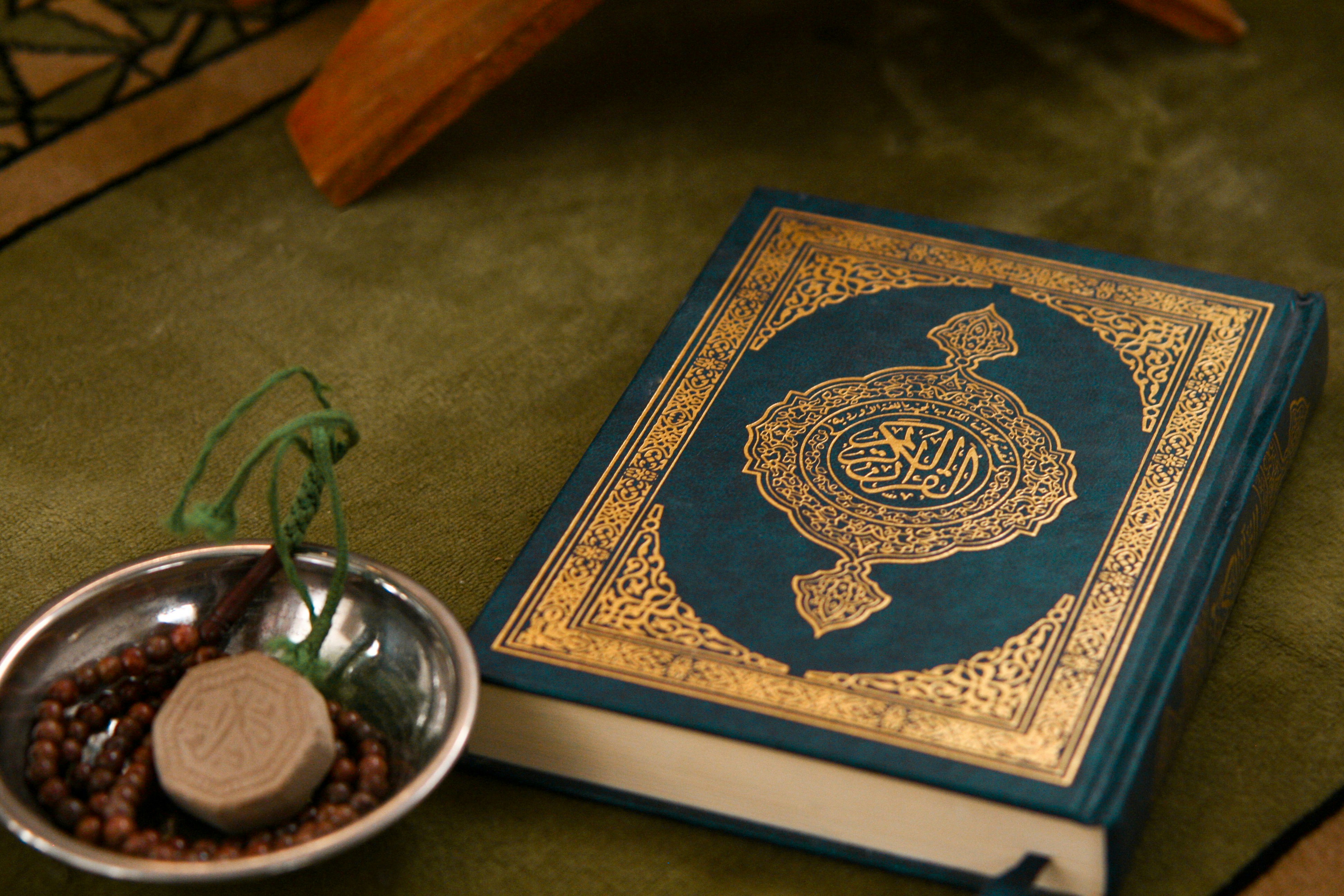
Introduction to Magic in Islam
Within Islamic teachings, the concept of magic, or “sihr,” holds significant implications. Traditionally, magic has been viewed as an act that manipulates natural forces through supernatural means. The historical narratives surrounding magic vary across cultures, with some societies revering it while others denounce it. In the context of Islam, sihr is categorically condemned, which positions it in stark contrast to the beliefs prevalent in certain pre-Islamic traditions where magic was often an amalgamation of spirituality and mysticism.
Islamic doctrine regards sihr as a sinful act, one that diverts the faithful from the worship of Allah. Recognizing magic as a form of deception and an infringement on divine authority, the Qur’an specifically condemns the practice of magic and warns believers against seeking its knowledge or engaging in its workings. This condemnation reflects a strict monotheistic worldview where reliance on God is paramount, and using magic is seen as an attempt to harness powers that belong solely to the Creator.
Despite such prohibitions, the perception of magic within Muslim communities is multifaceted. Influenced by local traditions and historical contexts, some individuals may adopt superstitious beliefs linked to magic, while Islamic scholars emphasize adherence to core doctrines that discourage these practices. Consequently, beliefs in magic among Muslims may vary, potentially influenced by regional customs and social norms. Nonetheless, an overarching principle in Islam remains the belief that all power belongs to Allah alone, and engaging with magic undermines that fundamental faith.
Definitions and Types of Magic
Magic, in a general context, refers to the practice of manipulating natural forces or invoking supernatural entities to achieve specific outcomes, often categorized by the intention behind its use. In many cultures, magic can be broadly divided into two main types: white magic and black magic. White magic is typically associated with benevolent acts, such as healing or protection, while black magic is often viewed as malevolent, aiming to harm or manipulate others. Additionally, there are other forms of magic, including red magic, linked to love spells and desires, and green magic, often associated with nature and fertility.
Within Islamic theology, the understanding of magic extends beyond these general definitions. In Arabic, the term “sihr” specifically refers to acts of magic, and it is viewed within the context of the broader Islamic belief system. Magic encompasses various harmful practices that can involve the invocation of jinn or spirits to achieve desired goals. Interestingly, Islamic texts differentiate between minor and major forms of magic, emphasizing that the practice of magic is strictly forbidden, regardless of its intended purpose. The Quran mentions that those who practice magic are committing a grave sin, as they stray from the worship of Allah and delve into areas of deceit.
Furthermore, the Islamic perspective on magic highlights the potential dangers posed by black magic specifically, which is seen as a tool for malevolence and destruction. Islam teaches that believers should protect themselves from such influences through faith and prayer. While there are other branches of magic—such as folk magic, which may involve herbal remedies or charms—the Islamic stance remains clear: magic is not to be pursued or practiced, as it conflicts with the core tenants of faith and reliance on the divine.
Islamic Texts and Magic: The Quran and Hadith
The concept of magic within Islamic texts is curated with caution and distinctly varies from its interpretations in other cultures. The Quran, which Muslims regard as the literal word of God, contains several references that address the nature of magic, sorcery, and witchcraft. Notably, one of the most cited passages is found in Surah Al-Baqarah (2:102), where it discusses the story of two angels, Harut and Marut, who were sent to teach about magic as a test for humanity. This verse signifies the recognition of magic but frames it as something that leads to disbelief and ultimately harms those who partake in it.
Moreover, the Quran emphasizes that magic is not to be sought or engaged with, as it veers one away from the path of righteousness. The verses warn believers against the practice, suggesting that mastering such sorcery may lead to grave consequences, both spiritually and socially. Consequently, practitioners who resort to magic are traceable to a lack of faith, which deviates from the tenets upheld in the religion.
Hadith, the recorded sayings and actions of the Prophet Muhammad, further elaborates on the Islamic perspective on magic. Several Hadith explicitly condemn practices related to sorcery and witchcraft, emphasizing the sinful nature of those who indulge in them. One notable Hadith states that seeking assistance from magicians is a form of associating partners with God, which goes against the core belief in Tawhid, the oneness of God. This highlights the Islamic stance that magic is not merely discouraged but regarded as a serious infringement on one’s faith and devotion.
Through these texts, it is evident that while magic is acknowledged in Islam, it is invariably depicted as a practice that leads to spiritual peril. Thus, adherents are urged to refrain from such activities and to focus on faith in God and righteous living, which is deemed preferable and beneficial for their spiritual journey.
The Belief in Jinn and its Connection to Magic
In Islamic theology, jinn are supernatural beings created from smokeless fire, and they inhabit an unseen world alongside humans. This belief in jinn is deeply rooted in Islamic tradition and is mentioned in various verses of the Qur’an. Jinn possess varying degrees of intelligence, free will, and are capable of influencing the physical world. Consequently, their existence has a significant connection to the concept of magic within the Muslim community.
Many Muslims believe that jinn can possess or influence individuals, which raises concerns over the practice of magic. These beliefs contribute to a perception of magic as potentially being harmful or deceptive. Muslims regard some forms of magic, especially those associated with jinn, as forbidden (haram), seeing them as means to illicitly obtain power or knowledge.
The interaction between jinn and humans is often viewed through a dual lens. On one hand, jinn can serve as powerful entities that individuals may seek assistance from in terms of knowledge or support. On the other hand, engaging with jinn can lead to dangerous consequences, including becoming susceptible to malevolent influences. This duality informs how Muslims perceive magic, creating wariness surrounding practices that claim to harness magical powers tied to jinn.
Furthermore, traditional practices such as Ruqyah (spiritual healing) often involve invoking the name of Allah to seek protection from harmful jinn or magic. Such practices highlight the acknowledgment of jinn’s influence and the need for spiritual safeguards against their potential negativity. In essence, the belief in jinn intertwines deeply with perceptions of magic, creating a complex narrative within the Islamic faith that influences behaviors and rituals related to the unseen world.
Scholarly Interpretations of Magic in Islam
The interpretation of magic within Islamic scholarship has been marked by a diverse range of opinions. Various Islamic scholars and authorities have debated the legitimacy of magic, its practice, and its implications across centuries. While some consider it an act of rebellion against divine will, others view it through a different lens, focusing on cultural practices and historical contexts.
Many classical scholars, including prominent figures like Al-Ghazali and Ibn Taymiyyah, have approached the subject of magic with caution. Al-Ghazali explicitly denounces it as an illicit practice that contravenes Islamic law, categorically asserting that such actions can lead an individual away from the path of faith. Ibn Taymiyyah, on the other hand, while acknowledging the existence of magic, maintains that it can only occur with the permission of Allah, suggesting that its practice may not always carry the same weight of condemnation.
Furthermore, the varying interpretations across different Islamic sects add further complexity to the discourse. For instance, Sunni scholars traditionally adopt a more critical stance towards magic, emphasizing its potential for harm and the need to combat it through religious teachings. Conversely, some Shia scholars might acknowledge certain forms of magical practice as cultural expressions; however, this is not without its own debates and criticisms within the community.
In addition, historical context plays a crucial role. The period of early Islamic expansion saw the assimilation of various cultural beliefs, which may have influenced scholars’ interpretations of magic and its ramifications. Thus, contemporary attitudes toward magic may still be informed by these historical perspectives, creating a spectrum of beliefs that range from outright rejection to nuanced acceptance.
Ultimately, the scholarly interpretations of magic in Islam reveal a landscape characterized by significant divergence, reflecting deeply held beliefs, cultural practices, and theological considerations that continue to evolve over time.
Cultural Practices and Folklore Surrounding Magic in Muslim Societies
In many Muslim societies, cultural practices and folklore surrounding the concept of magic have long been entrenched within the sociocultural fabric, often leading to intriguing interactions with Islamic belief systems. While Islamic teachings generally discourage the belief in magic as being incompatible with tawheed (the oneness of God), various traditional practices still exist that reflect a complex relationship with the notion of magic.
Folklore across diverse Muslim communities often includes tales and stories that highlight the existence of supernatural entities, protective amulets, and rituals aimed at warding off evil spirits. For instance, in South Asian cultures, the use of taweez, or amulets inscribed with Quranic verses, is prevalent. These objects are believed to offer protection and alleviate various misfortunes, blurring the lines between Islamic practice and folkloric traditions.
In regions like North Africa and the Middle East, it is common to encounter the practice of seeking the assistance of folk healers known as muwakkil or raqi, who may incorporate Quranic verses in their healing rituals. Although such practices can be viewed with skepticism from the orthodox Muslim perspective, they persist, indicating that communities navigate the boundaries between faith and folklore creatively.
Moreover, celebrations and rituals such as the Aid al-Bir in some cultures serve as occasions where magic and belief are intertwined, even if participants might maintain an outward adherence to mainstream Islamic principles. This creates a rich tapestry of cultural expressions where magic is acknowledged not necessarily as a reality but rather as a part of community identity and heritage.
The coexistence of these traditions with Islamic tenets illustrates the pluralistic nature of belief systems among Muslims. Although dominant narratives may denounce magic, the cultural practices surrounding it reveal a deeper understanding of the human experience in relation to the mystical; this duality reflects the complexities of faith, culture, and the shared narratives within Muslim societies.
The Role of Magic in Modern Muslim Life
In contemporary Muslim societies, the belief in magic frequently intersects with cultural traditions and religious interpretations. While mainstream Islamic teachings, derived from the Quran and Hadith, generally discourage the pursuit of magic, its practice persists in various forms within different communities. The perception of magic is often nuanced, with many Muslims viewing it through the lens of cultural heritage rather than religious endorsement.
Some modern Muslims express skepticism towards magic, advocating for a strictly theological approach to spirituality that dismisses superstitions. These individuals often consider practices involving magic as contrary to Islamic teachings, which emphasize reliance on God and discourage any forms of divination or sorcery. Nonetheless, there exists a segment of the population that actively engages with magical practices, often seeing them as a means to address personal problems or invoke protection against perceived malevolent forces.
The coexistence of belief in magic alongside modern Islamic principles can lead to complex dynamics within communities. In some cases, practitioners may incorporate elements of magic into their religious practices. For instance, seeking blessings or protection through charms or amulets is sometimes rationalized as a form of seeking divine assistance rather than a contradiction to faith. Such practices highlight a tension between traditional beliefs and contemporary Islamic thought.
Additionally, the influence of globalization and access to diverse spiritual perspectives may introduce new interpretations of magic among modern Muslims. This can result in a blend of indigenous magical beliefs with Islamic teachings, leading to diverse expressions of spirituality. As a result, the role of magic in modern Muslim life varies considerably, revealing differences across cultural, regional, and individual lines.
Negative Connotations and Misconceptions
In many cultures, the term “magic” conjures images of enchantments, spells, and supernatural powers, often viewed through a lens of fascination or fear. However, within Islamic teachings, the concept of magic carries negative connotations, and many practices are condemned. This perspective stems from the fundamental belief that supernatural abilities akin to magic interfere with the worship and monotheism that form the core of Islamic faith. Muslims are instructed to place their trust solely in Allah (God) and to avoid practices that may detract from this belief.
One prevalent misconception is that magic can be benign or beneficial. Islamic scholars condemn any form of magic, labeling it as taweez (incantation) or sihr (sorcery), both of which are strictly forbidden. These practices are regarded not just as harmless folklore, but as significant threats to individual faith and communal integrity. The Quran expressly warns against engaging in or believing in magic, illustrating that those who do not distance themselves from such practices risk incurring divine displeasure.
Another important factor to consider is the stigma associated with magic. In Islamic communities, involvement with magic is often equated with malevolence and moral decay. Practitioners may face social ostracism and severe repercussions. Such stigmatization is not merely cultural but is firmly grounded in religious doctrine, which advocates for a clear separation between permissible and impermissible actions. This distinction serves to guide adherents away from potentially harmful beliefs and reinforces the importance of maintaining a strong focus on faith and worship.
Overall, misconceptions surrounding magic in Islam highlight the necessity for an accurate understanding of its implications. Emphasizing the negative ramifications associated with magic within Islamic texts is essential not only to dispel myths but also to cultivate a greater appreciation for the values and beliefs underpinning the faith.
Conclusion: The Complexity of Beliefs About Magic in Islam
Beliefs about magic within the Islamic context are profoundly complex and multifaceted. While some Muslims might acknowledge the existence of magic, often equated with the supernatural, others firmly maintain that it is incompatible with Islamic teachings. Central to these discussions is the cultural significance of magic, which varies widely among different communities and regions. For some, magic may hold historical and social importance, while for others, it represents a departure from religious doctrine.
The Qur’an explicitly cautions against practices that involve magic and sorcery, designating them as forms of deception and a deviation from the worship of Allah. As such, any involvement with magic is often viewed with skepticism and caution. Nonetheless, various interpretations exist, leading to a spectrum of beliefs about the legitimacy and consequences of engaging with magical practices. Such interpretations are frequently influenced by cultural backgrounds, personal experiences, and regional traditions.
Moreover, discussions surrounding magic in Islam also touch upon broader themes of faith, spirituality, and human interaction with the metaphysical realm. In many Muslim societies, the intersection of traditional beliefs and religious principles creates a rich tapestry where magic becomes a subject of both reverence and criticism. Ultimately, the beliefs about magic in Islam reflect not only the teachings of the religion but also the dynamic interplay of culture, tradition, and individual belief systems. Thus, understanding the complexities surrounding this belief requires an appreciation for both religious doctrine and cultural narratives.
Leave a Reply