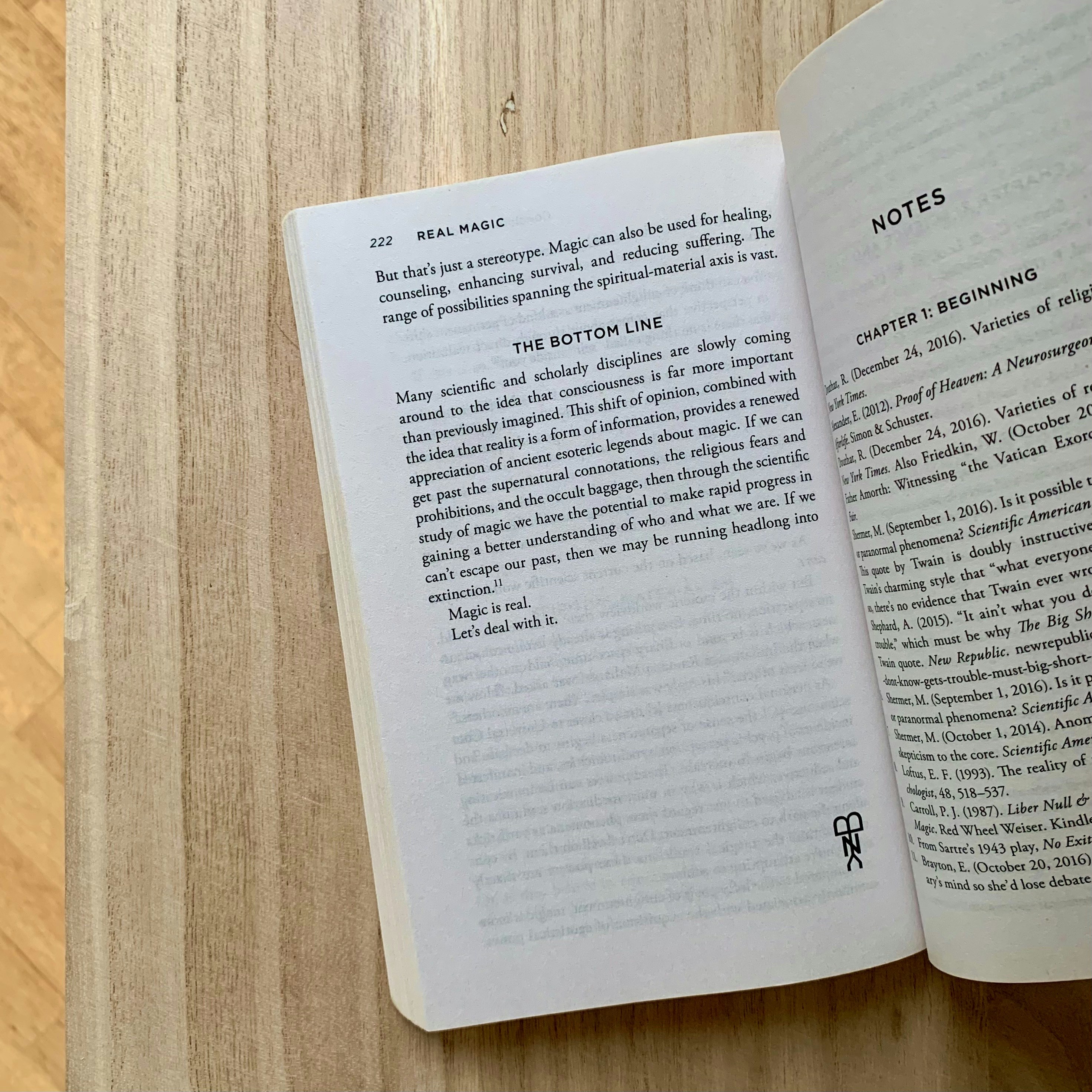
Introduction to the Concept of Magic
Magic, often shrouded in mystery and intrigue, is a concept that spans across cultural and historical contexts. At its core, magic can be understood as the practice of harnessing supernatural forces to bring about desired outcomes. This ancient practice has evolved over time, taking on various forms and interpretations according to the beliefs and experiences of different societies. In its most basic form, magic refers to an action or ritual thought to influence events through mystical means.
There are several distinct classifications of magic. Ceremonial magic, for instance, is characterized by elaborate rituals, often steeped in symbolism, where practitioners (often referred to as magicians or sorcerers) invoke higher powers or utilize specific spells. This form of magic is typically seen in structured contexts such as the rituals of the ancient Egyptians or the practices of medieval alchemists.
Folk magic, in contrast, tends to be more grassroots and is often intertwined with local customs and traditions. It often includes spells, charms, and remedies that emphasize a connection to nature and the everyday experiences of people. This could manifest in practices such as potion-making, herbal remedies, and divination techniques often passed down through generations.
In modern times, interpretations of magic have transcended mystical practices to include the realm of entertainment. Illusionists and magicians utilize a blend of sleight of hand, psychological principles, and advanced techniques to create experiences that captivate audiences, all while relying on misdirection rather than supernatural elements. This modern perception of magic further complicates the discussion of its spiritual implications, as it straddles the line between deception and wonder.
Historical Perspectives on Magic and Religion
The relationship between magic and religion has been a fascinating aspect of human history, delving into the beliefs and practices of various civilizations and cultures throughout time. In ancient societies, magic was often intertwined with religious practices. For instance, in Mesopotamia, rituals performed by priests involved elements of magic designed to appease deities, heal the sick, or ensure bountiful harvests. These early forms of magic were not seen as separate from religion but rather as essential components of spiritual life.
Indigenous cultures around the world have similarly recognized the connection between the spiritual and the supernatural. Practices such as shamanism revolve around the belief that certain individuals can harness magical energies to communicate with spirits or channel healing powers. This practice is part of a broader worldview that sees magic as a sacred practice, integral to maintaining balance and harmony in both the community and nature.
As major world religions emerged, their perspectives on magic varied significantly. For example, Christianity historically condemned magic, viewing it as a tool of the Devil, especially during the medieval period when witch hunts proliferated. In contrast, certain aspects of Jewish Kabbalistic traditions embrace the concept of magic as a divine force that can be utilized for spiritual growth. Similarly, Islam has a complex relationship with magic; while it is often viewed negatively, certain texts reference magical practices that were part of historical Islamic societies.
In Hinduism, magic is intricately linked to the concept of tantra and the use of mantras and rituals to attain spiritual enlightenment. The acceptance or rejection of magic within these religions showcases their unique theological frameworks and underscores the multifaceted nature of the supernatural within human history. As we examine these variations, it becomes evident that the interplay between magic and spirituality engenders ongoing debate regarding divine permission and the nature of the supernatural across epochs and cultures.
Biblical Interpretations of Magic
The topic of magic holds a complex place within biblical texts, with various interpretations among theologians and biblical scholars. The Bible distinctly addresses the practice of magic, sorcery, and divination through several passages, which have been the focus of theological debate. One significant prohibition can be found in the book of Deuteronomy, particularly in Deuteronomy 18:10-12, where it states, “Let no one be found among you who sacrifices their son or daughter in the fire, who practices divination or engages in witchcraft, who interprets omens, or engages in sorcery. Anyone who does these things is detestable to the Lord.” This passage underscores the biblical stance against magical practices, indicating a clear disapproval of such activities deemed as idolatrous or deceptive.
In contrast to these prohibitions, the scripture also contains instances where magical elements are represented in a narrative context. For example, in the book of Exodus, the magicians of Pharaoh’s court are described as able to replicate some of the miracles enacted by Moses through their own forms of magic (Exodus 7:11). This narrative serves to illustrate the power of God in comparison to the limits of human ability and magical practices. The magicians’ failure to replicate certain miracles ultimately reinforces a theological point about divine authority over magical acts.
Furthermore, interpretations vary regarding the nature of supernatural occurrences in the Bible. Some scholars suggest that these instances serve as allegorical lessons rather than endorsements of magic itself. For instance, many instances of angels and demons in scripture, while supernatural, emphasize the broader theological misunderstanding regarding the spiritual realm. Overall, while the Bible explicitly forbids certain practices associated with magic, it simultaneously provides a narrative framework that raises questions about the interpretation of such practices, illustrating a nuanced relationship between divinity and supernatural manifestations.
Theological Perspectives on the Permissibility of Magic
The discourse surrounding magic within theological frameworks varies significantly across different religions and denominations. In Christianity, for instance, views on magic can range from outright condemnation to more nuanced interpretations that appreciate its cultural significance and historical context. Traditional denominations, such as Roman Catholicism and many Protestant sects, typically regard magic as a manifestation of the occult, often associating it with forces opposing divine authority.
From this perspective, magic is viewed as problematic, as it may lead individuals away from reliance on God and foster engagement with malevolent spiritual forces. Biblical references, such as those found in the books of Exodus and Deuteronomy, explicitly discourage practices deemed magical or sorcerous, reinforcing this condemnation. Hence, for many Christians, magic is categorically rejected as contrary to God’s will.
Conversely, other theological perspectives within Christianity—including some liberal and mystical interpretations—consider magic to have a more neutral or even beneficial role. These viewpoints may suggest that magic, when used with good intentions and moral clarity, can serve as a conduit for spiritual connection or personal empowerment. This standpoint often draws on the belief that the supernatural can coexist with God’s overarching plan, allowing for an exploration of spiritual dimensions without falling into moral compromise.
Expanding beyond Christianity, other religions exhibit a range of attitudes toward magic. In many Indigenous spiritual traditions, for instance, magic is often integral to rituals and healing practices, seen as a natural expression of life forces. Similarly, in certain strands of Hinduism and Buddhism, magical practices such as rituals, mantras, and meditation are employed for spiritual advancement rather than condemnation.
Ultimately, the theological perspective on magic hinges on the underlying beliefs about the nature of good, evil, and the divine. While some view magic as inherently dangerous, others recognize its potential for positivity depending on context and intent, leading to an ongoing dialogue about its place in spirituality.
Cultural Views on Magic and Its Acceptance
The perception of magic significantly varies across different cultures, influencing its acceptance within societies. In many traditional cultures, magic is often intertwined with spirituality, viewed as a natural extension of religious beliefs and practices. For instance, various Indigenous tribes across North America incorporate rituals that invoke spiritual powers, reflecting a cultural acceptance of magic as a means to communicate with the divine or the spirits of ancestors. Such practices may involve healing ceremonies, shamanistic rituals, and the use of talismans, reinforcing the belief in the supernatural.
Conversely, in some Western societies, magic is frequently met with skepticism, often categorized as mere superstition or deception. For example, during the Enlightenment era, a rationalist approach led to the dismissal of magic, framing it as antithetical to scientific understanding. This cultural standpoint has shaped modern perceptions, leading to efforts to differentiate between legitimate spiritual practices and fraudulent activities masquerading as magic. Consequently, even among religious communities, magic is often regarded with suspicion or outright condemnation, stemming from a desire to uphold doctrines that align with a monotheistic framework.
Additionally, numerous cultures exhibit a duality in their acceptance of magic, acknowledging its existence while simultaneously imposing strict regulations or taboos surrounding its practice. For example, in some African cultures, magic is embraced in everyday life, often referred to as “witchcraft,” which plays a crucial role in community cohesion. However, negative perceptions can lead to witch hunts, where individuals accused of malevolent magic face severe repercussions. This highlights the complex dynamics between cultural norms, spiritual beliefs, and societal values concerning magic.
Thus, the acceptance of magic is deeply embedded in cultural contexts, shaping both individual and collective spiritual experiences. Understanding these varied perspectives allows for a more nuanced exploration of how magic intersects with beliefs about the divine.
Modern Magic: Wicca and Other Practices
Modern forms of magic, particularly Wicca and various Neopagan practices, have emerged as significant movements within contemporary spirituality. Wicca, often recognized as a nature-oriented religion, embraces the worship of the Earth and acknowledges various deities. It emphasizes harmony with nature, the cycles of the moon, and personal empowerment through ritualistic spells and celebrations. Practitioners of Wicca frequently engage in magick, using it as a means to manifest their intentions and connect with spiritual energies. This practice exemplifies how modern magical systems can interweave with spirituality, offering individuals a pathway to explore personal beliefs beyond traditional religious frameworks.
While Wicca promotes a spiritual dimension, it diverges from many established religions by fostering a more individualistic approach to faith and practice. Rituals in Wicca are often deeply personal; practitioners may adapt traditional rites to suit their beliefs or lifestyles, signaling a departure from the dogmatic structures found in conventional religions. This flexibility raises questions regarding the spiritual legitimacy of such practices in the eyes of more orthodox beliefs. Many traditional religious adherents perceive the rituals of Wicca and Neopaganism as misguided or even forbidden, often viewing them as conflicting with established doctrines.
Nonetheless, many practitioners of modern magic consider their rituals spiritually sanctioned, viewing them as expressions of divine energy rather than acts of rebellion against traditional faith. This nuanced relationship between modern magic and established religion demonstrates a broader trend within spirituality today, where individuals seek to craft personal connections with the divine while navigating the complexities of institutional beliefs. As the landscape of spirituality continues to evolve, the dialogue surrounding Wicca and other magical practices reminds us of the rich tapestry of belief that shapes human experience.
The Psychological and Sociological Aspects of Believing in Magic
The belief in magic plays a significant role in shaping human experience, providing insight into our psychological and sociological landscapes. For many individuals, magic serves as a source of meaning and comfort in a complex and often unpredictable world. This belief system can often arise during times of uncertainty, where traditional rational explanations may fall short in addressing profound existential questions. People are naturally drawn to magical thinking as it often provides a sense of control or influence over life’s challenging situations.
From a psychological perspective, the allure of magic can be closely related to the human propensity for pattern recognition. Individuals tend to seek connections and meanings in their experiences, which can lead to the embrace of supernatural beliefs. The act of believing in magic can create cognitive reassurances that help individuals navigate their emotions, enhancing their sense of agency and personal empowerment. Furthermore, engaging with magic can offer an escape from the mundanity of life, allowing individuals to explore their desires and fears in a more malleable context.
On a sociological level, belief in magic fosters community and social cohesion. Many cultures around the world have rich traditions of magic intertwined with their social practices. Rituals and communal activities related to magic can create bonds among individuals, reinforcing a collective identity. These shared beliefs often offer a support system, allowing individuals to relate to one another and navigate life’s hardships in solidarity. In various contexts, community-driven practices surrounding magic can empower marginalized groups, affording them a platform to express their identities and assert their beliefs.
In essence, the belief in magic encompasses complex psychological and sociological dimensions that address fundamental human needs for understanding, connection, and resilience amidst life’s uncertainties.
Contemporary Debates: Magic vs. Faith
The relationship between magic and faith has been the subject of extensive discourse, particularly in contemporary society where the boundaries of spirituality are frequently challenged. Proponents of magical practices often argue that these practices can coexist with religious beliefs, asserting that they serve as tools for individuals to connect with the divine or manipulate the forces of nature in alignment with personal intentions. Supporters view magic not as an antithesis to faith but rather as an additional layer of spiritual expression. They contend that, throughout history, many religious traditions have incorporated elements of magic, from rites and rituals to the invocation of mystical entities.
On the other hand, critics of magic vehemently oppose its integration within religious frameworks. They argue that magic, which often emphasizes control and manipulation of spiritual forces, fundamentally contradicts the principles of faith, which are rooted in surrender, trust, and reverence for a higher power. Critics cite various religious texts, where magical practices are condemned as an abomination or a deviation from true worship. This perspective holds that reliance on magic undermines the essence of true faith, which should focus exclusively on divine will rather than human agency.
The debate is further complicated by cultural contexts, where certain societies may view magic as an accepted aspect of religious practices, while others strictly condemn it. For example, some indigenous belief systems maintain a harmonious relationship with magic, integrating it into their spiritual lives. Conversely, major world religions—such as Christianity, Islam, and Judaism—often have clear doctrinal positions against the practice of magic, equating it with a loss of faith. Consequently, the dialogue surrounding magic and faith remains a complex and nuanced discourse, as individuals grapple with their beliefs and the societal frameworks that shape them.
Conclusion: Finding Balance Between Belief and Practice
As we navigate the complexities of spirituality and the supernatural, it becomes increasingly essential to consider how magic fits within the broader framework of belief systems. Throughout our exploration, we have unpacked various perspectives on magic, its historical significance, and its implications for one’s relationship with the divine. This examination reveals that magic can serve multiple roles, from a mere cultural artifact to a profound expression of human creativity and intention.
It is crucial for individuals to reflect on their own beliefs and practices regarding magic. The integration of magical practices into a spiritual framework can lead to a deeper understanding of personal beliefs about the divine. For some, magic may be viewed through a lens of skepticism, rooted in a strictly monotheistic perspective that sees any form of supernatural practice as contradictory to their faith. For others, magic may not contradict their spirituality but rather complements and enhances it. This diversity of thought invites a more inclusive dialogue about the nature of belief and the many ways in which individuals relate to sacredness.
Furthermore, it is vital to recognize that the temptation to reject or overly embrace magical practices can lead to extremes that might warp the intended balance between belief and practice. Finding equilibrium allows individuals to engage with both their spiritual traditions and the mysteries of the universe, promoting a richer, more nuanced understanding of their faith. It is this nuance that encourages growth and reflection, leading to a deeper and more personal relationship with God and the supernatural. As you consider your own views on magic and spirituality, ask yourself how these elements interplay in your life and spiritual journey. Ultimately, fostering a mindset that encourages exploration can illuminate the path toward harmony between belief and practice.
Leave a Reply