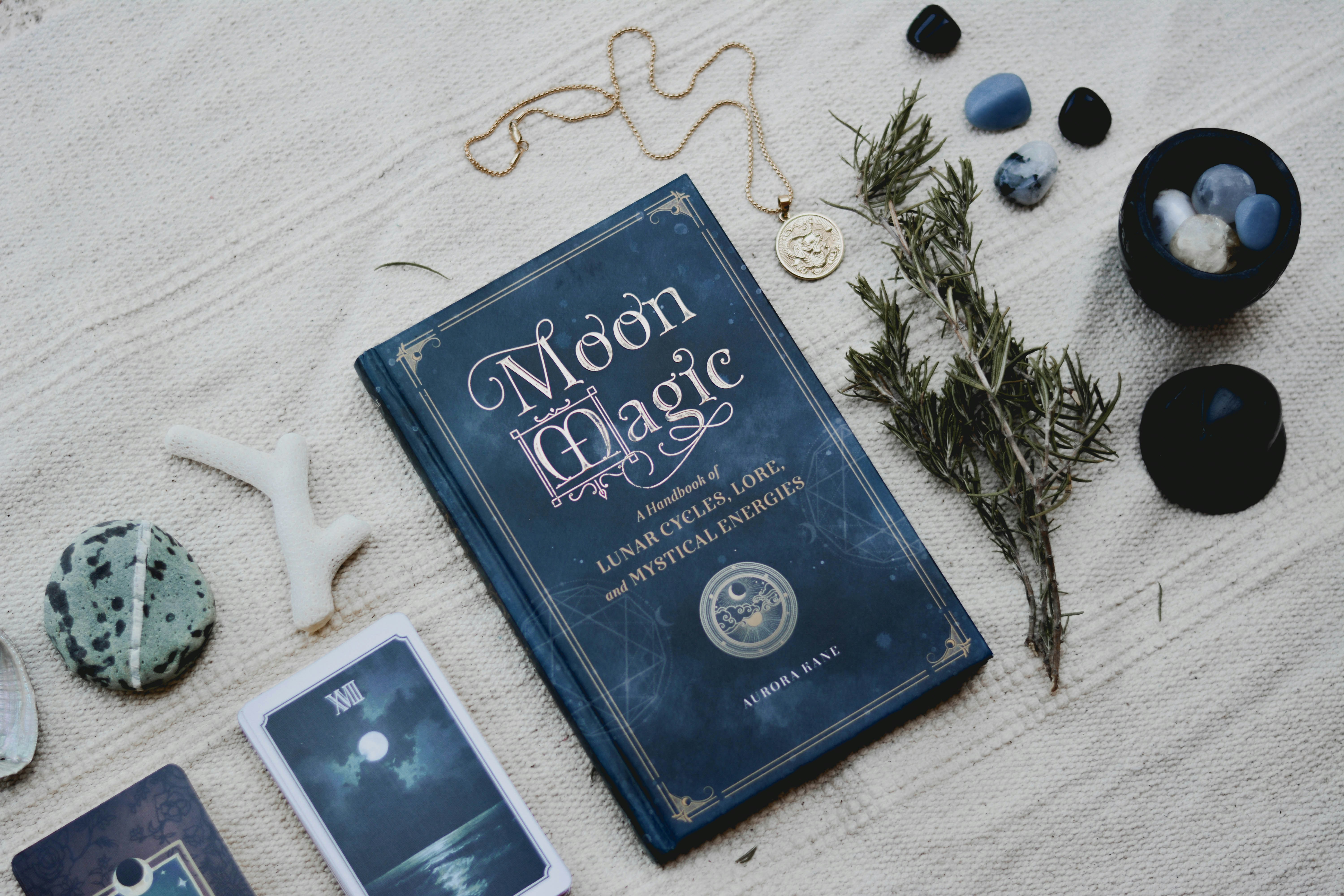
Introduction to Black Magic
Black magic, often defined as the use of supernatural powers or magic for evil or selfish purposes, has intrigued humanity for centuries. Its allure lies in its association with forbidden knowledge and the manipulation of forces deemed to be beyond the natural realm. The origins of black magic can be traced back to ancient civilizations, where it was practiced as a means of invoking deities or spirits to fulfill personal desires, often accompanied by ritualistic elements and symbolism.
Throughout history, black magic has been perceived differently across various cultures. In some societies, practitioners were seen as healers or wise individuals endowed with special insights. In contrast, other cultures viewed black magic as a source of malevolence, often leading to witch hunts and societal ostracism. This duality highlights the complex relationship humanity has had with the concept of dark magic, where fear and reverence coexist. The evolution of these perceptions can be attributed to sociopolitical changes, religious influences, and the general human tendency to grapple with the unknown.
Across different cultures, black magic has manifested uniquely, whether in ancient Egyptian rituals, European witchcraft, or the African traditions of hoodoo and voodoo. Each cultural interpretation adds layers of context to the understanding of black magic, showcasing its significance in societal structures, belief systems, and coping mechanisms for overcoming adversity.
In modern times, the perception of black magic continues to evolve. While some view it as a relic of superstition, others are drawn to its mysteries as they explore spiritual practices that seem to transcend the mundane. Consequently, black magic remains a compelling subject of interest, representing humanity’s ongoing struggle with morality, power, and the desire for control over one’s fate.
Common Practices in Black Magic
Black magic encompasses a variety of practices aimed at achieving specific goals, often perceived as malevolent in nature. Among the most prevalent of these practices are spell casting, rituals, and the use of various components such as talismans and herbs. Each of these elements serves a significant role in the belief systems surrounding black magic.
Spell casting is perhaps the most recognizable aspect of black magic. Practitioners, often referred to as sorcerers or witches, employ specific words, gestures, or materials to invoke supernatural forces. The intent behind spell casting can range from cursing an individual to influencing personal relationships or asserting control over circumstances. This act is typically grounded in the belief that words hold power and that such energy can manifest in tangible forms.
Rituals, another core element, are structured sequences of actions designed to channel energy into a desired outcome. These practices often involve the use of sacred or personal objects, rituals can include the drawing of sigils, chanting of incantations, and performing ceremonial acts at specific times deemed auspicious by practitioners. Timing, moon phases, and even planetary alignments are often considered critical to the successful completion of these rituals.
Additionally, the use of talismans and herbs plays a crucial role in black magic. Talismans are objects imbued with protective or harmful properties, serving as conduits for energy directed towards the intended target. Similarly, herbs are often selected based on their metaphysical associations. Each herb possesses unique properties, which practitioners may harness for specific outcomes such as healing, protection, or even hexing. The interplay of these practices illustrates the deep interplay of tradition, belief, and intention in the realm of black magic.
Psychological and Emotional Manipulation
Black magic, often shrouded in mystique, is said to possess the ability to manipulate psychological states and emotional responses of individuals. This manipulation is frequently employed as a means of exerting control over others, allowing practitioners to instill emotions such as fear, anxiety, or even love. The psychological aspects of black magic are not only fascinating but also concerning, as they raise numerous ethical questions regarding autonomy and consent.
At its core, the practice of black magic involves rituals and spells that aim to influence the mental and emotional well-being of others. By targeting an individual’s psychological state, practitioners may increase susceptibility to suggestion or manipulation. For instance, rituals intended to induce fear can lead to heightened levels of anxiety in the targeted individual, potentially disrupting their mental health and affecting their relationships.
In addition to fear, black magic can also be employed to invoke feelings of love or attachment, compelling individuals to act in ways they otherwise might not. This use of emotional manipulation can strain interpersonal connections, creating dynamics based on coercion rather than genuine affection. Relationships influenced by black magic lack the authenticity that is essential for healthy emotional bonds, as feelings are artificially instigated rather than freely expressed.
Moreover, the impact of psychological manipulation through black magic can extend beyond the individual, affecting entire social networks. Those manipulated may exhibit behaviours that ripple through their relationships, creating an atmosphere of mistrust or volatility. Understanding the effects of such practices on emotional well-being and interpersonal relationships is crucial to grasping the true implications of black magic.
Curses and Hexes: Their Power and Consequences
Curses and hexes represent two of the most intriguing and feared aspects of black magic. These malevolent spells, often associated with negative intentions, are crafted with the intention to inflict harm or misfortune on individuals, situations, or objects. The practice of casting a curse typically involves a deep understanding of the energy dynamics involved, as well as the desired outcome. Each spell is uniquely tailored to resonate with the caster’s intent, drawing on various elements, symbols, and rituals that enhance its potency.
The intended effects of curses and hexes can vary widely—from bringing about illness or misfortune to causing emotional distress. Often, the effects manifest differently depending on the strength of the caster’s conviction and the complexity of the spell. For instance, a simple hex may lead to minor inconveniences, while a well-crafted curse can profoundly alter the course of someone’s life. Psychological repercussions are also significant, as the act of engaging in such practices can alter the psyche of the caster, often drawing them into a cycle of negativity.
Furthermore, the consequences of cursing extend beyond the target. There exists a pivotal concept of karma in many spiritual practices, which implies that what one sends out into the universe inevitably returns. This can manifest as personal misfortune for the caster or ripple effects that impact their loved ones. As such, practitioners often explore counter-curses and protective spells to hedge against potential blowback from their works. These protective measures can mitigate the consequences, yet they also carry their own risks and considerations. Thus, the realm of curses and hexes serves as a cautionary tale about the delicate balance of intention, morality, and consequence prevalent in the world of black magic.
Divination Techniques in Black Magic
Divination techniques play a significant role in the practice of black magic, allowing practitioners to gain insight into unknown or hidden aspects of reality. These techniques are believed to serve as a bridge between the material world and the spiritual realm, facilitating communication with various entities or sources of knowledge.
One of the most prominent divination methods employed in black magic is scrying. Scrying involves gazing into a reflective surface, such as a crystal ball, mirror, or water, to receive visions or messages. This practice is thought to unlock the intuitive abilities of the practitioner, revealing information about the future or deeper truths that are not readily apparent. Many believe that scrying enables them to tap into psychic energies, guiding their decisions and actions accordingly.
Another well-known form of divination is tarot reading. The tarot deck, consisting of 78 cards that symbolize various archetypes and scenarios, is used to facilitate a reading where the practitioner interprets the cards drawn. Each card holds its own meaning, and the combination of cards can provide profound insights into personal circumstances, relationships, or forthcoming events. Practitioners often rely on tarot readings as a decision-making tool, helping them navigate the complexities of their lives.
Additionally, astrology is a fundamental aspect of divination within black magic. This practice involves analyzing the positions and movements of celestial bodies to gain insights into human affairs and terrestrial events. Astrologers believe that understanding how planetary alignments influence individual destinies can help practitioners make informed choices, aligning their actions with the cosmic order.
In summary, divination techniques in black magic such as scrying, tarot reading, and astrology serve as essential tools for practitioners seeking knowledge and guidance. These methods not only provide clarity regarding future possibilities but also empower individuals to make decisions that resonate with their intentions and desires.
Healing and Protection: The Dual Aspects of Black Magic
While black magic is often synonymous with malevolence and harmful intent, a less commonly discussed aspect lies within its potential for healing and protection. Throughout history, various cultures have embraced black magic as a tool not only for curses or hexes but also for enhancing well-being and safeguarding individuals from negative energies or ill-wishing entities. This duality emphasizes that the practice is not inherently evil; rather, it serves as a mirror reflecting the practitioner’s intentions.
Many skilled practitioners of black magic pursue a balanced approach, skillfully weaving both protective and healing spells into their practice. These individuals often highlight the importance of intent, reinforcing the belief that when black magic is wielded with positive purpose, it can manifest beneficial outcomes. For instance, practitioners may use black magic rituals to provide emotional healing, shield against psychic attacks, or restore balance in life situations that seem overwhelming. In these instances, spells may involve invocation of powerful deities or spirits associated with protection and recovery.
Moreover, practitioners have developed various techniques to harness the protective capabilities of black magic. This could involve the creation of talismans or amulets infused with protective energy to ward off adverse influences, or conducting rituals that further the user’s spiritual resilience. The knowledge shared by practitioners can often guide beginners in understanding that the use of black magic for protection is rooted in empowerment rather than fear.
In conclusion, the narrative surrounding black magic frequently neglects its capacity for healing and protection. By recognizing its duality, one can appreciate how practitioners can blend darker elements with positive intentions, fostering a unique space where empowerment, healing, and safety can coexist harmoniously.
Ethical Considerations in Practicing Black Magic
The practice of black magic has long been surrounded by controversy, particularly when it comes to the ethical implications that arise from its use. Black magic, often associated with malevolent intents, poses significant moral dilemmas for those who engage in its practices. A primary concern is the impact of such powers on the free will of individuals. When a practitioner utilizes black magic to influence or control another person’s actions or decisions, they cross an ethical line that raises questions about consent and autonomy.
This manipulation of free will can be seen as a violation of an individual’s right to make choices about their own life. Many practitioners grapple with these moral quandaries, questioning whether the perceived benefits of their magical interventions can justify the potential harm inflicted on others. The idea that one can bend another’s will through supernatural means presents a conflict with ethical standards that prioritize respect and dignity for all individuals.
Moreover, ethical considerations in the practice of black magic often extend to the consequences of such actions. The implications of casting spells or performing rituals aimed at harming others can perpetuate a cycle of negativity and chaos, not just for the targeted individuals but also for the practitioner themselves. Engaging in harmful magical practices may lead to psychological repercussions, fostering feelings of guilt or regret that can weigh heavily on one’s conscience.
Debates surrounding black magic thus serve to illuminate the broader questions of morality in magical practices. It encourages practitioners to reflect on the motivations behind their actions and the potential ramifications of wielding such power. Ultimately, it becomes essential to consider whether the pursuit of one’s desires through black magic aligns with ethical principles that respect the autonomy and well-being of others.
Black Magic in Modern Culture
In contemporary society, black magic has seen a significant transformation in its representation within various forms of media, literature, and popular culture. Once shrouded in solemnity and mystery, black magic is now often portrayed in sensationalized manners that emphasize drama, entertainment, and spectacle. Modern films, television shows, and novels frequently exploit the mystique surrounding black magic, weaving it into plots that range from horror to fantasy, often leading audiences to develop a skewed perception of its practices.
The allure of black magic is evident in notable pop culture phenomena, such as television series like “American Horror Story” and movies like “The Craft,” which depict black magic as a tool for empowerment or revenge. These portrayals often diverge sharply from traditional interpretations, which typically regard black magic as a malevolent force with serious consequences. The entertainment industry tends to romanticize the concept, often neglecting to address the historical and cultural significances that underpin traditional practices. This shift in narrative not only reshapes public understanding but also cultivates a sense of fascination and sometimes trivializes the gravity of actual practices.
Furthermore, the advent of social media has enabled the dissemination of knowledge and misinformation surrounding black magic at an unprecedented rate. Online platforms host discussions, tutorials, and rituals portrayed as authentic, influencing impressionable audiences. As a result, some people might perceive black magic through a lens of novelty rather than the complex, history-laden practices that have existed for centuries. While this modern interpretation fosters an appreciation for the mystique of black magic, it also raises concerns regarding cultural appropriation and the potential misrepresentation of its origins.
Conclusion: Understanding the Complexities of Black Magic
In examining the intricate world of black magic, it becomes evident that this practice encompasses a wide array of beliefs, rituals, and motivations, each steeped in cultural and historical significance. Throughout this exploration, we have delved into the various abilities attributed to black magic, highlighting its dual nature as both a tool for personal empowerment and a source of ethical dilemma. The manipulation of energies and intentions inherent in black magic has sparked debate among practitioners and skeptics alike, providing rich fodder for discussion.
Moreover, understanding the motivations behind black magic practices reveals the complexities associated with its use. Whether employed for self-defense, revenge, or personal gain, the motivations can greatly influence the outcome and implications of such practices. This underscores the necessity of a balanced perspective when considering black magic; it is not merely an evil force, but rather a multifaceted aspect of human experience and emotion.
In a modern context, the implications of black magic are further complicated by the interplay of faith, superstition, psychology, and social dynamics. As individuals navigate their lives, the allure of black magic may stem from a desire for control in an unpredictable world. Therefore, approaching black magic with an open yet critical mind is essential. By examining the historical and contemporary applications of this practice, we can engage in thoughtful discourse on its role in society.
Ultimately, the study of black magic presents an opportunity for reflection on our beliefs, motivations, and the inherent complexities of human nature. By fostering a deeper understanding of its practices and implications, we can better appreciate the intricate tapestry of cultural narratives that black magic represents. This encourages a richer dialogue on the past and present influence of black magic, positioning it as a topic worthy of exploration in our ongoing journey of understanding human behavior.
Leave a Reply