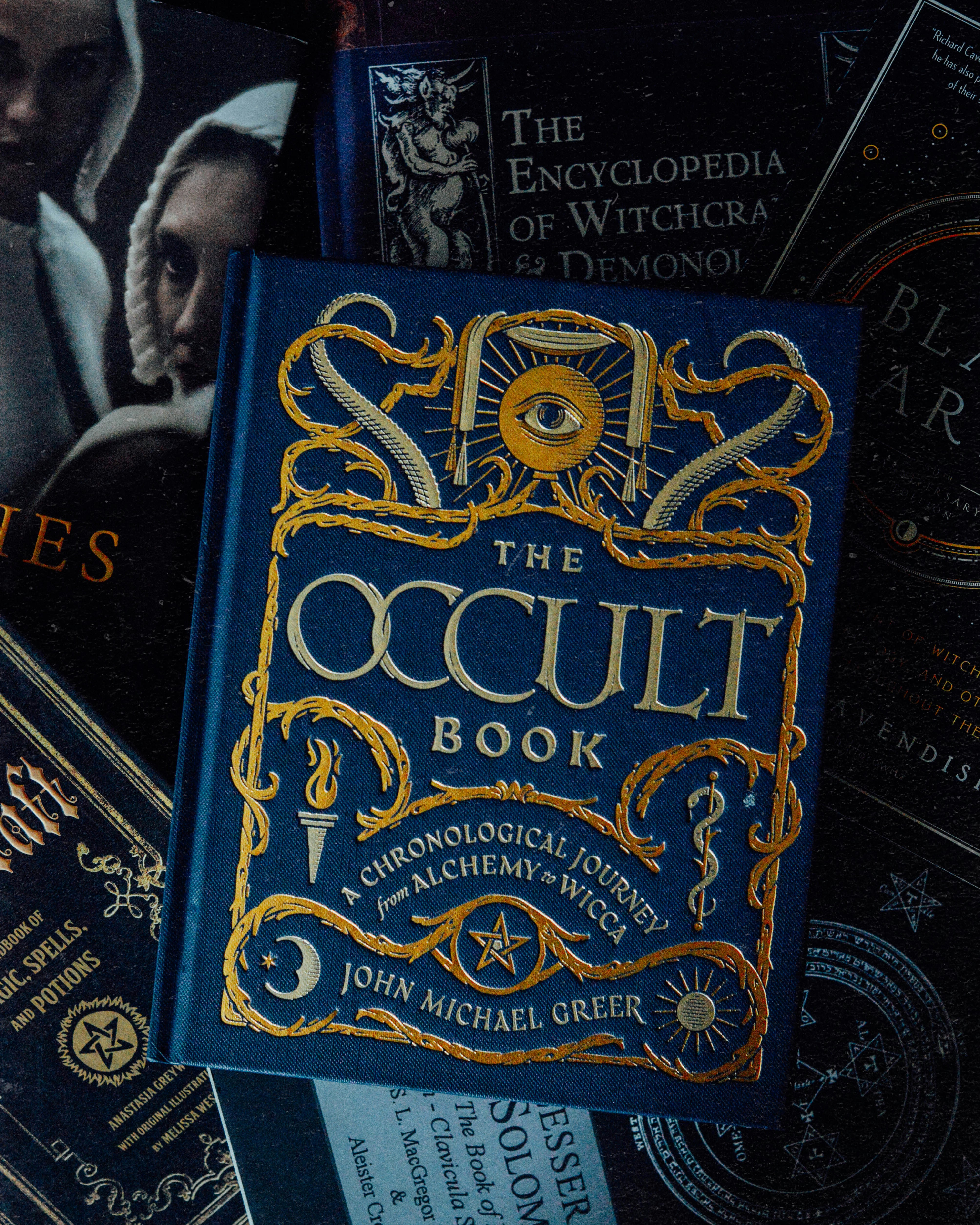
Understanding Black Magic
Black magic is a term used to describe various practices aimed at invoking supernatural powers for malevolent purposes. Unlike white magic, which is often characterized by benevolent intentions and outcomes, black magic is typically associated with darker forces and the pursuit of selfish or harmful objectives. Its essence lies not only in the spells or rituals performed but primarily in the intention behind these actions.
The defining characteristics of black magic include the use of supernatural forces to manipulate events or individuals for negative outcomes. Practitioners, sometimes referred to as sorcerers or witches, may harness energies from the spiritual realm to influence or control others, often resulting in suffering or misfortune. This manipulation—whether directed at people, situations, or even objects—distinguishes black magic from other forms of magical practices.
Intent is a pivotal element that categorizes practices as black magic. While many magical systems can encompass both good and evil intentions, black magic is primarily identified by the malevolent or selfish motives that drive its rituals. For instance, a spell intended to bring misfortune upon another individual or to invoke fear directly correlates with the principles of black magic. The outcome, therefore, reflects the inherent nature of the practices, as the practitioner ultimately seeks to achieve a result that serves their personal desires, often at the expense of others.
Additionally, black magic often employs specific tools, symbols, and invocations that resonate with darkness and negativity. These elements emphasize the serious and often dangerous implications associated with these practices, setting them apart from neutral or benevolent forms of magic. Understanding these distinctions is crucial for anyone interested in exploring the broader spectrum of magical traditions, particularly the controversial and often misunderstood realm of black magic.
The historical roots of black magic extend across various cultures and civilizations, revealing a rich tapestry of beliefs and practices that have shaped its understanding over time. In Ancient Mesopotamia, for instance, the Sumerians practiced various forms of incantations and rituals aimed at invoking supernatural powers for both benevolent and malevolent purposes. The duality of magic became a prominent theme, as individuals sought to harness these forces for personal gain, protection, or to impose harm on others.
In European history, particularly during the Middle Ages and the Renaissance, black magic was often associated with witchcraft. Figures such as Heinrich Kramer, who co-authored the infamous witch-hunting manual “Malleus Maleficarum,” played significant roles in propagating the belief that witchcraft was synonymous with black magic. This led to widespread persecution, exemplified by witch trials where countless individuals faced accusations of practicing malevolent magic.
Ancient texts also provide insight into the evolution of black magic. The “Key of Solomon,” a grimoire attributed to King Solomon, details rituals intended for invoking spirits, which were sometimes executed with nefarious intent. Similarly, the “Picatrix,” an Arabic grimoire translated into Latin, enchanted many during the medieval period and delved into astrological magic that bordered on the esoteric realm of black magic.
Cultural perceptions surrounding black magic have continually shifted, influenced by the prevailing religious beliefs and philosophical ideas of different epochs. In many societies, black magic was viewed with fear and suspicion, often seen as a deviation from accepted religious practices. These evolving narratives not only shed light on the social dynamics of various ages but also reflect our enduring fascination with the unknown and the power attributed to the mystical arts.
Types of Black Magic
Black magic encompasses a broad range of practices and beliefs, often characterized by the intention to cause harm or manipulate others for personal gain. Various categories exist within this often-misunderstood practice, each with distinct methods and objectives. One of the most recognized types is the use of curses. Curses are spells intended to bring misfortune or harm to the target. Rituals may involve invoking deities or using personal items belonging to the person being cursed to increase the effectiveness of the spell.
Another prevalent form of black magic is known as binding spells. These spells are used to restrict or control an individual’s actions or behaviors, often to prevent them from causing harm or pursuing negative paths. The binding process typically involves the use of symbols, herbs, or personal effects of the target, which are tied or bound together to symbolize the restriction of their will.
Necromancy, the practice of communicating with the deceased, is also categorized under black magic. This form often seeks to gain knowledge or power by summoning spirits, which can involve complex rituals, including the use of grave soil, candles, or specific incantations. Practitioners may use necromancy to seek revenge or to gain insight from those who have passed on.
Additionally, there are variants of black magic tailored to love and relationships, commonly referred to as love spells. While some might view these as benign, the manipulation of another’s feelings without consent can often lead to harmful, unintended consequences. Such spells may utilize charms, potions, or rituals that interfere with free will.
In summary, types of black magic are varied and can include curses, binding spells, necromancy, and love spells. Each practice serves distinct personal purposes that often hinge on control, harm, or influence, showcasing the intricate and often dark nature of these magical disciplines.
Famous Examples of Black Magic in History
The history of black magic is rich with notorious cases that have left a profound impact on society and culture. One of the most infamous examples is the trial of the Pendle witches in 1612, which took place in Lancashire, England. Twelve people were accused of practicing witchcraft, leading to ten being tried and subsequently hanged. This incident not only highlighted the fear surrounding witchcraft in that era but also reflected the societal craze for scapegoats during periods of uncertainty.
Similarly, the Salem witch trials of the late 17th century in colonial America stand as a stark reminder of the consequences of mass hysteria and the vilification of individuals accused of practicing black magic. Over a span of a few months, 20 people were executed due to allegations of witchcraft, showcasing how societal panic can lead to devastating repercussions. The Salem trials serve to illustrate the dangerous intersection of superstition, fear, and societal norm.
The infamous figure of Aleister Crowley, often called the “most wicked man in the world,” further exemplifies the allure and complexity of black magic in the twentieth century. A prominent occultist and founder of the religious philosophy of Thelema, Crowley engaged in controversial practices that attracted both fervent followers and vehement detractors. His life and work prompted discussions about moral boundaries, individualism, and the dark allure of the occult.
These examples underline how black magic has not only been associated with individual practitioners but has also influenced collective societal behaviors and governmental actions. Each case illustrates the significance of black magic in shaping historical narratives and societal structures, revealing the nuanced consequences for both accused individuals and the communities surrounding them. The implications of such incidents continue to resonate, as they reflect ongoing themes of fear, power, and the search for scapegoats within society.
Cultural Variations of Black Magic
Black magic, often viewed through a lens of fear and mystique, finds its representation in diverse forms across various cultures around the globe. In African traditions, black magic, often referred to as ‘juju’ or ‘muthi’, involves the use of spiritual forces for sinister purposes, commonly associated with voodoo practices. It is believed that practitioners can harness these energies to influence people’s lives negatively, whether through curses, hexes, or malevolent charms. Rituals may include offerings, incantations, or the invocation of spirits, representing a deep-seated belief in the interconnectedness of the living and spiritual worlds.
In Europe, particularly during the witch-hunts of the early modern period, black magic became conflated with witchcraft. Practitioners, often marginalized women, were accused of employing dark powers to harm others. European witchcraft emphasized the fear of malicious spells, often linked to the imagery of the infamous witches’ sabbath. The remnants of these narratives manifest in contemporary interpretations of black magic, where it is seldom practiced openly but remains a subject of fascination in popular culture.
Asian occultism showcases another dimension of black magic, particularly within systems like Tantra or certain mystical sects in Hinduism and Buddhism. Practices may include rituals that seek to harness cosmic energies to achieve material gain or revenge. In this context, black magic isn’t solely about causing harm but also about gaining power over others and evoking transformative forces. This perspective is heavily influenced by the philosophical underpinnings of karma, where every action holds significant moral implications.
Indigenous cultures around the world have their own interpretations of black magic, often intertwined with their spiritual beliefs. For instance, some Native American tribes have practices involving shamanic rituals aimed at healing or protection. However, when veered towards negative ends, they, too, are considered forms of black magic. Therefore, cultural perception plays a pivotal role in defining the moral ethical boundaries surrounding these practices.
Real-Life Accounts of Black Magic
Throughout history, numerous individuals have come forward with personal testimonies claiming to have encountered the phenomena associated with black magic. These accounts often highlight the perceived psychological and physical impacts, revealing deep-seated beliefs and cultural contexts that frame such experiences. A common thread among these stories is the overwhelming sense of fear and confusion that often accompanies the alleged practice of black magic.
One such account comes from a woman in Haiti, where beliefs in voodoo and black magic are prevalent. She described feeling an unexplained heaviness on her chest, coupled with persistent nightmares. Seeking answers, she consulted a local healer who attributed her suffering to a malevolent spell cast by a neighbor. This experience left her feeling powerless, igniting a long journey toward understanding the complexities of her cultural beliefs in spiritual battles.
Similarly, in urban settings, individuals from various backgrounds have reported unusual occurrences that they attribute to black magic. For example, a man in the United States recounted how his life took a drastic turn following a breakup. He alleged that his ex-partner employed black magic to retaliate against him, resulting in a series of misfortunes including job loss and social isolation. His belief in these supernatural aspects significantly influenced his emotional state and coping mechanisms as he struggled to navigate the challenges that ensued.
These accounts illustrate the diverse perspectives and the varying degrees of belief in black magic, which are often shaped by cultural backgrounds and personal experiences. They underscore the intricate relationship between belief systems and the human experience, and how such notions can profoundly affect individuals psychologically and socially. While some may approach these narratives with skepticism, they remain significant in understanding the ongoing allure and impact of black magic within contemporary society.
The Psychological Perspective on Black Magic
The belief in black magic transcends physical phenomena, entering the realm of psychological interpretation. This perspective considers how the conviction in supernatural forces affects mental health, behaviors, and societal dynamics. When individuals perceive that they are victims of malevolent magic, it can lead to heightened anxiety, paranoia, and an overall sense of helplessness. Such distress often manifests in behavioral changes that reinforce the belief in black magic, creating a cycle that perpetuates psychological disturbances.
Mass hysteria frequently surfaces as a collective response to the fear of black magic. A group may experience simultaneous episodes of anxiety or irrational behavior, often ignited by shared beliefs in the power of dark forces. Historical instances showcase how entire communities have succumbed to this phenomenon, driven by the fear of curses or spells, leading to scapegoating and social unrest. This collective psychological response emphasizes the influence of suggestion, where individuals, through unwitting social reinforcement, adopt beliefs that may not have any empirical basis.
The power of suggestion is particularly potent in the context of black magic. When individuals are exposed to narratives or testimonies regarding its efficacy, they may unconsciously allow these ideas to infiltrate their psyche, leading to physical symptoms or emotional turmoil. In this way, the belief in black magic not only affects personal mental health but can also shape communal interactions, creating a larger societal narrative that may further entrench beliefs in the supernatural. By exploring these psychological dimensions, we can glean insights into how fear and belief intertwine, revealing the broader implications of mental and social well-being.
Ethics and Morality in Black Magic
The practice of black magic raises significant ethical and moral questions that require careful exploration. At the core of this discourse lies the intent of the practitioner. Individuals who engage in black magic often do so with the purpose of gaining power, control, or revenge, which inherently introduces a moral dilemma. Many people argue that the ethical implications of black magic are largely determined by the motivation behind its use. For instance, when practitioners intend to cause harm or manipulate others for personal gain, such actions can be considered ethically dubious or even unacceptable.
Another critical aspect of the ethical examination of black magic is the harm principle. This principle posits that individuals should be free to engage in any actions, provided those actions do not inflict harm on others. In the context of black magic, practitioners may assert that their spells or rituals are intended as protective or defensive measures. However, this justification raises fundamental questions about what constitutes harm and whether the ends can ever truly justify the means.
Furthermore, cultural beliefs play a crucial role in shaping the moral framework surrounding black magic. In various societies, practices deemed as black magic may not always be viewed negatively; rather, they can hold a different significance depending on historical and cultural contexts. For instance, communities may accept certain practices as part of their heritage, thus complicating the overall ethics of black magic. This intersection between cultural acceptance and moral judgment often creates a gray area where practitioners navigate their beliefs, potentially leading to varying interpretations of what is right or wrong.
Ultimately, the ethics and morality associated with black magic necessitate a nuanced understanding of intent, harm, and cultural perspectives. Addressing these complexities can foster a broader dialogue about the implications of engaging in practices that are often misunderstood or misrepresented in society.
Conclusion: The Legacy of Black Magic
Throughout history, black magic has maintained a dichotomous presence in human culture, oscillating between its recognition as a tool for malevolence and its allure as a means of personal empowerment. The exploration of black magic reveals its deep roots in various civilizations, where it was often intertwined with rituals and practices aimed at manipulating unseen forces. This duality not only illustrates the complexity of human belief systems but also points to the psychological ramifications that such practices can invoke.
The fascination with black magic can be linked to fundamental human emotions such as fear, uncertainty, and the desire for control over one’s environment. Indeed, many individuals gravitate towards black magic as a way to express frustrations with their circumstances. This aspect has perpetuated its presence in modern culture, manifesting in literature, film, and even contemporary spiritual practices. The narratives surrounding black magic often evoke a sense of mystery and thrill, underscoring the cultural perception of power dynamics in society.
The impact of black magic extends beyond folklore and entertainment, influencing social behaviors and community structures. It often serves as a mirror reflecting the ethical dilemmas and moral frameworks within a given culture. The continuing allure and apprehension associated with black magic speak volumes about humanity’s enduring interest in the supernatural. Moreover, such practices challenge the boundaries of rational thought, forcing society to grapple with the intersection of fear and faith.
In conclusion, black magic represents more than mere superstition; it embodies the intersection of psychological needs and cultural narratives. As society evolves, the legacy of black magic will likely persist, continuing to fuel debates and discussions about morality, power, and the human experience. The enduring fascination with the darker aspects of magic highlights an intrinsic aspect of human nature – the desire to explore the unknown.
Leave a Reply