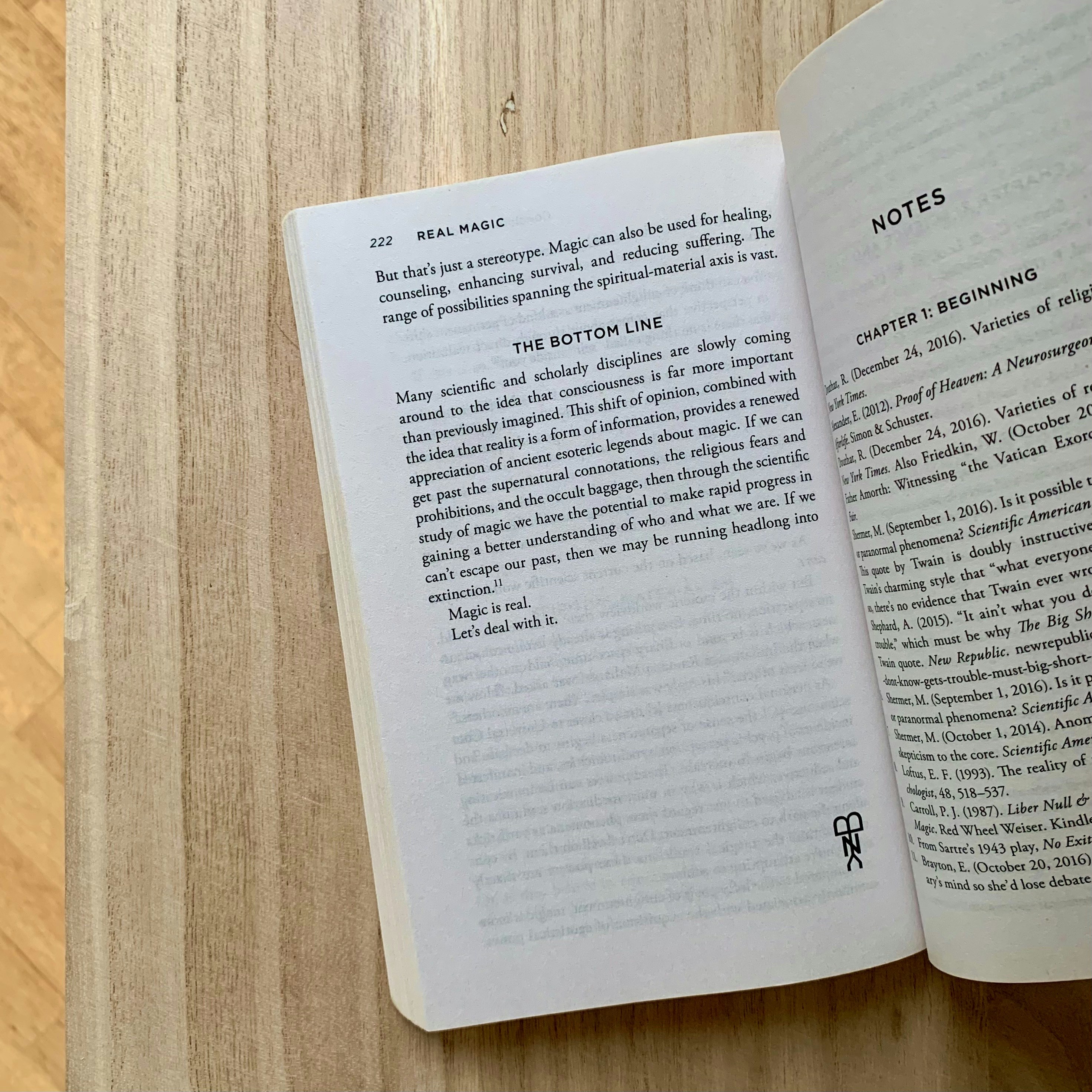
Introduction to Religion and Magic
Religion and magic have been intertwined throughout human history, with both shaping cultural practices and individual beliefs in unique ways. Magic, often viewed as the manipulation of supernatural forces, varies in its interpretation and function across different religious frameworks. While some traditions embrace magic as a vital component of spiritual practice, others may regard it with skepticism or consider it an opposing force to divine authority.
In many cultures, magic is seen as an extension of religion, a means to communicate with deities or influence the spiritual realm. For instance, shamanistic practices found in indigenous religions typically employ magic to establish connections with the spirit world. Shamans are believed to harness magical abilities to heal, divine, or predict future events, thereby reinforcing the essential role of magical practice within the broader religious landscape.
Conversely, in certain monotheistic religions, magic may be perceived as heretical. For example, Christianity historically viewed magic as the work of the devil, further distancing itself from practices that could be associated with paganism. This tension often highlights the dichotomy between accepted religious practices and those deemed occult or forbidden. Thus, different religions showcase varying attitudes toward magic, ranging from reverence and incorporation to rejection and condemnation.
The significance of magic can also be observed in rituals, where it acts as a tool to attain spiritual goals. Practices such as prayer, chanting, and rites often incorporate magical elements designed to invoke divine favor or achieve desired outcomes. In this context, magic becomes more than mere superstition; it serves as a powerful conduit for believers seeking deeper spiritual connections. Understanding the multifaceted nature of magic within religious contexts provides valuable insights into how diverse belief systems interact and evolve over time.
Historical Context of Magic in Religions
The interplay of magic and religion has long been a subject of fascination and study, particularly in the context of ancient civilizations. Historical records suggest that magic was not merely a series of spells or rituals, but rather a deeply integrated aspect of cultural identity and religious expression. In ancient Mesopotamia, for instance, the belief in magical practices is evident through various texts and artifacts. The Babylonians and Assyrians relied on a pantheon of gods, many of which were believed to wield powers that could be harnessed through rituals. The reading of omens and the creation of amulets were common practices aimed at invoking divine favor.
Moving westward, ancient Egypt offers another rich tapestry of magical practices interwoven with religious beliefs. Magic, or ‘heka’ as it was known, was understood to be a divine force that was both inherent in the cosmos and accessible to humans. The Egyptians utilized magic for protection, healing, and to assist the deceased in their journey to the afterlife. They engaged in a complex series of rituals that often included charms, spells, and offerings to ensure the favor of their deities.
Moreover, indigenous tribal religions globally have showcased the significance of magic within their spiritual frameworks. Many indigenous cultures employed shamans or healers who facilitated communication with the spiritual world through magical practices. These practices often revolved around the natural environment, invoking the spirits of plants and animals as allies in rituals that were essential for community cohesion and cultural continuity.
In summation, the historical significance of magic in religions reveals a complex interdependence between the spiritual and the material world across various ancient societies. Magic acted not only as a means of influencing divine forces but also as a cultural cornerstone, reinforcing social norms and communal bonds.
Magic in Pagan Religions
Pagan religions, with their deep roots in earth-based spirituality, often incorporate magic as a fundamental aspect of their practices. Wicca and Druidry are among the most prominent forms of contemporary paganism, each embracing magic in ways that reflect their unique beliefs and traditions. At the core of these practices is the understanding that magic is a natural force that can be harnessed to bring about change or to connect with the divine.
In Wicca, practitioners view magic as a sacred expression of their intimate relationship with nature and the universe. Rituals often incorporate elements such as the phases of the moon, seasonal changes, and the use of natural materials like herbs, crystals, and candles. Spells are crafted not merely for personal gain but also for healing, protection, and the promotion of harmony within the environment. This approach underscores a belief in the interconnectedness of all living things and the importance of acting in accordance with the Wiccan Rede, which emphasizes the ethical use of magic.
Druidry, on the other hand, places significant emphasis on the worship of nature and ancestral spirits. The practices within Druidry often involve ceremonies that align with the rhythms of the earth, celebrating solstices, equinoxes, and other significant celestial events. Magic in Druidic traditions is perceived as a way to honor the sacredness of the land and to seek wisdom from the natural world. The rituals may involve singing, storytelling, and the crafting of specific magical tools that symbolize their connection to the earth.
In summary, both Wicca and Druidry illustrate the diverse ways that magic serves as an integral part of pagan religions. The reverence for nature, coupled with the desire to engage with the universe’s magical elements, underpins these practices, reflecting a rich tapestry of beliefs that celebrate the sacred interplay between humanity and the earth.
Magic in Folk Religions and Shamanism
Folk religions and shamanistic practices represent a rich tapestry of cultural expressions that often intertwine magic with spirituality. In these systems, magic serves various purposes such as healing, divination, and fostering connections with the spiritual realm.
Shamanism, present in diverse communities worldwide, is characterized by the shaman’s role as a mediator between the physical and spiritual worlds. Shamans employ a range of magical practices, which may include rituals, the use of sacred objects, and altered states of consciousness facilitated by drumming or chanting. These techniques are designed to invoke spirits for guidance, healing, or the resolution of community issues. Each shamanistic culture has its unique approach to magic, reflecting local beliefs and environmental influences.
Similarly, folk religions often integrate magical elements into daily life and spiritual rites. Folk healers, often regarded as custodians of tradition, utilize herbal remedies, charms, and spells as part of their healing arts. These practices are steeped in local lore and are commonly passed down through generations, reinforcing community identity and continuity. The belief in the efficacy of magic in healing and protection underscores its importance in many cultures.
Magic within these traditions is not merely a series of isolated rituals; it is deeply interwoven with the values, social structures, and worldviews of the community. In some cultures, magic is also employed for divination, allowing individuals to seek insight into future events or gain clarity regarding personal dilemmas. Such practices highlight the adaptive nature of folk religions and shamanistic traditions, as they evolve to meet the spiritual and practical needs of their practitioners.
Christianity and Magic: Historical Perspectives
The relationship between Christianity and magic is intricate and has evolved significantly throughout history. In the early days of Christianity, magic was often perceived with skepticism. The Scriptures contain references to various forms of magical practice, often condemning sorcery and divination as activities contrary to the faith. Despite this condemnation, early Christians were reported to engage in practices that could be construed as magical, particularly in healing and exorcism, aiming to emulate the miraculous deeds attributed to Jesus.
As Christianity became more established, particularly during the Middle Ages, the perception of magic underwent a drastic transformation. The church began to demonize witchcraft, associating it with heresy and the devil. This led to the infamous witch hunts, during which thousands of supposed witches were persecuted. This period was marked by an increasing tendency to view magic as a dark force that must be eradicated, which severely impacted folk beliefs and practices that were once considered benign or even beneficial.
Conversely, the church’s own practices began to incorporate elements that resembled magic. Miracles performed by saints and the concept of divine magic became central to Christian belief. Miracles were often viewed as manifestations of God’s will, reflecting a form of divine power that could intervene in the natural order. This complex interplay illustrates that while magic in the secular sense was condemned, miraculous events were venerated as a divine form of magic, showcasing the dual perceptions within Christianity. Overall, the historical perspectives on magic within Christianity reveal a dynamic relationship shaped by cultural and doctrinal changes over the centuries.
Magic in Eastern Religions: Hinduism and Buddhism
Magic plays a significant role in the religious practices of Eastern religions, particularly within Hinduism and Buddhism. The integration of magical elements in these faiths is reflective of their rich tapestry of beliefs, rituals, and spiritual development pathways. In Hinduism, concepts such as mantras and yantras are often employed as tools to harness magical energies.
Mantras, which are sacred utterances or phrases, are believed to possess intrinsic power. When chanted, they are thought to resonate with the vibrational frequency of the cosmos, thereby connecting the practitioner with divine energies. The repetition of mantras, known as japa, not only aids in focusing the mind but also facilitates spiritual growth, leading to states of meditation and mindfulness. This phonetic aspect of magic in Hinduism illustrates how language and sound are perceived as conduits for sacred power.
Yantras, on the other hand, are geometric diagrams that serve as visual representations of deities and universal energies. These mystical designs act as focal points during meditation, enabling practitioners to draw upon their symbolic meanings. The use of yantras in rituals highlights the belief that visual magic can manifest spiritual intentions into reality, underscoring the interplay of physical form and divine essence.
Similarly, Buddhism incorporates magic through the use of rituals and symbolic practices. In Tibetan Buddhism, for example, the use of mantras and mudras (hand gestures) is central to spiritual practices. These elements are thought to embody specific energies that can aid in the attainment of enlightenment. Ritualistic practices, accompanied by chants and invocations, help practitioners connect with energies that transcend the ordinary, allowing for profound personal transformations.
Thus, in both Hinduism and Buddhism, magic is not merely superstitious lore but an integral component of religious expression. It represents a pathway through which adherents actively engage with the divine, utilizing mantras, yantras, and rituals to facilitate spiritual development and foster a deeper understanding of their faith.
Modern Occult Practices and Religion
In the contemporary religious landscape, various movements have emerged that intricately intertwine magic with spirituality. One notable example is Thelema, a philosophical and spiritual system founded by Aleister Crowley in the early 20th century. Central to Thelema is the concept of individual will and the belief that each person should pursue their true purpose, guided by magical practices. Adherents often engage in rituals designed to enhance personal power and self-discovery, thus demonstrating how magic is viewed not merely as a series of spells or invocations, but as a fundamental aspect of one’s spiritual journey.
Another prominent practice within modern occultism is Chaos Magic. This paradigm emphasizes the fluidity of belief systems, allowing practitioners to borrow techniques and concepts from various traditions to shape their own magical practices. Chaos magicians often utilize a pragmatic approach, believing that the effectiveness of magic relies on the individual’s belief and intent, rather than adherence to a particular religious doctrine. This flexibility has made Chaos Magic appealing in an era characterized by diverse spiritual expressions, as it encourages personal experimentation with magical traditions.
Additionally, branches of Modern Paganism, such as Wicca and Hellenism, prominently feature magical elements in their rituals and philosophies. Practitioners of these traditions often draw on ancient practices and deities, utilizing magic as a tool for connection to the divine and the natural world. In these settings, magic becomes an instrumental practice, employed for purposes ranging from personal empowerment to communal celebration, reflecting a resurgence of interest in the magical aspects of spirituality.
Through these movements, it becomes evident that modern occult practices are not merely relics of the past but are actively reshaping contemporary religious landscapes, integrating the mystical dimensions of magic with personal and collective spirituality.
Ethics of Magic in Religious Contexts
The concept of magic within religious frameworks raises significant ethical considerations. Magic, often viewed as a force that can manipulate reality, comes with its own set of moral dilemmas that vary widely across different faiths. Central to these discussions is the intention behind magical practices. For many religions, the purpose of magic can be as benign as seeking healing or protection, while in others, it may encompass more harmful objectives, such as curses or manipulation.
Many religious traditions emphasize the ethical use of magic based on the principle of intention. For instance, in Wicca, practitioners believe that any magical action must be executed with pure intent; any negativity is thought to return threefold to the practitioner. This idea underscores the profound understanding that magical practices not only affect the external world but also reflect back upon the individual performer, thus necessitating a strong moral compass.
Furthermore, different religions delineate moral boundaries concerning magical practices. In Christianity, for example, the use of magic might be strongly condemned due to associations with witchcraft and the belief in divine sovereignty. Conversely, some indigenous religions may incorporate magic as a vital element of cultural identity, viewing it as a means to connect with the divine and the spirit world. This divergence illustrates the complexity of magic’s ethical landscape across various faiths.
Moreover, the effects of magical practices extend beyond the individual practitioner, influencing communities and societies at large. The communal aspect of magic raises questions about responsibility and accountability. Practices viewed as negative or harmful can lead to social stigmatization or conflict, highlighting the necessity for ethical deliberation in communal settings.
In summary, the ethical considerations surrounding magic in religious contexts are multifaceted, influenced by intention, historical beliefs, and societal impacts. Understanding these distinctions is crucial for respectful engagement with the magical practices inherent in diverse spiritual traditions.
Conclusion: The Mystical Intersection of Religion and Magic
The relationship between religion and magic is a complex tapestry woven through history, culture, and belief systems. Throughout this exploration, it has been evident that magic often serves as a critical tool within various religious frameworks. From ancient rituals to contemporary practices, the interplay of ritualistic magic and spiritual belief highlights the innate human desire to engage with the divine and understand the cosmos.
One of the central themes emerging from our examination is the varying perceptions of magic across different cultures. While some traditions embrace magic as an integral part of their spiritual practice, others may view it with skepticism or as divergent from orthodox religious beliefs. This disparity illustrates how the context of magic is often defined by the underlying theological tenets of a given faith, showcasing the diverse ways communities seek refuge or connection with the transcendent.
Moreover, the study of this intersection encourages a deeper appreciation of the rituals and symbols that populate various religious practices. The nuances of magical practices, ranging from divination to elemental rituals, invite believers and scholars alike to engage with spirituality on different levels. Understanding magic within religious contexts not only enhances our grasp of specific belief systems but also enriches our worldview, fostering greater respect for cultural diversity.
Ultimately, the mystical relationship between magic and religion invites us to reflect on our own beliefs and the frameworks we utilize to navigate our existence. By acknowledging the variations and commonalities found across religions, we broaden our understanding of human experience, enhancing our empathy and connection to one another in a multifaceted spiritual landscape. With this knowledge, we can embark on a journey of deeper inquiry and appreciation for the myriad expressions of faith in the world.
Leave a Reply