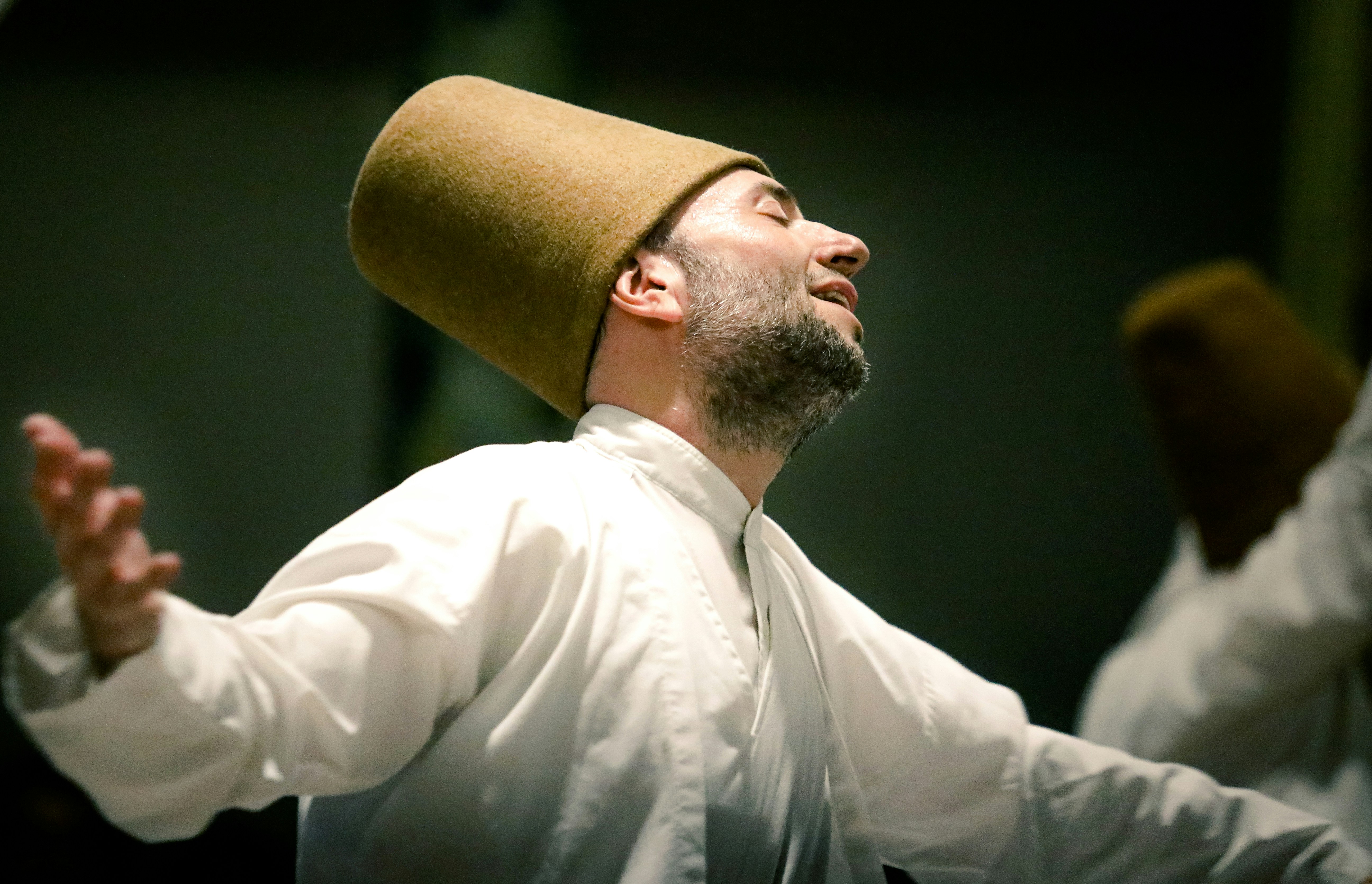
Understanding Spiritual Healing
Spiritual healing is a holistic approach that aims to restore balance and harmony to an individual’s energy system. It is rooted in the belief that our physical, emotional, and spiritual well-being are interconnected. Spiritual healing often involves the use of various techniques and modalities designed to promote healing at a deeper level, often addressing the underlying causes of physical ailments rather than merely their symptoms.
At its core, spirituality transcends religious frameworks and philosophies, inviting individuals to connect with their inner selves, others, and the universe. This connection is thought to facilitate healing by fostering a sense of peace, purpose, and understanding. Many practitioners emphasize the importance of energy in the healing process; they believe that the life force, or “Chi,” flows through every individual, and disruptions in this energy can lead to illness or distress.
Unlike traditional healing practices that primarily focus on biomedical interventions, spiritual healing often emphasizes personal empowerment and self-awareness. Techniques such as meditation, energy work, and intuitive guidance are commonly employed, allowing individuals to access their own inner wisdom and facilitate their healing journey. Furthermore, spiritual healing can be pursued alongside conventional medical treatments, providing a complementary approach that acknowledges both the material and immaterial aspects of health.
It’s essential to recognize that spiritual healing is not a replacement for professional medical care; rather, it serves as an adjunct that can enhance the healing experience. By fostering a deeper understanding of spiritual healing, individuals may become more attuned to their own energy and well-being, paving the way for a more fulfilling life. This integrative perspective can be particularly beneficial for those seeking to heal emotional wounds or navigate the complexities of existence, ultimately leading to a more balanced and harmonious state of being.
Signs You Are a Spiritual Healer
Identifying oneself as a spiritual healer can often be a subtle yet significant realization. Several signs and characteristics are commonly associated with individuals who possess this unique ability to assist others on their spiritual journeys. One prominent sign is heightened empathy. Individuals who resonate deeply with the emotions of others often find themselves absorbing the feelings and energies around them. This profound sense of empathy not only fosters connection but also lays the groundwork for effective healing.
Another hallmark of a spiritual healer is intuition. Those who possess a natural inclination towards spiritual healing often experience strong intuitive insights. These intuitive gifts enable individuals to perceive truths beyond the surface, guiding them in their healing practices. When making decisions about healing methods or understanding the needs of others, this intuition serves as a valuable compass, often leading them to the right paths.
Additionally, a natural inclination to help others is a clear indicator of a potential spiritual healer. Whether it is through offering support in times of crisis or simply providing a listening ear, individuals drawn towards healing often feel compelled to alleviate the suffering of those around them. The desire to serve and assist becomes a driving force in their lives, contributing to their healer’s journey.
Personal experiences, such as moments of profound connection during meditation or significant emotional responses to others’ pain, can also resonate strongly with individuals on the path of spiritual healing. These experiences not only shape the healer’s own journey but affirm their role in guiding others towards peace and enlightenment. It is through embracing these signs that one can begin to understand and accept their unique abilities as a spiritual healer.
Self-Reflection Practices
Self-reflection is an essential component in recognizing and nurturing one’s natural spiritual healing abilities. Engaging in consistent practices such as meditation, journaling, and mindfulness can foster deeper self-awareness and facilitate the identification of inherent spiritual gifts.
Meditation serves as a powerful tool to connect with one’s inner self. By taking a few moments each day to sit in stillness, individuals can observe their thoughts and emotions without judgment. This practice not only aids in achieving a state of tranquility but also allows for the exploration of spiritual insights. The gentle repetition of breathing techniques during meditation creates a pathway for clarity, enabling individuals to uncover deeper aspects of their healing potential.
Journaling is another effective method to promote self-reflection. By documenting thoughts, feelings, and experiences, individuals can gain insights into their personal growth and spiritual evolution. This practice encourages an examination of recurring themes or patterns that may indicate one’s healing capabilities. Additionally, a reflective journal can act as a repository for intuitive messages or downloads that arise during spiritual practices, fostering a deeper understanding of one’s unique strengths as a healer.
Mindfulness exercises further enhance self-awareness by grounding individuals in the present moment. Engaging in mindful activities, such as mindful walking or eating, helps to cultivate a sense of connection to oneself and the surrounding environment. This increased level of awareness can reveal subtle sensations or feelings that are indicative of healing abilities, facilitating a more profound understanding of one’s spiritual path.
Incorporating these self-reflection practices into daily life can significantly contribute to personal and spiritual development. By regularly engaging in meditation, journaling, and mindfulness, individuals may find themselves more attuned to their healing capacities, ultimately paving the way for their journey as spiritual healers.
The Importance of Intuition
Intuition is often described as a deep, internal knowing or a clear understanding of something without the need for conscious reasoning. Within the practice of spiritual healing, intuition serves as an essential tool, guiding practitioners in their ability to sense energies, understand emotions, and perceive healing opportunities. It is through an intuitive lens that many spiritual healers connect with their clients and assess the underlying issues that may be affecting their overall well-being.
Recognizing intuition can be a subtle but transformative experience; signs often include gut feelings, sudden insights, or an inexplicable sense of knowing. These feelings may arise in various situations, adjusting one’s perspective or prompting action. Spiritual healers often cultivate an awareness of their intuitive signals, honing the skill of listening to their inner voice. Techniques such as meditation, mindfulness, and journaling can help individuals tap into these intuitive insights. By consistently practicing these methods, one can enhance their ability to recognize and trust their intuition.
Trusting one’s own intuitive insights is paramount for anyone on a healing path. It is vital to distinguish between genuine intuitive guidance and fears or preconceptions, as the latter can cloud judgment. Engaging in regular, reflective practices can assist healers in differentiating authentic intuitive messages from mere distractions. As spiritual healers nurture this trust, they allow the wisdom of their intuition to lead them and their clients toward deeper healing experiences. Ultimately, harnessing intuition not only enriches the healing journey but also empowers both the healer and the individual receiving guidance.
Connection with Others
Establishing connections with others is a vital aspect of spiritual healing. Strong, nurturing relationships contribute significantly to a person’s emotional and spiritual well-being. These connections can serve as a support system, allowing individuals who identify as spiritual healers to facilitate healing not only for themselves but also for others. Connecting with like-minded individuals creates a community where mutual support and understanding flourish.
To enhance these relationships, it is important to practice active listening and empathy. Engaging in open conversations and sharing personal experiences can foster deeper connections. Additionally, creating a supportive environment where individuals feel comfortable expressing their emotions and experiences is crucial. This nurturing atmosphere can often lead to significant breakthroughs in both personal and collective healing journeys.
Furthermore, recognizing when others might be seeking healing is a key skill for an aspiring spiritual healer. Observing body language, tone, and emotional expressions can provide insights into another person’s needs. In times of distress, offering compassionate support can pave the way for healing opportunities. A proactive approach—where one reaches out to those appearing vulnerable—can catalyze healing processes for both parties involved.
Moreover, understanding the mutual experiences shared during these interactions enhances collective healing. Both the healer and the recipient of healing can learn valuable lessons from each other, establishing a symbiotic relationship that elevates the spiritual experience. This exchange of energy and support can lead to transformative healing for individuals, showcasing the significance of connectedness in spiritual practices. A community built on love, understanding, and shared experiences ultimately strengthens the efficacy of spiritual healing.
Seeking Guidance and Mentorship
Embarking on a journey to become a spiritual healer requires not only personal introspection but also the incorporation of experiences drawn from others in the field. Seeking guidance and mentorship from established spiritual healers plays a pivotal role in this process. These mentors often possess extensive knowledge of various healing modalities, enabling them to share insights that can significantly enhance the development of essential healing skills.
One of the primary benefits of mentorship is the ability to understand and refine one’s personal healing style. Each spiritual healer has a unique approach; therefore, observing and interacting with a mentor can help emerging healers identify what resonates with them. This exploration facilitates a deeper understanding of the techniques and practices that align with their spiritual journey. Moreover, experienced healers can provide crucial feedback, enabling novices to fine-tune their abilities and enhance their effectiveness in healing practices.
Additionally, mentors can introduce aspirants to a variety of healing modalities, such as energy healing, crystal therapy, and sound healing, among others. Exposure to diverse practices offers new perspectives and expands one’s toolkit when working with clients. Understanding the nuances of different methods allows emerging healers to tailor their approach, ensuring that they deliver the best possible support to those seeking healing.
Furthermore, cultivating a mentor-mentee relationship fosters a supportive environment where fears and doubts can be addressed openly. Furthermore, this connection provides access to a community of like-minded individuals, contributing to personal growth and enriching the healing journey. By engaging with mentors, aspiring spiritual healers not only improve their skill sets but also strengthen their commitment to their practice, fostering more effective healing experiences.
Setting Intentions for Healing
The power of intention plays a crucial role in the healing process, both for the healer and for those receiving healing. Intentions function as the guiding force behind the healing, creating a conducive environment for transformative experiences. Setting clear and positive intentions acts as a catalyst that aligns the energies of all parties involved, enhancing the potential for success in spiritual healing.
To begin the process of setting intentions for healing, it is essential to be specific about what one wishes to achieve. This could range from physical well-being to emotional or spiritual growth. Clarity in intentions helps focus energy, making it more effective. For instance, rather than a vague intention such as “I want to be better,” a more intentional approach would be, “I intend to cultivate peace and joy within myself.” This specificity fosters a stronger connection to the desired outcome.
Additionally, intentions should be framed positively to promote a healing mindset. A positive orientation invites beneficial energies into the healing space, reinforcing the journey toward recovery. It’s essential to visualize the healing experience vividly, compelling the mind and spirit to engage actively in the healing process. Techniques such as meditation, visualization, and affirmations can be highly beneficial in manifesting these intentions.
The impact of intentions extends beyond the individual setting them. The healer’s intentions influence the entire healing interaction, guiding the energy exchanged during the session. A healer who approaches their work with clear and compassionate intentions will cultivate an atmosphere of safety, trust, and openness. This invariably affects the recipient, enhancing their receptiveness and engagement in the healing process.
Testing Your Healing Abilities
To accurately assess your healing abilities, it is imperative to employ practical methods that not only validate your skills but also promote growth. One effective approach is to experiment with various healing techniques. These techniques can range from energy healing, such as Reiki, to more traditional methods like guided meditation or crystal healing. By exploring different modalities, you can ascertain which methods resonate with you and yield favorable results in your practice.
Another method involves seeking feedback from individuals whom you assist through your healing journey. Engaging in open dialogues about their experiences can be instructive. Consider asking specific questions about their sensations, emotions, and overall well-being before and after your sessions. This constructive criticism can offer invaluable insights into your effectiveness as a healer and highlight areas for improvement.
Documenting your healing sessions is also crucial for self-evaluation. Keeping a detailed record of each interaction enables you to track your progress over time. Note the healing techniques used, duration of the sessions, and the feedback received from participants. Over time, this log can reveal patterns or consistent outcomes that affirm your capability as a spiritual healer.
Additionally, consider participating in workshops or retreats where you can practice your skills alongside fellow healers. This collaborative environment not only provides a platform for experiential learning but also enriches your understanding of different healing philosophies. Engaging with other practitioners allows the sharing of knowledge and techniques, fostering a supportive community to enhance your skills.
In summary, testing your healing abilities is a multifaceted process that involves experimentation, feedback, documentation, and collaborative practice. By exploring these avenues, you can gain deeper insights into your effectiveness as a healer and refine your practice accordingly.
Embracing Your Role as a Healer
Recognizing oneself as a spiritual healer is a transformative journey that entails embracing your identity with confidence and clarity. It is crucial to practice self-love and acceptance, which forms the foundation of effective healing. Self-acceptance allows you to acknowledge your gifts while also confronting the inevitable self-doubts that may arise on this path. These doubts can stem from societal perceptions, personal experiences, or the perceived expectations of others. Therefore, cultivating a strong sense of self-worth is vital. This involves affirming your unique abilities, understanding that every healer’s journey is distinct, and it is completely normal to experience uncertainties.
Facing fears about your healing capabilities should be regarded as a natural part of your development. Instead of perceiving these fears as hindrances, consider them opportunities for growth. Reflect on your experiences, seek constructive feedback from trusted peers, and engage in continuous learning. Your healing abilities will evolve as you delve further into various healing modalities, fostering an environment where your skills can flourish.
Moreover, the healing journey is perpetual and requires an ongoing commitment to personal development. As you embrace your role as a healer, remain mindful of the need to nurture your inner self. Incorporating practices such as meditation, journaling, or attending workshops can be immensely beneficial, reinforcing not only your knowledge but also your emotional resilience. This self-care enables you to serve others more profoundly, as your abilities are nurtured through extensive personal healing.
Ultimately, embracing your identity as a spiritual healer is not merely a title; it is a commitment to growth, understanding, and compassion, both for yourself and for those you seek to heal. Allow this journey to inspire you, encouraging you to persist in the exploration of your spiritual capabilities with an open heart and mind.
Leave a Reply