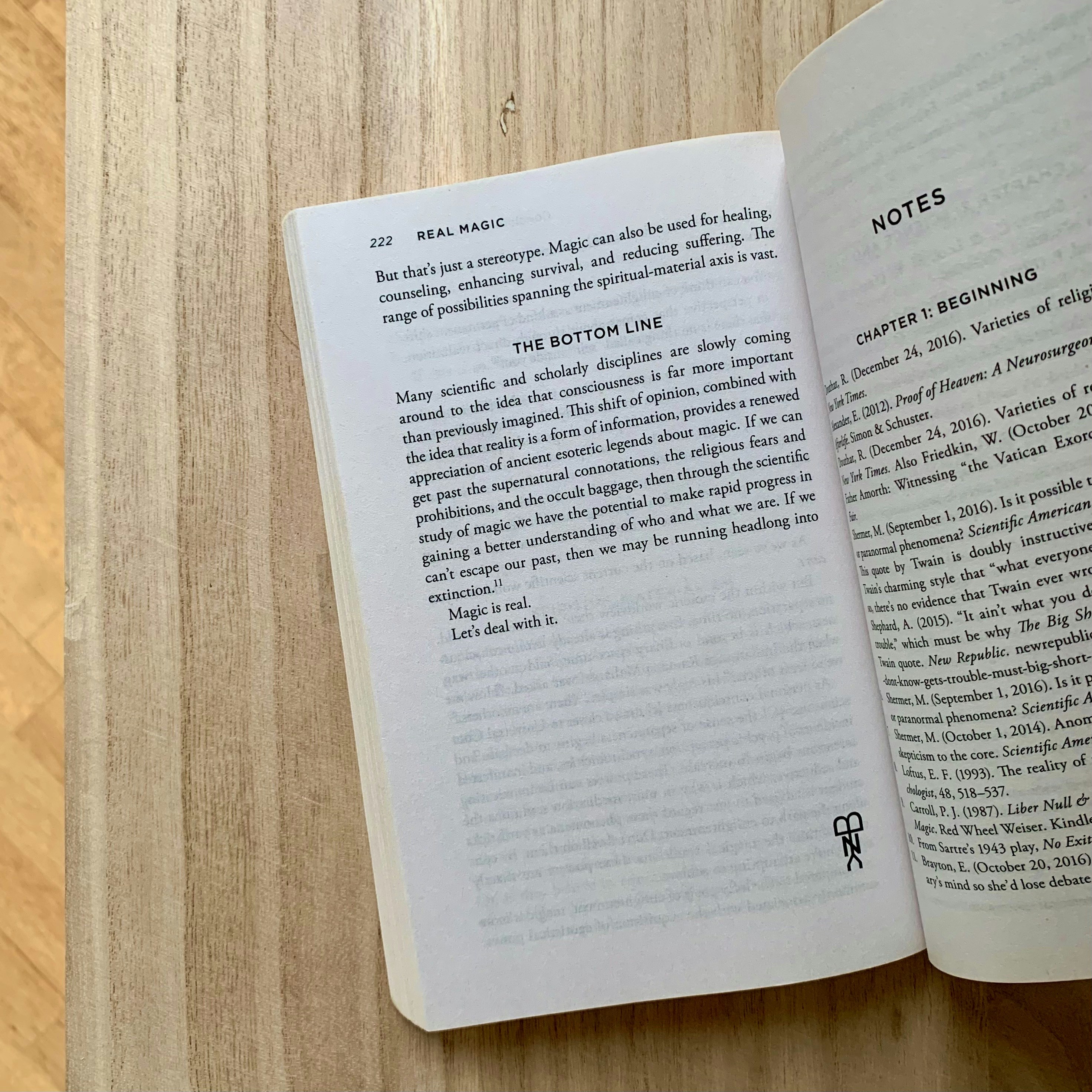
Introduction to Sihr
Sihr, commonly translated as magic or sorcery, has deep roots in Islamic tradition. The concept of sihr is complex, embodying both mystical elements and ethical concerns. Its origins can be traced back to various cultural and historical contexts within the Islamic framework, prominently featuring in religious texts and legal discourse. Understanding sihr involves delving into its multifaceted nature, which is often perceived through the lens of Islamic theology and law.
Culturally, sihr has been viewed with ambivalence. Historically, communities have associated it with both fascination and fear, allowing it to take on different meanings depending on the circumstances. While certain forms of sihr might be seen as benign, such as those associated with healing or protection, others are viewed more sinisterly, leading to a condemnation from various scholars and religious authorities. This duality reflects wider societal attitudes towards the supernatural and, consequently, how individuals navigate the moral landscape surrounding sihr.
In Islamic theology, the implications of sihr are significant. The Quran addresses sihr explicitly, often condemning its practice and warning believers against its use. Scholars have debated the definitions, forms, and effects of sihr, fostering a rich discourse about its role within Islamic law (Sharia). The legal stance on sihr varies widely, with some scholars arguing for stringent measures against practitioners, while others emphasize understanding its cultural context.
Considering the intricate views on sihr is essential for appreciating how this concept permeates various aspects of Islamic life. Grasping the scholarly perspectives allows for deeper insights into broader issues of morality, faith, and the human experience within the Islamic tradition. The ensuing discussion aims to explore these diverse understandings, thereby shedding light on sihr’s enduring significance in Islam.
Historical Context of Sihr in Islamic Thought
Sihr, or magic, has a complex and multifaceted history that dates back to pre-Islamic Arabia, where it was often associated with pagan practices and beliefs. In these early societies, magic was frequently viewed in both a positive and negative light, serving as a tool for healing or harm, depending on the practitioner’s intentions. Despite the emergence of Islam, these pre-Islamic perceptions influenced subsequent interpretations of sihr, with early Muslim communities grappling to reconcile these practices with their new monotheistic beliefs.
With the advent of Islam in the 7th century, sihr became a subject of fascination and repulsion. The Quran explicitly condemns sihr, correlating it with disbelief and deception, which firmly positioned it as a taboo within Islamic jurisprudence. This foundational rejection marked a significant shift in the way magic was understood and categorized. Scholarly interpretations of sihr began to emerge, with Islamic theologians and scholars recognizing it as not just a cultural artifact but also a potential source of spiritual danger.
As Islamic thought evolved, various cultures and philosophies contributed to the discourse on sihr. The interaction between Islamic teachings and Greek philosophy, for instance, encouraged a complex understanding of the metaphysical, where the boundaries between natural and supernatural were explored. This intellectual exchange allowed for a more nuanced view of magic, resulting in some scholars viewing it as an art that could potentially be harnessed for beneficial purposes when aligned with divine will.
Across different periods and regions, the conceptualizations of sihr shifted, reflecting the diverse beliefs and practices within Islamic societies. Various interpretations emerged, influenced by cultural traditions, local folklore, and the political landscapes of the time. This historical examination of sihr reveals not only its rich tapestry within Islamic tradition but also its role in shaping ethical, theological, and philosophical discussions among scholars throughout the centuries.
Theological Perspectives on Sihr
The concept of sihr, commonly understood as magic or sorcery, occupies a contentious space in Islamic theology. Various scholars have articulated differing perspectives based on interpretations of Qur’anic verses and Hadith literature. Within the Islamic tradition, magic is often viewed with suspicion, being classified as a serious offense that contradicts the fundamental tenets of faith in God. The theological stance against sihr is underscored by specific Qur’anic references that warn against engaging in sorcery, highlighting its potential to disrupt the social and spiritual fabric of the Islamic community.
One notable contention arises from verses such as Surah Al-Baqarah (2:102), where the act of sihr is explicitly linked to disbelief. Here, it is explained that magicians may gain knowledge through forms of disreputable practices, which deviate from the straight path endorsed by Islam. Scholars such as Ibn Kathir and Al-Qurtubi have interpreted these passages to emphasize that sihr not only distorts the perception of reality but imposes an alternative truth that is disingenuous to divine guidance.
Additionally, Hadith collections provide further insights into the theological implications of sihr. The Prophet Muhammad (peace be upon him) condemned practices associated with magic and sorcery, reinforcing the idea that practitioners of sihr are engaging in activities that could lead to severe punishment in the afterlife. Despite this overarching consensus, some scholars adopt a more nuanced approach, analyzing cases of sihr without outright condemning individuals who suffer from its effects. Their focus is often on seeking healing through legitimate means rather than resorting to superstition.
In essence, theological perspectives on sihr in Islamic tradition present a dichotomy that ranges from outright condemnation to a more measured analysis of its implications. This complex interplay continues to shape the understanding of magic and its place within the framework of Islamic teachings.
Scholars’ Interpretations and Classifications of Sihr
The Islamic tradition has a rich and complex understanding of sihr, or magic, characterized by various interpretations and classifications put forth by scholars. Primarily, scholars classify sihr into two distinct categories: white magic and black magic. White magic, often viewed as benign, encompasses practices intended for good purposes such as healing, protection, or enhancing fertility. In contrast, black magic is generally understood as malevolent, seeking to harm, deceive, or manipulate individuals for selfish or malicious purposes.
Many Islamic scholars suggest that the intentions behind a specific practice are crucial in determining its classification. For instance, if sihr is employed to aid someone’s recovery or to provide assistance, it may be interpreted through a more favorable lens. Conversely, sihr intended to inflict damage, control, or exploit vulnerabilities is categorized negatively. This perspective emphasizes that context and intention are pivotal in understanding the moral implications of magical practices.
Furthermore, some scholars expand the classification of sihr to include other forms, such as white and black sihr, each with subcategories that address the varying degrees and methodologies employed in such practices. For example, black sihr might involve the usage of curses, while certain forms of white sihr could include divination techniques or protective spells. This nuanced classification reflects the diverse historical and cultural influences that have shaped Islamic perspectives on magic.
The interpretations of sihr underscore its portrayal in Islamic theology as not merely a set of practices but as a reflection of individual and societal moral frameworks. Scholars continue to engage with these classifications, reassessing them in light of contemporary issues surrounding ethics and the use of sihr in modern contexts. Understanding these varied perspectives can illuminate the ongoing discourse surrounding the perception of magic within Islamic tradition.
Modern Scholarship on Sihr
In recent years, the field of sihr, or magic, in Islamic tradition has intrigued a number of contemporary scholars, who adopt various anthropological and sociological approaches to explore this complex phenomenon. These scholars investigate sihr not merely as an arcane practice but as a crucial aspect of culture and identity within modern societies. The re-examination of sihr through modern lenses reveals a nuanced understanding of how beliefs in magic continue to have relevance, especially in an ever-evolving social landscape.
Anthropologically, researchers delve into how sihr intersects with local customs, folklore, and community dynamics. This approach emphasizes the role of sihr in cultural narratives and how it can serve as a coping mechanism for individuals facing socio-economic struggles. It invites further inquiry into how magic is integrated into daily life, often functioning as a means for explaining misfortunes or reinforcing social cohesion. Moreover, scholars analyze the implications of technology on sihr, noting how modern communication platforms facilitate the propagation of magical beliefs and rituals.
From a sociological perspective, scholars examine sihr as a reflection of broader societal tensions and transformations. The resurgence of interest in sihr among younger generations can be seen as part of a larger quest for identity in the face of globalization and rapidly changing religious landscapes. As individuals seek ways to navigate their cultural heritage amidst modernity, sihr serves as a compelling lens through which to explore issues of faith, belonging, and the intersection of the traditional and contemporary.
Ultimately, modern scholarship reveals that sihr remains a significant cultural and religious touchstone in contemporary Islamic societies. By engaging with current theoretical frameworks and social paradigms, scholars contribute to a deeper understanding of sihr’s ongoing relevance and the ways in which it shapes and is shaped by the lived experiences of individuals today.
Critical Perspectives on Sihr: Debates and Controversies
The discourse surrounding sihr, or magic, within Islamic tradition is far from uniform; it encompasses a spectrum of critical views that reveal deep-seated complexities. Scholars representing various Islamic schools of thought engage in fervent debates, particularly regarding the morality and reality of magic. Opposing perspectives arise primarily from interpretations of key texts within the Quran and Hadith. While some scholars deem sihr unequivocally forbidden, others argue for a more nuanced understanding, suggesting that cultural contexts can redefine its role or significance.
Notable figures such as Ibn Khaldun have challenged traditional views by insisting on the socio-political contexts that influence perceptions of sihr. His analysis introduces the idea that views on magic may reflect the dynamics of power in society rather than solely theological considerations. Additionally, contemporary scholars like Tariq Ramadan stress that the dismissal of sihr as mere superstition overlooks how such practices can be integrally connected to communal identity and personal agency. This recognition of its socio-cultural implications prompts a re-evaluation of how sihr is conceptualized in modern times.
Contrversies further arise when examining the intersection of sihr with questions of ethics and legality. Some scholars, such as Al-Ghazali, draw connections between the practice of magic and heresy, asserting that engaging with sihr compromises one’s faith. This view stands in stark contrast to more liberal interpretations that suggest sihr can be a means of exploring spirituality and pushing the boundaries of human knowledge. Such divergent opinions illustrate not only the multifaceted nature of magic within Islamic thought but also the ongoing debates that challenge established norms.
Cultural Representations of Sihr
Sihr, often translated as magic, is a concept embedded deeply within Islamic tradition, manifesting vividly in various cultural expressions. The portrayal of sihr transcends mere academic discourse, becoming a focal point in literature, art, and popular culture, particularly within the Muslim world. This multifaceted representation invites various interpretations and influences both public perception and scholarly debates surrounding the phenomenon.
In literature, sihr has been a recurring motif that has served to explore the dualities of good and evil, faith and disbelief. Classic works such as the Arabian Nights not only entertain but also provoke moral questions regarding the ethics of practicing magic. The tales often depict sorcery as a powerful, yet potentially dangerous endeavor, thus shaping the collective understanding of sihr within cultural narratives. Contemporary authors continue this legacy, sometimes portraying sihr as a metaphor for personal transformation or societal commentary.
Artistic representations of sihr also offer insight into its cultural significance. From traditional calligraphy to modern visual arts, artists employ symbols and motifs related to magic, often exploring themes of spirituality and the supernatural. These artistic expressions serve as a bridge between belief systems, inviting audiences to engage with the complexities surrounding magic and its implications in everyday life.
Furthermore, popular culture exemplifies the persistent intrigue with sihr. Films, television series, and folklore frequently depict magic as an integral feature of narrative arcs. Such representations can either reinforce the negative stigma associated with sihr or present it as an intriguing element worthy of admiration. This duality in portrayal reflects larger societal views on magic, bridging the gap between scholarly perspectives and public sentiment.
Thus, the cultural representations of sihr serve not merely as reflections of Islamic traditions but also as active agents that shape ongoing scholarly discourse and public understanding of magic within the Muslim world.
The belief in sihr, or sihr practices, deeply influences the societal framework within Islamic cultures, casting a long shadow over social relationships and legal systems. Sihr is often perceived not merely as a folkloric concept, but as a pressing social concern that can precipitate fear, suspicion, and accusations among community members. With diverse interpretations stemming from theological, cultural, and historical contexts, the implications of sihr beliefs are considerable, prompting responses from both individuals and legal institutions.
In Islamic jurisprudence, sihr is typically classified as a punishable offense, defined under various schools of thought. The seriousness of sihr-related accusations can lead to significant social repercussions, often culminating in exclusion or ostracism from the community. Legal scholars have debated the appropriate responses to cases involving sihr, weighing the potential for false accusations against the need for protection from perceived harm. Thus, the legal ramifications can be severe and complex, often influenced by the intensity of local belief in magic.
Moreover, Islamic authorities across different regions have developed varied approaches in addressing alleged instances of sihr. Some may advocate for penal actions while others emphasize rehabilitation and spiritual healing methods, reflecting a nuanced perspective on the issue. Community attitudes are further shaped by local cultural beliefs, education levels, and exposure to secular ideologies, which can either mitigate or amplify concerns about sihr.
Social norms surrounding sihr often lead to communal practices, including rituals aimed at counteracting perceived sorcery. These practices can reinforce the validity of sihr within a society, creating a cycle where belief begets action and responses are socially validated. This interconnection between belief and societal structure necessitates a comprehensive understanding of how sihr and its interpretations shape— and are shaped by— legal and cultural frameworks within Islamic societies.
Conclusion: The Evolving Understanding of Sihr
Throughout history, the concept of sihr, or magic, within Islamic tradition has elicited a myriad of interpretations, reflecting the diverse cultural, theological, and sociopolitical contexts from which these perspectives arise. Scholars have approached sihr from various angles, including historical analysis, theological discourse, and sociocultural frameworks, each contributing to a more nuanced understanding of its implications and significance.
The complexity of sihr is underscored by its variegated portrayal in Islamic texts, folklore, and contemporary discussions. While traditional depictions often classify sihr as synonymous with malevolence and moral transgression, modern interpretations have begun to acknowledge its multifaceted nature—recognizing it as a potential means of agency, cultural expression, and social manipulation. This evolving understanding reveals the capacity of sihr to serve different roles within society, depending on the prevailing attitudes towards spirituality and the supernatural.
Moreover, the discourse surrounding sihr continues to be relevant in contemporary society, where the intersections of faith, magic, and modernity are increasingly scrutinized. Ongoing research is necessary to explore the implications of sihr in current religious practices and the role it plays in navigating issues of identity and cultural heritage. Areas such as the impact of globalization on traditional beliefs in magic, the relationship between sihr and mental health perceptions, and the portrayal of sihr in literature and media represent fertile ground for future exploration.
In conclusion, the study of sihr is not merely an academic pursuit but a vital component of understanding the evolving interplay between belief systems and cultural narratives in Islamic tradition. Continued scholarly dialogue is essential in unpacking the rich tapestry of views surrounding sihr, fostering a deeper appreciation of its role within the broader framework of Islamic thought and practice.
Leave a Reply