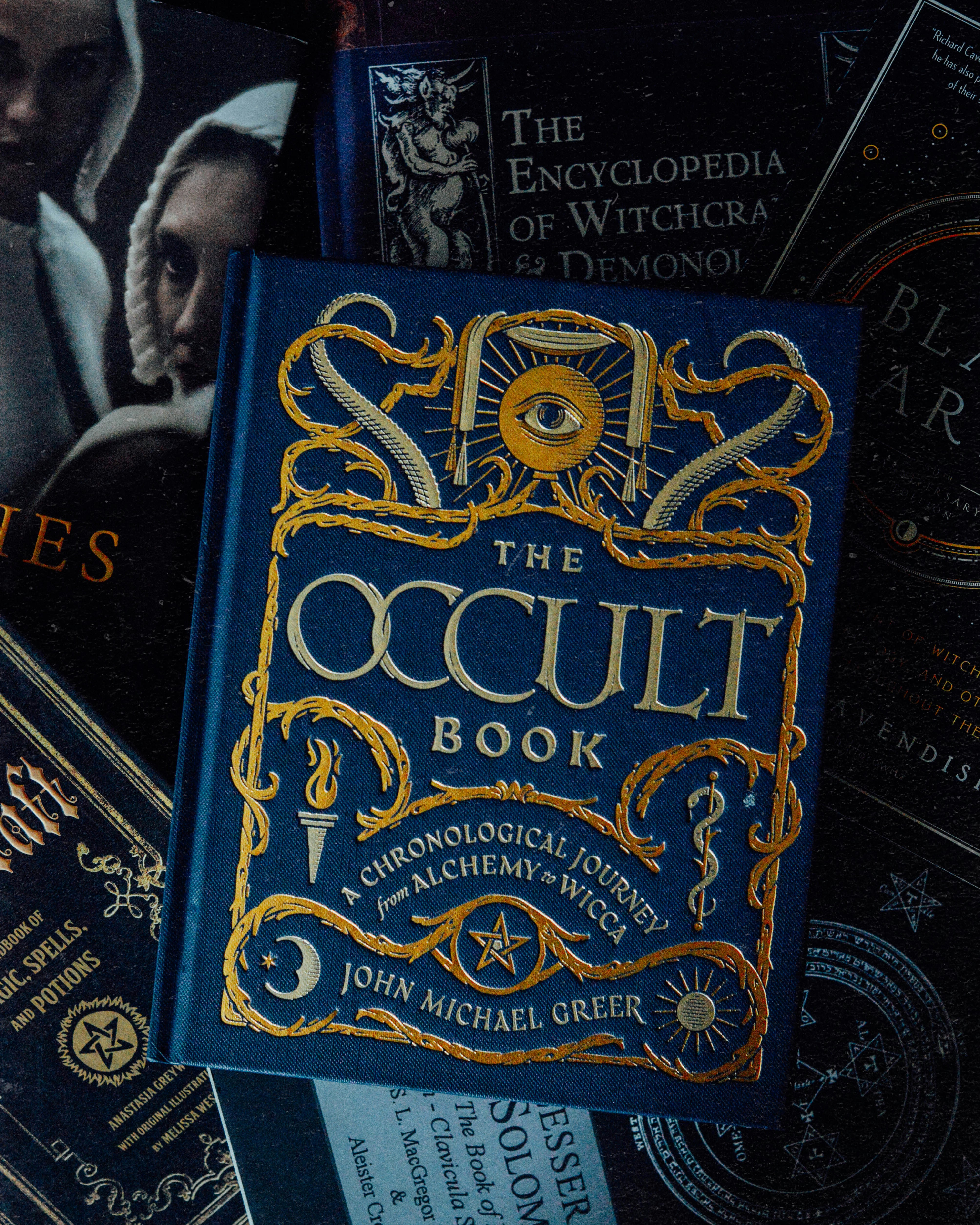
Introduction to Black Magic
Black magic, often shrouded in mystique and misunderstanding, is a concept that has existed throughout human history. Its origins can be traced back to ancient civilizations, where it was considered an integral part of cultural and spiritual practices. Traditionally, black magic refers to the use of supernatural powers or magic for malevolent purposes, typically aimed at causing harm or misfortune to others. This contrasts with white magic, which is believed to be used for benevolent and healing purposes.
The significance of black magic varies significantly across different cultures and societies. In some traditions, such as those found in indigenous tribes, rituals associated with black magic may be used to harness the energy of nature for protection or revenge. Conversely, in many modern societies, black magic is often viewed through a lens of skepticism, considered by some as mere superstition or folklore, while others may regard it as a legitimate practice steeped in historic belief systems.
Throughout history, practices associated with black magic have taken on numerous forms, including the casting of spells, curses, and invocations of deities or spirits. This has led to a wide range of interpretations and methodologies. In some cultures, practitioners may be seen as shamans or witch doctors, serving as intermediaries between the spiritual and physical worlds. Others may view these individuals as nefarious figures, often scapegoated during periods of societal unrest or fear.
As society continues to evolve, perceptions of black magic remain diverse and complex, often dictated by cultural narratives, personal beliefs, and historical context. Understanding black magic requires a nuanced approach, one that considers not only the practices themselves but also the broader cultural significance they hold across various communities. This overview serves as the foundation for exploring black magic in greater depth, addressing its myths, practices, and impacts in contemporary society.
The Historical Context of Black Magic
Black magic has been a part of human culture for centuries, with historical evidence tracing its roots back to ancient civilizations such as Egypt, Mesopotamia, and Greece. In these early societies, practices that could be classified as black magic often intertwined with religion and spiritual beliefs, serving both pragmatic and mystical purposes. Rituals invoking deities or spirits were prevalent, with practitioners believed to possess special powers that allowed them to manipulate natural and supernatural forces.
Throughout antiquity, various cultures responded to black magic with a complex blend of fear, curiosity, and reverence. For instance, in ancient Rome, sorcerers and witches faced severe penalties, particularly during times of political strife when scapegoats were sought. Conversely, in Medieval Europe, following the establishment of Christianity, witch hunts exploded as societal reactions against supposed practitioners of black magic, who were often blamed for misfortunes, illness, or crop failures.
As societies evolved, so too did the perception and practices associated with black magic. The Renaissance period marked a significant transition, where a resurgence of interest in the occult, astrology, and alchemy led to a more nuanced understanding of magic. Despite this, black magic remained stigmatized, often portrayed in literature and popular thought as malevolent forces intent on harm.
In more contemporary contexts, black magic manifests in various forms across cultures, from voodoo in the Caribbean to witchcraft in African traditions. These practices are often misunderstood and misrepresented in popular media, illustrating the ongoing evolution of black magic’s perception. The complexity of its historical context reveals not only the fears and beliefs of past societies but also their struggles to understand and control the unknown.
Common Misconceptions about Black Magic
Black magic is often shrouded in myth and misunderstanding, leading to numerous misconceptions that persist in society. One of the most prevalent myths is the notion that black magic is solely about malevolence or evil intention. While it is typically associated with darker practices, black magic encompasses a wide range of rituals and beliefs that do not inherently involve harm to others. It is crucial to differentiate between the intention behind the practice and the actual rituals performed.
Another common misconception is that black magic equates to witchcraft or sorcery. This simplification conflates different cultural and spiritual practices, many of which may have benign or even positive intentions. For example, in various traditions, certain rituals that are labeled as “black magic” may serve protective functions or aim to promote healing rather than inflicting harm. By oversimplifying these practices, we can overlook their cultural significance and the intentions behind them.
Additionally, the portrayal of black magic in popular culture—films, literature, and media—often amplifies fear and sensationalizes its practice. Such representations can create a skewed perception where black magic is seen as a force capable of imminent danger or doom, rather than a complex practice deeply rooted in cultural contexts. The dramatization of these themes can distort public understanding, leaving little room for accurate representations of real-life practices and beliefs.
Furthermore, education and dialogue surrounding the topic of black magic are essential for dispelling these misconceptions. By promoting informed discussions and respectful understanding, it is possible to clarify what black magic truly represents and its impact on practitioners and communities. Accurate knowledge can help demystify black magic and encourage a more nuanced view that transcends sensationalism and fear.
Types of Black Magic Practices
Black magic, often characterized by its intention to cause harm, manipulate, or control others, manifests in various forms across cultures. Prominent types include curses, hexes, and malevolent spells, each steeped in specific rituals and beliefs. Curses are perhaps the most notorious form of black magic; they typically invoke a supernatural entity or energy to bring misfortune upon a target. Practitioners believe that by employing certain words, symbols, or actions, they can cast a curse that befalls the individual with negative consequences. Rituals associated with curses often involve the use of personal items belonging to the victim, enhancing the perceived connection and potency of the curse.
Another form is hexing, which can be viewed as a more targeted approach. Hexes are often less severe than curses and typically aim to induce specific misfortunes rather than broad calamities. The rituals for hexing may include the creation of a talisman or the performance of a specific set of incantations that invoke spirits or energies thought to aid the practitioner. The practitioners of hexes often emphasize the importance of intent, suggesting that the emotional state of the individual performing the hex significantly influences its effectiveness.
Malevolent spells further expand on the practices of black magic. These spells are usually crafted to achieve control over another’s will, causing them to act in a manner that aligns with the practioner’s desires. Such spells may involve intricate rituals, including offerings to spirits or deities believed to facilitate the spell’s success. The belief systems surrounding these practices often center on a dual understanding of morality: the idea that practitioners may suffer repercussions for their actions as dictated by the laws of cause and effect.
Black Magic in Different Cultures
Black magic has been perceived and practiced in various ways across different cultures throughout history. Each culture possesses its own unique beliefs and rituals surrounding this controversial practice, often influenced by local traditions, religious beliefs, and societal norms. Understanding these differences offers valuable insights into how black magic is interpreted globally.
In Africa, for instance, black magic is often associated with witchcraft and sorcery, believed to be used for both healing and malevolent purposes. Various tribes and communities practice rituals that may involve ancestral spirits, herbal mixtures, and symbolic objects. Practitioners, sometimes referred to as ‘witch doctors,’ play an essential role in the social structure, as they are thought to possess the ability to manipulate spiritual forces for the community’s benefit or to harm adversaries.
Conversely, in Western cultures, black magic has often been linked to negative connotations, particularly during the witch hunts of the Middle Ages. Practitioners were frequently demonized, leading to widespread persecution. The concept of black magic often revolves around the use of spells, hexes, and curses intended to bring harm or misfortune upon others. Modern interpretations also include aspects of the occult and ceremonial magic, further complicating the perception of black magic within this cultural context.
In Asia, particularly in countries like India and Indonesia, black magic is frequently embedded in local folklore and superstition. Practices such as ‘Kala Jadu’ in India symbolize the darker side of spirituality, where practitioners utilize supernatural powers to achieve personal ends. These practices are often viewed with a mix of fear and fascination, reflecting the dual nature of black magic as both a tool for empowerment and a source of dread.
Overall, the diverse interpretations of black magic across cultures show that local beliefs and historical contexts greatly influence its practice. Understanding these cultural nuances allows for a more comprehensive view of black magic’s role in society, transcending simple stereotypes and revealing its complex legacy.
The Psychological Impact of Believing in Black Magic
The belief in black magic can have profound psychological effects on individuals, leading to a range of emotional responses, including anxiety and fear. When individuals perceive themselves as victims of supernatural forces, their mental state may shift significantly. These beliefs can foster a heightened sense of vulnerability, leading to an ongoing cycle of fear and distress. For many adherents of these beliefs, the perceived threat posed by black magic manifests in various ways, including heightened anxiety, paranoia, and a constant feeling of being watched.
The psychological impacts are not limited to individual experiences; they can also ripple through communities. In regions where belief in black magic is prevalent, societal norms may be influenced, creating an environment steeped in suspicion and mistrust. This mistrust can lead to social isolation, as individuals may refrain from interacting with those who are believed to have the capability to inflict harm through black magic practices. As fear spreads, communities can become polarized, leading to stigmatization and alienation of suspected practitioners of black magic.
Moreover, the emotional toll of believing one is under the influence of black magic can lead to significant mental health issues. Individuals may find themselves in a perpetual state of stress, seeking reassurance from friends, family, or community leaders. Some may even resort to spiritual or religious interventions in an attempt to combat the perceived magical threats, sometimes at the expense of seeking traditional medical help for their psychological distress. As a result, there is a complex interplay between belief in black magic and mental health, which can exacerbate existing conditions and contribute to new ones.
Ultimately, examining the psychological impact of believing in black magic reveals not only personal ramifications but also broader implications for community dynamics and mental health resources. Understanding these effects is crucial in addressing the broader social and psychological challenges associated with such beliefs.
Modern-Day Black Magic: Myths vs. Reality
In contemporary society, perceptions of black magic often differ significantly from historical views. Historically, black magic has been associated with malevolence, dark arts, and harmful intentions. These associations frequently led to hysteria, witch hunts, and social ostracism. Nowadays, however, the understanding of black magic has evolved, influenced by cultural shifts and greater access to information. While some still regard black magic as a form of malevolent sorcery aimed at causing harm, many modern practitioners emphasize its use as a tool for personal empowerment, spiritual exploration, or psychological healing.
Modern practitioners often approach black magic with a focus on introspection, self-discovery, and a desire to harness lost knowledge for personal development. This shift in perspective is facilitated by technology and social media, which have made it easier for individuals to connect with one another, share experiences, and access diverse resources. Online platforms allow for the widespread dissemination of information regarding rituals, spells, and teachings traditionally shrouded in secrecy. Consequently, the practice of black magic has become more mainstream, resulting in a mixture of both respected traditions and potential misinformation.
Despite its modern adaptation, a layer of myth persists around black magic. Misunderstandings, perpetuated by literature and popular media, continue to depict it as purely destructive or evil. This narrative fails to recognize the nuanced realities faced by practitioners today, as many emphasize ethical boundaries and personal responsibility. Modern interpretations often align with the collective’s cultural or psychological meanings rather than solely with historical perspectives.
As our understanding of black magic continues to evolve, it becomes essential to discern between the myths and the realities. The complexities of human experience and personal belief systems shape how individuals engage with black magic today, making it vital to approach the topic with sensitivity and an open mind.
Legal and Ethical Considerations of Black Magic
The practice of black magic raises complex legal and ethical considerations that can vary significantly across different cultures and legal systems. In many jurisdictions, accusations of black magic can lead to severe legal consequences, often stemming from the perception that such practices cause harm to individuals or communities. In certain regions, laws exist that specifically address witchcraft or sorcery, wherein individuals accused of black magic may face criminal charges. Such accusations can be rooted in deep-seated cultural beliefs, and this can lead to social ostracism or violence against the accused, sometimes resulting in tragic outcomes.
From an ethical standpoint, practitioners of black magic frequently encounter dilemmas relating to the intention and potential consequences of their actions. A significant ethical consideration is whether the intent behind the magical practice is to harm or to heal. Many practitioners assert that their work is conducted for protective or beneficial purposes; however, the definition of harm can vary. The opportunity for misuse and manipulation is a prevalent concern, particularly when individuals seek to exert control over others through malicious spells or curses.
Furthermore, the impact of engaging in harmful magical practices can extend beyond the individual practitioner, affecting the broader community. The proliferation of fear and mistrust resulting from malicious magic can lead to community division and unrest. Therefore, ethical considerations in black magic practice demand a commitment to responsibility, transparency, and respect for the agency of others. Practitioners are urged to weigh the potential risks of their magical endeavors, fostering a dialogue around the implications of their practices and promoting ethical engagement among those within this realm.
Conclusion: The Enduring Fascination with Black Magic
Throughout history, black magic has captivated the human imagination, often intertwined with cultural beliefs, societal fears, and personal aspirations. The myths surrounding its practices reflect deep-seated anxieties as well as desires for power, control, and influence over one’s environment. From ancient civilizations to modern-day interpretations, the allure of black magic persists, highlighting its complex role in human society.
Key themes emerging from our exploration include the distinction between myth and reality, the moral implications tied to its practice, and the psychological aspects of belief in black magic. Various cultures have their interpretations and rituals, serving as mechanisms to cope with life’s uncertainties, invoking both fear and intrigue. As individuals seek to understand their circumstances, black magic frequently emerges as a perceived solution, illustrating humanity’s inherent struggle against fate and misfortune.
The practice and belief in black magic raise important questions about morality, ethics, and cultural perception. Are those who engage in these practices merely misguided, or do they symbolize a deeper human need to believe in forces beyond rational comprehension? As societies evolve with advancements in science and technology, the relevance of black magic and similar practices continues to provoke discussion. Furthermore, the phenomenon raises inquiries about how contemporary issues—such as mental health and community cohesion—might intersect with ancient beliefs and folklore.
In conclusion, the fascination with black magic is likely to endure as it encapsulates not only the darker aspects of human nature but also our quest for understanding the unexplained. Continued exploration of these themes may yield insights into how societal norms and personal beliefs will shape the future landscape of magical practices. How will our understanding of black magic evolve as we progress into an increasingly rational and scientific era? Such questions merit further reflection and inquiry in the years to come.
Leave a Reply