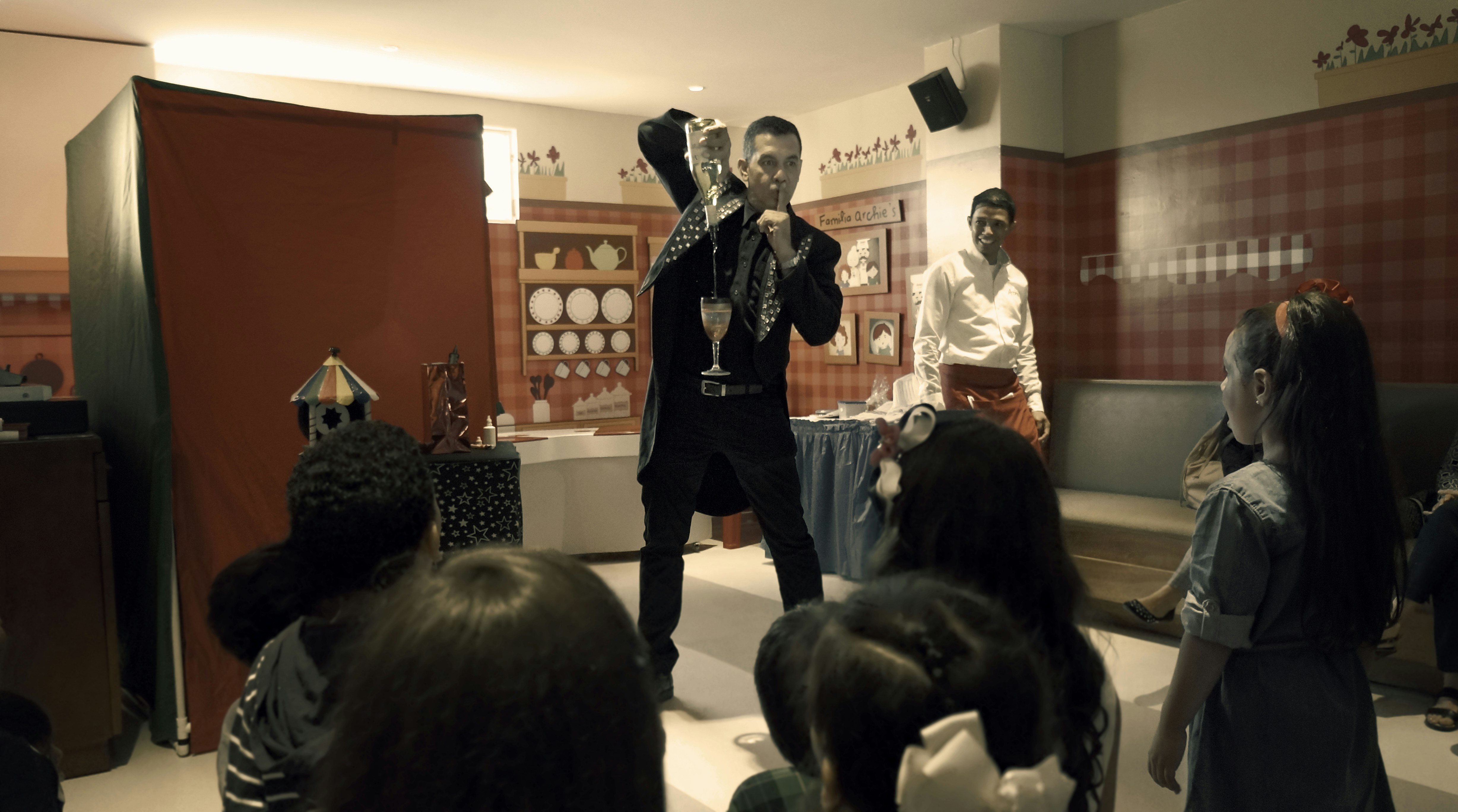
Introduction to Magic and Its Types
Magic is a multifaceted concept that has captured the imagination of humankind across various cultures and epochs. Its origins can be traced back to ancient civilizations where it was often intertwined with religion, spirituality, and the natural world. Throughout history, magic has served as a means to explain phenomena beyond human understanding, to manipulate the environment, and to seek guidance from the divine.
There are several distinct types of magic, each with its own practices, beliefs, and purposes. Folklore presents folk magic, often referred to as “low magic.” This form is rooted in the traditions and everyday lives of common people. It includes practices like herbalism, divination, and charm-making, aimed at influencing day-to-day matters such as love, health, or prosperity. Folk magic is generally characterized by its practical applications and connection to local culture.
High magic, or ceremonial magic, represents a more structured approach. It involves complex rituals, often derived from philosophical or religious texts, and seeks to effect profound changes in the practitioner or the world around them. High magic is usually performed by trained practitioners or within formalized traditions.
Another significant form is shamanism, found in various indigenous cultures. Shamanistic practices generally involve a shaman, who acts as an intermediary between the spirit world and the community, using altered states of consciousness achieved through trance, rituals, and herbal medicines to heal and guide.
Understanding these various types of magic provides a necessary backdrop for exploring their respective powers and impacts on individuals and societies. Each category offers unique insights into the beliefs and values of the cultures that uphold them, forming a rich tapestry of magical traditions worldwide.
Power in magic is a multifaceted concept that varies significantly across cultures, belief systems, and individual interpretations. At its core, the idea of power in magic often encompasses the ability to influence or alter reality through supernatural means. However, what constitutes effective magic can be heavily subjective, informed by personal experiences and cultural backgrounds.
One of the primary factors that contribute to the perception of power in magic is intent. A practitioner’s intent can dramatically shape the outcome of their magical practices. For instance, if an individual approaches a magical rite with a strong sense of purpose, their belief in the efficacy of their actions can enhance the perceived power of the magic being executed. This connection between intent and power underscores the notion that belief plays a critical role in how magic is perceived and executed.
Furthermore, cultural practices significantly influence how power is interpreted within different magical traditions. In many cultures, magic is tightly woven into the fabric of their societal norms and values. For example, in some indigenous cultures, the community’s collective belief in ancestral spirits and ceremonial practices confers a sense of power to the rituals performed. In contrast, in more modern interpretations of magic, such as Wicca or chaos magic, personal empowerment and self-directed intention may be emphasized, suggesting that power resides within the individual rather than in external forces or traditions.
Ultimately, the concept of power in magic is deeply interlinked with personal belief systems, cultural contexts, and the purposeful application of magical techniques. As such, it remains a subject of ongoing exploration and debate among practitioners and scholars alike, reflecting the diverse tapestry of human understanding surrounding the magical arts.
The Most Popular Types of Magic
Within the realm of mystical practices, several types of magic stand out due to their historical significance and widespread recognition. Three of the most popular forms of magic include Wicca, Voodoo, and Hermeticism. Each of these traditions encapsulates unique beliefs, rituals, and operational principles that distinguish them from one another, contributing to the diverse landscape of magical practices.
Wicca is an earth-based religion that emphasizes a reverence for nature and the worship of a dual deity, represented as the God and Goddess. Rooted in ancient pagan traditions, Wiccan practices often involve rituals tied to the cycles of the moon and seasonal changes, with emphasis placed on the spiritual and physical balance of individuals with the natural world. Practitioners of Wicca, often referred to as Wiccans, utilize various tools, such as candles, crystals, and herbs, to facilitate their spells and rituals, showcasing a strong connection to the elements.
Voodoo, originating from West African spiritual practices, is a complex system that intertwines religion, magic, and community. While often misunderstood, Voodoo encompasses a rich tapestry of deities, ancestors, and spirits that practitioners believe guide their lives. Rituals in Voodoo may include offerings, drumming, and the invocation of spirits, known as Loa, to seek guidance or assistance. Contrary to popular stereotypes, Voodoo emphasizes healing and protection, making it a deeply spiritual practice rather than one solely focused on manipulation or control.
Hermeticism draws its name from Hermes Trismegistus, a legendary figure believed to be a synthesis of the Greek god Hermes and the Egyptian god Thoth. The foundational principles of Hermeticism are encapsulated in texts known as the Hermetic Corpus, which explore concepts of the divine, the universe, and the self. Practitioners of Hermeticism engage in the exploration of alchemy, astrology, and theurgy, seeking unity between the individual and the cosmos. This form of magic highlights the importance of knowledge and wisdom as means to achieve personal transformation and spiritual enlightenment.
Comparative Analysis of Magical Traditions
The world of magic is richly diverse, encompassing a variety of traditions and practices that differ in philosophy, techniques, and perceived power. A comparative analysis offers valuable insights into these varying systems, enabling one to gauge their respective strengths and weaknesses. Among the most notable magical traditions are Western Occultism, African Traditional Religions, and Eastern Mysticism. Each of these schools presents a unique approach to harnessing magical energies.
Western Occultism, primarily rooted in Hermeticism, Kabbalah, and Alchemy, emphasizes the manipulation of natural laws through ritual and symbolism. Practitioners often utilize tools such as wands, pentacles, and sigils, believing that these objects can channel and focus their intentions. The reported outcomes frequently hinge on the practitioner’s skill and knowledge, showcasing a distinctive strength in its structured approach yet highlighting the potential for failure if rituals are not executed with precision.
On the other hand, African Traditional Religions, which include practices such as Voodoo and Santería, hinge on ancestral reverence and the interconnection between the spiritual and the physical realms. Magic in these traditions is often communal, emphasizing ritualistic practices that engage with spirits for healing, protection, or divination. The power derived from these practices is seen as inherent within the community, providing a robust support system, yet may lack the individualized focus seen in Western practices.
Eastern Mysticism, particularly from traditions such as Taoism and Buddhism, approaches magic through the lens of energy and consciousness. Techniques such as meditation and Qi Gong are prominent, where the practitioner’s inner peace and harmony are viewed as paramount to manifesting magical outcomes. This system’s strength lies in its focus on the internal journey, often leading to profound personal transformation; however, it may be perceived as less straightforward in achieving tangible results compared to its counterparts.
Each magical tradition presents its own attributes and limitations, suggesting that perceptions of power are often subjective and dependent on individual belief systems. Understanding these nuances is essential for anyone interested in the comparative analysis of magic and its diverse iterations.
Influence of Intent and Belief
The effectiveness of magical practices can often be closely linked to the intent and belief systems of the individual caster. Intent is a fundamental aspect; it serves as the driving force behind the magical act, which channels the energy required for successful outcomes. A caster who approaches their practice with clear intention is more likely to manifest their desired results, as the act of focusing one’s mind reinforces the energy they are trying to project.
Additionally, the psychological components surrounding belief play a critical role in the efficacy of magic. When a practitioner genuinely believes in the possibilities of their magic, it can substantially enhance their own psychological state and energetic output. This belief serves as a catalyst that promotes confidence, thereby increasing the chances of a successful magical operation. Numerous studies in psychology suggest that belief can alter perceptions and outcomes, demonstrating the strong connection between mindset and reality.
Furthermore, collective belief systems can amplify magical power. When a group shares a similar belief in a particular form of magic, it creates a collective energy that can intensify the intended effects. This phenomenon can be observed in various cultural rituals and practices, where community involvement can lead to heightened successes. Hence, establishing a supportive environment that prioritizes shared beliefs can reinforce individual intentions, creating a more powerful manifestation of magic.
In essence, the interplay between intent and belief pressures both psychological and energetic dimensions of magical practices. The power of magic, therefore, is not solely dependent on techniques or tools, but profoundly influenced by the emotional and mental landscape of the caster.
Case Studies of Powerful Magic
The concept of magic has captivated humanity across various cultures and eras, demonstrating its potential to shape reality, societal norms, and belief systems. Among the numerous practitioners of magic throughout history, some have left a significant mark due to their extraordinary abilities and the profound effects of their practices. One notable figure is Aleister Crowley, an early 20th-century occultist who played a pivotal role in the development of modern magical practices. His teachings, encapsulated in the philosophy of Thelema, emphasized the individual’s power to shape their destiny through magical rituals. Crowley’s practices and writings influenced various contemporary magical movements and continue to resonate with practitioners today.
Another pertinent case study is that of the Zoroastrian magi, often referred to as the wise men of the East in Biblical texts. Historically, these figures were not merely magicians, but rather learned individuals who utilized their knowledge of astrology and other mystical arts to make decisions for their society. Their practices were deeply integrated into their belief systems, showcasing the intersection of knowledge and magic that influenced both social structures and religious practices in ancient Persia.
Additionally, one cannot overlook the modern phenomenon of hoodoo and its practitioners. Rooted in African spiritual traditions, hoodoo combines various beliefs and practices to achieve tangible results in the material world. Practitioners often utilize charm work, spell casting, and herbal remedies to influence personal and communal outcomes, demonstrating the tangible impacts magic can have in everyday life.
Additionally, the events surrounding the infamous Salem Witch Trials serve as a complex case study in the societal perceptions of magic. These trials highlighted the fear and paranoia generated by accusations of witchcraft, resulting in severe consequences for the accused. The fervor surrounding the trials not only reflects societal beliefs regarding the powerful nature of magic, but also underscores the interplay between belief, fear, and the quest for control in a community.
Criticism and Skepticism of Magic
The discourse surrounding magic has long been interspersed with significant criticism and skepticism, particularly from scientific and rationalist paradigms. One of the foremost critiques of magic arises from its apparent lack of empirical evidence supporting its effectiveness. Skeptics argue that many magical practices can be explained through psychological principles, such as the placebo effect, cognitive biases, and the power of suggestion. These psychological underpinnings suggest that the perceived efficacy of magic is not rooted in supernatural powers but rather in the human mind’s capacity to interpret experiences in a favorable light.
Furthermore, critics often highlight the anecdotal nature of many magical claims. Unlike scientific claims, which can be subjected to rigorous testing and validation, magical assertions frequently rely on personal testimonies that are difficult to verify. This reliance on anecdotal evidence raises questions about the authenticity and reliability of magical practices. Rationalists argue that an understanding of human psychology could better account for these claims than attributing them to mysticism or the supernatural.
The Future of Magical Practices
The evolution of magical practices is a fascinating subject, especially in the context of our rapidly changing technological landscape. As science continues to expand our understanding of the universe, the definition and interpretation of magic are also undergoing significant transformation. Today, many view magic not solely as an arcane art or superstition, but as a nuanced amalgamation of ancient traditions, personal spirituality, and innovative technological advancements.
One potential trajectory for the future of magic is its increasing integration with scientific principles. In recent years, there has been a growing interest in the intersection of metaphysics and quantum physics, where concepts such as intention, energy manipulation, and consciousness are beginning to find common ground. As research into these domains continues, practitioners might harness the insights gained from these scientific discoveries to enhance their magical practices, potentially creating a more empirical framework for understanding and utilizing magic.
Additionally, the digital age has redefined how individuals engage with magical systems. The rise of online communities and virtual platforms allows for the sharing of information, techniques, and rituals on a global scale. This democratization of knowledge means that diverse magical traditions can intermingle, leading to new forms of practice that draw from multiple sources. Practitioners increasingly utilize application technology—such as virtual reality to simulate ritual spaces or programming for creating personalized spells—which could significantly shape the landscape of modern magic.
Furthermore, as societal values shift towards inclusivity and holistic well-being, magical practices may evolve to encompass wider spiritual perspectives that celebrate diversity and interconnectedness. This evolution points to a future where magic is not only a tool for individual empowerment but also a medium for collective healing and understanding. In this way, the future of magic is likely to be defined by its adaptability, bridging science, technology, and spirituality in ways that resonate with contemporary society.
Conclusion: The Most Powerful Magic
Determining which magic is the most powerful is a complex endeavor that ultimately depends on individual perspectives and contexts. Over the previous sections, we have explored various forms of magic, ranging from elemental magic that harnesses the forces of nature to necromancy, which delves into the mysteries of life and death. Each type of magic carries its own strengths and weaknesses, appealing to different practitioners and their intentions.
The concept of power in magic is not universally defined. For some, the allure of transformative spells that can alter reality holds the greatest significance, while others might argue for the strength found in protective or healing magic. Furthermore, transformative power can mean the ability to change one’s environment or even oneself, adding layers to the subjective interpretation of what makes magic powerful.
Historical and cultural contexts also play a significant role in shaping perceptions of magical power. A type of magic revered in one culture may be dismissed in another as mere superstition. Therefore, understanding the power of magic requires an appreciation of the diverse applications and beliefs that surround it. Social constructs, personal experiences, and the intended outcomes of magical practices can all influence what individuals consider to be powerful magic.
As we conclude our exploration of this intriguing subject, it is essential to recognize that the most powerful magic may vary from one person to another. Each individual’s journey through the world of magic influences their interpretation of strength and efficacy in magical practices. Thus, the question of which magic reigns supreme remains open, inviting ongoing discussion and personal reflection on the topic.
Leave a Reply