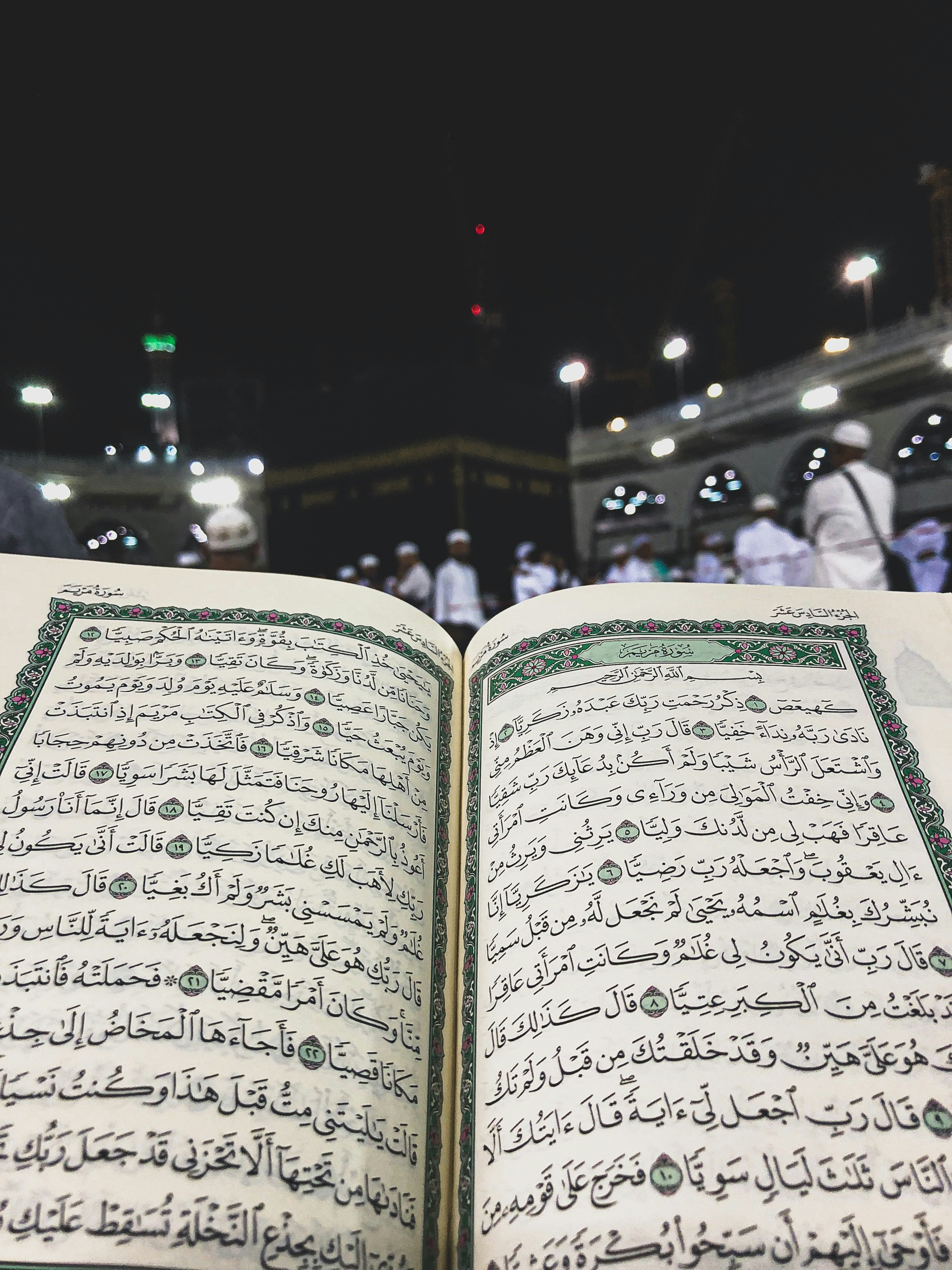
Introduction to Ruqyah
Ruqyah is an esteemed practice within Islamic tradition, serving as a means of spiritual healing and protection against malevolent influences such as black magic, envy, and evil spirits. It encompasses the recitation of specific verses from the Quran and supplications, believed to invoke divine support for individuals in distress or seeking relief from ailments. The significance of Ruqyah in Islamic culture cannot be underestimated, as it combines faith with healing, fostering a sense of hope and reliance on God’s mercy.
The practice of Ruqyah is deeply rooted in the teachings of the Quran and the Hadiths, where various instances indicate the Prophet Muhammad’s (peace be upon him) use of recitations to alleviate suffering. For practitioners, Ruqyah is much more than just vocalizing passages; it requires a strong intention (niyyah) and the belief in God’s omnipotence to bring about healing. This spiritual undertaking is often administered by qualified individuals—known as Ruqyah practitioners or healers—who possess knowledge of the appropriate verses and techniques. They typically conduct sessions that involve creating a serene environment conducive to spiritual reflection.
Ruqyah spans a wide array of practices, including but not limited to, verbal recitation, written scriptures, and even the use of water or oil that is recited upon. The recited verses, often sources of comfort and strength, play a pivotal role in enabling individuals to combat psychological and spiritual challenges. The essence of Ruqyah lies in its holistic approach, addressing not only the physical aspects of distress but also acknowledging the spiritual dimensions, thus aligning the body, mind, and spirit in a quest for healing.
Understanding Black Magic
Black magic, often referred to as dark magic, is commonly understood as the use of supernatural powers or magic for selfish, harmful, or malevolent purposes. Its historical roots can be traced back to ancient civilizations where magic was integrated into societal norms, frequently associated with rituals intended for various outcomes—ranging from healing to cursing. The perception of black magic varies significantly across cultures; in some societies, it is treated with fear and superstition, while in others, it may be embedded within religious or spiritual practices.
Throughout history, black magic has been linked to a variety of nefarious activities such as witchcraft and sorcery. Individuals accused of practicing black magic were often subjected to societal ostracism, persecution, or even violence. This historical context highlights the psychological implications of black magic on individuals, often leading to anxiety and a damaged reputation. Additionally, black magic is sometimes believed to influence not only the mental state of individuals but also their physical health, creating a perceived correlation between negative energies and various ailments.
Different forms of black magic exist, including curses, hexes, and the manipulation of spirits or energies to enact harm. These practices are steeped in different belief systems, which dictate their approach and interpretation in various cultures. For instance, in some traditions, black magic is viewed as a mere tool, while in others, it represents a significant moral failing with severe consequences. The beliefs surrounding black magic significantly impact societal attitudes toward mental well-being and health, as individuals may attribute their struggles or misfortunes to magical influences rather than seeking rational explanations or medical assistance.
Ruqyah is a practice rooted in Islamic tradition that involves reciting specific verses from the Quran and supplications to seek healing and protection against various afflictions, including black magic. The relationship between Ruqyah and black magic is profound, as Ruqyah is widely regarded as a countermeasure to the harmful effects of such sorcery. Islamic teachings emphasize the importance of seeking help from God to overcome negative influences, and Ruqyah serves as a spiritual tool aimed at weakening the grip of black magic on individuals.
Numerous scriptures reinforce the belief that Ruqyah can alleviate the suffering caused by supernatural malevolence. For instance, verses from the Quran such as Surah Al-Falaq (Chapter 113) and Surah An-Nas (Chapter 114) are frequently cited in Ruqyah practices. These verses call upon God for refuge from the evil whispers and actions of harmful entities. Furthermore, the teachings of various Islamic scholars elucidate that reciting Quranic verses serves not only as spiritual healing but also as a form of invoking divine protection against dark practices.
Historically, Muslims have utilized Ruqyah when faced with symptoms believed to stem from black magic, including unexplained illness, behavioral changes, and feelings of despair or oppression. Scholars affirm that the efficacy of Ruqyah lies in its ability to strengthen faith and foster a connection with God, which can mitigate the impact of negative energies unleashed through black magic. This spiritual fortification is believed to act as a shield against the adverse effects of such harmful practices.
In light of this context, it becomes clear that Ruqyah is not merely a set of rituals; it embodies a significant aspect of Islamic faith that fortifies believers against malevolent forces. Its relationship with black magic is that of a proactive defense mechanism, rooted in divine scripture and bolstered by centuries of tradition.
How Ruqyah is Practiced
Ruqyah, a form of spiritual healing in Islamic tradition, is practiced through specific methods aligned with Quranic principles. This practice involves reciting particular verses from the Quran, as well as supplications and prayers, aimed at warding off negative influences, including black magic. The most frequently used verses are Al-Fatiha, Al-Baqarah, and specific verses that pertain to seeking protection from harm.
In an authentic Ruqyah session, the individual seeking help often sits in a serene setting, free from distractions. It is believed that a calm environment enhances the effectiveness of the recitations. Practitioners emphasize the importance of focusing one’s mind and heart on seeking divine intervention and healing. This mindset is considered crucial for channeling the positive energy and commitment necessary to combat the ill effects associated with black magic.
The procedure typically involves the practitioner reciting the chosen verses in a rhythmic and soothing manner, often placing their hand over the afflicted individual or blowing lightly on them. This is believed to invoke spiritual blessings and create a protective barrier against any malign forces. Additionally, some practitioners incorporate water or olive oil during the process, which is then consumed or applied to the body after being infused with the recited verses.
Ruqyah is not just a mechanical recitation; it requires a sense of faith and purity in conduct. Practitioners and participants alike are encouraged to be in a state of wudu (ritual purity) and maintain sincerity in their intentions. The collective atmosphere of prayer, reflection, and focus is thought to amplify the healing effects of Ruqyah, bridging the earthly to the divine.
Testimonies and Experiences
Many individuals have shared compelling anecdotes about their experiences with Ruqyah as a means of protection against black magic. These personal stories illustrate the profound impact Ruqyah can have on one’s life, enabling healing and restoration in the face of adversity. For instance, a woman named Amina recounted her journey of seeking Ruqyah after feeling an overwhelming presence of negativity surrounding her. She described how she had faced numerous obstacles, including unexplainable misfortunes and a series of emotional disturbances. Upon undergoing Ruqyah, she experienced a remarkable shift in her circumstances, feeling lighter and witnessing gradual improvements in her life.
Another testimony comes from a man named Hassan, who believed he had fallen victim to black magic intended to thwart his professional success. After consulting a qualified Ruqyah practitioner, he participated in several sessions that included the recitation of specific verses from the Quran. Hassan reported a notable change not only in his career but also in his overall well-being. He discovered a renewed sense of motivation and clarity, which he attributes to the power of Ruqyah as a protective shield against adverse spiritual influences. His story underscores the potential efficacy of this practice in alleviating distress caused by malefic entities or spells.
Furthermore, a married couple shared their joint experience of Ruqyah after facing a series of conflicts and misunderstandings that they believed stemmed from black magic. Engaging in Ruqyah sessions facilitated communication and understanding between them, eventually restoring harmony in their relationship. They often emphasize that Ruqyah played a pivotal role in overcoming the challenges that threatened their bond.
These testimonies reflect a spectrum of experiences, highlighting the transformative effects of Ruqyah on individuals who seek relief from the grips of black magic. Such stories serve as a source of encouragement for those who may be grappling with similar adversities, showcasing the potential pathways to healing through spiritual practices.
Cultural Perspectives on Ruqyah
Ruqyah, an Islamic healing practice involving the recitation of specific verses from the Quran, is viewed through diverse cultural lenses. In many Muslim communities, Ruqyah is considered an integral part of spiritual and physical healing. Practitioners believe that the recitation can dispel negative energies, including those attributed to black magic or evil eye influences. This spiritual practice shows a rich tapestry of interpretations, variances in procedures, and uses, which are shaped by local customs and beliefs.
In cultures where Islam is predominant, Ruqyah is often employed as an alternative or complementary approach alongside conventional medicine. Notably, practitioners emphasize the importance of intention and faith in the effectiveness of Ruqyah, often linking psychological well-being with spiritual health. Many individuals report that the act of participating in Ruqyah rituals brings them comfort and enhances their sense of security, creating a holistic framework that embraces both physical and psychological aspects of healing.
Conversely, in Western contexts, the perception of Ruqyah can be more nuanced. Here, the practice often intersects with modern psychology and alternative therapy. Some mental health professionals recognize the potential benefits of integrating cultural healing practices like Ruqyah for patients who hold such beliefs. This cultural acceptance allows for a broader dialogue between traditional practices and scientific approaches. It enables individuals to feel validated in their experiences while exploring effective treatment modalities.
As contemporary society evolves, the acceptance of Ruqyah continues to expand. Increased globalization fosters a blend of cultural perspectives, including those related to spirituality and health. Today, more individuals seek a blend of traditional and modern remedies, illustrating Ruqyah’s enduring relevance in addressing emotional and spiritual challenges, alongside the more conventional therapeutic practices.
Challenges and Criticisms of Ruqyah
Ruqyah, an Islamic spiritual healing practice involving the recitation of specific Quranic verses and supplications, has generated a significant amount of discourse regarding its effectiveness. Skepticism surrounding this practice often centers on its perceived lack of scientific grounding. Critics argue that Ruqyah lacks rigorous empirical support and view it primarily as a cultural or religious placebo effect. The principles of modern medicine emphasize evidence-based practices, and the absence of well-structured clinical trials on Ruqyah can lead to questions regarding its credibility and usefulness in combating ailments thought to be caused by black magic.
From a psychological perspective, belief plays a critical role in the healing process. Critics suggest that the efficacy of Ruqyah may be attributed to psychological factors such as the confidence of the individual seeking healing, the relationship with the practitioner, and the context in which the healing takes place. This perspective aligns with the broader understanding of how mindsets can influence health outcomes. Supporters of Ruqyah might argue that such beliefs are not merely psychological but form an essential component of holistic healing.
Moreover, there is concern regarding potential harm associated with solely relying on Ruqyah in lieu of conventional medical intervention. The delays that may arise from opting for spiritual healing over medical treatment could result in adverse health consequences for individuals suffering from serious conditions. Thus, it is essential for both practitioners and patients to maintain a balanced approach, integrating spiritual practices like Ruqyah with appropriate medical advice to ensure comprehensive care.
Despite the critiques, proponents maintain that the practice holds significant cultural and spiritual relevance and continues to provide comfort and hope to many individuals experiencing distress believed to be caused by black magic. The ongoing dialogue surrounding Ruqyah exemplifies the broader tensions between faith-based approaches and evidence-driven methods in health care.
When to Seek Ruqyah
The practice of Ruqyah, which involves reciting specific verses from the Quran or invoking prophetic supplications, is traditionally used to address spiritual afflictions, including black magic. Individuals may consider seeking Ruqyah when they begin to notice unusual and unsettling patterns in their lives that directly impact their mental, physical, and emotional well-being. These signs can include unexplained fatigue, sudden bouts of anxiety or depression, a marked decline in personal relationships, or continuous misfortunes that seem disproportionate to one’s actions. It is important that the signs suggest an ethereal influence rather than purely psychological or medical conditions.
One of the key indicators that prompt individuals to turn to Ruqyah is an overwhelming sense of negativity or distress that cannot be attributed to external circumstances. This is accompanied by feelings of being watched or closely monitored, recurring nightmares, or sudden and inexplicable changes in personality. Individuals may also report experiencing unusual behavioral changes in family members or friends, which can raise alarm about potential black magic involvement.
However, it is essential to differentiate between the effects of black magic and psychological issues that may require the intervention of mental health professionals. Symptoms like persistent sadness, anxiety disorders, and other mental health conditions should first be evaluated through clinical approaches. In many instances, seeking a trained mental health specialist can provide clarity and necessary support. Ruqyah should not replace medical advice or treatment but rather complement it, particularly in cases where individuals find that traditional medical solutions do not entirely alleviate their concerns.
In conclusion, recognizing the signs that may indicate the need for Ruqyah is crucial for both the spiritual and psychological health of an individual. Ensuring a balanced approach by consulting both spiritual healers and medical professionals can lead to more comprehensive healing.
Conclusion and Final Thoughts
In this blog post, we have explored the healing practice of Ruqyah and its perceived effectiveness against black magic. Ruqyah is an ancient form of spiritual healing that involves the recitation of specific verses from the Quran to seek protection and healing. Many practitioners and believers assert that Ruqyah not only aids in combating black magic but also promotes overall spiritual well-being and protection from harmful energies.
Throughout the discussion, we highlighted the importance of faith in the efficacy of Ruqyah, as belief plays a vital role in the outcomes of spiritual practices. Various anecdotal evidences were presented to illustrate how individuals have experienced relief from the effects of black magic through consistent engagement with Ruqyah. It is crucial, however, to note that results can vary significantly based on individual beliefs, circumstances, and the nature of the affliction.
It is also important to approach the subject of Ruqyah and black magic with an open mind. A comprehensive understanding of both spiritual and practical healing methods can enhance an individual’s journey towards wellness. Incorporating knowledge from both realms allows for a more balanced perspective, and it is encouraged to seek further education on these subjects before making conclusions. Embracing diverse viewpoints can lead to greater empathy and a deeper appreciation for different approaches to healing.
In conclusion, while belief in Ruqyah as a method to combat black magic is common among many, it is equally important to combine spiritual practices with practical measures. The blend of faith and action creates a more holistic approach to addressing the challenges posed by negative energies. Seeking guidance from knowledgeable practitioners and remaining open to further learning will undoubtedly aid in the journey of healing.
Leave a Reply