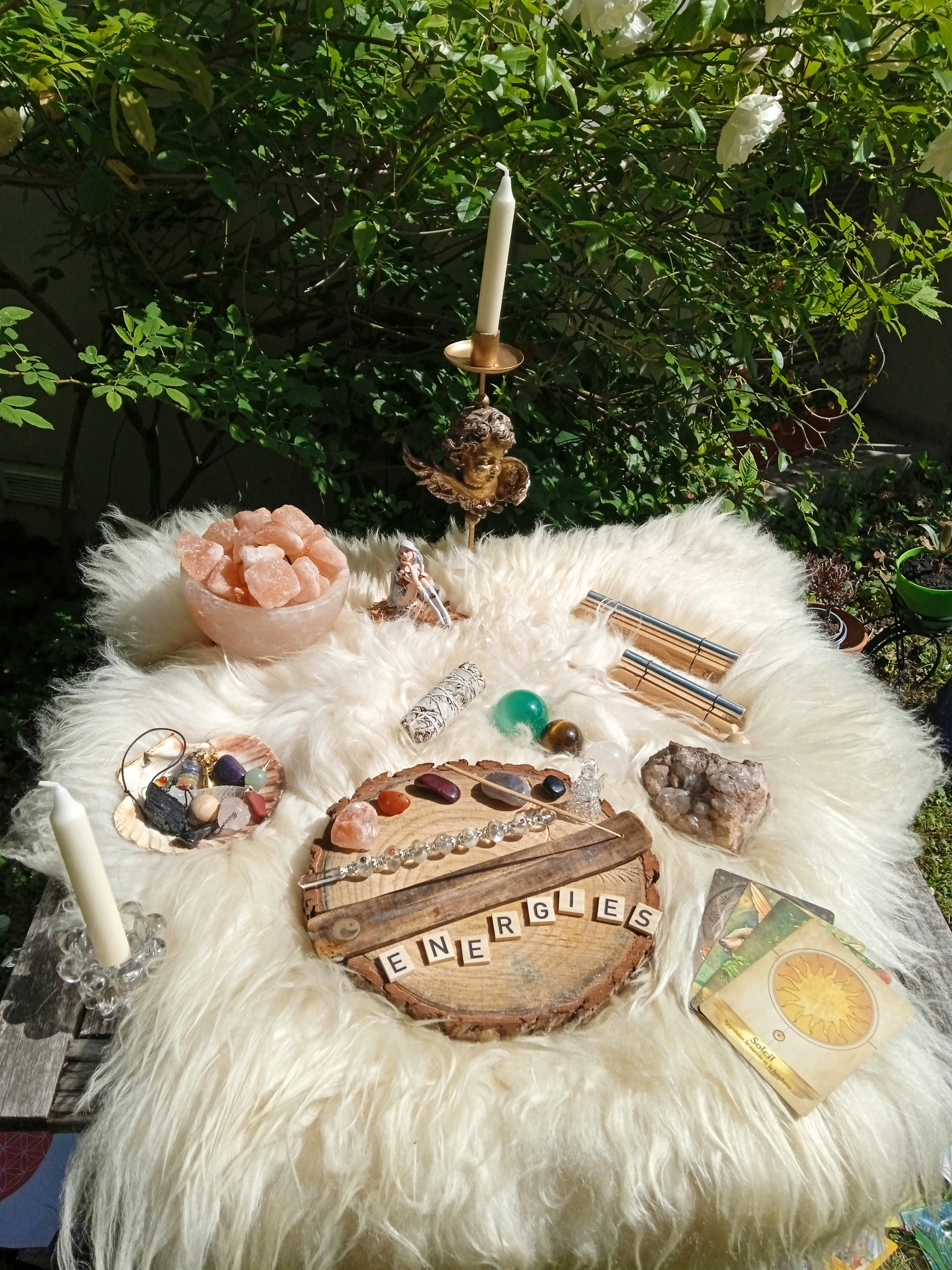
Introduction to Spiritual Healing
Spiritual healing is a multifaceted practice that aims to restore balance and harmony within individuals, often addressing emotional, physical, or spiritual ailments through energy work or other modalities. This healing approach is deeply rooted in various cultures and traditions worldwide, integrating ancient wisdom with modern understandings of health and wellness.
At its core, spiritual healing encompasses the belief that the human spirit is interconnected with the broader universe and that a disturbance in one’s spiritual or emotional state can manifest as physical ailments. Many cultures view the body, mind, and spirit as interconnected entities, asserting that true health cannot be attained unless all aspects of a person are in equilibrium. Healers, therefore, seek to remedy these imbalances through various practices, such as meditation, energy healing, prayer, and shamanic traditions.
The significance of spiritual healing lies in its holistic approach. Unlike conventional medicine, which often focuses solely on physical symptoms, spiritual healing emphasizes the importance of emotional and spiritual well-being. Through this lens, healing involves not only alleviating symptoms but also fostering a deeper understanding of oneself and one’s place in the universe. Many individuals turn to spiritual healing as a complement to traditional medical treatments, seeking to enhance their overall quality of life and achieve greater personal insight.
In various cultures, spiritual healers play a vital role, often acting as guides who help individuals navigate through life’s challenges. These healers may utilize innate abilities, tools, or ancestral knowledge to facilitate healing processes. Thus, understanding spiritual healing and its significance can encourage individuals to explore alternative healing methods that resonate with their beliefs and experiences.
Energy Healers
Energy healers operate on the premise that every individual possesses a unique energy field, which can significantly influence physical, emotional, and spiritual well-being. Through various techniques, these practitioners aim to restore balance to this energy system, facilitating healing and improving overall health. The underlying philosophy is that when energy flows freely and harmoniously, the body is better able to heal itself.
One of the most widely recognized methods of energy healing is Reiki. Originating from Japan, this technique involves the practitioner channeling universal life energy to the recipient, promoting relaxation and alleviating stress. During a Reiki session, clients remain fully clothed while the practitioner lightly places their hands on or near the body. This gentle touch is purported to stimulate the body’s natural healing processes and enhance the client’s well-being.
Another prominent technique is Therapeutic Touch, developed by nurses in the 1970s. This modality emphasizes the use of intention, where the healer’s focus aims to influence the recipient’s energy field. Practitioners of Therapeutic Touch use a series of hand movements and visualization techniques to assess and manipulate the client’s energy field, thereby encouraging healing. Clients often report a sense of peace and emotional release during and after sessions.
Healing Touch is a similar practice that combines elements of both Reiki and Therapeutic Touch. It is grounded in the belief that the healer can influence energy in various ways to help promote healing and restore balance. This practice incorporates techniques such as light touch and energy field assessment, which encourages a holistic approach to wellness.
In summary, energy healers, through techniques like Reiki, Therapeutic Touch, and Healing Touch, aim to harness and manipulate the body’s energy fields to promote healing, reduce stress, and improve emotional well-being. These practices underscore a growing recognition of the interconnectedness of mind, body, and spirit in health and healing.
Shamans and Shamanic Healing
Shamans are individuals who serve as intermediaries between the spiritual and physical realms, utilizing their unique abilities to facilitate healing and guidance. This ancient practice, known as shamanic healing, draws upon a rich tapestry of cultural traditions and rituals, many of which have been passed down through generations. The role of a shaman often encompasses a range of responsibilities, including healing the sick, performing rituals, and communicating with spirits to gain insight and wisdom.
Central to shamanic healing is the technique of journeying, where the shaman enters altered states of consciousness to access spiritual dimensions. During these journeys, practitioners often seek guidance from spirit helpers or power animals, which can embody personal strengths and attributes essential for transformation. This method allows shamans to explore the inner psyche and outer spiritual realms, fostering a profound connection between the individual and the universe.
Moreover, shamanic healing might involve various practices such as drumming, chanting, and the use of sacred plants or herbs. Each technique is meticulously tailored to the needs of the individual seeking healing. For instance, drumming serves to synchronize the mind and body, facilitating deeper states of awareness conducive to healing. Ultimately, the goal of shamanic healing is to restore balance and harmony within an individual, addressing not only physical ailments but also emotional and spiritual disconnections.
As we delve deeper into the intricacies of shamanic practices, it becomes evident that shamans carry the weight of ancient wisdom, aiming to bridge the divide between the seen and unseen realms. Through their unique blend of cultural knowledge and spiritual insight, they continue to play a significant role in the holistic health of those seeking their guidance.
Intuitive Healers and Psychics
Intuitive healers and psychics play a vital role in the realm of spiritual healing, using their unique abilities to provide insight and guidance to individuals seeking healing or personal growth. By tapping into their heightened awareness, these practitioners can access inner wisdom and spiritual energies that may not be immediately visible to the ordinary person. This process often involves the use of various techniques, including clairvoyance, which refers to the ability to perceive information beyond ordinary perception.
Clairvoyants can see, hear, or sense things that are not within the scope of normal consciousness. This ability is integral to many intuitive healers, allowing them to interpret the energies surrounding a person or situation. These insights can provide clarity to individuals, helping them to understand their emotional and spiritual blockages, patterns, and potential paths for healing. Along with clairvoyance, some intuitive healers may also employ tools such as tarot cards, which convey messages and guidance through symbolic imagery.
Tarot reading serves as a powerful method of divination, offering profound insights into the lives of clients. The symbolism contained within each card can reveal past influences, present circumstances, and future possibilities. For many, tarot readings serve not only as a tool for understanding personal dilemmas but also as a means of engaging with their intuition, thus promoting greater self-awareness and empowerment.
Furthermore, the significance of intuition in the healing process cannot be overstated. Intuition acts as an internal compass, guiding both the healer and the client toward appropriate actions and insights. By fostering a connection with their innate intuition, individuals can navigate their healing journeys with more confidence and clarity. This holistic approach to healing through intuitive practices encourages an exploration of the self that engages both the mind and the spirit, ultimately leading to a more profound healing experience.
Holistic Healers
Holistic healing is a comprehensive approach that emphasizes the interconnectedness of the mind, body, and spirit. Holistic healers believe that for optimal health, a balanced harmony among these elements is crucial. This philosophy underlies various practices aimed at treating the whole person rather than merely addressing individual symptoms. Prominent among these practices are acupuncture, herbal medicine, and aromatherapy, each with its unique methodologies and benefits.
Acupuncture, which originates from traditional Chinese medicine, involves the insertion of fine needles at specific points on the body. This practice is based on the belief that stimulating these points can enhance the flow of energy, or “Qi,” thus promoting healing and balance. As a form of holistic therapy, acupuncture is often employed to relieve chronic pain, reduce stress, and treat various other conditions, showcasing its adaptability in holistic healing.
Herbal medicine is another cornerstone of holistic healing. This practice utilizes natural plant compounds to address various health issues while considering the individual’s constitution and overall well-being. Herbal remedies can range from simple teas to complex formulas that address multiple health aspects. This approach not only aims to treat specific ailments but also seeks to strengthen the body’s innate ability to heal itself, emphasizing the body’s natural balance.
Aromatherapy, which uses essential oils derived from plants, is also widely recognized within holistic healing circles. By harnessing the therapeutic properties of various scents, aromatherapy aims to improve emotional and physical health. Inhaling or applying diluted essential oils can create soothing effects that promote relaxation, alleviate stress, and enhance mood. This practice underscores the deep connections between sensory experiences and overall well-being.
In conclusion, holistic healing presents a multidimensional approach to health that engages various therapeutic practices, such as acupuncture, herbal medicine, and aromatherapy. By addressing the physical, emotional, and spiritual aspects of health, holistic healers help cultivate a harmonious balance, ultimately leading to a more comprehensive form of healing.
Crystal Healers
Crystal healing is a holistic practice that utilizes the unique properties and energies of crystals to promote physical, emotional, and spiritual well-being. Practitioners known as crystal healers employ various stones and crystals to assist in releasing negative energies, enhancing positive vibrations, and restoring equilibrium within the body’s energy fields. Each crystal possesses distinct attributes and vibrations, which can interact with an individual’s energy to facilitate healing.
For instance, amethyst is commonly associated with calmness and clarity, making it ideal for relieving stress and anxiety. Similarly, rose quartz is revered for its ability to foster love, compassion, and emotional healing; it is often used in situations involving heartbreak or grief. Clear quartz is dubbed the “master healing crystal” due to its ability to amplify energy and intention, thus serving as a versatile tool in the practice of crystal healing.
Utilizing crystals involves various techniques, including placing crystals on specific body areas, wearing them as jewelry, or creating crystal grids focused on specific intentions. Many crystal healers will assess a client’s energy field before selecting appropriate stones for individual sessions. By aligning crystal healing with meditation or energy healing modalities like Reiki, practitioners can create deeper healing experiences, allowing for both physical and metaphysical layers of issues to be addressed.
Crystals are believed to resonate with various chakras, or energy centers, within the body. For example, lapis lazuli is often connected to the throat chakra, promoting communication and self-expression, while citrine corresponds with the solar plexus chakra, enhancing personal power and confidence. Understanding these associations can greatly enhance the efficacy of crystal healing practices.
Sound Healers
Sound healing is an ancient practice that utilizes sound vibrations to promote physical and emotional well-being. Different sound elements, such as tuning forks, singing bowls, and chanting, are employed in this holistic approach to initiate healing on multiple levels. Sound healers believe that sound can affect the body and mind positively, often aiming to restore balance and harmony within the individual.
Tuning forks are one of the primary tools used in sound healing. These metal devices produce specific frequencies when struck, which can resonate with the body’s energy fields. Practitioners may apply these forks to different points on the body, including chakras, to help release blockages and promote healing. The vibrations from the forks can induce a state of relaxation and enhance mental clarity, making it a beneficial practice for stress relief and emotional regulation.
Singing bowls, typically made from metal or crystal, are another popular method of sound healing. When struck or circled with a mallet, these bowls generate rich, harmonic overtones that encourage deep relaxation. The sound waves emanating from the singing bowl are believed to stimulate the body’s natural healing process by promoting circulation and alleviating pain. Many individuals report experiencing profound emotional releases during singing bowl sessions, indicative of the healing influence of sound frequency.
Chanting is a more vocal approach to sound healing that involves the repetition of specific sounds or phrases. This practice is rooted in various spiritual traditions and is used to awaken spiritual consciousness, promote mindfulness, and elevate mood. The vibrations created by chanting can lead to significant shifts in energy, enhancing overall mental health and fostering a sense of community among participants.
In essence, sound healing provides a holistic pathway for individuals seeking to enhance their mental and physical health through vibrational therapy. By integrating these diverse techniques, sound healers facilitate a profound transformation that resonates deeply within the practitioner and recipient alike.
Past Life Regression Healers
Past life regression is a therapeutic technique used by spiritual healers to enable individuals to delve into their prior existences. This practice is based on the belief in reincarnation, which posits that the soul is reborn into different bodies across various lifetimes. Through exploring these past experiences, individuals can gain insight into their current life challenges, traumas, and patterns of behavior. The role of past life regression healers is crucial in guiding clients through this introspective journey.
Healers specializing in this practice often employ various methodologies to facilitate deep relaxation and a hypnotic state, which allows clients to access memories from previous lifetimes. Techniques may include guided visualization, meditation, and affirmations aimed at promoting openness and receptivity. While in this altered state of consciousness, clients may recall vivid scenes, hear dialogues, or even feel emotions associated with their past selves. The healer’s role is to support and assist the client as they navigate through these experiences, ensuring a safe and enriching exploration.
As individuals uncover memories of past lives, they often identify life lessons, unresolved issues, and emotional blocks affecting their current existence. This can lead to profound healing, as understanding the roots of present-day challenges can provide clarity and support the process of emotional release. Furthermore, past life regression can foster a sense of continuity, helping clients feel more connected to their spiritual journey and personal growth. Ultimately, by facilitating the exploration of past lives, past life regression healers assist individuals in achieving self-discovery, healing, and transformation.
Conclusion and Choosing the Right Healer
In exploring the vast landscape of spiritual healers, we have encountered a diverse array of practices and modalities, ranging from traditional healers, shamans, and energy workers to modern practitioners who embrace holistic approaches. Each type of spiritual healer brings unique methodologies, philosophies, and strengths, making it essential for individuals to identify which resonates most profoundly with their personal beliefs and healing requirements.
When contemplating the choice of a spiritual healer, it is crucial to consider the specific type of healing that aligns with one’s needs. For instance, if one is seeking emotional support, an intuitive healer or a therapist with a spiritual dimension might be beneficial. Conversely, someone seeking to address physical ailments may find value in energy healing or Reiki practitioners. The spectrum of spiritual healing offers something suitable for a variety of concerns, from emotional balance to physical wellness.
Moreover, personal resonance is paramount in the journey towards healing. It is vital to trust one’s instincts when selecting a healer, as the effectiveness of spiritual healing can significantly depend on the relationship formed between the healer and the individual. Engaging in preliminary conversations, attending workshops, or participating in group sessions can provide insight into the healer’s approach and philosophy, which may help reinforce confidence in the decision-making process.
Ultimately, the healing journey is deeply personal. Individuals are encouraged to remain open to exploring different styles and modalities, allowing for a holistic understanding of their own needs. Trusting one’s intuition as well as nurturing a sense of personal connection with a spiritual healer can lead to transformative experiences and facilitate profound growth on the path to healing.
Leave a Reply