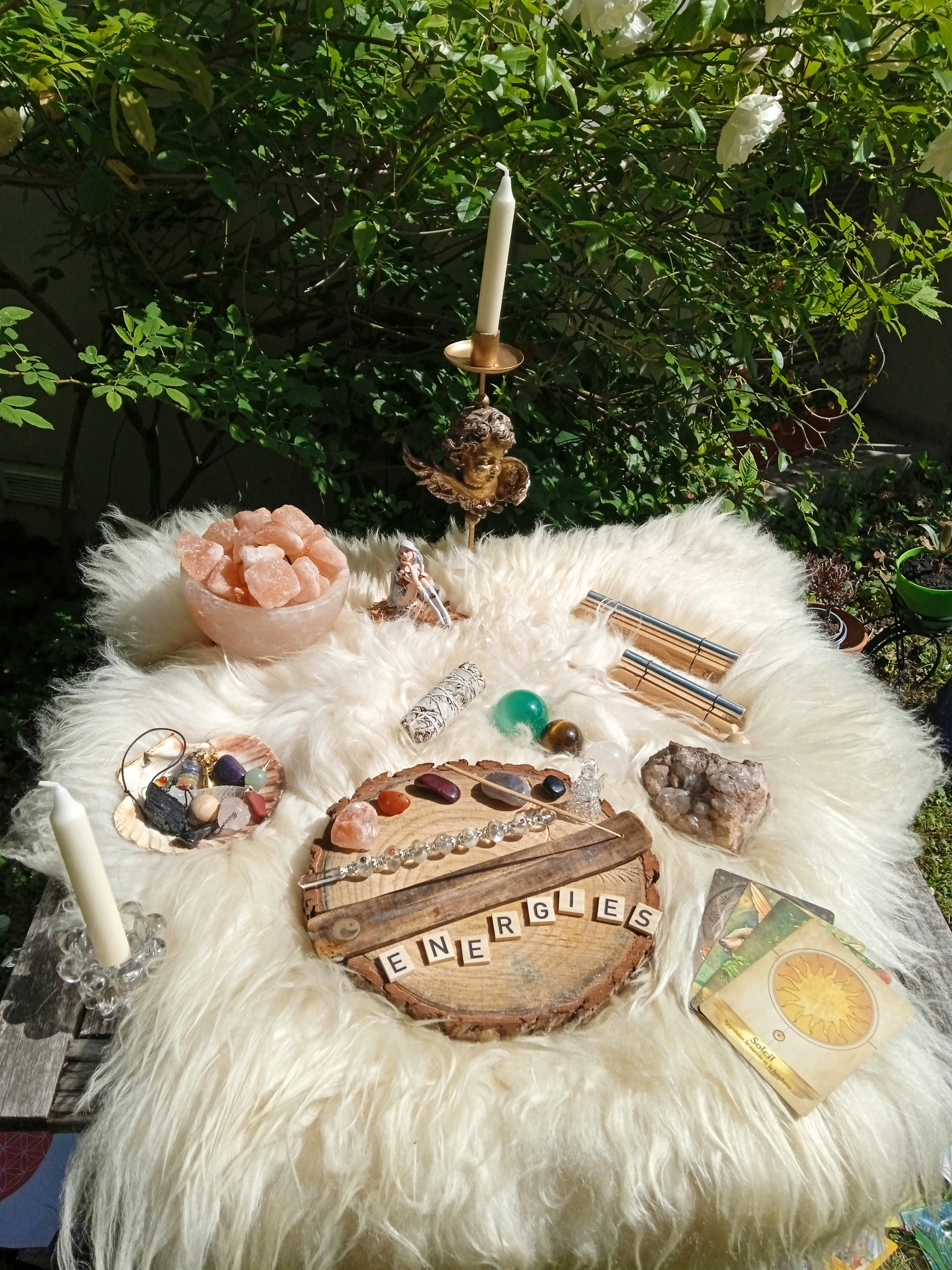
Understanding Spiritual Healing
Spiritual healing, a multifaceted approach to wellness, focuses on the holistic integration of mind, body, and spirit. This practice has ancient origins, rooted in various cultures and philosophies that emphasize a connection with the spiritual realm. By recognizing that our physical and mental health often reflects our spiritual state, individuals can embark on a profound journey toward healing and self-discovery.
At its core, spiritual healing is about channeling energy to facilitate the restoration of balance and harmony within an individual. It operates on the premise that everything is interconnected, with practitioners believing that shifts in one’s spiritual condition can lead to improvements in mental and physical health. Various methods exist within the realm of spiritual healing, including energy healing, Reiki, and shamanism, each with unique techniques and traditions.
Energy healing, for instance, involves the manipulation of a person’s energy fields to encourage healing and alleviate stress. Practitioners often use their hands to draw on or channel healing energies from the universe. Reiki, a form of energy healing stemming from Buddhist principles, focuses on transmitting universal life force through light touch. Shamanism, steeped in ancient rituals of Indigenous cultures, often incorporates drumming, trance states, and ceremonies to heal the spirit and restore balance.
The essential elements of intent and belief play a crucial role in spiritual healing. A strong intention set by the healer can amplify the healing process, guiding positive energies and reinforcing the associated belief systems. This connection signifies that the healer and the recipient are part of a larger spiritual ecosystem, where change is possible through understanding and embracing these intricate relationships. Thus, spiritual healing is not merely a practice but a holistic philosophy that underscores our inherent connectedness and potential for transformation.
Recognizing Your Gift
Becoming a spiritual healer often begins with a deep understanding of one’s own innate abilities and sensitivities towards spiritual energies. Recognizing your gift is the first step in this transformative journey. Many individuals have experiences or feelings that signal their potential as a healer, often manifesting in childhood through heightened intuition, empathy, or a strong connection to nature and other realms of existence.
Self-reflection is crucial in this process. Set aside time to connect with your inner self, contemplating any past experiences that have allowed you to feel in tune with the energies surrounding you. Think about times when you have sensed emotions or thoughts from others without them expressing them verbally. Such awareness can be an indication of your intuitive capabilities and may signify that you possess qualities commonly associated with spiritual healing.
Additionally, pay attention to your reactions to the energies in different environments; feel how certain places or people affect your emotional and physical states. This sensitivity can serve as a guiding compass to help you understand your healing potential. Journaling your feelings and experiences can assist in clarifying this awareness. Documenting any significant encounters with spiritual phenomena or feeling drawn towards healing practices may unveil a deeper connection to your vocation.
It is also beneficial to engage with like-minded communities, either in person or online, where you can share experiences and learn from others recognizing their own gifts. By surrounding yourself with individuals who also possess sensitivity to spiritual energies, you may find inspiration and guidance towards further exploration of your path as a healer. Understanding and acknowledging your unique abilities will lay a sturdy foundation for the journey ahead in becoming a spiritual healer.
Cultivating Your Skills
To embark on the journey of becoming a spiritual healer, it is essential to focus on cultivating your skills. This process aligns closely with personal development and the enhancement of your innate healing abilities. One of the foundational practices for any aspiring healer is meditation. Regular meditation enhances self-awareness and helps individuals tap into their energy and intuition. By establishing a consistent meditation practice, you foster a deeper connection with your inner self and the universal energies that influence healing.
Mindfulness practices also play a critical role in cultivating healing skills. Engaging in mindfulness allows you to remain present and fully attentive in each moment, making you more aware of the energies around you. This heightened awareness can improve your sensitivity towards the needs of those you seek to heal. Activities such as mindful breathing, yoga, or simply being conscious of your surroundings contribute significantly to your development as a spiritual healer.
Furthermore, studying various healing modalities is crucial in broadening your understanding and expertise. Exploring different approaches to healing—such as Reiki, crystal healing, or sound therapy—can provide invaluable insights and techniques that you might integrate into your personal practice. Each modality has its unique benefits and philosophies, and by learning from diverse sources, you create a well-rounded skill set that enhances your healing capacity.
Continuous learning is imperative in this field. Attend workshops, seminars, or online courses that deepen your knowledge about spiritual healing and related disciplines. Engaging with other practitioners and seeking mentorship can also provide support and guidance on your journey. Personal growth and self-reflection will serve as the bedrock for your healing practice, enabling you to become a more effective and compassionate spiritual healer.
Finding the Right Training and Certification
Embarking on a journey to become a spiritual healer necessitates careful consideration regarding training and certification options. Aspiring healers have a variety of programs available, ranging from holistic healing schools to workshops focusing on specific techniques like Reiki, crystal healing, and intuitive development. When exploring these options, it is crucial to prioritize reputable institutions with verifiable credentials. This not only ensures quality education but also aids in developing a strong foundation in spiritual healing practices.
Researching potential training programs should include examining the instructors’ qualifications and their experiential learning backgrounds. Look for programs that emphasize practical training alongside theoretical knowledge, as hands-on experiences are essential for developing confidence and competence in spiritual healing. Furthermore, engaging with alumni or current students can provide insights into the effectiveness of the program and the support offered during training.
Certification plays a pivotal role in establishing credibility as a spiritual healer. While certification is not universally required, it can significantly enhance a healer’s professional standing. Many reputable organizations offer certification in various modalities of spiritual healing. These certifications demonstrate a commitment to ethical practice and adherence to industry standards. It is advisable to choose a course that aligns with your intended area of practice and offers a recognized certification, as this will bolster your professional profile.
In addition, consider continuing education as a means to expand your skill set and stay current with evolving practices in spiritual healing. Many established organizations provide workshops and advanced training sessions that can enrich your expertise. Ultimately, selecting the right training and certification can profoundly impact your journey as a spiritual healer, equipping you with the tools and confidence necessary to succeed in this fulfilling career.
Building Your Intuition
Developing one’s intuitive abilities is an essential aspect of becoming a spiritual healer. Intuition acts as a guiding force, enabling practitioners to connect with their inner selves and the energies surrounding them. One of the primary techniques for strengthening intuition is to cultivate the habit of listening to one’s inner voice. This involves creating moments of stillness in daily life where one can tune into thoughts and feelings without distractions. Practicing mindfulness can aid in recognizing these subtle messages, which often guide decision-making and personal understanding.
Meditation serves as another powerful tool for enhancing intuitive capabilities. By committing to a consistent meditation practice, individuals foster a deeper connection with their inner selves. During meditation, one can focus on breathing and visualizations, allowing thoughts to arise and settling into a state of awareness. Over time, this practice can help clarify the mind and sharpen intuitive senses. Many beginners find that guided meditations, specifically focused on intuition, can facilitate this process, leading to heightened perceptions and deeper insights.
Engaging with spiritual mentors can also significantly contribute to developing one’s intuition. Mentors, whether in person or through written works, can provide valuable support and guidance on the journey to enhance intuitive skills. They can share techniques, exercises, and experiences that resonate with aspiring healers. Furthermore, participating in community events, workshops, or online forums offers the opportunity to connect with others who share similar interests and goals. These interactions can reinforce intuitive growth by providing a platform for shared experiences and insights.
Establishing Your Practice
Creating a successful spiritual healing practice requires a well-thought-out approach. The first step is to set up a healing space that fosters tranquility and connection. Choose a location that is free from distractions, allowing clients to feel safe and relaxed. This space should be designed with comfort in mind, incorporating soft lighting, soothing colors, and natural elements such as plants or crystals to enhance the atmosphere. Comfortable seating arrangements and a clean, uncluttered environment will contribute to a serene experience.
Secondly, creating a client-friendly environment is essential. This involves not only the physical space but also the emotional landscape you cultivate as a spiritual healer. It’s imperative to establish rapport and trust with clients by practicing active listening and demonstrating empathy. As part of building this relationship, it is essential to communicate clearly about your services and what clients can expect. Provide potential clients with comprehensive information on your healing modalities, consultation fees, and session lengths to eliminate uncertainties and allow them to feel more secure in their decisions.
Furthermore, ethical marketing strategies play a crucial role in establishing your practice. Utilizing social media platforms, creating a professional website, and engaging in community outreach can broaden your reach while maintaining integrity. Be transparent about your qualifications and be clear that your services are intended to support individuals on their healing journeys. Networking with other practitioners can also provide referral opportunities. Building a clientele takes time, so remain patient and consistent in your efforts, focusing on delivering value to your clients.
Ethics in Spiritual Healing
Engaging in spiritual healing requires a deep commitment to ethical conduct, as the nature of this practice involves sensitive emotional and psychological aspects of individuals’ lives. One of the foremost ethical considerations is obtaining informed consent. Spiritual healers must ensure that their clients are fully aware of the healing process, the methods employed, and potential outcomes. It is imperative to communicate effectively, enabling clients to make knowledgeable decisions about their participation in the healing journey.
Confidentiality is another cornerstone of ethical spiritual healing. Practitioners must respect the privacy of their clients and keep all personal information confidential. This aspect is crucial not only to maintain trust but to ensure that clients feel safe in sharing their experiences. A professional spiritual healer should explain how client information will be used and establish clear guidelines for what will remain confidential. Breaching confidentiality can have severe repercussions for both the client and the healer’s practice.
Moreover, maintaining professional boundaries is essential in the field of spiritual healing. Healers should refrain from forming dual relationships with their clients, which can lead to conflicts of interest and may undermine the therapeutic relationship. Prioritizing the well-being of clients, spiritual healers should avoid any actions or behaviors that may exploit their vulnerability. Setting firm boundaries helps create a safe and supportive environment conducive to healing.
In summary, ethical considerations are paramount in spiritual healing. By prioritizing informed consent, confidentiality, and professional boundaries, healers can uphold a standard of integrity that fosters trust and effectiveness in their practice.
Personal Spiritual Development
The journey toward becoming a spiritual healer involves continuous personal spiritual development, which serves as the foundation for effective healing practices. Engaging in ongoing self-care is paramount, as it ensures that healers maintain their emotional and mental well-being. Activities such as mindfulness meditation, yoga, or journaling not only cultivate self-awareness but also help in releasing negative energies and promoting inner peace. By prioritizing self-care, healers can better channel their energy into assisting others.
Another essential facet of personal spiritual development is participation in spiritual communities. By connecting with like-minded individuals, healers can share experiences, learn from one another, and gain new perspectives on their spiritual path. Regular interaction within these communities fosters a supportive environment, allowing individuals to exchange insights, techniques, and resources related to healing. Joining workshops, meditation groups, or local spiritual organizations can significantly enhance one’s skills and understanding of spiritual healing.
Furthermore, it is vital for healers to stay grounded amid their work. The act of healing can lead to emotional and energetic imbalances; thus, grounding techniques such as spending time in nature, practicing deep breathing, or engaging with the earth can be invaluable. Grounding helps in aligning one’s energy, allowing healers to remain centered and focused during and after healing sessions. This practice not only benefits the healer but also enhances the effectiveness of the healing process, ultimately creating a more balanced experience for those seeking spiritual guidance.
Sharing Your Journey
Sharing one’s journey as a spiritual healer is a vital part of personal growth and community connection. By telling our stories, we not only illuminate our paths but also invite others to reflect on their experiences. Storytelling fosters a sense of belonging and understanding among individuals, creating a supportive environment for healing and transformation. It is through the act of sharing that we find common ground, allowing others to relate to our struggles and triumphs.
Participating in workshops and community events provides an excellent platform for aspiring healers to present their experiences. These gatherings not only enable healers to share their insights but also facilitate discussions on various healing practices. Sharing different healing modalities can inspire others to explore new methods, thus broadening the collective knowledge of every participant. Workshops can often become spaces where personal stories lead to profound understanding, deep connections, and collaborative healing efforts.
Furthermore, involvement in community-focused initiatives can significantly amplify one’s practice. Engaging with local organizations, participating in healing circles, or contributing to community wellness programs allows healers to extend their reach and impact more lives. These activities foster an environment where mutual support thrives, and individuals can learn from one another. By sharing your healing journey, you create pathways for collective healing, enriching both your personal journey and the lives of those around you.
Ultimately, sharing your experiences nurtures a spirit of openness and acceptance. It reinforces the idea that the healing journey is not a solitary endeavor but a shared experience that connects us all. Encouraging dialogue within the community not only aids in personal healing but fosters a holistic approach to spiritual wellness. Thus, aspiring healers are encouraged to openly share their stories, explore workshop opportunities, and actively engage in their communities to enrich their own spiritual practices and support others in theirs.
Leave a Reply