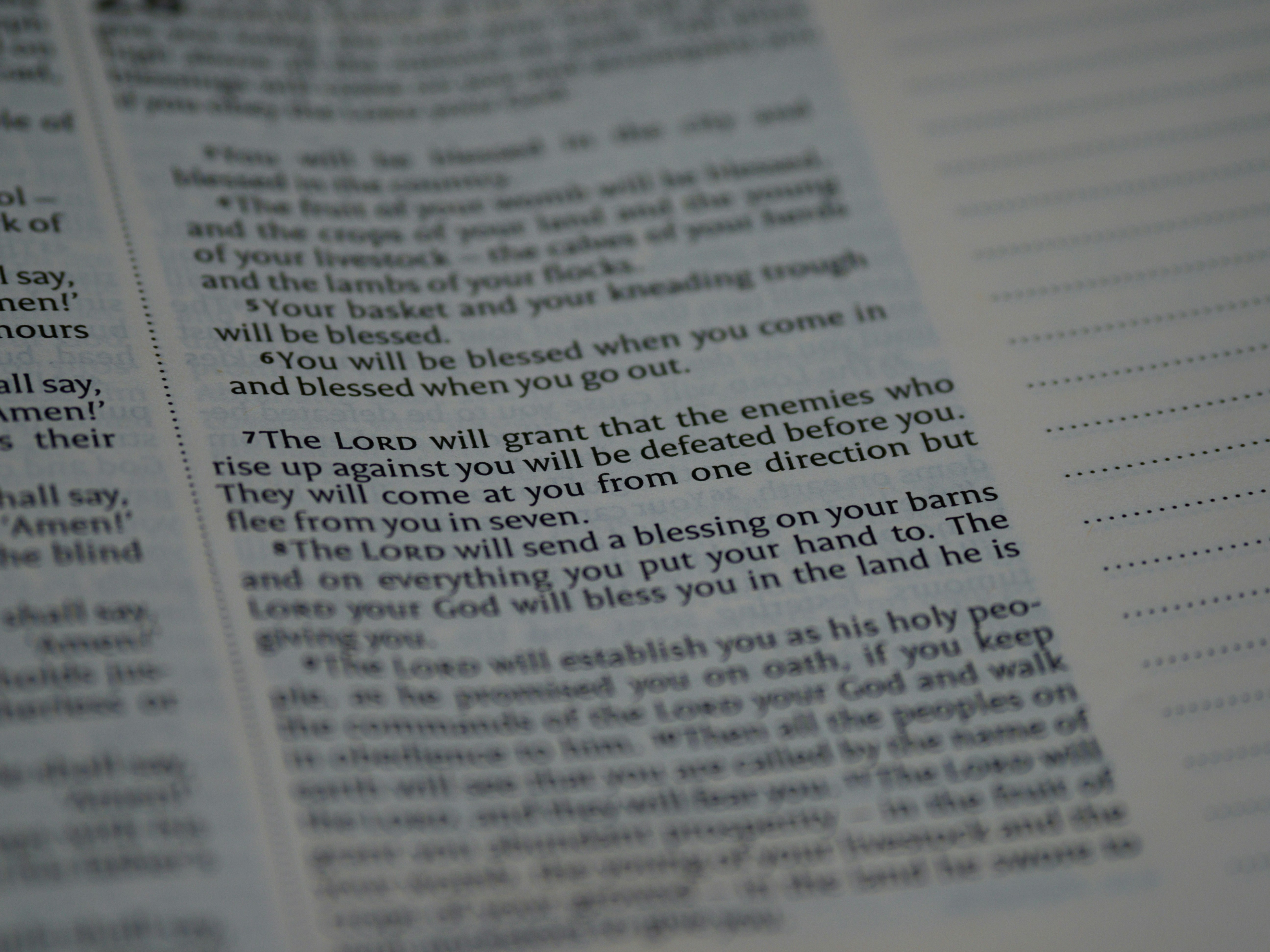
Introduction to Healing Prayers
Healing prayers are spiritual appeals directed toward a higher power, seeking restoration of health, emotional balance, or mental clarity. They are foundational in various spiritual traditions, including Christianity, Buddhism, and indigenous practices, offering solace and hope to those facing difficulties. The essence of healing prayers lies in their ability to foster a deep sense of connection with the divine, facilitating a pathway for emotional release and physical rejuvenation.
Throughout history, individuals have turned to healing prayers during times of great distress, whether stemming from physical ailments, emotional turmoil, or existential crises. The rituals associated with these prayers often vary across cultures but share a common goal: to invoke healing energy and support from a higher power. Many believe that healing prayers can channel divine intervention, providing not only relief from suffering but also a greater understanding of one’s own consciousness and connection to the universe.
The significance of healing prayers is underscored by their ability to empower individuals during challenging times. They can serve as a form of meditation, enhancing mindfulness and encouraging personal reflection. Furthermore, these prayers often create a sense of community among those who share similar beliefs, reinforcing social bonds through collective intentions for health and well-being.
In today’s fast-paced world, the importance of healing prayers cannot be understated. Individuals often seek solace in spiritual practices as a way to navigate life’s adversities. By engaging in the process of prayer, many find a reprieve from the stresses of life, equipping them with renewed strength and resilience. This exploration of healing prayers not only highlights their traditional significance but also reveals their contemporary relevance in a holistic approach to health and spirituality.
Understanding the Concept of Prayer
Prayer is a profound practice that transcends cultural and religious boundaries, serving as a means for individuals to connect with a higher power. At its core, prayer is an expression of faith, hope, and intention. It facilitates a dialogue that can deepen a person’s spiritual experience and foster a sense of community, providing emotional and psychological support.
The purpose of prayer extends beyond mere communication with the divine. It serves as a valuable tool for self-reflection, where individuals may contemplate their thoughts and emotions, helping them to find clarity during challenging times. This introspective aspect of prayer can significantly contribute to mental well-being, as it allows for the processing of feelings and promotes a sense of peace.
From a psychological standpoint, engaging in prayer can induce relaxation and reduce stress levels. Scientific studies highlight that those who pray often report feelings of comfort and an overall sense of safety, suggesting that prayer can positively impact both mental and physical health. This connection, whether perceived as spiritual or psychological, can lead to improved resilience against the trials of life.
Furthermore, the collective aspect of prayer is noteworthy. When individuals come together to pray, they create a supportive network, enhancing feelings of belonging and collective strength. This communal experience can be particularly powerful, as shared intentions for healing can amplify the effects of individual prayers.
In summary, prayer serves as a multifaceted practice that fosters a connection with a higher power, enables profound introspection, and promotes emotional support. Understanding the various aspects of prayer can help individuals harness its power effectively, leading to enhanced health and well-being.
The Role of Faith in Healing
Faith is often considered a powerful catalyst in the healing process, serving not only as a source of comfort but also as a significant influencer of positive health outcomes. Numerous studies have highlighted how belief systems can enhance recovery, illustrating that the mind-body connection plays a vital role in overall wellness. For instance, research in psychoneuroimmunology has demonstrated that thoughts and emotions can affect physiological responses. Patients who approach healing with a strong sense of faith are more likely to experience improvements in their condition, suggesting that belief can play an essential role in recovery.
Anecdotal evidence also supports the notion that faith can work wonders during times of physical distress. Many individuals recount experiences where prayer or spiritual support facilitated their healing journey. In many religious traditions, prayer is viewed as a means of connecting with a higher power that can aid in healing. These personal accounts often describe feelings of peace and hope, which can help reduce stress and anxiety, ultimately fostering a more robust immune response.
In summary, faith plays a multidimensional role in the healing process. Not only does it provide emotional support and resilience, but it also interacts with various bodily processes that can significantly impact recovery. Through both scientific research and individual stories, the power of faith in healing continues to be an area of profound interest and relevance.
Types of Healing Prayers
Healing prayers serve as a vital component across various religious and spiritual practices, offering comfort, solace, and a sense of connection to a higher power. Different traditions employ unique methodologies, infusing their prayers with distinct meanings and intentions. This section explores several notable types of healing prayers from Christianity, Buddhism, Hinduism, and indigenous traditions.
In Christianity, healing prayers are often grounded in the belief of divine intervention. A common example is the “Prayer of Faith,” which is derived from the biblical book of James (5:14-15) that encourages believers to pray for the sick, seeking healing through faith in God’s power. The anointing of the sick is another sacramental prayer practice, where the sick are anointed with oil and prayers are offered for both physical and spiritual healing.
Buddhism, on the other hand, emphasizes the concept of compassion and mindfulness in healing. The “Medicine Buddha” mantra is frequently chanted for physical and emotional healing. Practitioners believe invoking the Medicine Buddha can help transform suffering into healing, promoting peace and tranquility. Also, healing ceremonies like the “Puja” often incorporate prayers aimed at regeneration and health, focusing on removing obstacles and inviting healing energies.
Hinduism presents healing prayers through the recitation of mantras and invocations to various deities. The “Gayatri Mantra,” for instance, is often recited for spiritual and physical health. It invokes the sun’s energy, believed to purify the mind and body. Furthermore, the practice of “Homa” involves fire rituals accompanied by specific prayers for holistic healing and well-being.
Finally, indigenous traditions worldwide utilize unique healing ceremonies, which intrinsically connect to their cultural beliefs. For example, Native American healing prayers often involve rituals that call upon spirits and ancestors for guidance and restoration. These prayers emphasize balance and harmony with nature, recognizing that healing transcends the physical realm.
The Most Powerful Prayer for Healing
Throughout history, prayer has been regarded as a profound source of solace and hope for those seeking healing, both emotional and physical. Within the Christian faith, one of the most esteemed prayers dedicated to healing is the “Prayer of the Faithful” or the “Healing Prayer of St. Jude.” St. Jude, known as the patron saint of lost causes, holds a unique position in the Christian community, especially among those enduring hardship and illness. This prayer is not only a plea for healing but also acts as a reminder of faith’s strength during difficult times.
The origins of the Healing Prayer of St. Jude can be traced back to the early Christian Church, where believers sought divine intervention in their lives. It is said that praying to St. Jude requests both intercession and support to overcome despair, making this prayer particularly poignant during times of sickness. Its context is most effectively utilized within congregational prayers or personal reflections, where individuals seek to connect with their faith while confronting health challenges.
This prayer emphasizes themes of hope, trust, and divine assistance, serving as a vital tool in spiritual healing processes. Those praying often spend time in quiet contemplation, reflecting on their needs and the teachings of Christ, believing that through communal or solitary prayer, individuals can garner strength and solace. Alongside reciting the prayer, it’s common for practitioners to engage in acts of service or kindness, embodying the spirit of healing not only for themselves but for others, further enhancing the healing experience.
As individuals turn to the most powerful prayer for healing, it fosters a sense of community and collective spirituality, demonstrating that healing is not solely a physical journey but also a profound emotional and spiritual one. Such a prayer thus becomes a cornerstone for many, as they endeavor to restore balance and health in their lives.
Creating Your Own Healing Prayer
Creating a personalized healing prayer can be a transformative experience, fostering both spiritual and emotional well-being. The act of crafting a prayer allows individuals to articulate their deepest feelings and intentions, which can enhance the effectiveness of their prayer. Here is a guide to help you formulate your healing prayer, ensuring that it resonates with your personal needs.
Begin by establishing a clear intention. What aspect of your health or well-being do you aim to address? Be specific, whether it is physical healing, emotional relief, or spiritual guidance. For example, you might focus on renewing strength in your body or seeking clarity in your mind. Articulating this intention helps to ground your prayer and channels your focus effectively.
Next, consider incorporating elements of gratitude. Acknowledging the positive aspects of your life, even amidst struggles, can shift your mindset. You might express thankfulness for the healing already taking place or for the support of loved ones. This acknowledgment not only fosters a sense of appreciation but also opens one’s heart to receiving further healing.
Include affirmations in your prayer. Affirmations can serve as powerful declarations of empowerment and healing. Phrases like “I am surrounded by healing light” or “My body knows how to heal itself” can reinforce your intention. These positive statements, when repeated in your prayer, help to cultivate a mindset conducive to healing.
Furthermore, don’t shy away from expressing your emotions. Letting your feelings surface in the prayer, whether they be fear, hope, or love, can bring authenticity to your words. Finally, close your prayer with a message of surrender, inviting the divine or universal energy to take over the healing process. This act of letting go can often be the most liberating part of prayer.
Testimonials and Personal Stories
Many individuals have shared their profound experiences of healing through prayer, highlighting the power of faith and hope in times of distress. One such testimonial comes from Sarah, a mother who faced her child’s serious illness. “I was overwhelmed with fear and uncertainty, but one night, I gathered my family to pray. We poured our hearts out, asking for strength and healing. Miraculously, my child began to recover days later. I believe that our collective faith made a significant difference in our journey.”
Similarly, John, who battled a chronic health condition, found solace in prayer. He recounts, “For years, I struggled with pain and fatigue, visiting various doctors with no solution. It was during a particularly low moment that I turned to prayer. I felt a sense of peace that I had not experienced before. Gradually, I noticed a reduction in my symptoms. While medical support is crucial, I truly believe that prayer played a pivotal role in my healing process.”
Such stories are not isolated; they resonate with many who believe in the transformative power of prayer. Cynthia, a community leader, shared her perspective: “Prayer became my lifeline during my battle with anxiety and depression. I would often wake up, burdened by worries, and whisper a simple prayer asking for guidance. Over time, I learned to channel my emotions into positive affirmations and prayers. The support I received from my community also made a tremendous impact on my recovery. It’s a reminder of how connected we are in our journeys.”
These testimonials shed light on how prayer can foster resilience and hope, serving as a source of comfort for those facing health challenges. Each individual story reflects a unique journey, yet they all point toward a common thread: the belief that prayer can bring about healing and strength. As we explore the depths of prayer’s impact, these narratives encourage us to remain open to the possibilities of healing in our own lives.
Incorporating Prayer into Daily Life
Incorporating healing prayer into your daily routine can significantly enhance your spiritual journey and provide a consistent source of comfort and strength. One effective approach is to establish specific times for prayer. For instance, many individuals find that starting and ending their day with prayer fosters a deeper connection with their spiritual beliefs. Early morning can be a peaceful period for reflection, while the evening can serve as a time for gratitude and healing intentions.
In addition to designated times, consider integrating prayer into various activities throughout the day. For example, you can recite a healing prayer during moments of solitude, such as during your commute or while taking a walk in nature. This immersive experience allows for mindful connections to your intentions, promoting healing in both body and spirit.
Your environment also plays a crucial role in maintaining a consistent prayer practice. Designate a quiet space in your home as a prayer corner—a place where you feel at peace and focused. This setting can be enhanced with meaningful objects such as candles, images that inspire healing, or even plants to create a tranquil atmosphere. The consistency of a specific location can psychologically reinforce the habit of prayer.
Furthermore, consider keeping a prayer journal. Documenting your thoughts, prayers, and any healing experiences can not only track your progress but also deepen your commitment to the practice. This reflection can be immensely beneficial as it serves as a testament to the power of prayer in your healing journey.
To maintain consistency, you might also set reminders on your devices to pause and pray at various times during the day. This simple act can help keep your mind attuned to your healing intentions amidst a busy schedule. By weaving prayer into the fabric of your everyday life, you can cultivate a remarkable sense of peace, well-being, and healing.
Conclusion and Final Thoughts
The significance of healing prayers cannot be overstated. They serve as a vital tool for individuals seeking both physical and emotional restoration. Through the act of prayer, one can tap into a profound source of spiritual energy that transcends the confines of conventional healing methods. This practice often fosters a sense of hope and comfort, allowing individuals to navigate their healing journeys with renewed strength and determination.
Healing prayers can facilitate a connection with the divine, encouraging individuals to evoke positive energies that promote wellness. The power of these prayers lies not only in their spiritual implications but also in their ability to unite communities through collective hope and support. Engaging in prayer provides an opportunity for personal reflection and reinforces the belief in the possibility of recovery and renewal.
Moreover, exploring different healing prayer techniques may enrich one’s spiritual life and provide a deeper understanding of the mind-body connection. Whether one turns to traditional religious prayers or adopts more contemporary interpretations, the essence of these practices remains rooted in the intention to heal. By inviting spiritual forces into the healing process, individuals may discover pathways to physical health and emotional resilience.
Encouraging readers to incorporate healing prayers into their routines can yield transformative results. Regardless of personal belief systems, the practice of praying for healing can offer solace and clarity. Ultimately, every journey is unique, yet the power of prayer remains a universally accessible support that enhances one’s ability to face life’s trials. Therefore, it is recommended that individuals take steps to explore and express these powerful prayers as part of their healing experiences.
Leave a Reply