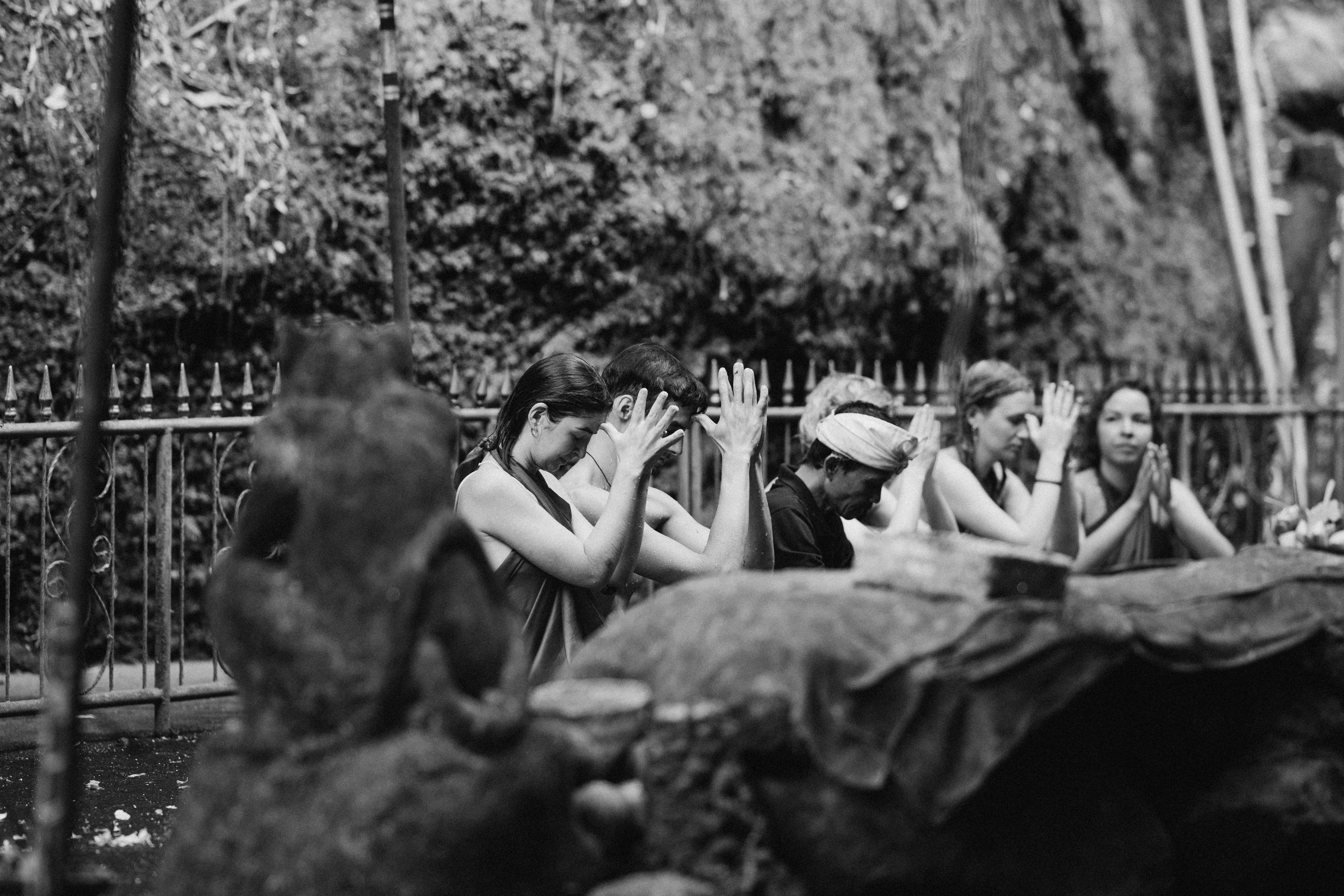
Introduction to Spiritual Cure Teams
Spiritual cure teams are specialized groups that focus on holistic healing, bridging the gap between traditional medical practices and spiritual well-being. These teams operate under the premise that healing encompasses more than just physical ailments; it also addresses emotional, mental, and spiritual aspects of a person’s health. The concept of spiritual cure teams is rooted in the belief that collective intention and prayer can create a significant impact on an individual’s healing journey.
Typically composed of trained practitioners from various spiritual backgrounds, these teams bring together diverse methodologies such as meditation, energy healing, and guided imagery. They work collaboratively to support individuals in their healing processes, often organizing regular sessions that involve communal prayer, meditative practices, and personalized spiritual guidance. The synergy created by these teams contributes to an environment that fosters healing on multiple levels, empowering individuals to overcome not just physical challenges but also emotional and spiritual barriers.
The significance of spiritual cure teams becomes particularly evident when considering the limitations of conventional medicine. While traditional medicine addresses the symptoms of physical illnesses, spiritual cure teams seek to uncover and heal the root causes of distress. By integrating spiritual dimensions into the healing process, these teams provide a more comprehensive approach that resonates with many seeking an alternative or complementary method to conventional healthcare.
Furthermore, the collective energy generated during their gatherings enhances the effectiveness of their efforts, creating a powerful holistic healing environment. In a world where stress and anxiety plague many, the emergence of spiritual cure teams represents a vital shift towards incorporating spirituality in healthcare, promising a healing experience that goes beyond mere physical recovery.
The Philosophy Behind Spiritual Healing
The philosophy underlying spiritual healing emphasizes the intricate relationship between the mind and body, positing that emotional and spiritual well-being are intrinsically linked to physical health. This connection suggests that negative thoughts and emotions can manifest physically, leading to illness and discomfort. By addressing emotional and spiritual concerns, individuals may experience significant relief from physical ailments and enhance their overall wellness. This is a core principle of many holistic healing practices which advocate for a comprehensive approach to health.
Energy healing is another crucial aspect of spiritual healing philosophy. Practitioners believe that all beings possess a unique energy field, which can be influenced by various factors, including stress, trauma, and external energies. Techniques such as Reiki, acupuncture, and sound therapy aim to restore balance within the individual’s energy system, promoting healing on both physical and spiritual levels. This practice underscores the belief that by harmonizing one’s energy, individuals can enhance their vitality and emotional stability.
Furthermore, spiritual healing often involves invoking spiritual or divine guidance as part of the healing journey. Many practitioners and believers argue that connecting with a higher power or utilizing spiritual rituals can facilitate profound healing experiences. This belief system posits that spiritual entities, be they deities, ancestors, or universal energies, may provide insights, comfort, and support during times of distress. This aspect of spiritual healing highlights the importance of faith and intention, suggesting that belief in a higher purpose can catalyze transformational healing processes.
Roles and Responsibilities within a Spiritual Cure Team
In a spiritual cure team, various members assume specific roles that collectively contribute to the strength and effectiveness of the team. Each role is critical in addressing the spiritual, emotional, and physical dimensions of healing, ensuring a comprehensive approach to well-being.
The healer often takes on the central role within the team. This individual possesses a unique ability to channel energies, offer guidance, and facilitate transformative experiences for those in need. Their methods can vary widely, encompassing techniques such as energy work, meditation, prayer, or other holistic practices aimed at spiritual empowerment and healing. Healers are often seen as the primary agents of change, guiding individuals to uncover deeper insights into their condition.
Guides play a pivotal role in a spiritual cure team by providing the necessary direction and support to both the healers and those seeking assistance. They assist individuals in navigating their spiritual journeys, helping to clarify goals and expectations while maintaining a supportive environment. The guide also ensures that communication remains clear and open among team members, fostering collaboration and synergy.
Support personnel, though perhaps less visible, are no less important in their contributions. These members of the team may provide emotional support, logistical assistance, or research expertise that aids in addressing the holistic needs of individuals. Their role can include organizing healing sessions, maintaining communication with the community, and keeping track of progress, thereby ensuring that the team remains efficient and focused on its objectives.
Collectively, the dynamic interplay between the roles of healers, guides, and support personnel amplifies the potential for successful spiritual healing. Each member’s contributions create a unified front that empowers individuals not just to heal but to thrive on their spiritual journeys.
Techniques and Practices Used by Spiritual Cure Teams
Spiritual cure teams employ a variety of techniques and practices aimed at promoting healing and fostering overall well-being. These methods range from meditation and energy work to prayer and holistic therapies, each serving a unique purpose in the healing process.
Meditation is one of the foundational practices used by spiritual cure teams. Through meditation, individuals are guided to attain a state of heightened awareness and inner peace, which can lead to emotional and physical healing. This practice not only helps in reducing stress and anxiety but also enhances one’s connection to their inner self and spiritual essence.
Energy work is another prominent technique utilized by spiritual healers. This involves understanding and manipulating the body’s energy fields to facilitate healing. Practices such as Reiki, chakra balancing, and Qi Gong fall under this category. Practitioners believe that by clearing blockages and restoring the natural flow of energy within the body, individuals can experience significant health improvements.
Prayer is deeply rooted in many spiritual traditions and plays a critical role in spiritual healing. It harnesses the power of intention and community support, where collective prayers are believed to amplify the healing process. Spiritual cure teams often encourage both personal and group prayers, fostering a strong sense of connectedness among participants.
Holistic therapies such as aromatherapy, crystal healing, and sound healing further complement the healing methodologies employed by these teams. These approaches aim to address the mind, body, and spirit as a whole, acknowledging that true healing involves a comprehensive perspective. By integrating these diverse techniques, spiritual cure teams create a multifaceted approach to wellness that transcends conventional medical practices.
Real Stories: Transformative Healing Experiences
Numerous individuals have embarked on journeys toward healing and wellness, where spiritual cure teams played a pivotal role in their transformation. These stories illuminate the profound impact that spiritual care can have on both physical health and emotional well-being.
One such account is that of Sarah, a young woman who struggled with chronic pain and anxiety. After exploring various medical options with limited success, Sarah was introduced to a spiritual cure team that combined energy healing, guided meditation, and emotional support. Through tailored sessions, she discovered a connection to her inner self that was previously obscured by her physical ailments. As the team worked on her case, she reported a significant reduction in pain and an increase in emotional clarity. Sarah described feeling a renewed sense of purpose, which she attributed to the spiritual practices and the supportive environment of her healing team.
Similarly, John, a cancer survivor, shared how a spiritual cure team contributed to his recovery journey. Facing the overwhelming stress and fear associated with his diagnosis, John turned to a group specializing in holistic healing. They provided him not only with emotional and spiritual support but also with rituals and meditative practices designed to foster resilience. John noted that these practices allowed him to approach his treatment with a more positive mindset, which he believes aided his recovery and quality of life.
Another powerful narrative comes from Emily, who battled depression for several years. After traditional therapies did not yield the desired results, she explored alternative avenues and connected with a spiritual cure team. Their process included group sharing, visualization techniques, and holistic rituals that resonated deeply with her. Over time, Emily experienced profound changes in her outlook on life, crediting the team’s compassionate approach for restoring her emotional balance and providing her with tools to cope with her struggles.
These testimonials reflect the unique and transformative experiences facilitated by spiritual cure teams. They underscore the notion that healing extends beyond mere physical interventions, embracing a broader spectrum that includes emotional and spiritual health. The journeys of Sarah, John, and Emily exemplify how spiritual care can enhance personal wellness, providing hope and healing in ways traditional medicine may not encompass.
The Science Behind Spiritual Healing
Spiritual healing, often defined as the practice that transcends traditional medicine, encompasses a variety of techniques aimed at promoting emotional and physical well-being. Recent scientific studies have shown that these practices, frequently utilized by spiritual cure teams, can have a measurable impact on health outcomes. Research indicates that spiritual practices, such as meditation, prayer, and energy healing, can significantly influence individuals’ mental health, help reduce stress levels, and improve overall wellness.
One area of interest is the effect of meditation, a common practice in many spiritual healing traditions. Studies have demonstrated that regular meditation can produce structural changes in the brain, enhancing areas associated with attention and emotional regulation. For instance, participants engaged in mindfulness meditation have shown decreased levels of anxiety and depression, leading to a more harmonious state of mental health. This scientific validation of meditation supports the idea that spiritual practices merit serious consideration as adjuncts to traditional medical approaches.
Furthermore, the concept of collective consciousness within spiritual cure teams also warrants attention. Research suggests that shared intentions among individuals can create a synergistic effect, amplifying the healing potential. Group prayer or collective meditation has been shown to positively affect the participants’ health, underscoring the power of communal support in the healing journey. These findings reinforce the notion that spiritual healing is not solely reliant on individual effort but is significantly enhanced when practiced within a team setting.
Overall, while skeptics may question the efficacy of spiritual healing, mounting scientific evidence points towards its benefits. The integration of spiritual practices not only fosters emotional resilience but also supports physical health, making it a vital component of comprehensive wellness strategies. As more research emerges, the intersection of science and spirituality may pave the way for improved healing modalities that complement traditional medicine.
How to Find or Create a Spiritual Cure Team
As individuals seek alternative methods for healing, the formation of a spiritual cure team has emerged as a valuable approach. structuring a team composed of compassionate and knowledgeable members can greatly enhance the healing process and provide support beyond what traditional medicine can offer.
To begin the process of building your own spiritual cure team, start by connecting with like-minded individuals who share similar beliefs and values surrounding spiritual healing. This can be achieved through community forums, local meditation groups, or even social media platforms that focus on holistic health and spirituality. Engaging in discussions with others on these platforms can help you identify potential team members who are passionate about similar healing practices.
Once you identify a group of like-minded individuals, consider organizing meetups or workshops that provide opportunities for open dialogue. These gatherings allow team members to share their unique skills and experiences, fostering deeper connections. When selecting team members, prioritize their abilities to contribute meaningfully to the group. Skills such as intuitive healing, energy work, or knowledge in spiritual practices like yoga or meditation can be invaluable assets to the team.
To ensure the effectiveness of your spiritual cure team, it is essential to cultivate a supportive environment. Establish guidelines that encourage open communication and trust among team members. Regular meetings can help sustain relationships and provide a space for collaboration, healing, and growth. It is also beneficial to celebrate successes and reflect on challenges, as this will strengthen the team’s bond and commitment to shared healing goals.
In conclusion, by thoughtfully selecting members and fostering a supportive atmosphere, you can create a spiritual cure team that not only enhances your healing journey but also promotes growth and connection among its members.
Challenges and Misconceptions in Spiritual Healing
Spiritual healing is often surrounded by skepticism and various misconceptions, primarily due to the lack of empirical evidence that is customary in conventional medicine. One of the most prominent challenges faced by spiritual cure teams is the prevalent skepticism among those who adhere strictly to scientific approaches. Many individuals find it difficult to accept that spiritual practices can contribute to healing, attributing their effects to placebo or anecdotal experiences rather than tangible results. This skepticism can inhibit open discussions and exploration of holistic health practices, creating a divide between spiritual and conventional medicine.
Cultural differences also pose challenges in the acceptance and understanding of spiritual healing methodologies. Various cultures hold distinct beliefs and practices related to spirituality, which can lead to misunderstandings or lack of acceptance when these practices are presented outside their original context. For instance, what is regarded as a legitimate spiritual healing method in one culture may be dismissed as unscientific or superstitious in another. Consequently, a dialogue that respects and acknowledges these cultural differences becomes crucial in bridging the gap between spiritual healing practices and broader societal acceptance.
Finally, ethical considerations play a significant role in the dynamics surrounding spiritual cure teams. As with any form of healing, maintaining integrity and ensuring the well-being of clients is essential. There is a risk of exploitation in any spiritual practice where individuals may feel vulnerable, particularly when they are seeking relief from challenging health conditions. Spiritual cure teams must navigate the fine line of providing guidance without overstepping boundaries or making unfounded claims. Establishing professional standards and fostering ethical practices within the realm of spiritual healing can enhance its credibility and facilitate a more constructive dialogue with those from a skeptical background.
The Future of Spiritual Cure Teams in Health and Wellness
The integration of spiritual cure teams within the health and wellness sector is increasingly gaining traction as a complementary approach to traditional medicine. As society becomes more attuned to holistic healing, the future of these teams appears promising. One significant trend is the growing acknowledgment of the multifaceted nature of health, which encompasses not only the physical but also emotional, psychological, and spiritual dimensions. This recognition invites a more comprehensive model of care, wherein spiritual cure teams can play a pivotal role alongside conventional healthcare providers.
Moreover, advancements in technology are likely to enhance the efficacy and accessibility of spiritual cure teams. Online platforms and telehealth services may facilitate virtual spiritual counseling, allowing practitioners to expand their reach, accommodating the needs of diverse populations. This digital transformation may lead to increased collaboration across various disciplines, fostering a more inclusive approach to health and wellness.
Furthermore, as research continues to unravel the connections between spirituality and physical well-being, health organizations may increasingly adopt integrative models. Evidence-based studies advocating the benefits of spiritual interventions for chronic illnesses could encourage the incorporation of spiritual cure teams into established medical practices. This shift could also lead to the development of training programs to equip healthcare professionals with the necessary skills to collaborate effectively with spiritual practitioners.
In conclusion, the future of spiritual cure teams is not only inclined towards greater integration with conventional medicine but is also predicated upon the evolving understanding of health as a composite of various elements. As we move forward, these teams could significantly enrich the holistic health landscape, offering valuable support that enhances healing outcomes and overall well-being.
Leave a Reply